


Bonded Insurance: Top Differences & Benefits in 2024
Protecting Your Business: Understanding Bonded Insurance
When it comes to running a small business or working in industries like construction, being bonded and insured is crucial. These terms not only help safeguard your business but also build trust with clients, demonstrating your commitment to professionalism and reliability.
Here’s a quick breakdown of bonded insurance:
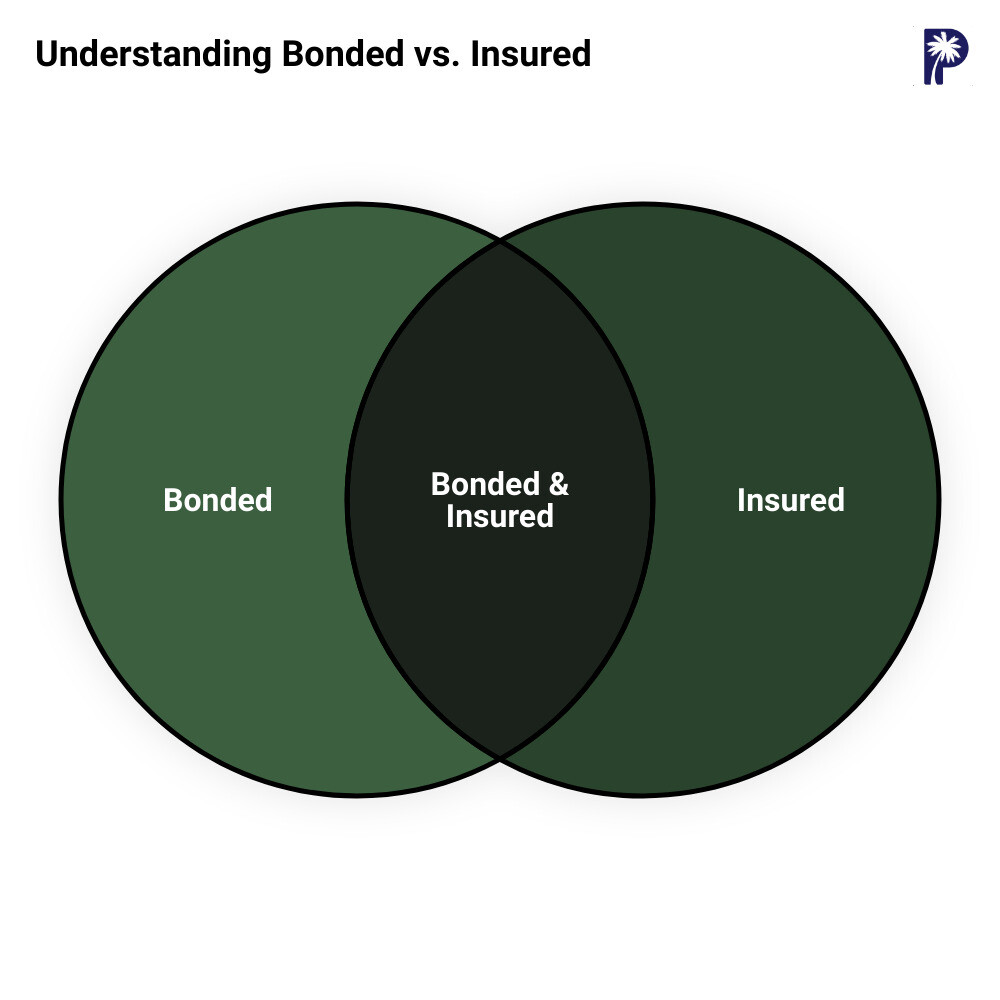
- Bonded: A guarantee that your business will fulfill contractual obligations, protecting clients from any financial loss due to non-compliance or incomplete work.
- Insured: Provides financial protection for your business in case of unexpected events like theft, property damage, or employee injuries.
Together, these coverages create a safety net for both your business and your clients, ensuring everyone is protected and minimizing risks in your professional dealings.
My name is Haiko de Poel Jr., and I’ve spent years helping businesses navigate the complexities of bonded insurance. From rebranding companies to driving growth, my expertise in marketing and digital transformation ensures businesses like yours stay protected and thrive.
What Does It Mean to Be Bonded?
A surety bond is a promise that a business will fulfill its obligations. It involves three parties:
- Principal: The business purchasing the bond.
- Obligee: The client or entity requiring the bond.
- Surety: The company providing the bond.
The principal buys the bond to guarantee that they will meet their contractual obligations. If they fail, the surety compensates the obligee. The principal then reimburses the surety.
Types of Surety Bonds
Surety bonds come in various forms, each serving different purposes. Here are some common types:
License and Permit Bonds
These bonds are often required by government entities before issuing a license. They ensure businesses comply with regulations.

- Contractors’ License Bond: Ensures contractors follow state regulations.
- Motor Vehicle Bond: Required for auto dealers.
- Mortgage Bond: Guarantees mortgage brokers adhere to laws.
Contract Bonds
Also known as construction bonds, these are essential for construction projects.
- Performance Bond: Guarantees the contractor will complete the project as per the contract.
- Payment Bond: Ensures subcontractors and suppliers get paid.
- Maintenance Bond: Covers defects after project completion.
- Bid Bond: Ensures a bidder will enter the contract if they win the bid.
- Supply Bond: Guarantees suppliers will provide materials as agreed.
Fidelity Bonds
These protect businesses against employee dishonesty.
- Employee Theft Bond: Covers losses from theft by employees.
Court Bonds
These are required by courts to ensure parties fulfill their obligations.
- Appeal Bond: Ensures payment of court costs if an appeal fails.
- Attachment Bond: Covers damages if property seizure is wrongful.
Probate Bonds
These guarantee that individuals managing someone else’s affairs do so faithfully.
- Executor Bond: Ensures an executor fulfills their duties.
- Guardian Bond: Protects the interests of a minor or incapacitated person.
Miscellaneous Bonds
These don’t fit into other categories but offer essential protections.
- Wage & Welfare Bond: Ensures payment of wages and benefits.
- Utility Deposit Bond: Covers utility payments for businesses.

In summary, being bonded means your business has a financial guarantee in place, protecting clients and ensuring compliance with regulations. This builds trust and credibility, making it easier to win contracts and operate smoothly.
Next, let’s dive into what it means to be insured and how it differs from being bonded.
What Does It Mean to Be Insured?
Being insured means having a safety net for your business. It’s like having a financial umbrella for those rainy days when unexpected problems arise.
Types of Business Insurance
Business insurance policies are agreements between two parties: you (the policyholder) and the insurance company. These policies offer financial protection to help your business survive and recover from various issues.
Here are some key types of business insurance:
General Liability Insurance
This is the foundation of most business insurance policies.
- Covers: Claims related to bodily injury, property damage, and personal injury.
- Example: If a customer slips and falls at your store, general liability insurance can cover medical expenses and legal fees.
Professional Liability Insurance
Also known as errors and omissions insurance, this protects against claims of mistakes or negligence in the services you provide.
- Covers: Legal defense costs, settlements, and judgments.
- Example: If a client claims your advice led to financial loss, this insurance can help cover the costs.
Commercial Auto Insurance
This covers vehicles used for business purposes.
- Covers: Vehicle damage, bodily injury, and property damage.
- Example: If your delivery van is involved in an accident, commercial auto insurance can cover repair costs and medical expenses.
Workers’ Compensation Insurance
Required in most states if you have employees, this insurance covers job-related injuries and illnesses.
- Covers: Medical expenses, lost wages, and rehabilitation costs.
- Example: If an employee gets injured while working, workers’ compensation insurance can cover their medical bills and a portion of their lost wages.
Property Insurance
This protects the physical assets of your business.
- Covers: Buildings, equipment, inventory, and furniture.
- Example: If a fire damages your office, property insurance can help pay for repairs and replacement of equipment.
Business Interruption Insurance
Also called business income insurance, this helps replace lost income if your business has to temporarily close due to a covered event like a fire or natural disaster.
- Covers: Lost income, operating expenses, and temporary relocation costs.
- Example: If a storm forces you to close your shop, this insurance can help cover rent and payroll during the downtime.
Equipment Breakdown Insurance
This covers the cost of repairing or replacing damaged equipment.
- Covers: Mechanical and electrical breakdowns.
- Example: If a crucial piece of machinery breaks down, this insurance can help cover the repair or replacement costs.
Cyber Insurance
Vital in today’s digital age, this protects against data breaches and cyberattacks.
- Covers: Legal fees, notification costs, and credit monitoring for affected individuals.
- Example: If hackers steal customer data, cyber insurance can help cover the costs of dealing with the breach.
In short, having the right business insurance can protect you from a variety of risks, ensuring that your business remains financially stable even when unexpected challenges arise.
Bonded Insurance: Key Differences
Surety Bonds vs. Insurance
Surety bonds and insurance policies both offer protection, but they do so in different ways and for different parties. Understanding these key differences can help you decide what your business needs.
Protection
- Surety Bonds: Protect the client (or the public) from financial loss if your business fails to meet contractual obligations. For example, if a contractor doesn’t complete a project, the client can claim against the bond.
- Insurance Policies: Protect the policyholder (you or your business) from financial loss due to accidents, theft, or other covered events. For instance, general liability insurance covers legal fees if someone sues your business.
Claims Control
- Surety Bonds: If a claim is made, the surety company has various solutions to fulfill the obligation, like hiring another contractor to complete the work.
- Insurance Policies: The insurance company either approves and pays the claim or denies it. They don’t control how the issue is resolved.
Repayment Terms
- Surety Bonds: The principal (your business) must reimburse the surety for any claims paid out. This means you are financially responsible for approved claims.
- Insurance Policies: The policyholder does not need to pay back the insurance company for claims made under the policy.
Number of Parties
- Surety Bonds: Involve three parties: the principal (your business), the obligee (the client or entity requiring the bond), and the surety (the company issuing the bond).
- Insurance Policies: Involve two parties: the insured (your business) and the insurer (the insurance company).
Financial Responsibility
- Surety Bonds: Expect no losses; they are more like a credit guarantee. If a claim is paid, the principal must reimburse the surety.
- Insurance Policies: Expect losses and factor them into the premiums. The insured does not have to repay the insurer for claims covered by the policy.
In summary, surety bonds are designed to protect third parties from your business’s non-compliance or failure to fulfill a contract, while insurance policies are meant to protect your business from various risks and financial losses.
Understanding these differences can help you make informed decisions about what coverage your business needs to comply with legal requirements, meet client expectations, and ensure financial protection.
Does Your Business Need to Be Bonded and Insured?
Common Scenarios Requiring Bonds and Insurance
Legal Requirements: Many industries have legal mandates requiring businesses to be bonded and insured. For instance, contractors often need surety bonds to bid on public projects. A notary public must submit a surety bond with their application to comply with state laws. Ensuring you meet these legal requirements can avoid hefty fines and legal troubles.
Industry Standards: Certain industries have set standards that dictate the need for bonds and insurance. For example, janitorial services often carry janitorial bonds to cover employee theft or incomplete work. In the IT sector, fidelity bonds are common to protect against employee fraud or unauthorized data access.
Client Expectations: Clients often insist on working with businesses that are both bonded and insured. This practice is common in construction projects, where bonds guarantee the completion of work as per the contract. For instance, if a client hires a contractor to install plumbing and a pipe bursts due to substandard work, the client can file a claim against the bond to cover the damages.
Financial Protection: Bonds and insurance provide a safety net for financial losses. For example, a fidelity bond can protect against losses from employee theft. Similarly, business insurance can cover the costs of property damage, legal fees, and other unexpected expenses, preventing financial strain on your business.
Compliance: Compliance with federal, state, and local regulations often necessitates being bonded and insured. For instance, businesses that handle state sales taxes may need a bond to guarantee tax payments. Similarly, an alcohol tax bond ensures that state taxes for alcoholic beverage sales are paid.
Construction Projects: In construction, bonds are crucial. Contractors need performance bonds to guarantee project completion and payment bonds to ensure subcontractors and suppliers are paid. Without these bonds, contractors may be ineligible to bid on lucrative public projects.
Public Projects: Public projects typically require contractors to be bonded. This requirement ensures that the contractor will complete the project as per the contract terms, safeguarding public funds. A bid bond, for example, ensures that a contractor will honor their bid and provide the necessary performance and payment bonds if awarded the contract.
State Sales Taxes: Businesses responsible for collecting state sales taxes might need a bond to guarantee that these taxes are paid. This bond acts as a financial guarantee to the state, ensuring compliance with tax obligations.
Notary Applications: Notaries are required by law to be bonded to protect the public from errors or misconduct. A notary bond provides financial protection to the public if a notary fails to perform their duties correctly.
Consumer Protection: Bonds like public protection bonds cover the public from financial losses due to fraud or unfair dealings. For instance, a mortgage broker bond ensures that clients are financially protected if a mortgage company fails to provide accurate loan information.
Contractual Agreements: Many contracts require businesses to be bonded and insured to ensure compliance and financial responsibility. For example, a contractor license bond is often required to comply with local regulations and assure clients of the contractor’s reliability.
Understanding these common scenarios can help you determine whether your business needs to be bonded and insured. Meeting these requirements not only ensures legal compliance but also builds client trust and provides financial protection.
Next, we’ll explore the benefits of being bonded and insured and how it can give your business a competitive edge.
Benefits of Being Bonded and Insured
Being bonded and insured offers numerous advantages for your small business. Let’s break down the key benefits:
Financial Protection
Insurance policies and surety bonds provide a safety net for your business. For instance, if a company vehicle is damaged in a storm, your commercial auto insurance can cover the repair costs. This prevents unexpected expenses from crippling your operations.
Client Trust
Having the right insurance coverage and surety bonds can boost client confidence. Clients prefer to work with businesses that are financially stable and trustworthy. Being bonded and insured signals that you are reliable and committed to fulfilling your obligations.
Regulatory Compliance
Many industries and states require specific insurance and bonds. For example, workers’ compensation insurance is mandatory in most states if you have employees. Similarly, certain bonds might be required to bid on public projects or obtain licenses.
Competitive Advantage
Being bonded and insured can set you apart from competitors who lack these protections. It shows potential clients that you are a professional who takes risk management seriously. This can be a deciding factor when clients choose between your business and others.
How to Obtain Bonds and Insurance
Getting bonded and insured involves a few steps. Here’s a simple guide to help you through the process:
- Application Process:
- For surety bonds, you’ll need to complete a standard bond application. This often includes questions about your finances and business background.
- For insurance, you’ll work with an agent to identify the types of coverage your business needs.
- Financial Statements:
- Surety bond providers and insurance companies may request your business’s financial statements. This helps them assess your financial stability.
- Business Information:
- Be prepared to provide detailed information about your business operations, including the number of employees, types of services offered, and any past claims or incidents.
- Surety Bond Provider:
- Choose a reputable surety bond provider. For example, Palmetto Surety Corporation offers a range of surety bonds and can guide you through the process with ease.
- Insurance Agent:
- Work with an experienced insurance agent who understands your industry. They can help you bundle policies, like a Business Owners Policy (BOP), to save on costs.
By following these steps, you can secure the necessary bonds and insurance to protect your business, comply with regulations, and build client trust. This not only safeguards your operations but also positions your business for growth and success.
Next, we’ll address some frequently asked questions about bonded insurance to further clarify any doubts you might have.
Frequently Asked Questions about Bonded Insurance
What is the cost of getting bonded and insured?
The cost of getting bonded insurance varies based on several factors:
- Type of Bond or Insurance: Different bonds and insurance policies have different cost structures. For example, a general liability insurance policy will have a different cost than a performance bond.
- Coverage Amount: The higher the coverage, the more you’ll pay. Surety bonds are usually a percentage of the bond amount, often between 1-15%.
- Credit Score: Your personal and business credit scores can affect premiums, especially for surety bonds.
- Industry and Risk: High-risk industries like construction may face higher premiums.
For example, a $100,000 surety bond might cost between $1,000 and $15,000 annually, depending on the factors mentioned above.
How long does it take to get bonded and insured?
The time it takes to get bonded and insured can vary:
- Surety Bonds: The process is similar to applying for a loan. You’ll need to provide financial statements, references, and other business information. This can take a few days to a couple of weeks, depending on the complexity of your application and the type of bond.
- Insurance Policies: Working with an experienced insurance agent can speed up this process. For simple policies like general liability, you might get coverage within a day. More complex policies could take longer.
For instance, companies like Viking Bond Service can often provide a bond quote in under 24 hours.
What happens if a claim is made against a bond or insurance policy?
If a claim is made:
- Surety Bonds: If a claim is approved, the surety company pays the obligee (the party protected by the bond). However, as the bond principal, you are financially responsible for reimbursing the surety company. This means you must repay the amount paid out on the claim.
- Insurance Policies: If a claim is approved, the insurance company pays the policyholder (you or your business) or a third party, depending on the type of coverage. Unlike surety bonds, you do not need to reimburse the insurance company for the claim amount.
It’s crucial to avoid claims by fulfilling your contractual obligations and maintaining good business practices. Unpaid claims can lead to loss of coverage and make it harder to obtain bonds or insurance in the future.
Next, we’ll explore whether your business needs to be bonded and insured and discuss common scenarios where these protections are essential.
Conclusion
At Palmetto Surety Corporation, we understand how important it is for your business to be both bonded and insured. Our goal is to make the process quick and efficient so that you can focus on what you do best—running your business.
Quick Approval: We know time is money. Our streamlined application process is designed to get you approved fast. Whether you need a surety bond or business insurance, we aim to provide quotes and approvals with minimal delay.
Efficient Service: From the moment you contact us, our dedicated team works tirelessly to ensure you get the coverage you need. We offer 24/7 support and use cutting-edge technology to simplify the process of purchasing, printing, and managing your bonds and insurance.
Local Expertise in Charleston, SC: Based in Charleston, South Carolina, Palmetto Surety Corporation has been serving businesses in the region for over two decades. Our deep understanding of local regulations and industry standards ensures that you get the most relevant and effective coverage.
Being bonded and insured not only protects your business but also boosts your credibility and trust with clients. Don’t wait—secure your business today with Palmetto Surety Corporation.
Explore our surety bond services and get started on safeguarding your business.


