


Performance Bond Cost: Top 3 Budget Secrets
Understanding Performance Bonds: The “What” and “Why”
Understanding the performance bond cost is vital for any business looking to secure projects and manage financial risks effectively. A performance bond is a financial guarantee that ensures a contractor will complete a project according to the contract’s terms. This guide will break down how these costs are determined and what you can do to manage them.
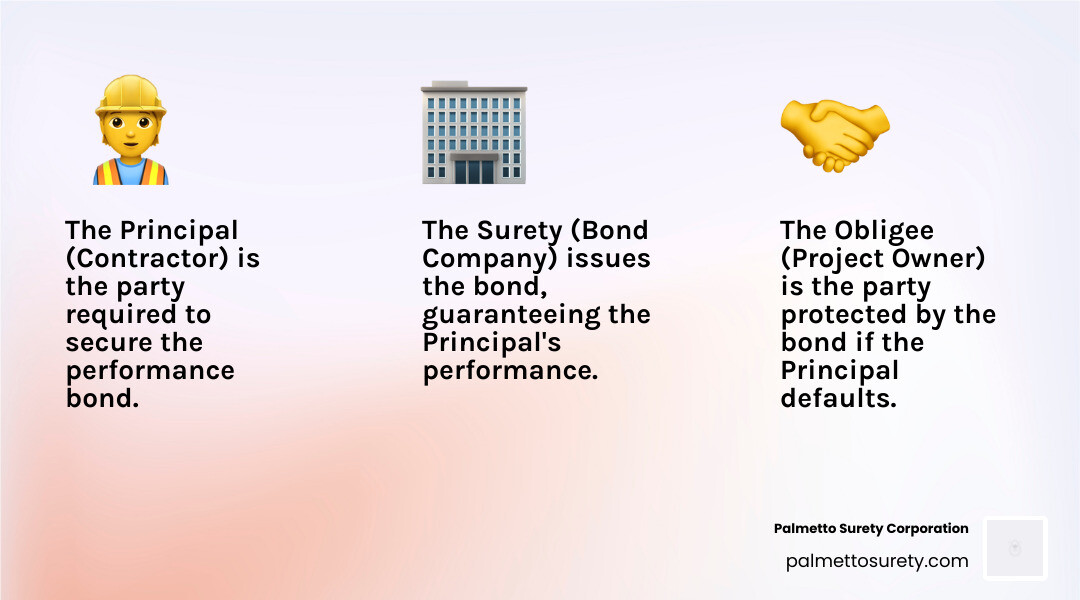
A performance bond is a fundamental financial guarantee within contracts, particularly in construction. It’s a three-party agreement involving:
- The Principal: The contractor undertaking the work whose performance is being guaranteed.
- The Obligee: The project owner or client who is being protected by the bond.
- The Surety: The bond company that provides the financial guarantee, backing the Principal’s obligations.
If the Principal fails to fulfill their contractual obligations, the Surety steps in to ensure the project is completed, either by finding a new contractor or providing financial compensation to the Obligee. This system provides peace of mind and reduces financial risk for the project owner. A performance bond is not traditional insurance; if the Surety pays a claim, they will seek reimbursement from the Principal through an indemnity agreement.

What a Performance Bond Guarantees
At its core, a performance bond guarantees the project will be completed according to the contract’s terms and conditions. This includes:
- Project Completion: The primary guarantee is that the work will be finished. If the contractor defaults, the surety ensures the project reaches completion.
- Contract Compliance: It assures the work will adhere to the agreed-upon specifications, quality standards, and timelines.
- Financial Security: For the obligee, it means protection from financial loss should the contractor fail, providing funds to fix problems or hire another contractor.
- Subcontractor Payment Protection: While a performance bond focuses on project completion, it often works with a payment bond. A payment bond ensures subcontractors and suppliers are paid, preventing liens. Together, they offer comprehensive protection.
Why Performance Bonds Are Required
Performance bonds are often a mandatory requirement for several reasons:
- Public Works Projects: The Federal Miller Act mandates performance bonds for federal public works contracts over $100,000 to safeguard taxpayer money.
- Private Project Owner Requirements: Many private owners now require bonds to gain the same level of protection as government entities, especially for large or complex projects.
- Risk Mitigation: Bonds are a robust tool to protect the obligee from contractor insolvency, abandonment, or poor-quality work.
- Ensuring Contractor Capability: The surety’s underwriting process vets the contractor’s financial health, experience, and capacity, giving the project owner extra assurance.
- State Regulations: Many states have their own “Little Miller Acts.” For example, State Regulations like California’s Public Contract Code mandate payment bonds for public works projects over $25,000.
The Core Factors Influencing Your Performance Bond Cost
How is your performance bond cost determined? It’s not a random number. A surety company performs a careful review, known as underwriting, of your company and the project you’re tackling to determine your premium.


The Contractor’s Profile: How Financials Affect Performance Bond Cost
The surety company evaluates your financial health and operational history, often summarized as the “Three C’s of Surety”: Character, Capacity, and Capital.
- Credit Score: Your personal and business credit scores are critical. A strong score demonstrates financial responsibility and leads to a lower performance bond cost, while a weaker score can result in premiums of 3% to 5% or higher.
- Company’s Financial Health: Sureties analyze your financial statements for steady profits, sufficient working capital, and a healthy net worth. A strong financial picture reduces your perceived risk.
- Company Experience and Work History: A long track record of completing similar projects on time and on budget proves your reliability and competence.
- Cash on Hand: For newer contractors or higher-risk projects, providing collateral (cash or an Irrevocable Letter of Credit) can help lower your premium.
- Financial Statements: Professionally prepared statements from a Certified Public Accountant (CPA), such as an ‘Audit’ or ‘Review,’ give sureties higher confidence, leading to better rates and larger bonding capacity. Learn more about CPA-prepared financial statements.
- Bonding Capacity: This is the total amount of bonded work a surety will guarantee for you. Building a strong relationship with your surety and delivering good work can increase this capacity and lead to better rates. For large projects, see our guide on large bond underwriting.
The Project’s Profile: How Scope Affects Performance Bond Cost
The specific details of the job you’re bidding on also play a huge role in your performance bond cost.
- Contract Value: A higher contract value means a higher premium in dollar terms. However, the percentage rate often decreases for very large contracts.
- Project Size and Complexity: A simple renovation is less risky than a complex, multi-story building with unique engineering challenges. More complexity typically means a higher cost.
- Type of Work: Different jobs carry different risks. An asphalt paving project has a different risk profile than building a hospital, which sureties consider.
- Contract Duration: Longer projects present more opportunities for things to go wrong, so contracts lasting more than a year or two may have a small surcharge.
- Warranty Periods and Maintenance Clauses: Extended warranty periods (e.g., 24 months) increase the surety’s long-term risk and can slightly increase your premium.
- Specific State Requirements: State laws, like those in Florida for public construction, can dictate bond amounts and terms, affecting your premium.
- Obligee’s Requirements: The project owner may have specific demands, such as requiring a bond for 100% of the contract value, which directly influences the final cost.
How to Calculate Your Performance Bond Premium
Figuring out your performance bond cost involves applying a rate to the total contract price. The final premium depends on your business’s financial health and the project’s specific details.

Understanding the Typical Rate Range
Your performance bond cost typically ranges from 0.5% to 4% of the contract amount. For a $500,000 project, your premium could be anywhere from $2,500 to $20,000. The specific percentage depends on your risk profile.
- Top-Tier Contractors: With strong financials and a great track record, rates can be as low as 0.5% to 1.5%.
- Solid Contractors: Those with good financials and a dependable history often see rates between 1.5% and 2.5%.
- Newer or Higher-Risk Contractors: Newer businesses or those with financial challenges might see rates in the 3% to 5% range or higher.
Improving your company’s financial standing and track record is key to securing lower rates and saving money.
Common Rate Structures Explained
Sureties often use tiered approaches to calculate your premium, rather than a single flat percentage.
- Sliding Scale Rates: This is common for larger contracts. The percentage rate decreases as the contract value increases. For example, the first $100,000 might be charged at 2.5%, the next $400,000 at 1.5%, and amounts over $500,000 at 1.0%.
- Blended Rates: Similar to a sliding scale, this method applies different percentages to different tiers of the contract value, creating an overall “blended” average rate.
- Fixed Rates: For smaller projects or contractors with exceptional financial history, a surety might offer a simple fixed rate, such as $10 per $1,000 of the contract value.
Factoring in Additional Fees and Contract Changes
Beyond the main premium, a few other costs might arise:
- Administrative and Escrow Fees: Some sureties or brokers charge small fees for processing or for managing collateral accounts. These can range from a few hundred dollars to over 1% of the bond amount for escrow services.
- Impact of Change Orders: If change orders increase the contract price, your surety will likely charge an additional premium to cover the increased risk. Conversely, if the contract amount decreases, you may receive a partial premium refund. These adjustments are typically based on the original rate structure.
Strategies to Lower Costs and Secure Your Bond
Navigating performance bonds can be challenging, but there are clear paths to reducing your performance bond cost and qualifying for the bonds you need.
Proactive Steps to Reduce Your Premium
Think of your relationship with a surety as building a credit history. A better track record leads to more favorable terms.
- Improve Credit: Pay bills on time and reduce debt to improve your personal and business credit scores, which is a direct path to lower premiums.
- Maintain Strong Financials: Provide clear, accurate, and up-to-date financial statements. CPA-prepared statements are highly recommended to demonstrate financial strength.
- Build a Successful Portfolio: A history of successfully completed projects with no claims against your bonds is your best asset.
- Choose Projects Within Your Capacity: Bidding on projects that match your experience and capacity signals lower risk to sureties.
- Provide Collateral (Optional): Offering collateral (cash or an Irrevocable Letter of Credit) can lower your premium or help you qualify, but it ties up your capital.
Qualifying for a Bond and Exploring Alternatives
The qualification process is rigorous but designed to protect all parties.
- The Role of a Surety Broker: A knowledgeable surety broker acts as your advocate, helping you prepare your application and find the best rates and terms.
- Application Process: Be prepared to provide comprehensive documentation, including company and personal financial statements, a contractor’s questionnaire, a schedule of current projects, and bank references.
- Letter of Bondability: Before bidding, you can often get a free “letter of bondability” from a surety, which indicates your pre-approved bonding capacity.
- Alternatives for Difficult-to-Place Bonds: If obtaining a traditional bond is difficult, consider these options:
- The SBA Surety Bond Guarantee Program: The SBA Surety Bond Guarantee Program helps small businesses qualify for bonds by guaranteeing a portion of the bond to the surety, reducing their risk.
- Letters of Credit (LOCs): Issued by banks, these can serve as a guarantee but typically tie up a contractor’s cash or credit lines.
- Funds Control: A third party manages project funds to ensure proper payment, which can help secure a bond for an additional fee.
- What is surety bond insurance? A performance bond protects the project owner, not the contractor. It is not traditional insurance, as the contractor must reimburse the surety for any claims paid. Learn more by asking, What is surety bond insurance?
Frequently Asked Questions About Performance Bond Costs
Here are answers to the questions we hear most often from contractors about performance bond cost.
How much does a $1,000,000 surety bond typically cost?
For a $1,000,000 surety bond, the premium typically runs from 1% to 5% of the contract amount. This means your performance bond cost could be anywhere from $10,000 to $50,000. The final price depends on your company’s financial strength and the project’s risk profile. A contractor with excellent credit and a strong track record will be on the lower end of that range, while newer companies or those with financial challenges will see higher rates.
What is the difference between a performance bond and a payment bond?
These two bonds are often issued together but serve different purposes.
- A performance bond guarantees that you will complete the project according to the contract’s terms. It protects the project owner from non-performance.
- A payment bond guarantees that your subcontractors, suppliers, and laborers will be paid for their work and materials. This prevents liens from being filed against the project.
Most sureties issue these bonds together as a package for a single premium, providing comprehensive protection for the project owner.
Can I get a performance bond with bad credit?
Yes, it is possible to get a performance bond with bad credit, but it will be more expensive and may require extra steps. Contractors with poor credit typically see performance bond cost rates in the 3% to 5% range or higher. To qualify, you may need to provide collateral (cash or an Irrevocable Letter of Credit). Programs like the SBA Surety Bond Guarantee Program can also help contractors in this situation by providing a government guarantee to the surety. Working with an experienced surety broker is key to navigating this process.
Conclusion: Securing Your Project’s Financial Future
Well, you’ve made it! By now, you know that understanding your performance bond cost isn’t just about a simple percentage. It’s about getting to grips with all the different pieces that fit together to determine this vital project expense. We’ve explored how your financial health, your credit score, and even your past successes all play a huge role. And let’s not forget how the specific characteristics and risks of each project itself factor in.
A performance bond is much more than just another line item on your budget. It’s a powerful statement about your business. It tells potential project owners that you are a serious, capable, and trustworthy contractor, someone they can rely on. Being backed by a solid financial guarantee like this truly sets you apart. While you, the contractor, typically pay the upfront premium, this cost is almost always factored into your bid. This means the project owner indirectly covers it as part of the overall project budget, making it a sound investment for everyone involved.
For over two decades, Palmetto Surety Corporation has been a trusted partner in this journey. We specialize in providing commercial surety bonds for a wide range of industries, from construction and manufacturing to transportation and healthcare, right here in the southeastern United States. We pride ourselves on our ability to approve most applications within just a few hours. This means quick, efficient service, helping you get the bonds you need without unnecessary delays, and allowing you to budget effectively for your projects.
Ready to secure your project’s financial future with confidence? For expert help with all your bonding needs, we invite you to explore our Commercial Surety Bonds and get started today. We’re here to help you every step of the way!


