


Is Bail Bond Business Profitable? 3 Shocking Truths
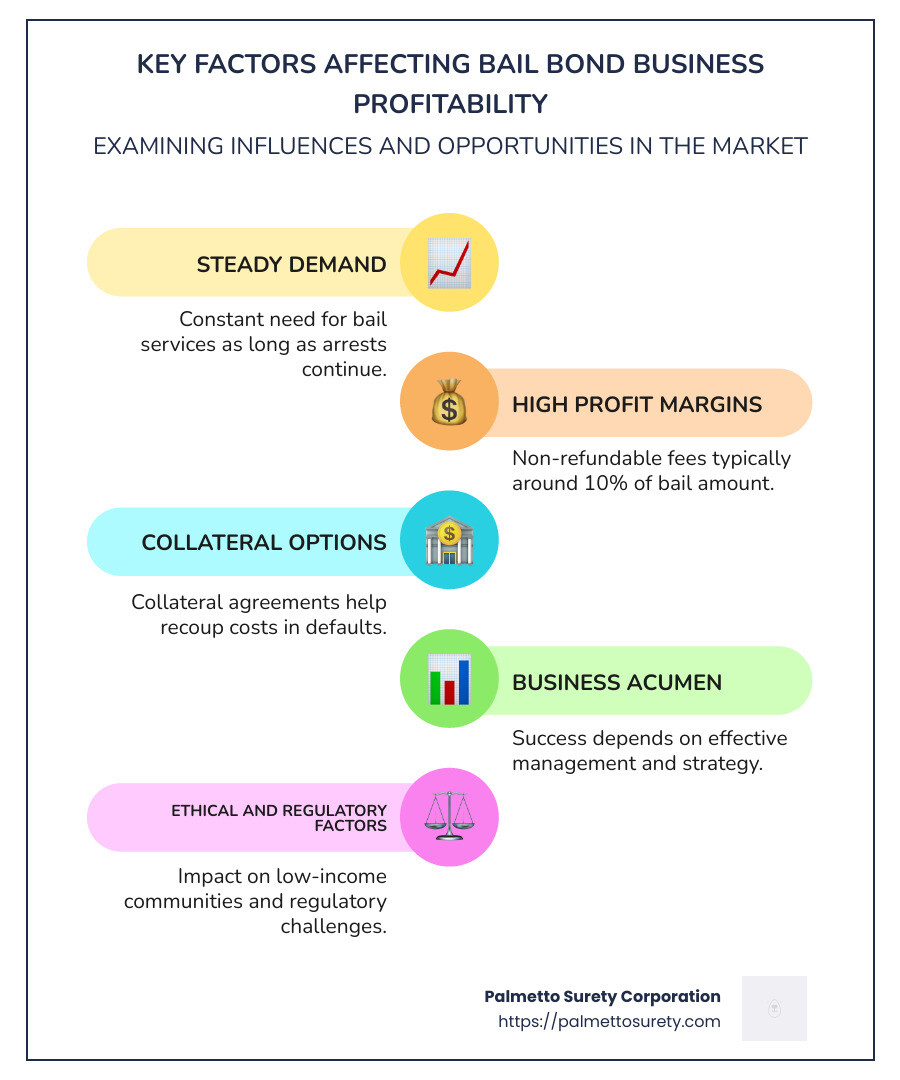
Is bail bond business profitable? The quick answer is yes, it can be, but like any business, success depends on how it’s managed. Bail bond companies can be lucrative due to their unique position in the criminal justice system. Here’s why:
- Steady Demand: People will continue to require bail services as long as arrests happen.
- High Profit Margins: While the initial cost usually involves around 10% of the bail amount, this fee is non-refundable, providing a consistent source of revenue.
- Collateral Options: In cases of default, having collateral agreements can help recoup costs.
The bail bonding industry operates within the complex framework of the U.S. criminal justice system. While it does present considerable financial opportunities, there are significant ethical and regulatory factors to consider. The industry has been criticized for its impact on low-income communities and its role in perpetuating inequalities in the criminal justice system.
As an expert in marketing and digital change, my name is Haiko de Poel Jr. I’ve engaged deeply with the central question of is bail bond business profitable during my work with leading companies. My experience includes strategic innovation in the surety bond sector, where driving business success while navigating industry dynamics has been paramount.
Basic is bail bond business profitable terms:
– bail bond business start-up cost
– how does a bail bond business work
– how to start a bail bonds business in texas
Understanding the Bail Bond Business
The bail bond business is a unique and integral part of the U.S. criminal justice system. It provides financial assurance that a defendant will appear in court. When someone is arrested, a judge sets a bail amount. If the defendant can’t pay, they turn to bail agents for help.
How It Works
A bail agent, or bondsman, pays the full bail amount on behalf of the defendant. In return, the defendant pays a non-refundable fee, typically 10% of the bail amount. This fee ensures the bail agent is compensated for taking on the risk.

Financial Assurance
Bail bonds offer a financial guarantee to the court. They ensure that defendants will show up for their court appearances. If the defendant skips court, the bail agent is responsible for the full bail amount. This is where collateral, like property or vehicles, can be crucial. It helps agents recover their costs if things go wrong.

The Role of Bail Agents
Bail agents are the key players in this industry. They work directly with defendants and their families. Their role is not just financial; they often help guide clients through a stressful legal process. This requires strong communication skills and a deep understanding of the legal system.
Court Appearances
Ensuring defendants appear in court is a critical part of the bail bond business. Agents often establish check-ins with clients to confirm they’re on track. If a defendant fails to appear, the agent may employ bounty hunters to locate them. This adds another layer of complexity and risk to the business.
In summary, the bail bond business is about more than just money. It’s about providing a service that ensures the justice system continues to function smoothly. While the business can be profitable, it comes with its own set of challenges and responsibilities.
Is Bail Bond Business Profitable?
The bail bond business can indeed be profitable, but it’s crucial to understand the nuances of how it operates. Profit margins in this industry are influenced by several factors, including the fee structure, steady income potential, and the ability to manage risks effectively.
How Bail Bondsmen Make Money
Bail bondsmen primarily make money by charging non-refundable fees. Typically, this fee is around 10% of the bail amount set by the court. For instance, if the bail is set at $10,000, the bondsman charges the defendant a $1,000 fee. This fee compensates the bondsman for the risk taken by covering the bail.
Another income stream comes from premiums. These are additional costs that might be incurred if the defendant is considered high-risk. For example, if the defendant has a history of skipping court appearances, the bondsman might charge a higher fee to cover potential losses.
Factors Influencing Profitability
Several factors can influence whether the bail bond business is profitable:
-
Business Acumen: Successful bondsmen need a keen understanding of the legal system and strong negotiation skills. This helps in setting appropriate fees and managing client relationships.
-
Marketing: Effective marketing strategies are crucial. Building a strong online presence and maintaining good relationships with defense attorneys can lead to more referrals.
-
Defense Attorney Connections: Strong relationships with defense attorneys can be a significant advantage. Attorneys often recommend bail bondsmen to their clients, providing a steady stream of business.
-
Risk Management: The ability to assess and manage risk is essential. This includes evaluating the likelihood of a defendant skipping court and setting terms that protect the bondsman’s financial interests.
In conclusion, while the bail bond business can be profitable, success depends on a mix of strategic pricing, effective risk management, and strong industry connections.
The Role of Bail Bond Insurers
In bail bonds, insurers play a crucial role. They provide the financial backing that allows bail bond companies to operate effectively. Without this support, many bail bond businesses would struggle to cover the costs of large bonds.
Premium Income
Bail bond insurers generate substantial premium income. In 2019 alone, the for-profit bail industry raked in an estimated $2 billion in profits. This profitability is largely due to the premium fees charged to defendants, which are non-refundable and typically amount to 10% of the bail amount. These fees ensure a steady stream of income for both bail bond companies and their insurers.
Major Insurers
The industry is dominated by a few major players. According to a 2017 report, the top nine bail insurers cover most of the estimated $14 billion in bonds posted annually. These insurers not only provide financial backing but also influence the industry through lobbying and political contributions. For instance, they have spent millions to block legislation aimed at limiting the industry’s practices.
Financial Backing
The financial strength provided by insurers is vital. It allows bail bond companies to take on high-value bonds without having the cash on hand. Insurers mitigate the risk by requiring bail bond companies to adhere to strict guidelines and maintain collateral agreements with defendants. In Minnesota, for example, insurers have entered into agreements to ensure minimum standards of pricing and record-keeping.
This financial backing is not without its challenges. Insurers face reputational risks and potential chargebacks, making it essential for them to work with high-risk payment processors. These processors understand the unique needs of the bail bond industry and help secure transactions, ensuring that both insurers and bail bond companies can continue to operate profitably.
In summary, bail bond insurers are the backbone of the industry, providing the necessary financial support and stability. Their role is pivotal in ensuring that bail bond businesses can offer their services while managing risk effectively.
Frequently Asked Questions about Bail Bond Business
Is the Bail Bond Business Profitable?
The bail bond business can indeed be profitable, but it depends on several factors. The industry operates on a fee structure where defendants pay a non-refundable fee, typically about 10% of the bail amount. This fee is the primary source of income for bail bond companies and ensures a steady cash flow.
However, profitability isn’t guaranteed. Success hinges on effective risk management and business acumen. Bail bondsmen must carefully assess the risk of defendants not appearing in court, as they are responsible for the full bail amount if the defendant skips bail.
How Much Do Bail Bondsman Companies Make?
Bail bondsman companies generate revenue through various income streams. The most significant is the aforementioned non-refundable fee. For example, if a bail is set at $10,000, the bail bondsman collects $1,000 as a fee. This fee structure allows companies to earn consistent income, especially in areas with high crime rates or where cash bail is prevalent.
In addition to fees, companies may earn from collateral if a defendant fails to appear in court. This includes cash, property, or other valuable items used to secure the bond. While repossessing collateral can be contentious, it is a legal avenue for recovering losses.
Can Bail Bondsmen Make a Lot of Money?
The earning potential for bail bondsmen is significant, but it varies based on location, market demand, and individual business strategies. In high-demand areas, a well-run bail bond business can be lucrative. However, it requires savvy marketing, strong connections with defense attorneys, and a deep understanding of the industry.
Bail bondsmen also face challenges, such as reputational risks and potential legal changes that could impact the industry. These factors necessitate adaptability and a proactive approach to business operations.
In conclusion, while the bail bond industry offers substantial profit potential, success is not automatic. It requires careful planning, risk management, and adherence to legal standards to thrive in this competitive field.
Conclusion
For those considering entering the bail bond business, partnering with a reliable and experienced provider like Palmetto Surety Corporation can make a significant difference. With over 20 years in the industry, we offer quick and efficient service, especially in the southeastern U.S., where our network of bail agents and bond agents is well-established.
Our unique selling proposition lies in our ability to approve most applications within hours. This quick service is crucial for clients who need immediate financial assurance to secure their release. We understand the urgency involved in bail situations and strive to meet those needs promptly.
Operating in states like Florida, Georgia, Louisiana, Mississippi, South Carolina, Tennessee, and Texas, we have custom our services to fit the unique legal requirements and market demands of these regions. This regional expertise ensures that we can provide the best possible support to our clients, helping them steer the complexities of the bail bond process.
For those looking to explore the profit potential of the bail bond industry, aligning with Palmetto Surety Corporation provides a solid foundation. Our focus on efficiency, regional expertise, and a strong network of professionals ensures that our clients can operate successfully and profitably.
For more information on how Palmetto Surety Corporation can support your bail bond business, visit our service page.


