


Getting Bonded for Construction: Top 10 Critical Insights 2024
Why Understanding Construction Bonds Is Important
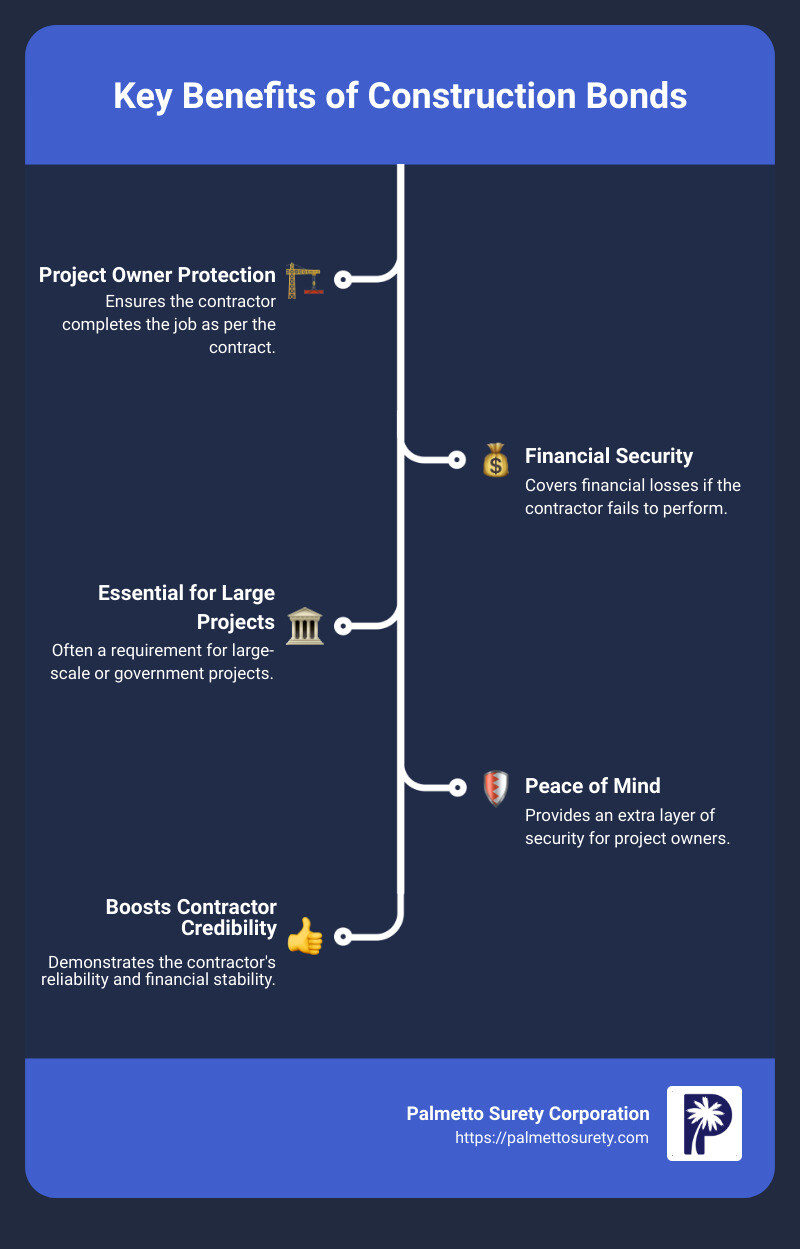
Getting bonded for construction can seem complex, but it’s essential. To quickly get an idea, here are the key points:
- A construction bond is a protection for project owners.
- It ensures the contractor completes the job as agreed.
- If the contractor fails, the bond covers financial losses.
A construction bond is a promise that protects the owner of a project against financial loss if the contractor doesn’t fulfill the contract. This extra layer of security is invaluable, especially for large-scale or government projects. As construction projects grow in scale, having a construction bond isn’t just prudent—it’s often a requirement.
I’m Haiko de Poel Jr, and I’ve spent years helping businesses—and even some of the fastest-growing surety bond companies—steer the ins and outs of getting bonded for construction. With a background in marketing and digital change, I understand the importance of clear, reliable, and efficient processes.
Getting bonded for construction terms you need:
How Construction Bonds Work
Parties to a Bond
A construction bond involves three main parties: the principal, the surety company, and the obligee. Understanding the roles of these parties is crucial for anyone getting bonded for construction.
The Principal
The principal is the contractor or company purchasing the bond. This party is responsible for fulfilling the terms of the contract.
The Surety Company
The surety company provides the bond and guarantees the performance of the principal. If the principal fails to meet the contract terms, the surety company steps in to ensure the project is completed. The surety company will then recoup its expenses from the principal as per the indemnity agreement.
The Obligee
The obligee is the project owner or the party requiring the bond. This party is protected by the bond against financial loss if the principal fails to execute the project as agreed.

Protection and Financial Loss
Unlike insurance, which protects the insured, construction bonds protect the project owner. If a contractor defaults, the obligee can file a claim with the surety company. The surety company will cover the costs to complete the project, thus protecting the obligee from financial losses.
Example: Imagine a city government (the obligee) hires a contractor (the principal) to build a new park. The contractor must obtain a bond from a surety company. If the contractor fails to complete the park, the city can file a claim, and the surety company will step in to finish the project or compensate the city for its losses.
Indemnity Agreement
When a bond claim is settled, the surety company will seek reimbursement from the principal. This is governed by the indemnity agreement, which is a contract between the principal and the surety company. It outlines the principal’s obligation to repay the surety for any costs incurred in fulfilling the bond.
Key Takeaway:
The indemnity agreement ensures that the surety company is not financially responsible for the principal’s default. Instead, the principal must repay the surety company for any expenses related to the bond claim.
Getting bonded for construction involves understanding these roles and agreements. By making sure all parties are clear on their responsibilities, construction bonds provide a safety net that keeps projects on track and within budget.
Types of Construction Bonds
Performance Bond
A performance bond ensures that the contractor completes the project as outlined in the contract. If the contractor’s work is subpar or incomplete, the bond covers the cost to correct the deficiencies. For example, if a parking lot requires six inches of concrete and the contractor only pours four, the bond will pay for the extra two inches of concrete.
Payment Bond
A payment bond guarantees that the contractor will pay all subcontractors, workers, and suppliers. This bond protects the project owner from liens against the property. If the contractor fails to pay, subcontractors and suppliers can make a claim against the bond. This bond is essential for protecting the financial interests of everyone involved in the project.
Bid Bond
A bid bond provides assurance to the project owner that the contractor will honor their bid and will provide the necessary performance and payment bonds if awarded the contract. This bond is crucial in competitive bidding processes to ensure that contractors are serious and capable of completing the project.
Maintenance Bond
A maintenance bond, also known as a warranty bond, guarantees that the completed project will remain free from defects for a specified period. This is especially important for public infrastructure projects like sewer lines. If defects arise and the contractor fails to fix them, the bond covers the repair costs.
Mechanics Lien Bond
A mechanics lien bond is used when a contractor or supplier files a lien on the property due to a payment dispute. This bond removes the lien from the property and attaches it to the bond, preventing delays in property sales and other transactions.
Subdivision Bond
A subdivision bond ensures that a developer or contractor will make the required improvements to a subdivision, such as sidewalks or electrical upgrades. The local jurisdiction sets the bond amount and deadline. If the contractor fails to meet the standards, the jurisdiction can file a claim.
Supply Bond
A supply bond guarantees that the supplier will provide the necessary materials for the project. This bond protects the project owner from delays caused by material shortages. If the supplier fails to deliver, the bond covers the cost of procuring the materials elsewhere.
Completion Bond
A completion bond guarantees that the project will be finished on time and within budget. It also ensures that there will be no mechanics liens from subcontractors. This bond provides an extra layer of security for project owners, ensuring that the project will be completed as planned.
Retention Bond
A retention bond allows the contractor to receive the final payment before the project is fully completed. This bond assures the project owner that the remaining work will be done, enabling the release of retainage funds to the contractor, which can be vital for cash flow.
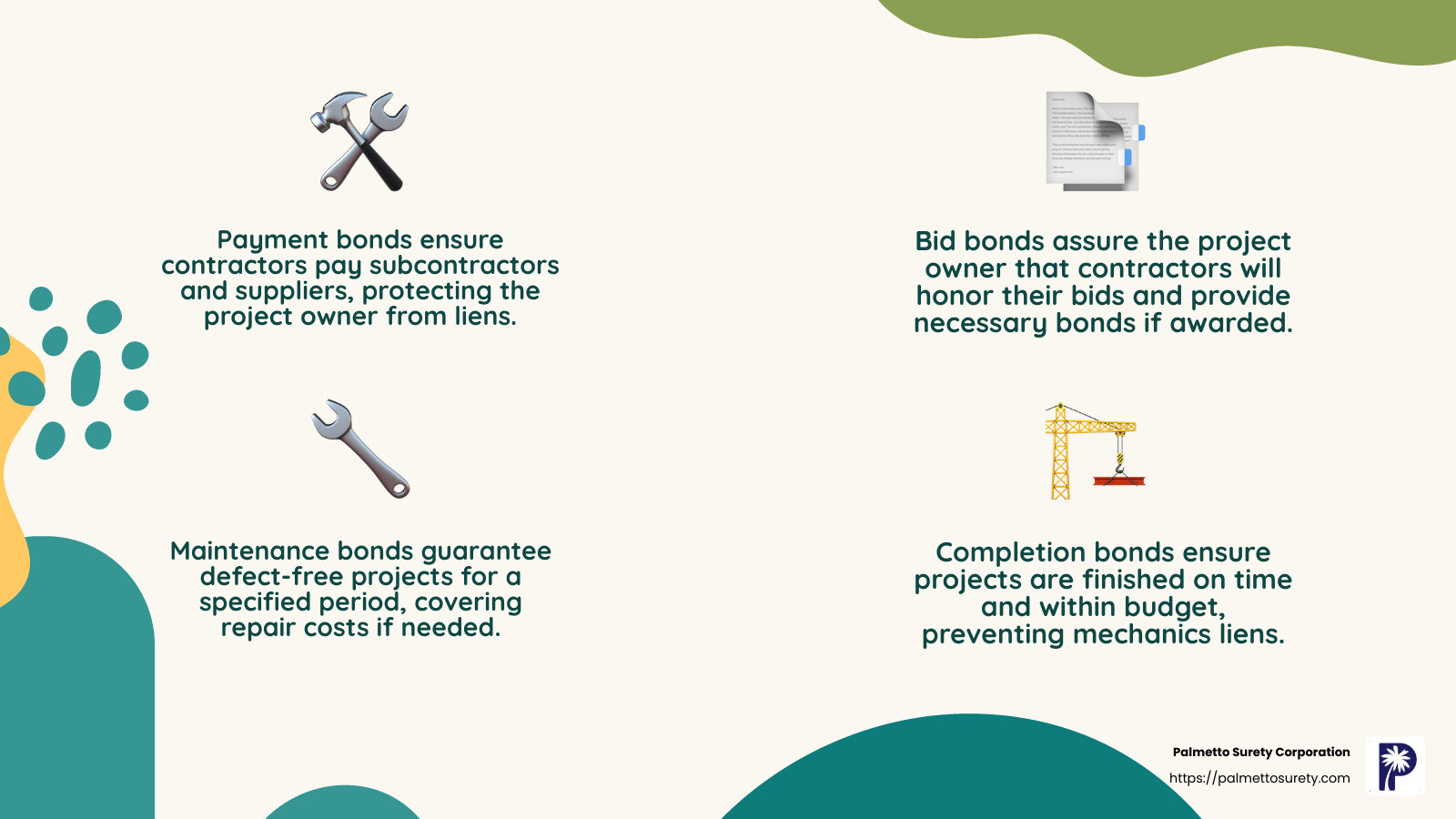
Understanding these different types of construction bonds is crucial for anyone involved in construction projects. They provide financial protection and ensure that projects are completed to the agreed standards.
Why Contractors Need a Bond
Financial Protection
Bonds are essential in construction projects because they provide financial protection for the project owner. If a contractor fails to meet their obligations, the bond ensures that funds are available to complete the project or pay subcontractors and suppliers. This mitigates financial risks and ensures that the project can proceed smoothly.
Breach of Contract
A bond also acts as a safeguard against breach of contract. Construction contracts are complex and breaches can be costly and time-consuming to resolve. Bonds provide a quicker and more efficient solution. If a contractor fails to deliver as promised, the bond can be used to cover the costs of hiring another contractor to finish the job. This ensures that the project owner is not left in a difficult financial situation.
Government Projects
Bonds are particularly important for government projects. Federal, state, and local governments often require contractors to have bonds before they can bid on projects. This is mandated by laws such as the Federal Miller Act, which requires performance and payment bonds for federal construction projects over $100,000. These bonds ensure that taxpayers’ money is used responsibly and that the project will be completed to the required standards.
Private Projects
While bonds are more common in government projects, they are also used in private projects. Private project owners may require bonds to protect their investment and ensure that the contractor will fulfill their obligations. Bonds provide an additional layer of security, making it easier for project owners to trust that the contractor will complete the project as agreed.
In summary, getting bonded for construction is crucial for protecting financial interests, ensuring contract fulfillment, and meeting legal requirements. Whether it’s a government or private project, bonds provide the necessary assurance that the project will be completed to the required standards.
Getting Bonded for Construction
To qualify for a construction bond, contractors need to demonstrate their capacity, capital, and character. Here’s what that entails:
-
Capacity: This involves showing that your company has the ability to complete the project. It includes your experience, the size and scope of past projects, and your current workload.
-
Capital: Financial health is crucial. You’ll need to provide financial data such as balance sheets, income statements, and cash flow statements. Surety companies want to see that you have the financial resources to handle the project.
-
Character: This is about trustworthiness. Surety companies look at your reputation, job references, and past performance. They want to know that you have a history of completing projects on time and within budget.
The process of getting bonded for construction involves several steps, and working with a surety broker can make it smoother:
-
Application Process: Start by contacting a reputable surety broker. They will guide you through the application process, ensuring you provide all necessary documentation accurately.
-
Risk Assessment: The surety company will conduct a risk assessment. You’ll need to submit financial statements, work-in-progress reports, and organizational structure information. The broker helps ensure your paperwork is accurate and complete.
-
Documentation: Be prepared to provide detailed financial data. This includes audited financial statements, tax returns, and bank statements. The surety will also want to see your current project list and any outstanding obligations.
-
Terms and Conditions: Once the surety company completes its assessment, it will propose terms and conditions. This includes the bond amount, premium, and any specific requirements based on your risk profile.
-
Indemnity Agreement: If you accept the terms, you’ll sign an indemnity agreement. This guarantees that you will reimburse the surety for any losses or expenses incurred due to a claim.
-
Approval and Issuance: After signing the indemnity agreement, the surety company will issue the bond. You can then submit the bond to the project owner, allowing you to proceed with the project.
By understanding and preparing for these steps, contractors can improve their chances of securing bonds and successfully bidding on projects.
Claims Against a Bond
When issues arise on a construction project, a bond claim can protect the project owner or other stakeholders from financial loss. Here’s a breakdown of the claim process, surety investigation, and contractor repayment.
Claim Process
If a contractor fails to complete the work, defaults on the project, or does not make necessary payments, a claim can be filed against the bond. Here’s how the process typically unfolds:
-
Filing a Claim: The protected party (usually the project owner or a subcontractor) submits a claim to the surety company. This claim details the contractor’s failure and the financial loss incurred.
-
Notification: The surety company notifies the contractor (principal) about the claim. This ensures all parties are aware of the situation and can prepare for the next steps.
Surety Investigation
Upon receiving a claim, the surety company undertakes a thorough investigation to verify the claim’s validity:
-
Fact-Finding: The surety contacts both the claimant and the contractor to gather facts, review contracts, and assess the work completed. This helps determine the legitimacy and extent of the claim.
-
Evaluation: The surety evaluates the contractor’s performance and financial status. They look at project documentation, financial records, and any previous claims history.
-
Decision: Based on the investigation, the surety decides whether the claim is valid. If it is, they determine the amount to be paid out to cover the losses.
Contractor Repayment
If the surety pays out on a claim, the contractor is responsible for reimbursing the surety for any losses:
-
Indemnity Agreement: When contractors secure a bond, they sign an indemnity agreement. This legally binds them to repay the surety for any claims paid out on their behalf.
-
Repayment: Contractors must reimburse the surety for the claim amount, including any additional costs incurred during the investigation and settlement process. Failure to do so can lead to legal action and affect future bonding capacity.
-
Financial Impact: A claim against a bond can have significant financial implications for the contractor. It can damage their reputation, affect their creditworthiness, and make it harder to secure bonds for future projects.
Understanding the claims process and the responsibilities involved can help contractors avoid pitfalls and maintain good standing with surety companies.
Next, we’ll address some frequently asked questions about getting bonded for construction, including what it means to be bonded and the different types of bonds required in construction projects.
Frequently Asked Questions about Getting Bonded for Construction
What does it mean to be bonded in construction?
Being bonded in construction means that a contractor has obtained a surety bond. This surety bond is a guarantee from a third party (the surety company) to the project owner (the obligee) that the contractor (the principal) will fulfill their contractual obligations. If the contractor fails to complete the project or meet the contract terms, the surety company steps in to cover the financial loss. This provides financial security and construction assurance to the project owner.
What are the four types of bonds in construction?
In construction, the four main types of bonds are:
-
Bid Bond: Ensures that a contractor who wins the bid will honor the terms of the contract and provide the necessary performance and payment bonds. It protects the project owner from financial loss if the winning bidder fails to proceed with the project.
-
Performance Bond: Guarantees that the contractor will complete the project according to the contract terms. If the contractor defaults, the surety company covers the costs to complete the project, ensuring project completion.
-
Payment Bond: Ensures that the contractor will pay subcontractors, suppliers, and workers. This bond protects against liens and claims for unpaid labor and materials, providing financial security for those involved in the project.
-
Maintenance Bond: Also known as a warranty bond, it guarantees that the contractor will correct any defects or issues that arise after the project is completed within a specified period. This bond ensures that the project remains free of faults and defects post-completion.
What is the purpose of a surety bond?
The purpose of a surety bond in construction is to provide financial security and assurance that the contractor will perform their duties as specified in the contract. Here’s how it benefits different parties:
-
Project Owners: It ensures that the project will be completed on time and to the required standards, protecting them from financial loss due to contractor default.
-
Contractors: It improves their credibility and trustworthiness, making them more attractive to potential clients and enabling them to secure more projects.
-
Subcontractors and Suppliers: It guarantees they will be paid for their services and materials, protecting them from financial risk.
A surety bond acts as a safety net, ensuring that all parties involved in a construction project are protected from potential financial losses due to breaches of contract or incomplete work.
Next, we’ll dive into the application process, including how to qualify for and secure a bond for your construction projects.
Conclusion
In summary, getting bonded for construction is a critical step for any contractor looking to work on public or high-value private projects. Construction bonds, such as bid bonds, performance bonds, and payment bonds, provide essential financial security and assurance that projects will be completed according to contractual terms. They protect project owners from financial loss and ensure that subcontractors and suppliers get paid, fostering trust and reliability in the construction industry.
The importance of bonding cannot be overstated. For contractors, being bonded improves credibility, opens up opportunities for new projects, and builds confidence with clients. For project owners, it offers peace of mind knowing that their investment is protected and that the project will meet the agreed-upon standards.
At Palmetto Surety Corporation, we are dedicated to helping contractors steer the bonding process with ease. Our team of experts provides personalized support to ensure you meet all bonding requirements promptly and efficiently. With our state-of-the-art technology and exceptional customer service, securing your construction bond is hassle-free.
Being bonded is not just about compliance—it’s about building a reputation for reliability and trustworthiness in the construction industry. Whether you’re a seasoned contractor or new to the field, partnering with a reputable surety company like Palmetto Surety Corporation can set you up for long-term success.
Ready to get bonded? Contact us today to discuss your construction bond needs and take the first step towards securing your next project with confidence.


