


Construction Bid Bond: Top 10 Key Insights for 2024
Open uping the Importance of Construction Bid Bonds
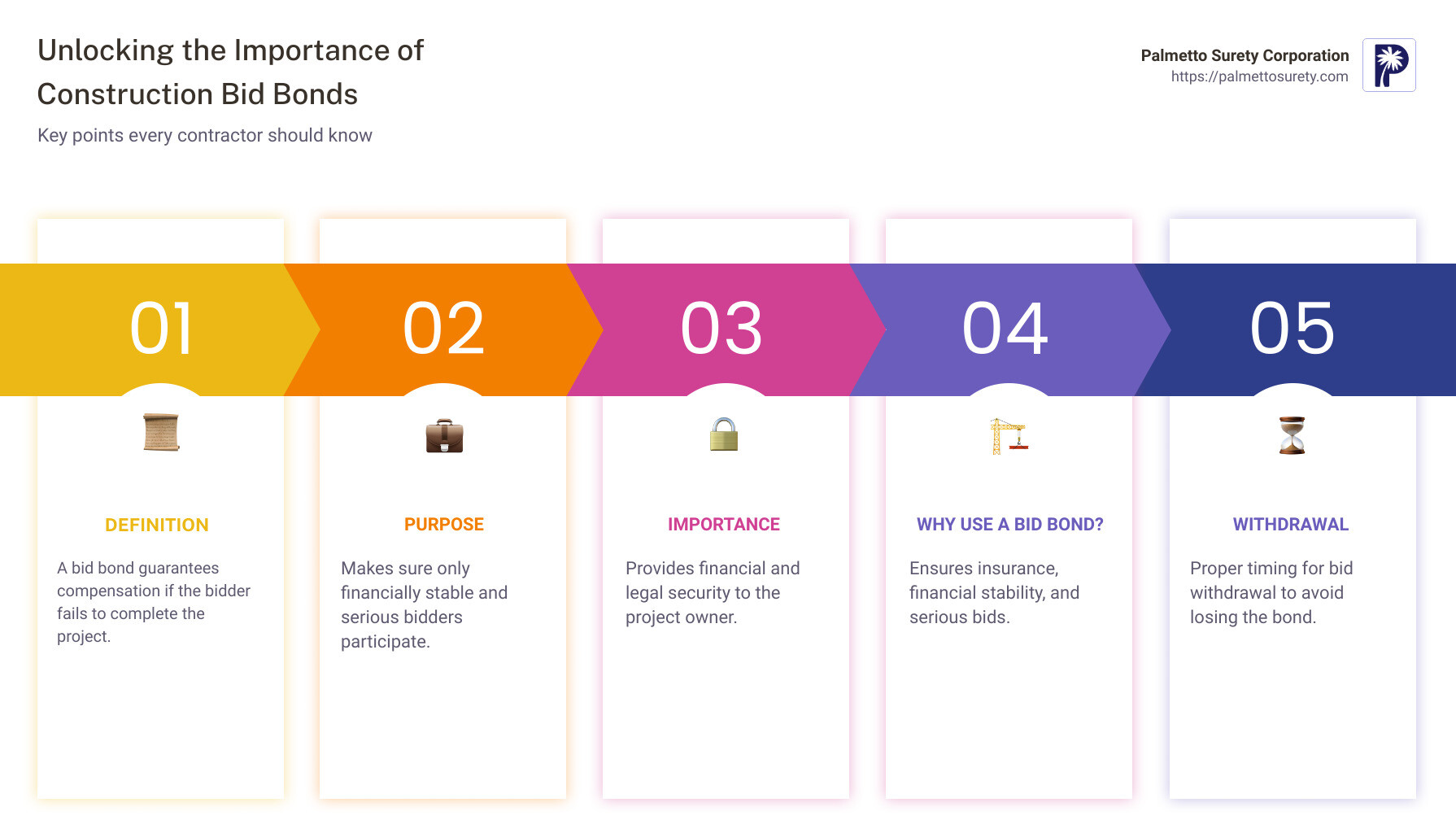
A construction bid bond is essential to any bidding process in construction. It serves as a financial guarantee that the bidder can complete the project if selected. For a quick understanding:
- Definition: A construction bid bond guarantees compensation to the project owner if the chosen bidder fails to start or complete the project.
- Purpose: Ensures that only financially stable and serious bidders participate.
- Importance: Provides financial and legal security to the project owner, eliminating frivolous bids and ensuring project completion.
I’m Haiko de Poel Jr., a veteran in marketing and digital change. I’ve had the privilege of working with leading surety bond companies, steering them towards tremendous growth and efficiency. Let’s dive deeper into the role of construction bid bonds and why they are pivotal in the construction industry.
What Is a Construction Bid Bond?
A construction bid bond is a type of surety bond that ensures contractors fulfill their obligations if they are awarded a project. It’s a legal agreement that provides financial security and assurance to the project owner that the contractor has the financial capability to complete the job at the quoted price.
Key Takeaways
1. Guarantee:
A construction bid bond guarantees that the contractor will enter into the contract and provide the required performance and payment bonds if they win the bid. This bond assures the project owner that the contractor is serious and capable of completing the project.
2. Financial Security:
The bond provides financial security to the project owner by ensuring that, if the contractor fails to start the project, the owner will be compensated. For example, if the winning bidder backs out, the bond can cover the difference between the lowest bid and the next lowest bid.
3. Project Owner Assurance:
Having a bid bond in place gives the project owner confidence that the contractor has the financial stability to take on the project. Without this assurance, owners might face risks such as project delays or non-completion due to the contractor’s financial issues.
4. Legal Agreement:
A bid bond is a legal agreement among three parties: the contractor (principal), the project owner (obligee), and the surety company. This agreement ensures that all parties are legally bound to fulfill their responsibilities.
5. Financial Recourse:
The bid bond provides financial recourse to the project owner if the contractor fails to honor their bid. This means the owner can claim compensation from the surety company, which has guaranteed the contractor’s bid.

6. Surety Companies:
Surety companies are specialized entities that back the bid bonds. They conduct thorough financial and background checks on contractors before issuing the bond. This process ensures that only financially sound and capable contractors are considered for the project.
Example Case Study
Consider a scenario where a contractor places a bid of $250,000 for a school roofing project. The project owner requires a bid bond of 20%, which amounts to $50,000. If the contractor wins the bid but fails to start the project, the surety company will compensate the project owner up to the bond amount, covering any financial loss incurred.
In the next section, we will explore how construction bid bonds work, including the bid process, contractor obligations, and the surety evaluation process. Stay tuned to understand the intricate workings of these essential bonds.
How Construction Bid Bonds Work
Construction bid bonds play a crucial role in ensuring that construction projects proceed smoothly and without financial hiccups. Here’s how they work, including the key parties involved and the requirements for obtaining them.
Parties Involved
There are three main parties in a construction bid bond:
- Principal: This is the contractor who purchases the bond. The principal is responsible for fulfilling the contract if their bid is accepted.
- Obligee: This is the project owner who requires the bond. The obligee is protected by the bond and can file a claim if the contractor fails to meet the contract terms.
- Surety: This is the company that issues the bond. The surety guarantees that the principal will perform the contract and compensates the obligee if the principal defaults.
Requirements for Bid Bonds
Bid Process
To understand how bid bonds work, know the bid process. When a contractor wants to bid on a project, they submit a bid along with a bid bond. This bond assures the project owner that the contractor can complete the project for the bid amount. If the contractor backs out after winning the bid, the bond covers the financial difference.
Contractor Obligations
Contractors must meet several obligations to secure a bid bond:
- Financial Stability: Contractors need to demonstrate that they have the financial resources to complete the project.
- Experience: Contractors must show a history of successfully completing similar projects.
- Accuracy: Contractors must submit accurate bids to avoid financial discrepancies.
Surety Evaluation
Before issuing a bid bond, the surety company evaluates the contractor’s ability to complete the project. This evaluation includes:
- Financial Statements: The surety reviews the contractor’s financial history.
- Current Projects: The surety examines the contractor’s ongoing projects to ensure they can handle additional work.
- Credit Score: A good credit score can make it easier to obtain a bid bond.

Percentage
The amount of the bid bond is usually a percentage of the total bid. This percentage varies but is typically between 5% and 20%. For example, on federal projects under the Miller Act, bid bonds can be 5%, 10%, or 20% of the bid’s value.
Federal Projects
Federal projects have specific requirements for bid bonds due to the Miller Act. This act mandates that contractors on federal projects must post bid bonds, along with performance and payment bonds, to ensure project completion and payment to subcontractors and suppliers.
Cost Factors
The cost of a bid bond depends on several factors, including:
- Project Size: Larger projects usually require higher bid bond amounts.
- Contractor’s Financial Health: Contractors with strong financials may get lower rates.
- Surety’s Risk Assessment: The surety’s evaluation of the contractor’s ability to complete the project influences the bond’s cost.
In the next section, we will dig into the different types of construction bonds, including bid bonds, performance bonds, and payment bonds. This will help you understand the full spectrum of bonds involved in construction projects.
Types of Construction Bonds
Bid Bonds vs. Performance Bonds
In construction, there are three main types of bonds: bid bonds, performance bonds, and payment bonds. Each serves a different purpose during the project lifecycle, providing various forms of financial protection.
Bid Bonds
Bid bonds are used during the bidding process. They act as a guarantee that the contractor will honor their bid and, if awarded the contract, will obtain the necessary performance and payment bonds. Essentially, a bid bond assures the project owner that the contractor is serious and financially capable.
For example, on federal projects, the Miller Act mandates that contractors provide bid bonds, typically valued at 5-10% of the bid amount. This legal framework ensures that only qualified contractors participate in the bidding process.
Performance Bonds
Once a contractor wins a bid, the bid bond is replaced by a performance bond. This bond guarantees that the contractor will complete the project according to the terms of the contract. If the contractor fails to meet their obligations, the performance bond provides financial recourse to the project owner.
Imagine a scenario where a contractor abandons a project halfway through. With a performance bond in place, the project owner can claim against the bond to cover the costs of hiring another contractor to finish the job.
Payment Bonds
Payment bonds, also known as labor and material payment bonds, ensure that the contractor will pay their subcontractors, laborers, and suppliers. This bond is crucial because it protects against mechanics’ liens, which can arise if payments are not made.
For instance, if a contractor becomes insolvent and cannot pay their workers, a payment bond ensures that those workers will still receive their due compensation.
Bidding Process and Financial Protection
During the bidding process, bid bonds play a critical role in ensuring that only serious and financially stable contractors participate. This helps maintain a fair and competitive bidding environment. Once the bid is won, performance and payment bonds provide ongoing financial protection, ensuring the project is completed as agreed and all parties are paid.
In summary, understanding the different types of construction bonds—bid bonds, performance bonds, and payment bonds—is essential for anyone involved in construction projects. These bonds not only ensure project completion but also provide financial security for all parties involved.
How to Obtain a Construction Bid Bond
Cost of Bid Bonds
The cost of a construction bid bond is typically very low. Most surety providers charge a flat fee, often around $100 per construction contract. This fee is for the bid bond itself and does not include the cost of the subsequent performance bond, which is usually required if you win the bid.
Performance bonds generally cost more, ranging between 1.5% to 3% of the total contract amount. For example, if your contract is worth $500,000, the performance bond could cost you between $7,500 and $15,000. Additional fees may apply depending on the specific project requirements.
Steps to Secure a Bid Bond
1. Prepare Your Financial Credentials
Before you apply for a bid bond, gather your financial documents. These should include your credit history, financial statements, and any previous bonding experience. Sureties evaluate these credentials to assess your financial stability and ability to complete the project.
2. Check the Bid Packet
The bid packet you receive from the project owner will often include a specific form required for the bid bond. If it doesn’t, your surety provider will use a standard application form. The packet will also outline the bid amount and bid date, which are crucial details for the application.
3. Submit a Standard Application
If no specific form is provided, use a standard bid bond application. This will ask for:
- The bid amount
- The bid date
- Your company’s existence duration
- Your credit score
- Previous bonding experience
For bids above $250,000, you may need to provide additional financial credentials, such as CPA-prepared financial statements.
4. Choose a Surety Provider
Work with a reputable surety provider to submit your application. Establishing a relationship with a surety can expedite future applications. Providers like Palmetto Surety Corporation offer fast and efficient service, ensuring you get your bond quickly.
5. Review and Approval
The surety will review your application, focusing on your ability to complete the project. They will look at your financial statements, credit history, and industry experience. If approved, you’ll receive a quote within one business day.
6. Pay the Invoice
Once your application is approved, pay the invoice for the bid bond. After payment, the surety will issue a digital copy of the bond instantly. If you need a physical copy, you can opt for next-day shipping.
7. Secure the Performance Bond
If you win the bid, you will need a performance bond to start the project. This bond guarantees your commitment to completing the project as per the contract terms.
By following these steps, you can secure a construction bid bond efficiently, ensuring you are well-prepared to participate in the bidding process.
Benefits of Construction Bid Bonds
Why Use a Bid Bond?
Construction bid bonds provide numerous benefits that make them essential for both contractors and project owners.
Contractor Insurance: A bid bond ensures that the contractor is backed by a surety company. If the contractor fails to begin the project, the surety company compensates the project owner. This gives owners confidence that they won’t suffer financial losses if a contractor backs out.
Price Security: Bid bonds protect project owners from financial risks. If the selected contractor withdraws, the owner can file a claim to recover the difference between the lowest and second-lowest bids. This helps maintain budget integrity and prevents unexpected cost increases.
Project Owner Confidence: With a bid bond, project owners can be assured that the contractor is serious and financially stable enough to complete the project. This reduces the risk of selecting a contractor who might abandon the project midway due to cash flow issues.
Financial Stability: Bid bonds demonstrate a contractor’s financial health. Surety companies conduct thorough financial checks before issuing a bond, ensuring that only financially stable contractors can participate in the bidding process.
Serious Bids: Bid bonds deter frivolous bids. Contractors must provide a bond along with their proposal, which means only serious, committed contractors will participate. This saves project owners time and effort in evaluating bids.
How to Withdraw a Bid Without Losing the Bond
Withdrawing a bid can have serious consequences, but it is sometimes necessary. Here’s what you need to know:
Bid Withdrawal Timing: Contractors can only withdraw their bid without losing the bid bond if they do so before the project owner opens the bid. Once the bid is opened, the bond is at risk.
Consequences of Late Withdrawal: If a contractor withdraws their bid after it has been opened and the contract awarded, they will automatically lose the bid bond. This means the surety company will compensate the project owner, and the contractor will be liable for the bond amount.
Avoiding Penalties: To avoid losing the bid bond, contractors should double-check their bids for accuracy before submission. If an error is found after submission but before the bid opening, contact the project owner immediately. While not typical, some project owners may allow the bid to be edited without penalty.
By understanding these benefits and procedures, contractors can use construction bid bonds to their advantage, ensuring a smooth and secure bidding process.
Legal Framework: The Miller Act
Miller Act Requirements
The Miller Act, passed by Congress in 1935, sets the legal framework for federal construction projects. It ensures that contractors working on federal projects provide adequate financial protection. Here’s what you need to know about the Miller Act requirements:
Federal Projects
The Miller Act applies exclusively to federal construction projects. This means any contractor bidding on a project funded by the federal government must comply with the act’s provisions.
Performance Bond
A performance bond is mandatory for federal projects exceeding $100,000. This bond guarantees that the contractor will complete the project according to the agreed-upon terms. If the contractor fails to meet these obligations, the performance bond provides financial recourse for the project owner.
Payment Bond
A payment bond is also required for federal projects over $100,000. This bond ensures that all suppliers, laborers, and subcontractors are paid. It covers the total value of the project and must be at least equal to the amount of the performance bond.
Contractor Obligations
Under the Miller Act, contractors must:
– Purchase a performance bond to protect the federal government.
– Purchase a payment bond to cover all labor, materials, and subcontractors.
– Ensure that all subcontractors and second-tier suppliers are covered under the payment bond.
Bond Amounts
The payment bond must be equal to the total value of the project, ensuring comprehensive coverage. This is crucial as it guarantees that everyone involved in the project gets paid, reducing the risk of financial disputes.
Subcontractor Coverage
The Miller Act explicitly states that all subcontractors and second-tier suppliers (those hired by subcontractors) must be covered by the payment bond. This ensures a wide safety net for everyone contributing to the project, from major suppliers to smaller subcontractors.
By adhering to these requirements, contractors can successfully bid on federal projects and ensure they meet all legal obligations under the Miller Act. This not only protects the federal government but also provides security for all parties involved in the project.
Frequently Asked Questions about Construction Bid Bonds
What Is a Contract Bid?
A contract bid is a proposal submitted by a contractor to a project owner, detailing the price and terms under which they will complete the construction project. Think of it as a formal offer. It includes the cost estimates, project timeline, and scope of work.
Contract bids are essential in the construction industry as they help project owners compare different contractors and select the best fit for their project. The bid must be competitive and accurate to win the job and avoid potential issues down the line.
Can You Get a Bid Bond with Poor Credit?
Yes, it is possible to get a bid bond with poor credit, but it may come with higher costs. Surety companies evaluate a contractor’s credit history to assess the risk involved. If your credit is less than stellar, the surety may see you as a higher risk, which can increase the bond’s cost.
For example, while a contractor with good credit might pay a lower fee, someone with poor credit might face a higher premium. Despite this, obtaining a bid bond with poor credit is still feasible, especially if you have strong industry experience and a solid financial background.
Are Bid Bonds Returned?
Yes, bid bonds are refundable under certain conditions. If the contractor wins the bid and successfully completes the project according to the contract terms, the bond amount will be returned. Additionally, if the contractor does not win the bid, the bond is also returned.
However, if the contractor wins the bid but fails to deliver on the contract, the project owner can file a claim against the bond. In this case, the bond amount may be used to cover the difference between the winning bid and the next lowest bid or other costs incurred by the project owner.
Key Points:
– Proposal: The formal offer outlining the project’s cost and scope.
– Credit Impact: Poor credit can increase the cost of obtaining a bid bond.
– Bond Return: Bonds are refundable if the bid is not won or the project is completed as agreed.
By understanding these aspects of construction bid bonds, contractors can better steer the bidding process and improve their chances of securing projects while managing financial risks effectively.
Conclusion
At Palmetto Surety Corporation, we understand that navigating the complexities of construction bid bonds can be challenging. That’s why we strive to make the process as seamless and efficient as possible.
Our experienced team is dedicated to providing quick approvals and efficient service to help contractors secure the bonds they need without unnecessary delays. Whether you’re dealing with federal projects requiring compliance with the Miller Act or private-sector jobs, we have the expertise to guide you through.
By partnering with us, you’ll benefit from our state-of-the-art underwriting platform, which significantly reduces the time it takes to obtain surety bonds. This allows you to focus on what you do best—completing projects on time and within budget.
Ready to get started? Learn more about how we can assist you with your construction bid bond needs and ensure your projects are backed by the financial security you require.


