


Examples of Surety Bond Claims: Top 5 Crucial Insights
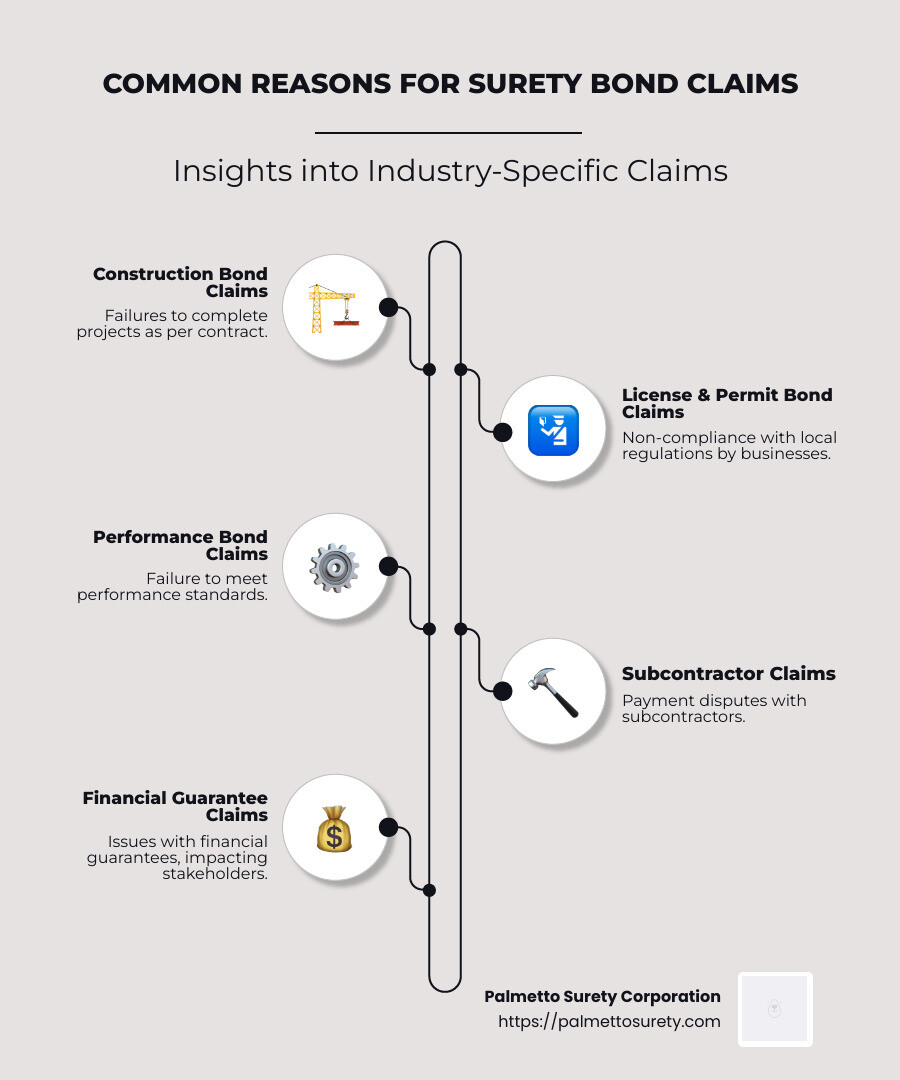
Examples of surety bond claims often arise in industries like construction, manufacturing, and transportation, where financial risks and contract defaults may occur. These claims can be triggered by issues such as missed deadlines, failure to meet performance standards, or neglecting legal obligations. Here are some common examples of surety bond claims:
- Construction Bond Claims: Claims often arise when contractors fail to complete projects as per the contract.
- License and Permit Bond Claims: These may occur if businesses, like auto dealers, don’t comply with local regulations.
Surety bonds act as a safety net, protecting the interests of everyone involved while minimizing financial risks associated with business operations. Understanding the examples of surety bond claims is crucial for businesses to ensure compliance and avoid potential defaults.
As Haiko de Poel Jr, my experience in branding and innovation has offered me unique insights into surety bonds, notably through projects focusing on marketing strategies in fast-growing companies. The insights gained from handling examples of surety bond claims are invaluable for helping businesses steer legal complexities and maintain trust with stakeholders.
Explore more about examples of surety bond claims:
– bondability letter
– claim letter
Understanding Surety Bonds
Surety bonds might sound complex, but they’re actually quite straightforward once you break them down. At their core, surety bonds are a three-party agreement designed to ensure everyone plays by the rules. Let’s explore who these three parties are and what each one does.
The Three Parties Involved
-
Principal: This is the party that needs the surety bond. Think of them as the player who promises to follow the rules. In a construction project, the principal would be the contractor. They are responsible for fulfilling the obligations set out in the bond.
-
Obligee: The obligee is the party that requires the bond. They are like the referee, ensuring the principal sticks to their promises. Often, the obligee is a government agency or a project owner who wants assurance that the principal will complete the project as agreed.
-
Surety: The surety is the safety net. This is typically an insurance company or a specialized surety company, like Palmetto Surety Corporation. The surety guarantees that the principal will meet their obligations. If the principal fails, the surety steps in to ensure the obligee doesn’t suffer financially.

How Surety Bonds Work
When a principal needs a bond, they approach a surety company. The surety evaluates the principal’s ability to fulfill their obligations. If approved, the bond is issued, and the principal is now backed by the surety’s guarantee.
If the principal defaults on their obligations, the obligee can file a claim against the bond. The surety then investigates the claim. If it’s valid, the surety compensates the obligee. However, the principal must reimburse the surety for any payouts, making surety bonds more like a line of credit than traditional insurance.
Why Surety Bonds Matter
Surety bonds provide a layer of trust and assurance in business transactions. They protect the obligee from financial loss and ensure that the principal is held accountable for their commitments. This system helps maintain integrity and reliability in industries where large sums of money and critical projects are at stake.
By understanding the roles of the principal, obligee, and surety, businesses can better steer the complexities of surety bonds and ensure successful project outcomes.
Examples of Surety Bond Claims
Surety bond claims can arise in various situations, but they are most common in construction projects. Let’s explore some examples of surety bond claims to see how they work and why they are important.
Construction Projects
In the construction industry, surety bonds are essential. They ensure that projects are completed as agreed. When a contractor (the principal) fails to meet their obligations, a claim can be made. This might happen if the contractor abandons the project or delivers substandard work.
Example: A contractor was hired to build a new school but failed to complete the project on time. The school district (the obligee) filed a claim on the performance bond. The surety company then stepped in to either complete the project or compensate the school district for their financial loss.
Subcontractor Claims
Subcontractors often rely on payment bonds to ensure they get paid for their work. If a general contractor doesn’t pay a subcontractor, the subcontractor can file a claim on the bond.
Example: A subcontractor supplied materials for a highway project but wasn’t paid by the main contractor. The subcontractor filed a claim on the payment bond. The surety company investigated and, upon validating the claim, paid the subcontractor, ensuring they weren’t left out of pocket.
Financial Guarantee
Surety bonds also act as a financial guarantee in many industries. They assure the obligee that the principal will fulfill their financial commitments.
Example: An auto dealer was required to have a bond to operate legally. When the dealer failed to pay sales taxes, a claim was filed against the bond. The surety covered the taxes, protecting the state from financial loss.
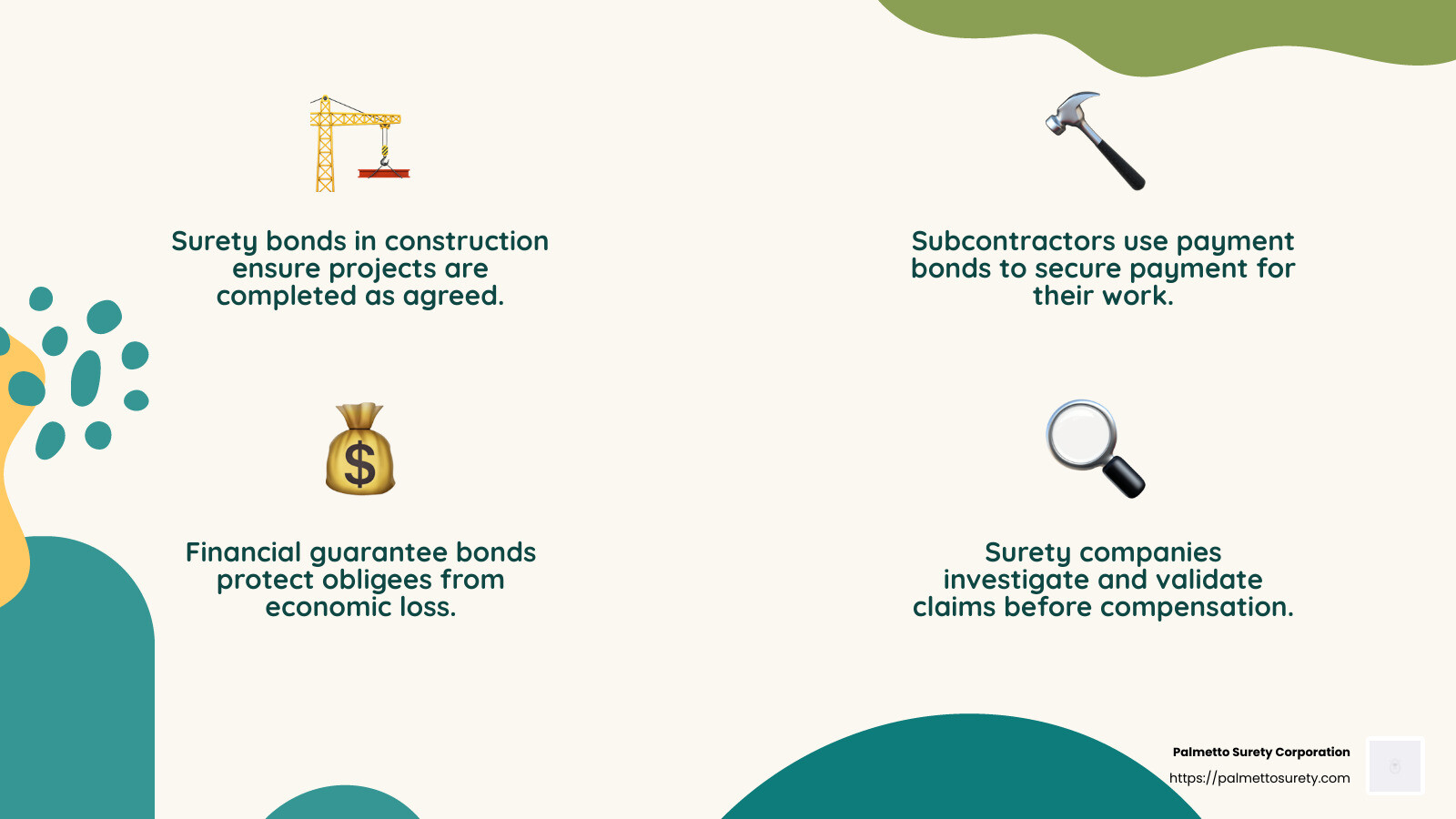
These examples highlight how surety bonds function as a safety net, ensuring accountability and financial protection in various scenarios. Understanding these claims helps businesses and stakeholders steer their obligations and protect their interests.
How to Handle a Surety Bond Claim
Handling a surety bond claim involves a structured process that focuses on investigation, communication, and documentation. Let’s break down each step to ensure you manage claims effectively.
Investigation Process
When a claim is filed, the surety company begins an investigation to determine its validity. This is crucial because the surety acts as a neutral party. It reviews all aspects of the claim, including the contract terms and the principal’s obligations.
-
Initial Acknowledgment: The surety acknowledges the receipt of the claim and informs all parties involved.
-
Gathering Evidence: Both the claimant and the principal provide evidence. This includes contracts, emails, invoices, and any other relevant documentation.
-
Decision: After reviewing the evidence, the surety decides if the claim is valid. If valid, the surety will outline the steps for resolution.
Communication
Open and clear communication is vital throughout the claims process. Keeping all parties informed can prevent misunderstandings and foster trust.
-
With the Surety: Principals should maintain regular contact with the surety. Share your side of the story early and provide any necessary documents.
-
With the Claimant: Sometimes, direct communication with the claimant can resolve issues before escalating to a claim. Discussing the problem might lead to a mutual agreement.
Documentation
Proper documentation is your best defense in a bond claim. It helps prove that you met your obligations and can be crucial if the claim is disputed.
-
Maintain Records: Keep detailed records of all project-related documents. This includes contracts, change orders, payment records, and communication logs.
-
Prepare Documentation: If a claim arises, organize your documents to present a clear narrative. This will help the surety understand your position and assess the claim accurately.
Handling a surety bond claim efficiently can protect your business from unnecessary financial loss and maintain your reputation. By understanding the investigation process, prioritizing communication, and ensuring thorough documentation, you can steer claims with confidence.

Protecting Your Business from Bond Claims
Avoiding bond claims is crucial for keeping your business financially sound and reputable. Here’s how you can protect your business effectively:
Fulfilling Obligations
The simplest way to prevent a bond claim is by fulfilling the obligations set by your bond. This means:
-
Understanding Requirements: Know the rules, regulations, and terms of your bond inside and out. Ignorance is not an excuse when it comes to compliance.
-
Consistent Performance: Deliver work that meets the quality and timelines agreed upon in your contract. This ensures that you’re always in line with what the bond guarantees.
Proactive Approach
Being proactive can save you a lot of trouble down the line.
-
Early Notification: If you suspect that you might not meet a bond’s terms, inform your surety company immediately. This proactive step can help in finding solutions before a claim is filed.
-
Negotiation: Some bonds require parties to meet and negotiate before a claim is filed. Even if not required, try to resolve issues through discussion to avoid formal claims.
Meticulous Records
Keeping detailed records is vital. Here’s why:
-
Documentation as Defense: In the event of a claim, your records will be your strongest defense. Contracts, communications, and transaction logs can demonstrate that you fulfilled your obligations.
-
Organized Information: Have a system in place to organize all documents related to your projects. This can include emails, invoices, change orders, and more.
By focusing on fulfilling obligations, taking a proactive approach, and maintaining meticulous records, you can significantly reduce the risk of bond claims. This not only protects your finances but also preserves your business’s reputation.
Frequently Asked Questions about Surety Bond Claims
What is a surety bond claim?
A surety bond claim arises when the obligee believes the principal has not met the terms of the bond agreement. Essentially, it’s a formal complaint stating that the principal failed to fulfill their obligations. This can happen in various scenarios, such as a contractor not completing a construction project or a business failing to adhere to regulatory requirements.
The claim process involves the surety company investigating the complaint to determine its validity. If the claim is valid, the surety may cover the financial loss up to the bond’s penal sum. The principal is then required to reimburse the surety for any payouts made.
How can a principal dispute a bond claim?
Disputing a bond claim requires clear communication and solid evidence. Here’s how a principal can effectively dispute a claim:
-
Explain the Dispute: Clearly articulate why you believe the claim is invalid. This could involve misunderstandings about the contract terms or incorrect allegations about your performance.
-
Provide Supporting Documentation: Gather all relevant documents that support your case. This might include contracts, emails, receipts, and any records showing that you met your obligations.
-
Engage with the Surety: Maintain open lines of communication with your surety. They are a neutral party in this process and will consider all evidence before making a decision.
By presenting a well-documented dispute and cooperating with the surety’s investigation, you can increase your chances of resolving the claim in your favor.
What happens if a claim is valid?
If a claim is determined to be valid, several steps follow:
-
Surety Obligations: The surety will fulfill its obligation by compensating the obligee for the loss. This ensures the obligee is not financially harmed by the principal’s failure to meet the bond terms.
-
Reimbursement: After settling the claim, the principal must reimburse the surety for the amount paid out. This could include additional costs, such as attorney fees, if covered by the bond.
Understanding these aspects of the surety bond claim process helps principals steer potential claims more effectively. By being prepared and knowledgeable, you can handle claims with confidence and protect your business from unnecessary financial loss.
Conclusion
At Palmetto Surety Corporation, we understand that navigating surety bonds can be complex. That’s why we are committed to providing quick service and leveraging our industry expertise to support your business needs. With over 20 years of experience, we specialize in offering a wide range of surety bonds custom to industries like construction, manufacturing, transportation, and healthcare.
Our efficient approval process means most applications are approved within hours, ensuring you can focus on what you do best. Whether you’re dealing with a potential bond claim or just starting out, our team is here to guide you every step of the way.
By choosing Palmetto Surety Corporation, you’re not just getting a bond—you’re gaining a partner dedicated to helping you succeed. For more information on how we can assist with your surety bond needs, visit our service page today.
We look forward to being part of your journey.


