


Claim Letter Mastery: 7 Expert Tips for Success 2025
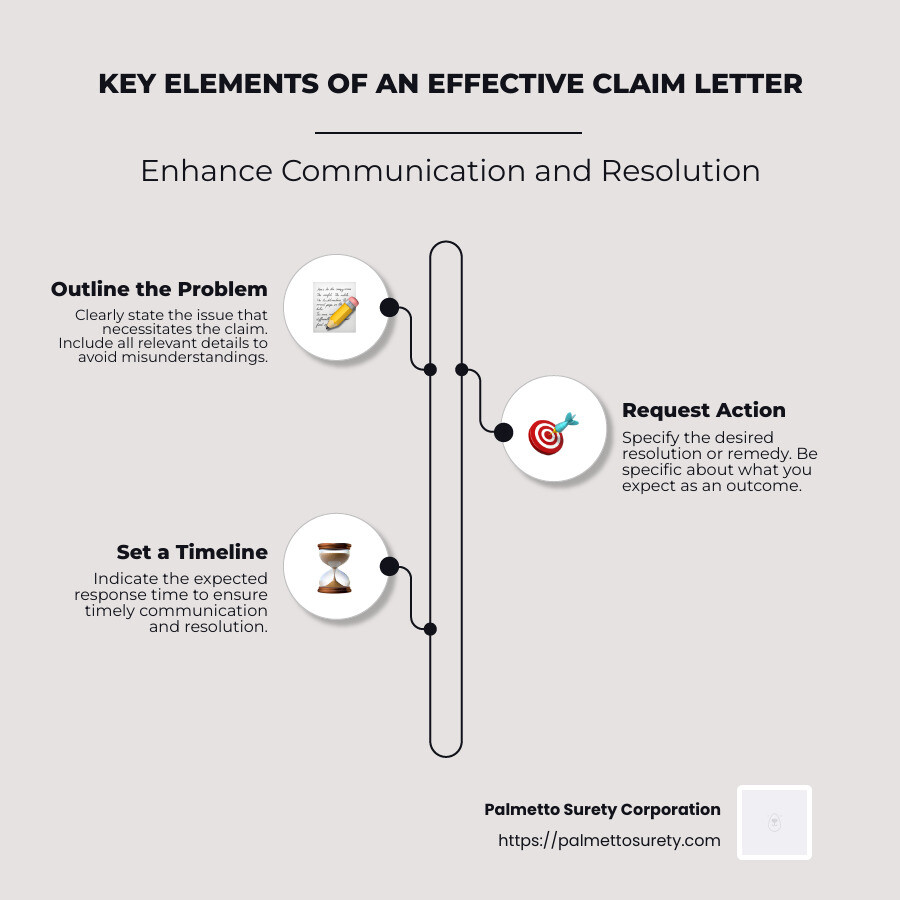
A claim letter is a vital communication tool in business and insurance, used to formally address issues such as insurance claims, damaged goods, or payment claims. These letters typically serve three main purposes:
- Outline the Problem: Clearly state the issue that necessitates the claim.
- Request Action: Specify the desired resolution or remedy.
- Set a Timeline: Indicate the expected response time.
Effective claim communication fosters trust by setting clear expectations, maintaining transparency, and ensuring that all parties are aligned. Additionally, well-crafted claim letters can prevent misunderstandings and lay the groundwork for smoother resolution processes.
My name is Haiko de Poel Jr, and I have experience in marketing and communication strategies, particularly in industries like surety bonds. I understand the crucial role that communication tools like a claim letter play in maintaining professional relationships and ensuring obligations are met efficiently. Let’s dive further into the art and craft of creating impactful claim letters.
Understanding Claim Letters
A claim letter is a formal document used to request compensation or resolution for an issue. It’s a crucial part of business and insurance communication, often acting as the first step in resolving disputes.
Definition
At its core, a claim letter is a written request for compensation or rectification due to unsatisfactory service, defective products, or unmet contractual obligations. It is typically sent to a company or service provider by a consumer or another business entity.
Purpose
The primary purpose of a claim letter is to communicate a grievance and seek a specific remedy. This could involve requesting a refund, replacement, or repair of a product, or compensation for a service that did not meet expectations.
Claim letters are also used to document the issue formally, which can be important for legal or insurance purposes. They help establish a record of communication and can be referenced in future interactions or disputes.
Types of Claim Letters
-
Insurance Claim Letters: These are used to request compensation from an insurance provider for damages or losses covered under a policy. They must include detailed descriptions of the incident and any supporting documents or evidence.

-
Product Claim Letters: Sent to manufacturers or retailers, these letters address issues with defective or damaged goods. They often request a refund, replacement, or repair.
-
Service Claim Letters: When a service does not meet the agreed-upon standards or results in a loss, a service claim letter is used to request remediation.
-
Payment Claim Letters: These are sent when a payment is overdue, requesting the debtor to settle the amount owed.
Each type of claim letter must be clear, concise, and supported by relevant documentation to be effective. By understanding these elements, businesses and consumers can better steer the process of filing a claim and achieving a satisfactory resolution.

Key Elements of a Claim Letter
Writing an effective claim letter requires careful attention to detail. Here’s what you need to include for a successful outcome:
Contact Information
Start with your contact information at the top of the letter. This includes your name, address, phone number, and email. If you are writing on behalf of a business, include the company’s name and your position.
Example:
[Your Name]

[Your Address]

[City, State, ZIP Code]

[Your Phone Number]

[Your Email Address]
Below your details, add the recipient’s contact information. Make sure this is accurate to ensure your letter reaches the right person.
Facts of the Case
Clearly outline the facts of the case. This is where you explain what happened, when it happened, and how it affected you. Be specific and stick to the facts. Avoid emotions or opinions that could detract from the main issue.
Example:
- Product: ABC Widget
- Order Date: January 5, 2023
- Issue: Received damaged item on January 10, 2023
This section is crucial as it forms the basis of your claim. Providing a clear timeline and details will help the recipient understand the situation better.
Demand
State what you are seeking as a resolution. This could be a refund, replacement, repair, or compensation. Be clear and reasonable in your demands. If you have a preferred outcome, mention it.
Example:
“I am requesting a replacement of the damaged ABC Widget or a full refund of $50.”
Response Deadline
Include a deadline for when you expect a response. This creates a sense of urgency and encourages the recipient to act promptly. A typical timeframe is 14 to 30 days from the date of the letter.
Example:
“Please respond by February 15, 2023, to ensure a timely resolution.”
By including these key elements, your claim letter will be clear, professional, and effective. This structured approach not only helps in communicating your issue but also increases the likelihood of a favorable outcome.
How to Write an Effective Claim Letter
Crafting an effective claim letter involves a few critical components to ensure that your message is clear and actionable. Here’s a step-by-step guide:
Acknowledgement
Start by acknowledging the recipient or the company. This shows respect and sets a positive tone for your letter. It’s important to mention any previous communication or reference numbers if applicable.
Example:
“We appreciate your prompt attention to our previous correspondence regarding the damaged shipment.”
Process Overview
Provide a brief overview of the process you expect to unfold. This includes mentioning the steps you have taken so far and what you anticipate will happen next. This sets clear expectations and helps the recipient understand what needs to be done.
Example:
“After reviewing the attached photographs of the damaged product and the receipt from January 10, 2023, we hope you will initiate the replacement process. We expect this to be resolved within the standard 14-day period.”
Assurance
Offer assurance that you are willing to cooperate and provide any additional information needed. This demonstrates your commitment to resolving the issue and encourages a collaborative approach.
Example:
“Please let us know if you require any further documentation or information. We are eager to assist in resolving this matter efficiently.”
By including these elements, your claim letter will be comprehensive and effective. This approach not only clarifies your position but also helps build a cooperative relationship with the recipient.
Sample Claim Letter Templates
Writing a claim letter can be daunting, especially if you’re unsure where to start. To make it easier, we’ve put together some sample templates for different types of claims. Whether you’re dealing with an insurance claim, damaged goods, or a payment claim, these templates can guide you through the process.
Insurance Claim
When filing an insurance claim, it’s crucial to be precise and detailed. This type of claim letter should include all necessary information to help the insurance company process your claim quickly.
Template:
[Your Name]
[Your Address]
[City, State, ZIP Code]
[Email Address]
[Phone Number]
[Date]
[Insurance Company Name]
[Company Address]
[City, State, ZIP Code]
Subject: Insurance Claim for [Type of Incident]
Dear [Claims Adjuster’s Name],
I am writing to file a claim for [type of incident] that occurred on [date]. Enclosed are the necessary documents, including the accident report, photographs, and medical bills, to support my claim.
Please review the attached information and let me know if further details are required. I look forward to your prompt response.
Sincerely,
[Your Name]
Enclosures: Accident report, photographs, medical bills
Damaged Goods
If you receive a damaged product, a claim letter can help you request a refund or replacement. Be sure to include details about the purchase and the damage incurred.
Template:
[Your Name]
[Your Address]
[City, State, ZIP Code]
[Email Address]
[Phone Number]
[Date]
[Vendor’s Name]
[Vendor’s Address]
[City, State, ZIP Code]
Subject: Claim for Damaged Goods
Dear [Vendor’s Name],
I am writing to report that the [product name] I ordered on [purchase date] arrived damaged on [delivery date]. I have attached photographs of the damage for your reference.
I kindly request a replacement or a full refund for the defective product. Please let me know the next steps to resolve this issue.
Thank you for your attention to this matter.
Sincerely,
[Your Name]
Enclosures: Photographs of damaged product
Payment Claim
For overdue payments, a claim letter can serve as a formal reminder and a request for payment. It’s important to remain professional and polite.
Template:
[Your Name]
[Your Address]
[City, State, ZIP Code]
[Email Address]
[Phone Number]
[Date]
[Client’s Name]
[Client’s Address]
[City, State, ZIP Code]
Subject: Payment Claim for Invoice #[Invoice Number]
Dear [Client’s Name],
I hope this message finds you well. This letter is a formal request for the payment of invoice #[invoice number], dated [invoice date], which remains unpaid.
Please find the invoice attached for your reference. I would appreciate your prompt attention to this matter and request payment by [due date].
Thank you for your cooperation.
Sincerely,
[Your Name]
Enclosures: Invoice #[Invoice Number]
These templates are just starting points. Customize them to fit your specific situation and needs. By following these guidelines, you can create an effective claim letter that communicates your needs clearly and professionally.
Frequently Asked Questions about Claim Letters
What is a Claim Letter?
A claim letter is a formal written request for compensation, replacement, or rectification of a problem. It’s often used when a product is defective, a service isn’t delivered as promised, or an insurance claim needs to be filed. The main purpose is to inform the recipient of the issue and to outline the desired outcome.
Think of it as a structured way to voice your concerns and seek resolution. Whether it’s for damaged goods or an insurance claim, a well-crafted claim letter can pave the way for a satisfactory response.
How do I Write a Notice of Claim Letter?
Writing a notice of claim letter involves a clear presentation of facts and a concise demand for resolution. Here’s a simple guide:
-
Begin with Your Contact Information: Start with your name, address, phone number, and email. This makes it easy for the recipient to reach you.
-
State the Purpose: Clearly explain why you are writing. For example, “I am writing to file a claim for the defective product I received.”
-
Include Relevant Facts: Detail the incident, including dates, locations, and any parties involved. If it’s an accident claim, describe what happened and attach supporting documents like accident reports or photos.
-
Make a Demand: Specify what you want. Are you asking for a refund, repair, or replacement? Be straightforward about your expectations.
-
Set a Response Deadline: Politely request a response by a certain date to ensure timely resolution.
-
Close Professionally: End with a courteous closing, like “Sincerely,” followed by your name.
What Should be Included in a Claim Letter?
An effective claim letter should be comprehensive yet concise. Here’s a checklist of what to include:
- Contact Information: Both yours and the recipient’s.
- Subject Line: A brief subject line that highlights the claim type.
- Incident Description: Explain the issue clearly, using facts and dates.
- Supporting Documents: Attach relevant documents like receipts, photos, or reports.
- Specific Demand: Clearly state what you want from the recipient.
- Response Timeline: Suggest a reasonable time frame for a response.
By ensuring these elements are present, your claim letter will be clear and effective, increasing the chances of a positive outcome.
Conclusion
At Palmetto Surety Corporation, we understand the importance of effective communication, especially when it comes to claim letters. A well-written claim letter not only helps in resolving issues efficiently but also builds trust and satisfaction among our clients.
We pride ourselves on our ability to provide quick and reliable service, ensuring that our clients’ needs are met promptly. Our expertise in commercial surety and bail bonds, combined with our streamlined processes, allows us to approve most applications within hours. This efficiency is crucial in maintaining customer satisfaction and trust.
Our commitment to excellence is reflected in our dedication to supporting our clients throughout the claim process. By offering guidance and assistance, we help ensure that their concerns are addressed effectively. This approach not only resolves issues but also strengthens the relationship between us and our clients.
For more information on how we can assist you with your surety bond needs, please visit Palmetto Surety Corporation.
Your satisfaction is our priority, and we are here to support you every step of the way. Trust Palmetto Surety Corporation to handle your claims with care and professionalism, ensuring a seamless experience that meets your expectations.


