


Do you get your bail money back? 5 Crucial Facts
Do you get your bail money back? The answer varies based on several factors:
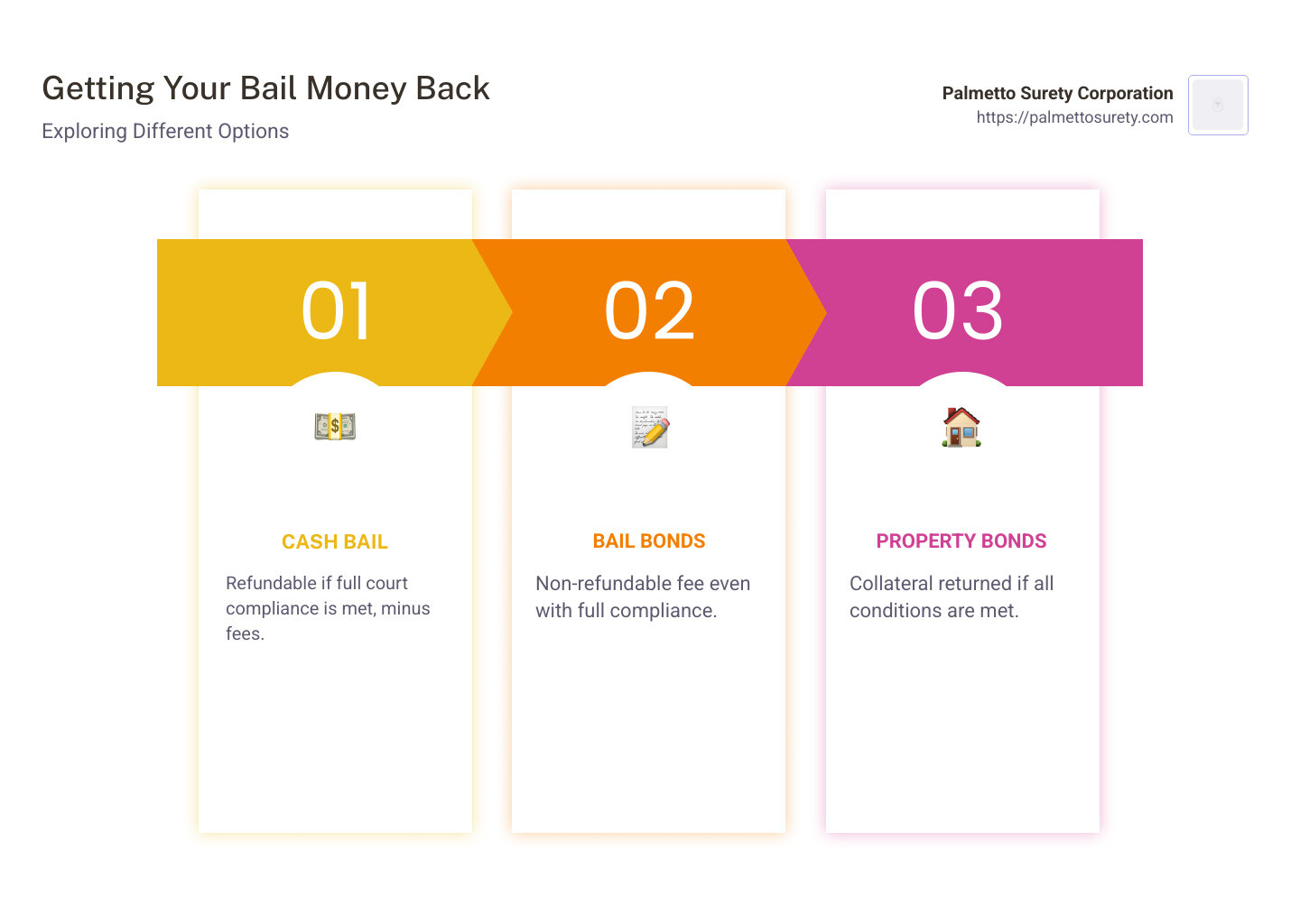
- Cash Bail: If you pay the bail in full and attend all required court dates, you’ll generally receive most of your money back, minus any applicable fees.
- Bail Bonds: The fee paid to a bail bondsman is non-refundable, even if you meet all court obligations.
- Property Bonds: Property used as collateral can be returned, provided all conditions are satisfied.
Understanding the bail process is crucial for navigating the justice system effectively. By learning how bail works, from cash bail to bail bonds and property bonds, you can make informed decisions that save you time and stress. When posting bail for yourself or a loved one, knowing the specifics can help ensure a smooth journey through the often daunting legal system.
My name is Haiko de Poel Jr, and I’ve dedicated my career to simplifying complex processes like understanding whether or not you get your bail money back. As a seasoned marketing expert, I’ve worked closely with companies, like Palmetto Surety Corporation, to bring clarity to intricate topics within the legal industry.
Related content about do you get your bail money back:
– bail bondsperson meaning
– bail enforcement agent
Understanding Bail Money and Bonds
When navigating the legal system, understanding bail money and the types of bonds available is crucial. Here’s a breakdown of the three main types: cash bail, bail bonds, and property bonds.
Cash Bail
Cash bail is straightforward. It’s when a defendant or someone on their behalf pays the full bail amount in cash to the court. This serves as a financial guarantee that the defendant will attend all required court appearances.
Refund Eligibility: If the defendant follows all court orders and shows up for their court dates, the cash bail is generally refunded. However, there might be minor court fees deducted from the total amount. But if the defendant fails to appear in court, the cash bail is forfeited, and you won’t get it back.
Bail Bonds
Bail bonds offer an alternative for those who can’t afford to pay the full bail amount upfront. Instead, a bail bondsman provides a loan, covering the full bail amount in exchange for a fee.

Non-Refundable Fee: This fee is typically around 10% of the total bail amount and is non-refundable, even if the defendant attends all court hearings. It’s essential to understand that while a bail bond can make the process more accessible financially, the fee is the cost of the service provided by the bondsman and is not returned.
Property Bonds
A property bond is another option, where a piece of property is used as collateral instead of cash. The court places a lien on the property, which serves as a guarantee for the defendant’s appearance in court.
Property Return: If the defendant complies with all court requirements, the lien is lifted, and the property is returned to the owner. However, if the defendant fails to meet their obligations, the court can seize the property. This option can be riskier, especially for high bail amounts, but it might be the only feasible choice for some families.
Understanding these options can help you make informed decisions when dealing with bail. Whether you opt for cash bail, bail bonds, or a property bond, knowing the terms and potential outcomes is key to navigating the legal system effectively.
Do You Get Your Bail Money Back?
When dealing with the legal process, a common question is: Do you get your bail money back? The answer depends on several factors, including court compliance, release conditions, and the refund process.
Court Appearance Compliance
Attending all court dates is crucial. When you pay cash bail, you are promising that the defendant will show up for every court appearance. Missing even one can lead to the forfeiture of your bail money. Courts take this seriously, and failing to appear can result in not only losing your bail money but also facing additional legal consequences.
Legal Obligations: It’s essential to understand the legal obligations tied to bail. The defendant must adhere to all court-scheduled appearances and comply with any additional court orders. This compliance ensures that you are eligible for a refund of your cash bail at the end of the case.
Release Conditions
Apart from attending court, the defendant must also comply with any release conditions set by the court. These conditions can vary but often include restrictions like travel limits, regular check-ins with a probation officer, or avoiding contact with certain individuals.
Compliance: Meeting these conditions is just as important as appearing in court. Non-compliance can result in bail forfeiture, meaning you won’t get the bail money back. It’s vital to be fully aware of these terms and ensure that the defendant adheres to them.
Refund Methods
Once the legal process is complete and all obligations have been met, the refund process begins. The method of refund can vary depending on the jurisdiction and the court’s procedures.
Refund Options: Typically, the court will issue a check for the bail amount minus any court fees or fines. These fees can include administrative costs or penalties related to the case. While the cash bail is generally refundable, these deductions are standard.
In some cases, if you used a bail bondsman, the fee you paid (usually around 10% of the bail amount) is non-refundable. This fee is the cost of using their service and is not returned, even if all court conditions are met.
Navigating the refund process can be straightforward if you maintain compliance with all court requirements. Understanding these aspects ensures a smoother experience and helps you recover your bail money effectively.
Factors Affecting Bail Money Return
When it comes to getting your bail money back, several factors come into play. Let’s explore how court decisions, bail conditions, and defendant behavior can impact the return of your bail money.
Court Decisions
Court decisions are a major factor in determining whether your bail money is returned. Judges have the authority to order forfeiture or exoneration of bail money based on the case’s circumstances.
-
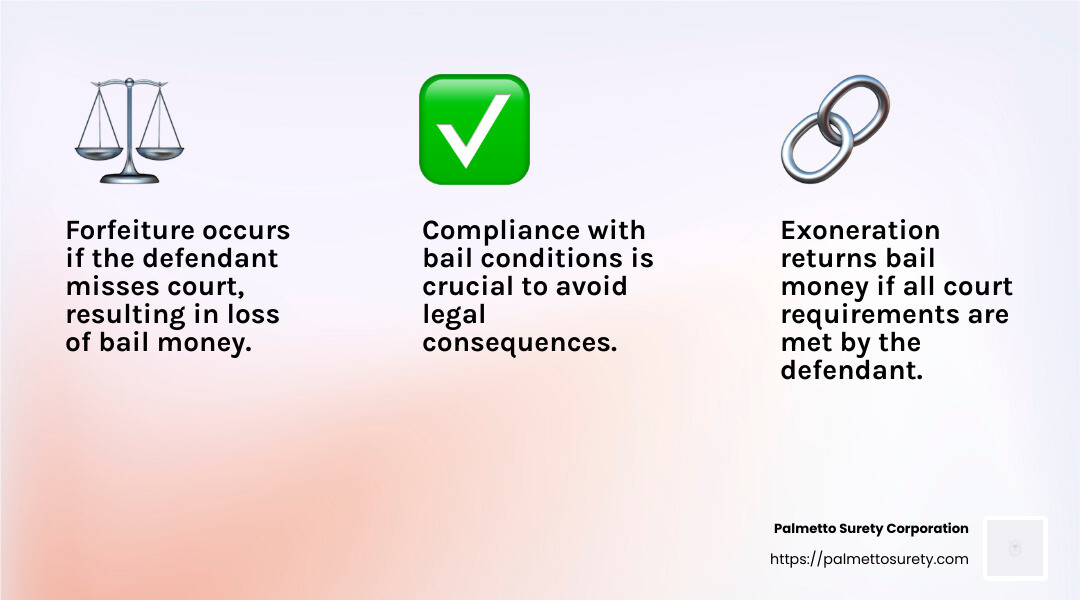
Forfeiture occurs if the defendant fails to appear in court as required. This means the court keeps the bail money, and you don’t get it back. It’s a consequence of not fulfilling the promise to attend court dates.
-
Exoneration happens when the case is resolved, and the defendant has met all court requirements. If the charges are dropped, modified, or the defendant is found not guilty, the court may return the bail money.
Bail Conditions
Bail conditions are rules set by the court that the defendant must follow while out on bail. These can include travel restrictions, regular check-ins with a probation officer, or attending treatment programs.
-
Compliance with these conditions is critical. Violating any of these terms can lead to legal consequences, including the forfeiture of bail money. For example, if the defendant travels outside allowed areas without permission, the court may decide to keep the bail money.
-
Legal Consequences for non-compliance can extend beyond losing bail money. The court may impose additional charges or penalties, making it crucial to understand and adhere to all conditions.
Defendant Behavior
The behavior of the defendant plays a significant role in the bail money return process.
-
Court Attendance is non-negotiable. The defendant must attend all scheduled court appearances. Skipping court can lead to immediate forfeiture of the bail money and possibly more severe legal repercussions.
-
Release Adherence involves following all court-mandated conditions while on bail. This includes any specific restrictions or obligations set by the court. Failure to adhere can result in losing the bail money and facing additional charges.
By understanding these factors, you can better steer the complexities of the bail process. Ensuring compliance with court decisions, bail conditions, and expected behavior is key to getting your bail money back.
Next, we’ll explore how to work effectively with a bail bonds agency to steer this intricate process.
Working with a Bail Bonds Agency
Navigating the bail process can be complex, but working with a bail bonds agency can simplify the journey. Here’s what you need to know about selecting a bail bondsman, understanding the bail bond premium, and handling collateral release.
Choosing a Bail Bondsman
Selecting the right bail bondsman is crucial. A good bondsman can make the process smoother and ensure you get your collateral back.
-
Reputation: Look for a bail bondsman with a strong reputation. Read reviews, ask for recommendations, and check their standing with the Better Business Bureau.
-
Experience: An experienced bondsman is more likely to steer the legal system effectively. They know the ins and outs of the process and can provide valuable guidance.
-
Fees: Understand the fees involved. Bail bondsmen typically charge a non-refundable service fee of around 10% of the total bail amount. Make sure you’re clear on all costs upfront.
-
Licensing: Ensure the bail bondsman is licensed and insured. This is a basic requirement for legitimacy and reliability.
The Bail Bond Premium
When you work with a bail bondsman, you’ll pay a bail bond premium. This is a non-refundable fee paid for their services in posting the full bail amount on your behalf.
-
The premium is generally 10% of the total bail amount. For example, if the bail is set at $10,000, the premium would be $1,000.
-
This fee is non-refundable, regardless of the outcome of the case or the defendant’s compliance with court appearances.
Understanding this upfront cost is essential to making informed decisions about using a bail bondsman.
Collateral and Its Release
Collateral is often required when securing a bail bond. It’s a way for the bail bondsman to protect their investment.
-
Collateral Return: Once the defendant meets all court requirements and the case concludes, the collateral is returned. This could be cash, property, or other valuable assets.
-
Compliance: It’s critical to comply with all court appearances and conditions. Failure to do so can lead to forfeiture of the collateral.
-
If the defendant skips court or violates release conditions, the collateral may be forfeited, meaning you could lose your property or assets.
Working with a reputable bail bonds agency can help you steer these requirements and ensure a smoother process. By choosing wisely, understanding fees, and adhering to all conditions, you increase the chances of getting your collateral back.
Next, we’ll address some frequently asked questions about bail money to further clarify this process.
Frequently Asked Questions about Bail Money
Do you get bail money back in USA?
Yes, you generally get your bail money back in the USA, but there are conditions. If you pay cash bail directly to the court and the defendant makes all required court appearances, the full bail amount is typically refunded at the end of the trial, regardless of the case outcome. However, if a bail bondsman is used, the fee paid to them (usually 10% of the bail amount) is non-refundable.
Can you bail yourself out of jail in Florida?
Yes, you can bail yourself out of jail in Florida if you have the full bail amount available at the time of arrest. This means you can pay the cash bail directly to the court. Payment options typically include cash, money orders, or cashier’s checks. It’s essential to understand that if you pay the full amount yourself, you can expect a refund if you comply with all court appearances.
How do you bail someone out of jail?
Bailing someone out of jail can be done in a few ways:
-
Cash Bail: Pay the full bail amount directly to the court. This is refunded if the defendant attends all court appearances.
-
Using a Bail Bond Agent: If the full bail amount is not affordable, a bail bond agent can be hired. The agent charges a non-refundable fee (usually 10% of the bail) and posts the bail on behalf of the defendant. The agent may also require collateral to secure the bond.
-
Payment Methods: Accepted payment methods vary by county but typically include cash, money orders, and cashier’s checks. When using a bail bond agent, additional forms of collateral like property or jewelry may be accepted.
Understanding these options and the associated costs is crucial for making a well-informed decision when bailing someone out of jail.
Conclusion
Navigating the bail process can be complex, but understanding it is crucial for making informed decisions and ensuring justice. At Palmetto Surety Corporation, we are committed to helping individuals and families through the bail process with transparency and efficiency.
Equitable Justice
Our mission is to contribute to a justice system where financial constraints do not determine access to freedom. The current bail system often places an undue burden on those with limited resources, highlighting the need for reform and equitable solutions. We believe that everyone, regardless of their financial status, deserves a fair chance to defend themselves in court without facing unnecessary detention.
Informed Decisions
Making informed decisions about bail is essential. Knowing whether you can get your bail money back, understanding the differences between cash bail and bail bonds, and being aware of court compliance requirements are all key factors. By understanding these elements, you can better steer the legal system and protect your financial interests.
Palmetto Surety Corporation
With over 20 years of experience, Palmetto Surety Corporation is dedicated to providing reliable and swift bail bond services across the southeastern United States. Our network of experienced bail agents ensures that our clients receive the support they need, when they need it. We pride ourselves on our ability to approve most applications within hours, offering quick and efficient service.
For more information on how we can assist you with your bail bond needs, visit Palmetto Surety Corporation.
In conclusion, understanding the intricacies of bail can empower you to make the best decisions for yourself or your loved ones. At Palmetto Surety Corporation, we are here to guide you through the process with expertise and care, ensuring that justice is accessible to all.


