


Bail Bondsman Insurance Cost: Top 5 Proven Tips 2024
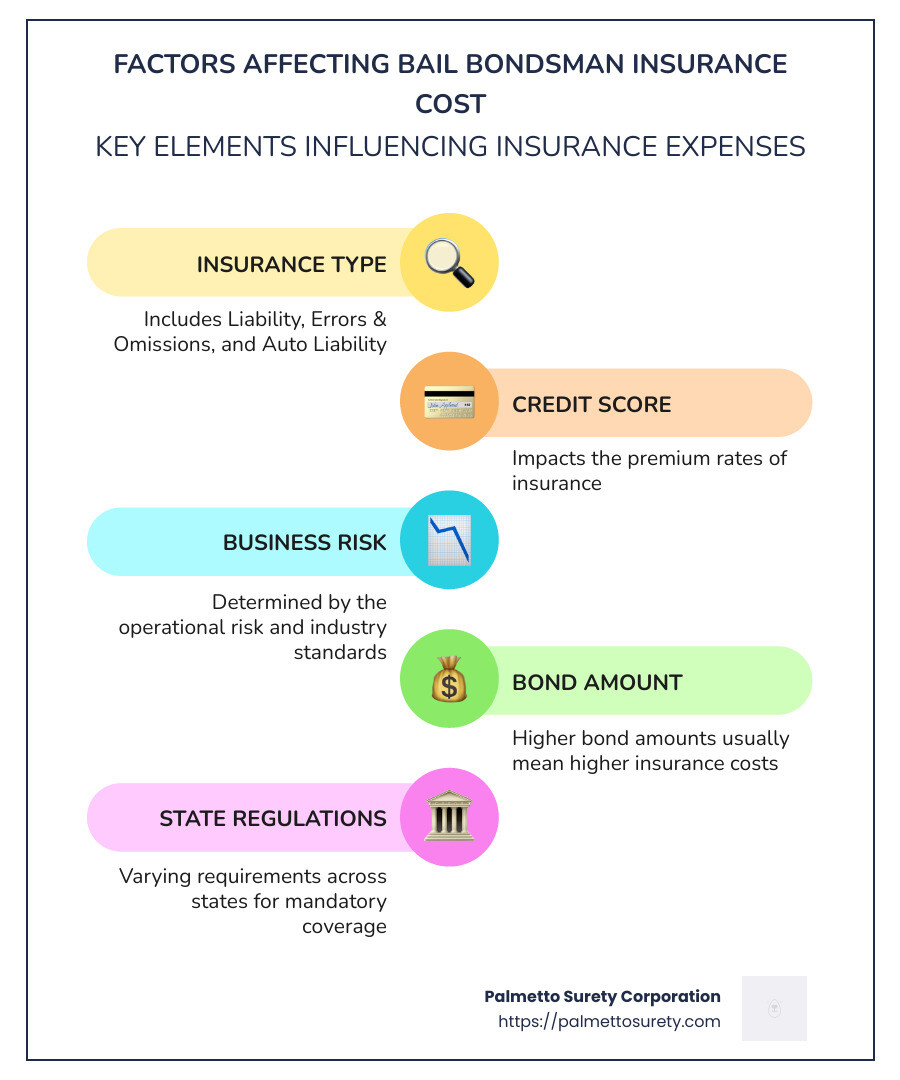
When considering the bail bondsman insurance cost, it’s crucial to understand the various factors that influence the expenses involved. As a bail bondsman, insurance is not just a necessity; it’s a critical component of protecting your business and complying with state regulations. Here’s a quick breakdown of the key aspects affecting costs:
- Insurance Type: Liability, errors and omissions, and auto liability.
- Factors Influencing Cost: Credit score, business risk, and bond amount.
- Average Premiums: Typically, a percentage of the total bond amount.
Bail bondsmen operate in a high-risk environment, dealing with the financial responsibility of ensuring defendants appear in court. This risk comes with its own set of challenges, making insurance not just vital, but often mandated by law in many states. With the bail industry generating $15 billion annually in the U.S., insurance provides a safety net, mitigating potential financial losses from lawsuits and claims.
I’m Haiko de Poel Jr, with extensive expertise in marketing and insurance sectors, particularly in guiding businesses through the complexities of obtaining and managing bail bondsman insurance cost. My experience ensures an insightful look into the nuances of the insurance landscape, setting the stage for a deeper dive into this critical subject.
Understanding Bail Bondsman Insurance
Bail bondsman insurance is a crucial safeguard for those working in the bail industry. It primarily involves liability insurance, which protects against claims arising from the bail bondsman’s professional activities. This type of insurance is essential for mitigating risks associated with the business, such as lawsuits or financial losses.
Liability Insurance
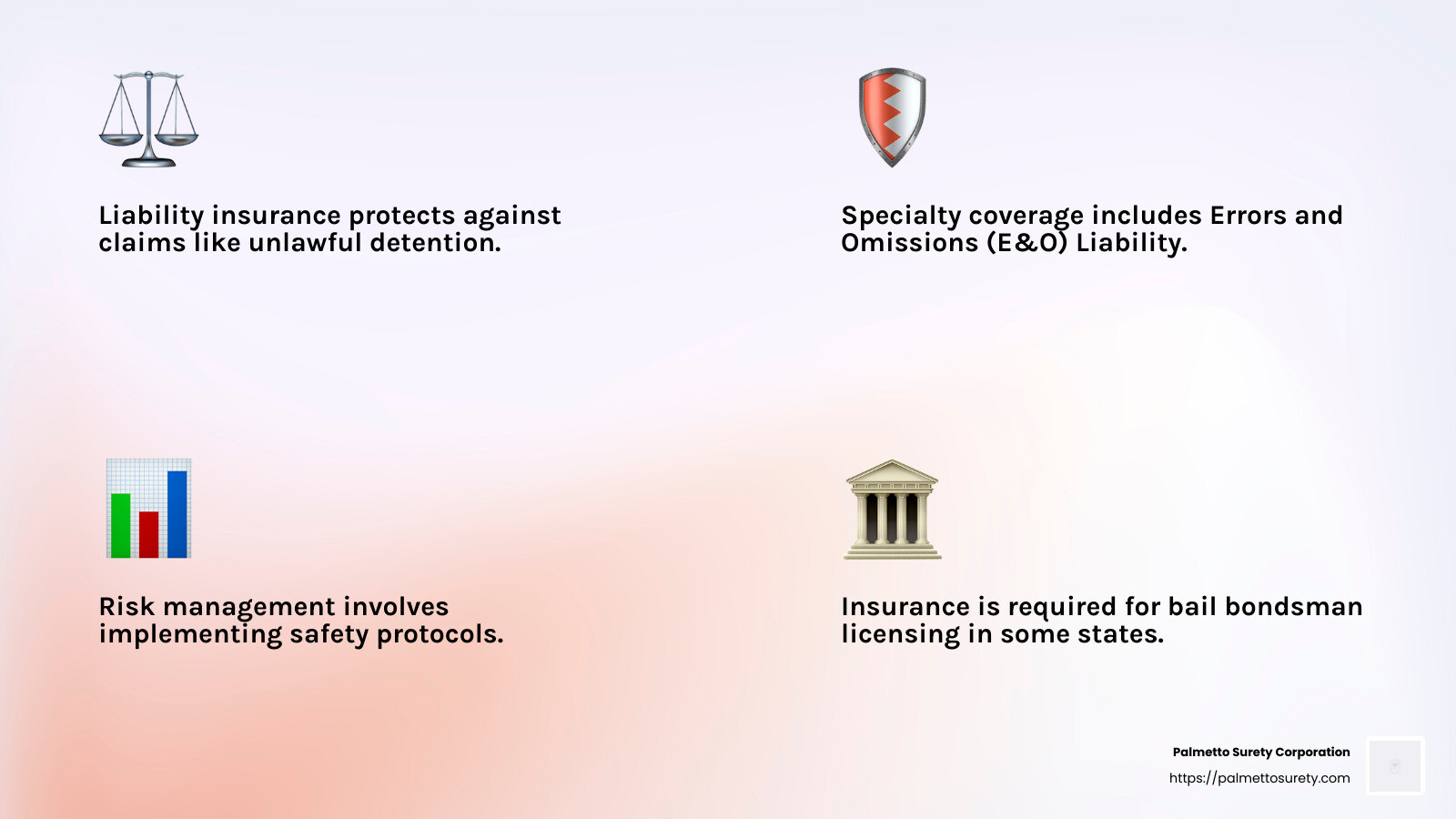
Liability insurance is the backbone of coverage for bail bondsmen. It protects against claims like unlawful detention, assault, or battery. Given the nature of their work, bail bondsmen face significant exposure to these types of claims. This insurance ensures that they are financially protected if a claim is made against them.
Specialty Coverage
Beyond standard liability, specialty coverage addresses more specific risks. For example, Errors and Omissions (E&O) Liability covers negligent acts or mistakes made during professional services. Coverage for injuries or property damage caused by a guard dog is another example of specialty coverage.
Moreover, some policies provide protection against claims involving sexual abuse and molestation, which, while less common, are critical in ensuring comprehensive coverage. These specialized policies fill gaps that general liability might not cover, offering a more robust safety net.
Risk Management
Risk management is a proactive approach to minimizing potential liabilities. Insurance plays a key role here, but so does understanding and mitigating risks. This includes implementing safety protocols, ensuring proper training, and maintaining detailed records of all transactions and interactions.

In states like California, insurance is not just a recommendation but a requirement for licensing. This legal mandate underscores the importance of having adequate coverage to manage risks effectively.
By investing in comprehensive insurance, bail bondsmen protect themselves, their clients, and their businesses. It’s not just about compliance; it’s about ensuring peace of mind and financial security in a high-stakes industry.
Understanding the intricacies of bail bondsman insurance helps in choosing the right coverage, which can significantly impact the bail bondsman insurance cost. This understanding is crucial for navigating the complex landscape of liabilities and ensuring your business operates smoothly and safely.
Factors Influencing Bail Bondsman Insurance Cost
When determining the bail bondsman insurance cost, several key factors are considered. Understanding these can help you manage your expenses and ensure you get the right coverage for your needs.
Credit Score
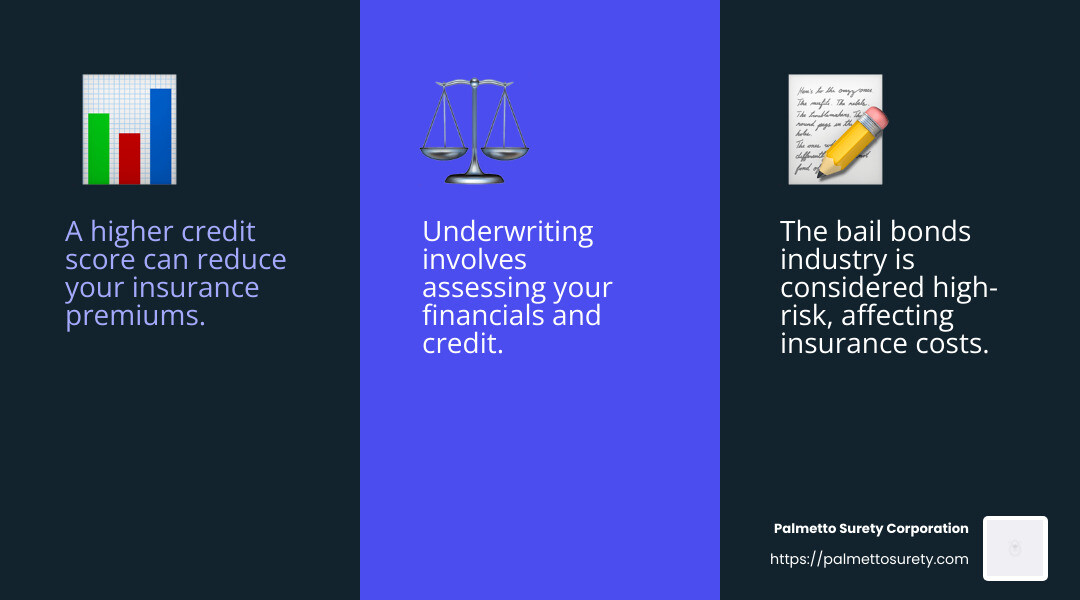
Your credit score is a significant factor that insurance companies consider when setting premium rates. A higher credit score generally results in lower insurance costs. Insurers view individuals with good credit as less risky, thus offering them better rates. If your credit score needs improvement, focusing on paying off debts and maintaining a good credit history can help reduce your insurance costs.
Industry Risk
The bail bonds industry is inherently risky. Bounty hunters and bail agents often face unpredictable situations, which can lead to higher insurance costs. Insurers assess the level of risk associated with your operations and adjust premiums accordingly. Factors such as the number of claims in the industry and the nature of your work can influence this risk assessment.
Underwriting
Underwriting is the process insurers use to evaluate the risk of insuring you. It involves a thorough review of your credit score, financial statements, and industry experience. The underwriter assesses these elements to determine the likelihood of a claim being made and sets the premium rates based on this evaluation.
- Credit Score: A good score can lead to lower premiums.
- Financial Statements: Positive financial health can reduce your insurance costs.
- Experience: More experience in the industry often translates to lower perceived risk.
By understanding these factors, bail bondsmen can take steps to potentially lower their insurance costs. Improving credit scores, providing detailed financial information, and demonstrating industry experience can all contribute to more favorable premium rates.
In the next section, we’ll explore how much bail bondsman insurance actually costs and what you can expect when it comes to premium rates and bond amounts.
How Much Does Bail Bondsman Insurance Cost?
When you’re looking into bail bondsman insurance cost, it’s important to understand the different aspects that determine what you’ll pay. Let’s break it down.
Premium Rates
The premium rate is the amount you pay for your insurance coverage. For bail bondsmen, this rate can vary widely depending on several factors. Typically, premium rates are a small percentage of the total bond amount. For example, if you need a $50,000 bond, your premium might range from $250 to $5,000, depending on the specific circumstances of your business and the risk assessment by the insurer.
Bond Amount
The bond amount is the total coverage you need. This amount acts as a security for any potential claims that might be made against the bond. The higher the bond amount, the higher the premium you’ll likely pay. It’s crucial to evaluate how much coverage you need to ensure you’re adequately protected without overpaying.
Percentage Range
Insurance premiums for bail bondsmen are typically calculated as a percentage of the bond amount. This percentage can range significantly, often between 0.5% to 10%. The exact percentage depends on the risk factors associated with your business, such as your credit score, the nature of your work, and your claims history.
Understanding these components can help you anticipate your insurance costs and budget accordingly. By focusing on improving your credit score and maintaining a good claims history, you can potentially secure a lower premium rate.
In the next section, we’ll explore the various types of coverage available for bail bondsmen, ensuring you know what options are out there to protect your business.
Types of Coverage for Bail Bondsmen
As a bail bondsman, having the right insurance coverage is crucial for protecting your business from potential risks. Let’s explore the key types of coverage you should consider:
Errors and Omissions (E&O) Insurance
E&O insurance is essential for bail bondsmen. It protects you from claims related to mistakes or negligence in your professional services. For instance, if you accidentally overlook a detail that results in financial loss for a client, E&O insurance can cover legal fees and settlements. This coverage is particularly important in an industry where small errors can lead to significant consequences.
Liability Protection
Liability protection is a must-have for any bail bondsman. This type of insurance covers claims related to bodily injury or property damage that occur during your business operations. For example, if someone is injured at your office or if property is damaged while apprehending a client, liability protection can help cover the associated costs.
Key components of liability protection include:
- General Liability: Covers third-party bodily injury and property damage.
- Assault and Battery Coverage: Specifically protects against claims involving physical confrontations, which can be a risk in this line of work.
Auto Liability
If you use a vehicle for business purposes, auto liability insurance is crucial. It provides coverage for accidents that occur while driving your company-owned or personal vehicle for work. This insurance helps cover costs related to property damage and bodily injury caused by an accident.
Ensure that your auto liability policy is comprehensive enough to cover all potential risks, especially if you frequently transport clients or travel for work.
By understanding these types of coverage, you can better protect your business from the unique risks associated with being a bail bondsman. In the next section, we’ll address some frequently asked questions about bail bondsman insurance costs, helping you make informed decisions about your coverage needs.
Frequently Asked Questions about Bail Bondsman Insurance Cost
What is the average cost of bail bondsman insurance?
The average cost of bail bondsman insurance can vary widely. It typically ranges from 0.5% to 15% of the total bond amount. For example, if you need a $10,000 bond, you might pay between $50 and $1,500 annually. The exact cost depends on several factors including your credit score, the bond amount, and the specific risks associated with your business.
How can I lower my bail bondsman insurance cost?
To lower your bail bondsman insurance cost, focus on improving your credit score. A higher credit score generally leads to lower insurance premiums. Additionally, providing detailed financial statements can demonstrate your financial stability, which may also reduce your rates. Consider adding a cosigner with strong financial credentials to further improve your application.
Is bail bondsman insurance mandatory in all states?
Bail bondsman insurance requirements vary by state. While some states mandate insurance as part of the licensing process, others have different requirements. For instance, in California, bail bondsmen must carry insurance to meet licensing requirements. Always check your state’s specific regulations to ensure compliance. Failing to meet these requirements can result in penalties or the inability to operate legally.
Understanding these aspects of bail bondsman insurance can help you make informed decisions and potentially save on costs. In the next section, we will explore how Palmetto Surety Corporation can assist you with quick approval and efficient service.
Conclusion
At Palmetto Surety Corporation, we understand that navigating bail bondsman insurance can be complex. That’s why we’re committed to providing quick approval and efficient service to help you secure the coverage you need. Our team is dedicated to ensuring that your application is processed smoothly, often within hours, so you can focus on what matters most—running your business.
With over 20 years of experience in the industry, our expertise spans various sectors, including construction, manufacturing, transportation, and healthcare. We pride ourselves on our ability to offer competitive rates and comprehensive coverage options custom to your specific needs.
Our network of bail agents and bond agents across the southeastern United States ensures that you have access to the best solutions, no matter your location. Whether you’re in Texas, South Carolina, Mississippi, Florida, Tennessee, or Georgia, we’re here to support you every step of the way.
For more detailed information on how we can help you with your bail bondsman insurance needs, visit our Palmetto Surety Corporation service page. Let us assist you in finding the right insurance solutions quickly and efficiently, so you can operate your business with confidence.


