


Are Contractors Required to be Bonded in Florida? Top Guide
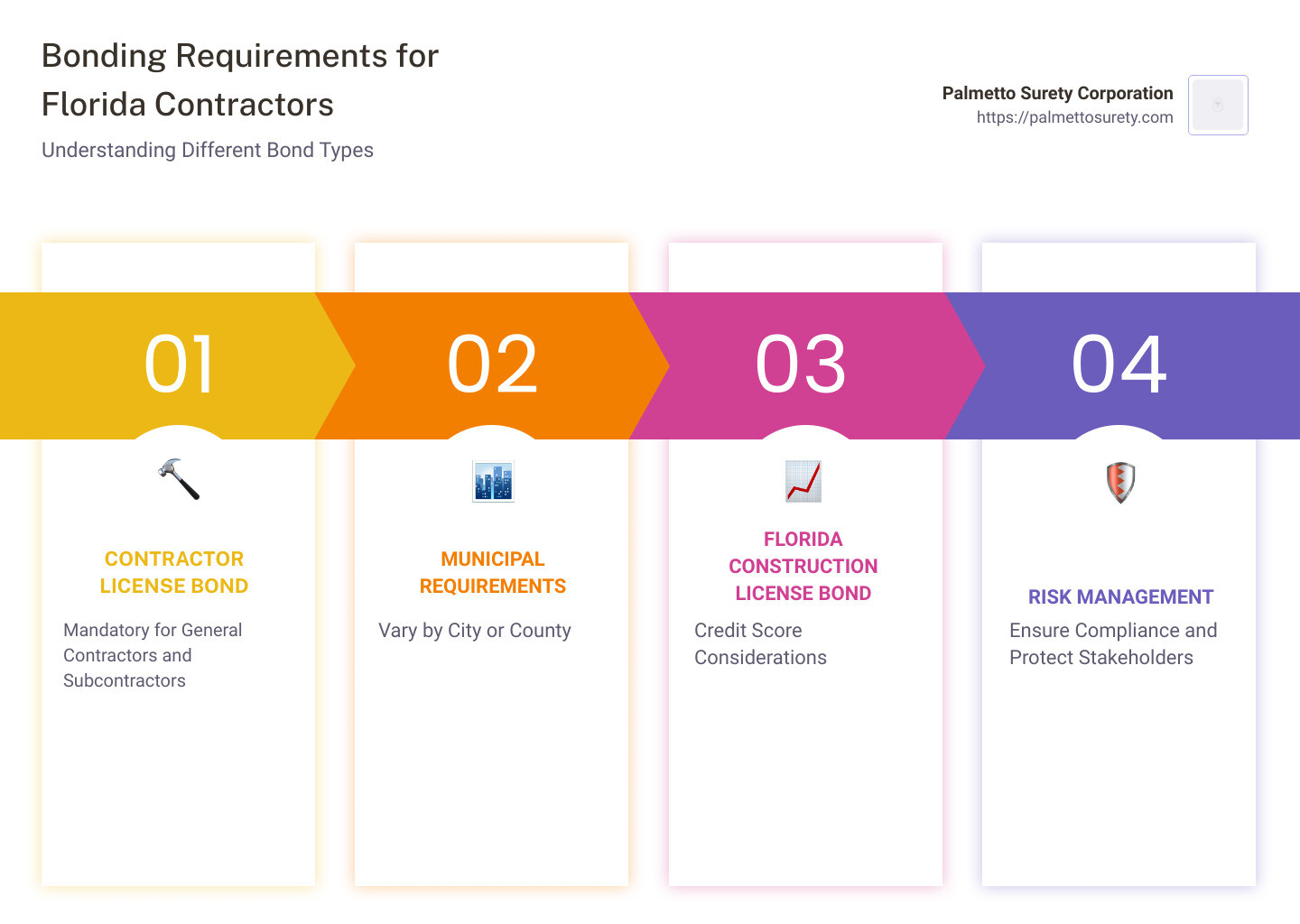
Are contractors required to be bonded in Florida? Yes, they are. Florida mandates that all contractors secure a bond before they begin work. This ensures they follow state and local regulations and guarantees that contractual obligations are met. Here is a quick breakdown:
- General Contractors and Subcontractors: Must obtain a contractor license bond.
- Municipal Requirements: Specific bond amounts may differ by city or county.
- Florida Construction License Bond: Required based on credit score considerations.
Florida’s construction landscape is a busy hub of large-scale projects, where attention to detail is vital. Given the complexity and cost of these projects, contractor license bonds play a crucial role in upholding project integrity and compliance. These bonds act as a safety net, protecting the interests of municipalities, developers, and contractors alike by ensuring everyone plays by the rules.
I am Haiko de Poel Jr, and with my experience in marketing and digital change strategies, I’ve partnered with Palmetto Surety Corporation to simplify the complexities of contractor bonding in Florida. Through this article, I’ll guide you through the jumble of contracts and legal requirements essential for any construction undertaking in the Sunshine State.
Explore more about are contractors required to be bonded in florida:
– Bonding requirements for contractors
– florida contractor surety bond
– surety bond contractor florida review
Are Contractors Required to be Bonded in Florida?
Florida Contractor License Bonds
In Florida, contractors are required to be bonded to ensure they comply with state and local laws. These bonds act like a contract between three parties: the contractor (principal), the entity requiring the bond (obligee), and the surety company providing the bond. The Florida Construction Industry Licensing Board, under the Florida Department of Business and Professional Regulation, oversees these requirements.
Contractor License Bonds are required for all general contractors and subcontractors. These bonds guarantee that the contractor will adhere to building codes and complete the project as agreed. If a contractor fails to meet these obligations, the bond provides financial protection to the obligee, often a municipal entity.
Bonding Requirements by Municipality
Bonding requirements can vary across Florida’s numerous municipal districts. Each city or county may set specific bond amounts and conditions based on their local building code regulations. For example, Clearwater and most of Pinellas County require a bond amount of $5,000.
Municipalities use these bonds to ensure that contractors comply with local building codes and regulations. If a contractor does not fulfill their contractual obligations, the municipality can claim damages up to the bond amount.


Key Points:
-
Construction Industry Licensing Board: This board requires all contractors to obtain a license bond to work in Florida.
-
Municipal Variations: While the state sets general bonding requirements, local municipalities might have additional rules or higher bond amounts.
-
Protection and Compliance: Bonds protect public interests by ensuring contractors follow the law and complete projects as agreed.
In summary, Florida’s contractor bonding requirements are designed to protect all parties involved in construction projects. By securing a contractor license bond, contractors demonstrate their commitment to legal and ethical business practices, providing peace of mind to municipalities and project stakeholders alike.
Types of Bonds for Florida Contractors
When it comes to working as a contractor in Florida, understanding the different types of bonds required is crucial. These bonds not only ensure compliance with state and local regulations but also provide financial protection for all parties involved in a construction project. Let’s break down the key types of bonds for Florida contractors:
Contractor License Bond
A Contractor License Bond is a must-have for any general contractor or subcontractor operating in Florida. This bond guarantees that the contractor will adhere to local building codes and complete projects according to contractual agreements. If a contractor fails to meet these obligations, the bond provides a financial safety net for the obligee, typically a municipal entity.
- Compliance: Ensures contractors follow building codes and regulations.
- Protection: Offers financial protection against contractor non-compliance.
Bid Bond
During the project bidding process, a Bid Bond might be required. This bond assures the project owner or developer that the bidding contractor will honor the terms of the bid if selected. It acts like an insurance policy, safeguarding the owner from financial loss if the contractor fails to commence the project after winning the bid.
- Project Bidding: Provides assurance that the contractor will honor their bid.
- Insurance: Protects the project owner from financial loss due to bid withdrawal.
Florida Construction License Bond
The Florida Construction License Bond is specifically tied to the financial reliability of the contractor. If the person responsible for a company’s financial matters has a FICO score below 660, this bond becomes mandatory. It serves as a guarantee that the contractor will fulfill their financial responsibilities.
- Credit Score: Required for contractors with a credit score under 660.
- Financial Matters: Ensures the contractor can meet financial obligations.
These bonds collectively ensure that all contractors in Florida are held to high standards of responsibility and reliability. By securing the appropriate bonds, contractors not only comply with legal requirements but also build trust with clients and municipalities. This trust is crucial for maintaining a positive reputation and securing future projects.
Why Do Contractors Need to be Bonded?
In Florida construction, bonding isn’t just a formality—it’s a necessity. It plays a vital role in risk management, financial protection, and mitigating contract disputes. Let’s explore why these bonds are crucial for all stakeholders involved.
Protecting Stakeholders
Municipalities, general contractors, and subcontractors all have a stake in construction projects. When a contractor is bonded, it provides a layer of security for these parties. Here’s how:
-
Financial Protection: Bonds act as a financial safety net. If a contractor fails to meet their obligations, the bond can cover the costs associated with completing the project. This means municipalities and other stakeholders aren’t left footing the bill for unfinished work.
-
Risk Management: By requiring bonds, stakeholders can manage the risk of contractor default. This is especially important in large-scale projects where the stakes are high.
Ensuring Compliance
Bonds ensure that contractors adhere to building codes and other regulatory requirements. This compliance is critical for several reasons:
-
Building Code Adherence: Contractors must follow local building codes to ensure safety and quality. Bonds guarantee that if these codes aren’t followed, there will be financial repercussions.
-
Bond Terms: The specific terms of a bond lay out the contractor’s obligations. These terms are legally binding, ensuring that contractors are held accountable for their commitments.
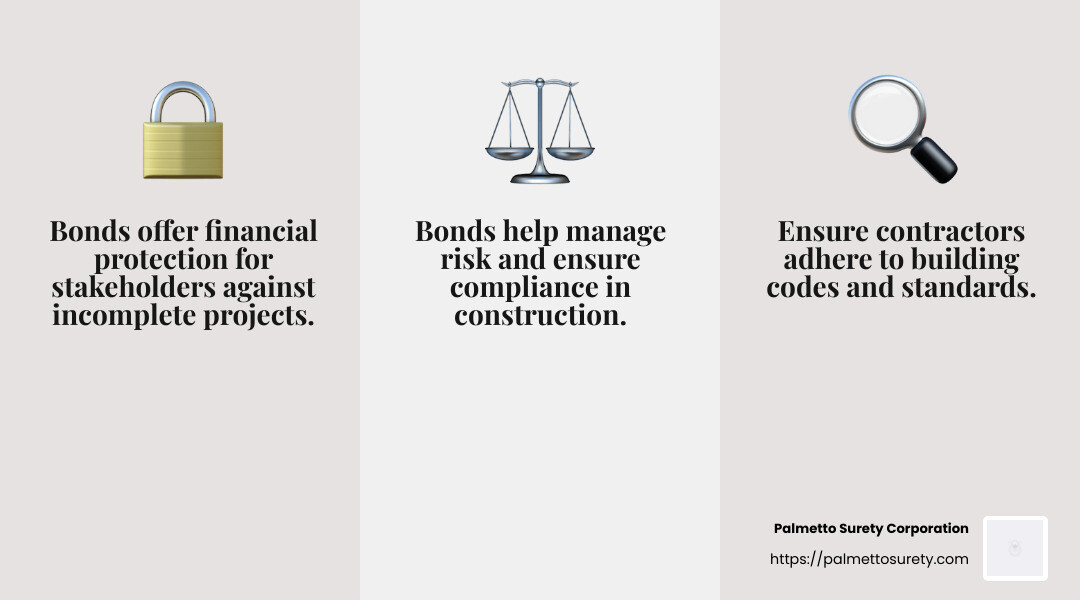
By requiring bonds, Florida ensures that construction projects are completed to standard and that all parties involved are protected from financial loss. This system not only safeguards stakeholders but also improves trust and reliability in the construction industry.
Frequently Asked Questions about Bonding in Florida
Are contractors required to be bonded in Florida?
Yes, contractors are required to be bonded in Florida. This requirement is crucial for ensuring that contractors fulfill their obligations and adhere to building codes. The Florida Department of Business and Professional Regulation mandates that all general contractors and subcontractors obtain a contractor license bond. This bond acts as a financial guarantee that contractors will comply with state regulations and complete their projects as agreed.
How do I know if my business needs to be bonded?
Determining whether your business needs to be bonded depends on several factors:
-
Type of Work: If your business is involved in construction or any industry where performance guarantees are critical, bonding is likely required.
-
Municipal Regulations: Different municipalities in Florida may have specific bonding requirements. It’s essential to check with the local building code regulations to see if your business must be bonded.
-
Credit Score: For some bonds, like the Florida Construction License Bond, a credit score below 660 may necessitate additional bonding requirements.
If you’re unsure, consulting with a business attorney or a bonding expert can provide clarity on your specific obligations.
What is the difference between a contractor being bonded and insured?
While both bonding and insurance offer protection, they serve different purposes:
-
Surety Bonds: These are three-party agreements involving the contractor (principal), the party requiring the bond (obligee), and the bond issuer (surety). Bonds ensure that the contractor will fulfill their contractual obligations. If they fail, the bond provides financial compensation to the obligee, but the contractor must repay the surety.
-
Insurance: This is a two-party agreement that provides financial protection against specific risks, like accidents or property damage. Unlike bonds, insurance does not require the insured to repay the insurer for claims made.
Bonds are about guaranteeing performance, while insurance covers unforeseen risks. Both are essential for comprehensive risk management in the construction industry.
Conclusion
In the dynamic world of construction, having the right protections in place is crucial. Palmetto Surety Corporation stands out as a trusted partner for contractors in Florida and beyond. With over 20 years of experience in the surety bond industry, we understand the importance of quick and reliable service.
Our expertise in providing surety bonds ensures that contractors can meet their legal and financial obligations efficiently. Whether you need a contractor license bond, a bid bond, or any other type of surety bond, we have the resources and knowledge to assist you promptly. Our streamlined process allows for most applications to be approved within hours, so you can focus on what you do best—building and completing projects.
Choosing the right partner for your bonding needs is vital. At Palmetto Surety Corporation, we prioritize your success and peace of mind. Our team is dedicated to making the bonding process as seamless as possible, offering personalized solutions custom to your specific needs.
For more information on how we can help you secure the necessary bonds for your projects, visit our Surety Bonds page. Let us be your go-to source for all your surety bond requirements, ensuring your projects are protected and compliant with Florida’s regulations.


