


Bonded Licensed and Insured: 5 Crucial Benefits 2024
When it comes to choosing a contractor for your next project, you’ll often come across terms like bonded licensed and insured. Understanding these terms can help you make an informed decision and ensure your project runs smoothly. Here’s a quick rundown:
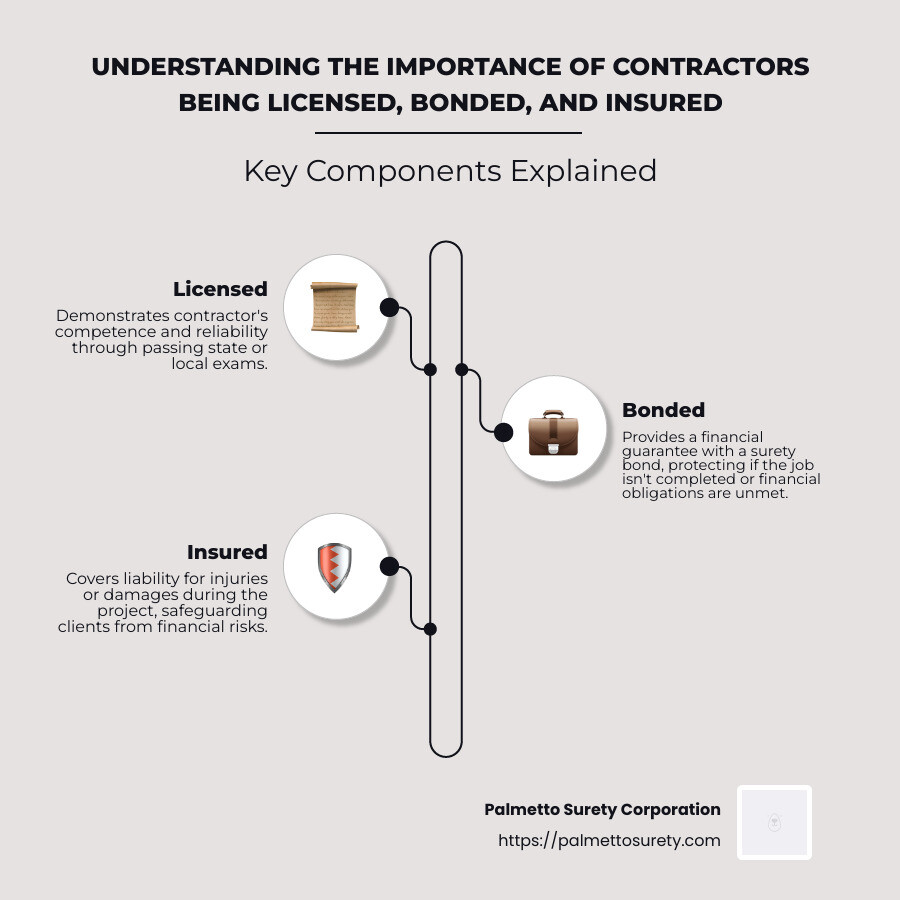
- Licensed: The contractor has passed state or local exams proving their competence and reliability.
- Bonded: The contractor has a surety bond, protecting you if they fail to complete the job or meet financial obligations.
- Insured: The contractor has liability insurance to cover injuries or damages that occur during the work.
Hiring a contractor who is bonded licensed and insured is crucial for safeguarding your interests and ensuring quality work. These credentials offer peace of mind and protect you from potential financial risks.
I’m Haiko de Poel Jr, experienced in marketing and strategic consulting with a focus on ensuring that businesses meet their contractual obligations efficiently. My work with fast-growing companies, like Palmetto Surety Corporation, has involved promoting the importance of being bonded licensed and insured to improve client trust and business reliability.
Understanding Licensing
When hiring a contractor, ensuring they are licensed is your first step toward a successful project. But what does being licensed really mean?
State Requirements
Every state has its own set of rules and regulations for contractors. These regulations ensure that contractors meet a basic standard of competency and reliability. In most states, obtaining a contractor’s license involves passing a series of exams and meeting specific criteria set by the state’s licensing board.
For example, in Texas, contractors must demonstrate their understanding of building codes and safety regulations before they can be licensed. This ensures they have the necessary knowledge to perform their job safely and effectively.
Competence and Technical Skills
Licensing is not just about paperwork; it’s about proving competence. Contractors need to show they have the technical skills required to complete projects to a high standard. This usually involves passing exams that test their knowledge of construction practices, safety protocols, and relevant laws.
These exams are designed to weed out those who lack the necessary skills or knowledge, ensuring only qualified professionals are licensed. This is crucial for maintaining high standards in the industry and protecting consumers from subpar work.

Licensing Fees
Obtaining a license isn’t free. Contractors must pay licensing fees, which can vary significantly from state to state. These fees cover the cost of processing applications, administering exams, and maintaining the licensing system.
While these fees might seem like a hassle, they serve an important purpose. They help fund the regulatory bodies that uphold industry standards and protect consumers. For contractors, paying these fees is a small price for the credibility and trust that comes with being licensed.
In summary, being licensed is about meeting state requirements, proving competence, and investing in the necessary fees. It’s a mark of professionalism that reassures clients they are hiring someone who knows what they’re doing.

Next, let’s dive into the importance of being bonded and how it provides a financial guarantee for both contractors and their clients.
The Importance of Being Bonded
When it comes to hiring contractors, being bonded is a crucial aspect that often gets overlooked. But what exactly does it mean to be bonded, and why is it important?
Surety Bond: A Financial Guarantee
A surety bond acts as a promise that a contractor will fulfill their obligations. It’s a financial guarantee that protects the client if the contractor fails to complete the project as agreed. This bond involves three parties:
- Principal: The contractor who buys the bond.
- Obligee: The client who requires the bond.
- Surety: The company that issues the bond and ensures the contractor’s performance.
If the contractor doesn’t meet their obligations, the surety steps in to compensate the obligee, ensuring the project gets completed or the client is reimbursed.
Contract Bonds: Ensuring Project Completion
Contract bonds are a type of surety bond specifically used in the construction industry. They are essential for guaranteeing that a contractor will adhere to the terms of a contract. There are several types of contract bonds, including:
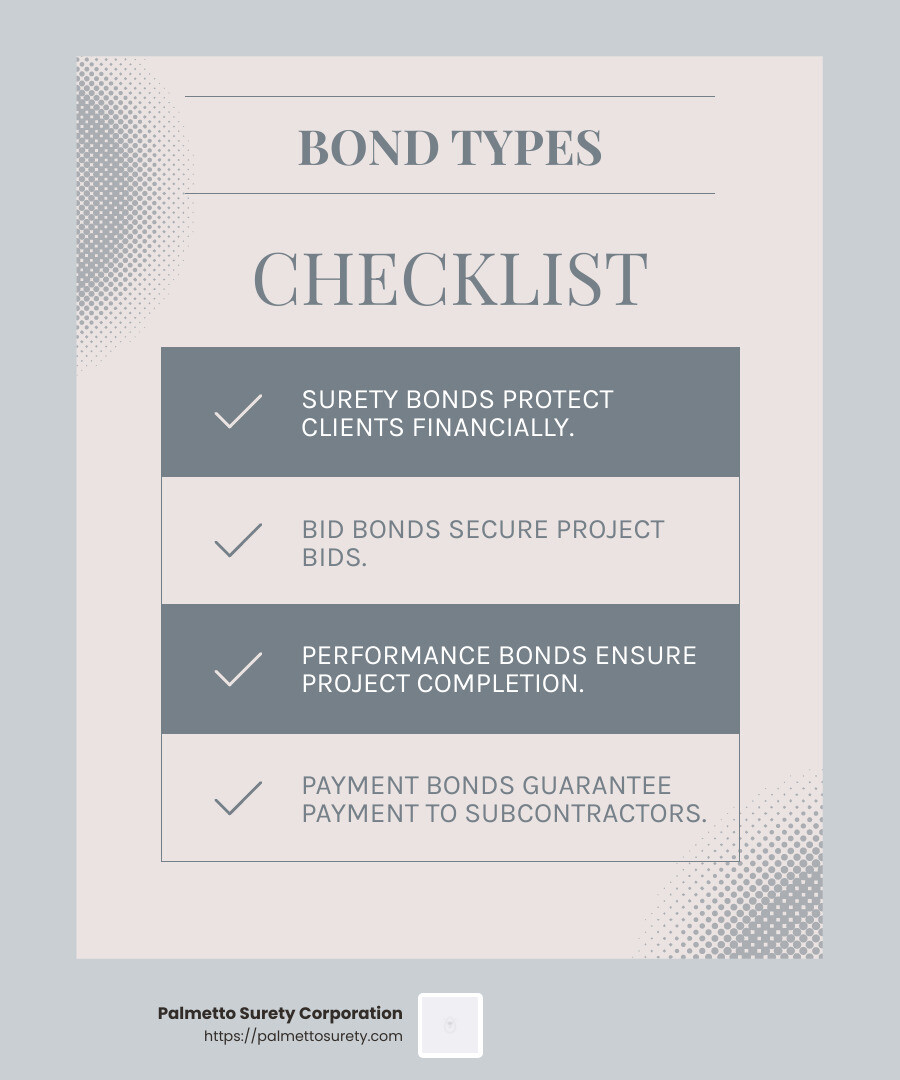
- Bid Bonds: These protect the project owner if a contractor fails to sign a contract after winning a bid.
- Performance Bonds: These ensure that the contractor completes the project according to the contract terms.
- Payment Bonds: These guarantee that subcontractors and suppliers get paid.
Such bonds provide peace of mind to clients, knowing their project is financially protected from start to finish.
Commercial Bonds: Beyond Construction
While contract bonds are common in construction, commercial bonds cover a broader range of industries. They ensure businesses comply with regulations and fulfill their obligations. For instance, a license and permit bond is a type of commercial bond that ensures a business adheres to local laws and regulations.
Why Being Bonded Matters
Being bonded is more than just a formality. It builds trust with clients, showing them you are committed to meeting your obligations. For contractors, being bonded can be a competitive advantage, setting them apart from those who aren’t.
In summary, being bonded provides a financial safety net for both contractors and clients. It ensures projects are completed and obligations are met, fostering trust and reliability in business relationships.
Next, let’s explore the role of insurance in business and how it helps manage risks and liabilities.
The Role of Insurance in Business
Insurance plays a crucial role in the business world. It’s all about risk transfer, which means shifting the financial burden of potential losses from the business to the insurance company. This allows businesses to focus on their operations without worrying about unexpected expenses.
Liability Insurance: Protecting Against Claims
Liability insurance is a must-have for any business. It protects against claims of injury or damage caused by the business’s operations. For example, if a customer slips and falls in a store, liability insurance covers medical expenses and legal fees. This coverage is essential for maintaining a business’s financial health.
Workers’ Compensation: Safeguarding Employees
Workers’ compensation is another key type of insurance. It covers employees who get injured or sick while on the job. This insurance pays for medical bills and lost wages, providing peace of mind for both employers and employees. It’s not just a safety net—it’s often a legal requirement in many states.
Comprehensive Coverage: A Safety Net for Business
Insurance policies can be custom to meet the specific needs of a business. This includes coverage for property damage, theft, and even cyber-attacks. By having comprehensive coverage, businesses can safeguard against a wide range of risks.
In summary, being insured is not just about compliance—it’s about protecting the business, its employees, and its clients. Insurance provides a financial cushion, ensuring that businesses can weather unexpected events without crippling financial losses.
Next, let’s dig into the benefits of being licensed, bonded, and insured, and how these elements work together to build trust and reputation.
Benefits of Being Licensed, Bonded, and Insured
Being licensed, bonded, and insured is more than just a legal requirement—it’s a smart business strategy. Let’s break down the benefits:
Building Client Trust
Clients feel safer when they know a business is licensed, bonded, and insured. It’s like a seal of approval that says, “We are legit and reliable.” This trust can be the deciding factor for clients choosing between your business and a competitor. When clients see these credentials, they know they’re protected if something goes wrong.
Financial Protection
Being bonded and insured offers solid financial protection. If a project doesn’t go as planned, a surety bond ensures the client gets compensated. Insurance, on the other hand, covers damages or injuries. This means businesses don’t have to pay out of pocket for unexpected mishaps, safeguarding their financial health.
Enhancing Reputation
A business with the right credentials stands out. Being licensed, bonded, and insured boosts a company’s reputation. It tells the world that the business is serious about its work and committed to high standards. This can lead to more contracts and opportunities, as clients prefer to work with companies known for their professionalism and reliability.
Effective Risk Management
Managing risk is crucial for any business. By being bonded and insured, businesses can handle risks more effectively. Surety bonds protect against contract breaches, while insurance covers accidents and liabilities. This comprehensive approach to risk management can prevent small issues from becoming big problems.
Being licensed, bonded, and insured is not just about meeting requirements—it’s about building trust, ensuring financial stability, enhancing reputation, and managing risks effectively. These benefits work together to create a strong foundation for any business, paving the way for growth and success.
Next, we’ll tackle some frequently asked questions about being licensed, bonded, and insured, to clarify any lingering doubts.
Frequently Asked Questions about Being Licensed, Bonded, and Insured
What does it mean to be bonded, licensed, and insured?
Being licensed, bonded, and insured involves three key elements that protect both businesses and their clients:
-
Licensed: This means the business has met state or local requirements to operate legally. It shows the business has the necessary competence and technical skills. Licensing often involves passing exams and paying fees.
-
Bonded: A business is bonded when it has purchased a surety bond. This bond acts as a financial guarantee, ensuring that if the business fails to meet its obligations, the client can receive compensation. It’s like a promise backed by a third party.
-
Insured: Insurance provides coverage for various risks, such as property damage or bodily injury. Having an insurance policy means that if an accident occurs, the insurance company will cover the costs, not the business.
Why is it important for contractors to be licensed, bonded, and insured?
For contractors, being licensed, bonded, and insured is crucial for several reasons:
-
Client Protection: These credentials protect clients from financial loss if something goes wrong. A surety bond ensures project completion or compensation, and insurance covers any damages or injuries.
-
Legal Compliance: Many states require contractors to have these credentials to legally operate. It helps ensure contractors meet industry standards and follow regulations.
-
Risk Management: Contractors face various risks in their work. Being insured helps transfer some of these risks to the insurance company, reducing potential financial burdens from accidents or claims.
How can I verify if a contractor is licensed, bonded, and insured?
Verifying a contractor’s credentials is simple and can give you peace of mind:
-
State Registry: Check your state’s contractor licensing board. They often have an online registry where you can verify if a contractor is properly licensed.
-
Insurance Certificate: Ask the contractor for a copy of their insurance certificate. This document will show the type of coverage they have and its validity.
-
Surety Bond Verification: Request proof of the contractor’s surety bond. You can contact the surety company to verify the bond’s status and coverage details.
These steps ensure you’re working with a reputable contractor who meets all legal and safety standards. Next, we’ll explore how Palmetto Surety Corporation can assist in securing these essential credentials efficiently.
Conclusion
At Palmetto Surety Corporation, we understand the importance of being licensed, bonded, and insured. These elements are not just about meeting legal requirements—they’re about building trust and ensuring peace of mind for both businesses and their clients.
Our company, headquartered in Charleston, SC, has over 20 years of experience in the surety bond industry. We specialize in providing quick and efficient service, often approving applications within hours. This speed and efficiency set us apart, helping our clients get the credentials they need without unnecessary delays.
We offer a wide range of surety bonds custom to various industries, including construction, manufacturing, transportation, and healthcare. Our expertise ensures that you get the right bond for your specific needs, helping you to operate legally and competitively in your field.
Whether you’re a contractor needing a surety bond to secure a project or a business owner looking to protect your interests, Palmetto Surety Corporation is here to help. Our dedicated team is committed to providing exceptional service, ensuring that you can focus on what you do best—running your business.
To learn more about how we can assist you in securing the necessary credentials for your business, visit our Palmetto Surety Corporation page. Let us help you steer the complexities of being licensed, bonded, and insured with ease and confidence.


