


Car with No Title: 3 Safe Steps to Ownership
Understanding the Complexities of Vehicle Ownership Without Documentation
A car with no title presents significant legal and practical challenges. Here’s what you need to know:
Quick Facts About Cars Without Titles:
- Legal ownership: A title (or “pink slip”) is the official document proving vehicle ownership.
- Registration issues: Most states require a title to register and legally operate a vehicle.
- Selling restrictions: Selling a vehicle without a title is illegal in most jurisdictions.
- Common causes: Lost paperwork, outstanding loans, title jumping, or age-based exemptions.
- Solutions exist: Replacement titles, bonded titles, and state-specific exemptions can resolve most situations.
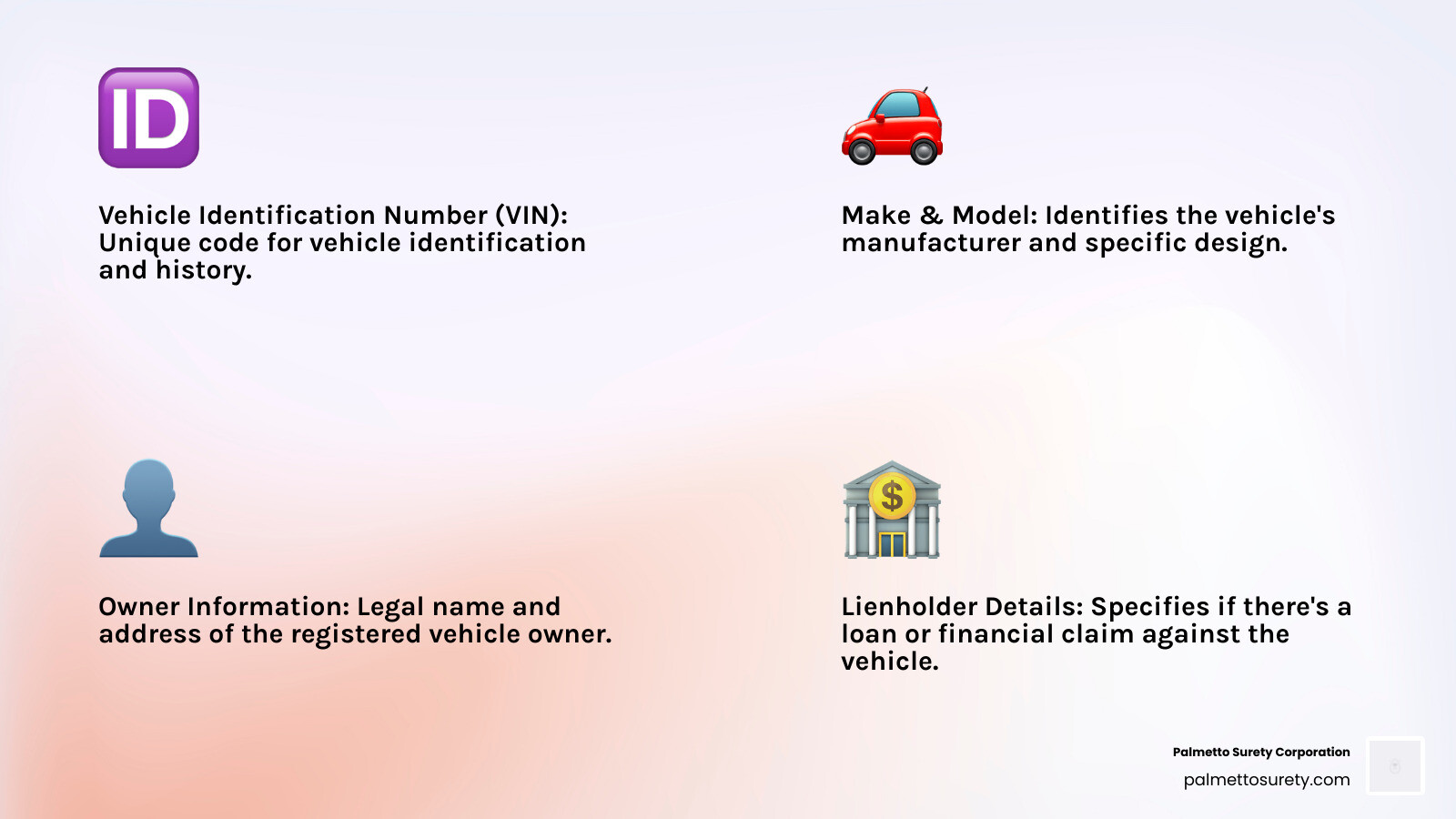
When you encounter a car with no title, you’re dealing with a complex ownership situation. The absence of this crucial document, which proves legal ownership and contains vital information like the VIN, doesn’t make a transaction impossible, but it creates significant problems.
Some older vehicles legitimately lack titles, as many states didn’t issue them until the 1970s. However, most title-less vehicles result from lost paperwork or improper transfers. Sellers must prove their right to sell, while buyers risk purchasing a vehicle they can’t legally register or that may have hidden liens.
I’m Haiko de Poel Jr., and through my work in commercial surety bonds, I’ve helped clients steer complex documentation issues. My experience with surety solutions, including Certificate of Title bonds, provides valuable insight into resolving these challenging ownership scenarios.
Why a Car Might Be Missing Its Title
A vehicle can end up without its title for many reasons. The most common is that the title was simply lost or damaged during a move or accident.
Another frequent scenario involves lienholders. When a car is financed, the lender holds the title until the loan is paid off. Delays or errors can prevent the title from being released to the owner.

Title jumping is an illegal practice where a seller avoids officially transferring the title into their name to evade taxes and fees. This breaks the legal chain of ownership, leaving the next buyer in a difficult spot. Other issues include incomplete transfers by a previous owner or complications with inherited vehicles where paperwork is disorganized.
Older vehicles present a unique case, as many states didn’t issue titles before the 1970s. Some states now exempt vehicles over 25 years old from title requirements, accepting a bill of sale instead. Finally, abandoned vehicles may be claimed by property owners, but obtaining a title requires navigating complex state procedures.
The Problem with Liens and “Skipped” Titles
Two situations create the biggest headaches. When a lender holds the title, the car can’t be legally sold until the loan is satisfied. Selling a vehicle with an active lien without the lender’s involvement can lead to the car being repossessed from the new buyer.
Title jumping is even riskier. The person selling the car isn’t the legal owner on record, meaning they have no right to transfer ownership. This broken ownership chain prevents you from registering the vehicle and can sometimes hide a problematic history, like flood damage or a salvage title. Always verify the seller’s ID matches the name on the title. If it doesn’t, you’re facing a high-risk transaction.
For Sellers: How to Legally Sell a Vehicle Without a Title

Selling a car with no title requires a legal and transparent approach. It’s illegal in most states to sell a vehicle without proper documentation, so being upfront with buyers is essential.
Step 1: Attempt to Get a Replacement Title
This should always be your first step. If the title was lost, stolen, or damaged, getting a duplicate is usually straightforward.
- Contact your state’s DMV: Most have online instructions and forms, like California’s REG 227.
- Gather documents: You’ll typically need your ID, the vehicle’s VIN, and a fee.
- Be patient: Processing times vary by state, from a few weeks to a couple of months. It’s best to apply for the replacement before listing the car for sale.
Step 2: Explore Alternative Titling Options
If a standard replacement isn’t possible, you have other options.
- A bonded title is a common solution. This state-issued title is backed by a surety bond, which acts as insurance against future ownership claims. The process involves getting the vehicle appraised, purchasing a surety bond (often for 1.5 times the vehicle’s value), and submitting an application to the DMV. After a set period (usually three years) without claims, the bonded title can often be converted to a standard, clean title. For more details, you can explore types of surety bonds.
- Mechanic’s liens allow repair shops to claim ownership of abandoned vehicles to recover repair costs.
- The abandoned vehicle process lets property owners apply for a title to a car left on their land after a certain period.
State rules for these alternatives vary, so always check your local DMV requirements.
Step 3: The Bill of Sale and Finalizing the Transaction
A detailed bill of sale is critical when a title is missing. It’s your legal proof of the transaction.
- Include key details: Buyer/seller names and addresses, vehicle information (year, make, model, VIN), odometer reading, purchase price, and date of sale.
- Add an “as-is” clause: This protects you from future warranty claims.
- Get it notarized: A notary’s seal adds a layer of legal protection by verifying the identities of both parties.
- Notify the state: File a release of liability form (like California’s NRL) to absolve yourself of responsibility for the vehicle after the sale.
- Keep copies of everything: Your bill of sale, release of liability, and any other correspondence create a paper trail that can protect you if disputes arise.
For Buyers: Protecting Yourself When Dealing with a Car With No Title

As a buyer, a car with no title is a major red flag. This is “caveat emptor” (buyer beware) territory. Without a title, you may not be able to register, insure, or prove you own the vehicle you just bought. It’s like buying a house without a deed.
Performing Your Due Diligence
Before paying, take these crucial steps to avoid a financial nightmare.
- Ask the seller to get a replacement title first. A legitimate owner should be willing to do this. If they refuse, walk away.
- Verify the vehicle isn’t stolen using the National Insurance Crime Bureau’s free VINCheck service.
- Check for safety recalls at the National Highway Traffic Safety Administration’s website, NHTSA recalls.
- Invest in a vehicle history report from a service like CarFax or AutoCheck to uncover accident history, flood damage, or odometer discrepancies.
- Get a pre-purchase mechanical inspection from a certified mechanic to identify hidden problems.
- Verify the seller’s identity matches any existing paperwork they can provide, such as old registration or insurance cards.
Understanding the Risks of Buying a car with no title
The dangers of buying a car without a title are significant and can lead to serious legal and financial problems.
- Inability to register or insure: Most states and insurance companies require a title.
- Hidden liens: The car may have an outstanding loan, and the lender could repossess it from you.
- Branded title history: Sellers may “lose” a title to hide a history of salvage, flood damage, or odometer fraud.
- Repossession by rightful owner: The car could be stolen or part of an ownership dispute, meaning you lose both the vehicle and your money.
- Legal consequences: You could face civil or criminal charges if the transaction involves fraud or stolen property.
If a deal feels wrong, trust your instincts. There are plenty of cars available with clean titles and honest sellers.
State-Specific Solutions: The Vermont Registration Method

While most states have rigid title requirements, Vermont offers a well-known legal workaround for a car with no title. This method has become popular with car enthusiasts but may not be available indefinitely.
Vermont is a title-exempt state for vehicles 15 years old or older. Instead of a title, Vermont issues a registration certificate that serves as proof of ownership. The key is Vermont’s 15-year rule: if your vehicle is old enough, the state will register it with just a bill of sale.
The process is straightforward, and you don’t need to be a Vermont resident. You mail Vermont’s registration application (form VD-119), a bill of sale, and the required fees to the Vermont DMV. Once processed, they send you a registration certificate and license plates.
This Vermont registration is legally recognized by most other states. You can then take it to your local DMV to transfer it into a title in your home state. You’ve effectively created a new title for a vehicle that lacked one.
However, be aware of potential changes to the law. Vermont has considered restricting this process to residents only, and other states may become stricter about accepting these registrations. Always verify the current rules in both Vermont and your home state before proceeding. This method is a solution for paperwork issues, not for clearing liens or resolving theft.
Frequently Asked Questions about a car with no title
Here are answers to common questions about dealing with a car with no title.
Can you register a car with just a bill of sale?
Generally, no. A bill of sale is a receipt, but most DMVs require a title as official proof of ownership for registration.
There are exceptions. Very old vehicles manufactured before states issued titles (often pre-1970s) may be registered with a bill of sale. Some states also have age exemptions for cars over 25 years old. The most practical alternative is the Vermont method, where vehicles 15 years or older can be registered with a bill of sale, and that registration can then be used to get a title in your home state. For most modern cars, however, a title is required.
What is a bonded title?
A bonded title is a special title issued by the state when you can’t prove ownership through normal means. It’s backed by a Certificate of Title Surety Bond, which you purchase from a surety company like Palmetto Surety Corporation.
This bond acts as insurance. If a previous owner with a valid claim appears, they can be compensated through the bond. The process involves getting the vehicle appraised, buying the bond, and applying to the DMV. You receive a title marked as “bonded,” which gives you full legal rights to register, insure, and sell the vehicle. After a set period (usually three years) with no claims, you can typically convert it to a standard, clean title.
Is it illegal to sell a car without a title?
Yes, in most states, it is illegal to sell a vehicle without being able to provide the title or other legal proof of ownership. The title is the document that allows for the legal transfer of ownership.
State laws vary, but the principle is consistent. There may be a “parts only” exception if the vehicle is clearly not roadworthy and is being sold for scrap, but this must be documented. Attempting an illegal sale can lead to fines, legal disputes, and even criminal charges for fraud or title jumping. The best course of action is always to obtain a replacement title or use a legal alternative like a bonded title.
Conclusion
Navigating a car with no title situation can be complex, but it’s rarely impossible. The key takeaway is that a clear title is essential for legal vehicle ownership. It’s the ultimate proof that you own the car.
For sellers, the best path is to get a replacement title from the DMV before the sale. If that’s not an option, a bonded title provides a secure, legal solution that protects both you and the buyer. Transparency with potential buyers is non-negotiable.
For buyers, proceed with extreme caution. A great deal can quickly become a nightmare if you can’t register the car or find hidden liens or a salvage history. Always perform due diligence: check the VIN, get a history report, and trust your instincts. The risks of buying a stolen vehicle or one with legal baggage are too high to ignore.
When you face a complex ownership situation, a Certificate of Title Bond from Palmetto Surety Corporation can be your path to a clear title. With over 20 years of experience, we understand these unique challenges. Our team works to approve most applications within hours, helping you resolve ownership issues and get on the road legally and confidently. Every car with no title has a solution, and we can help you find the right one.


