What Conditions Are Needed to Refund a Bail Bond: Top 3 Secrets Unveiled 2025
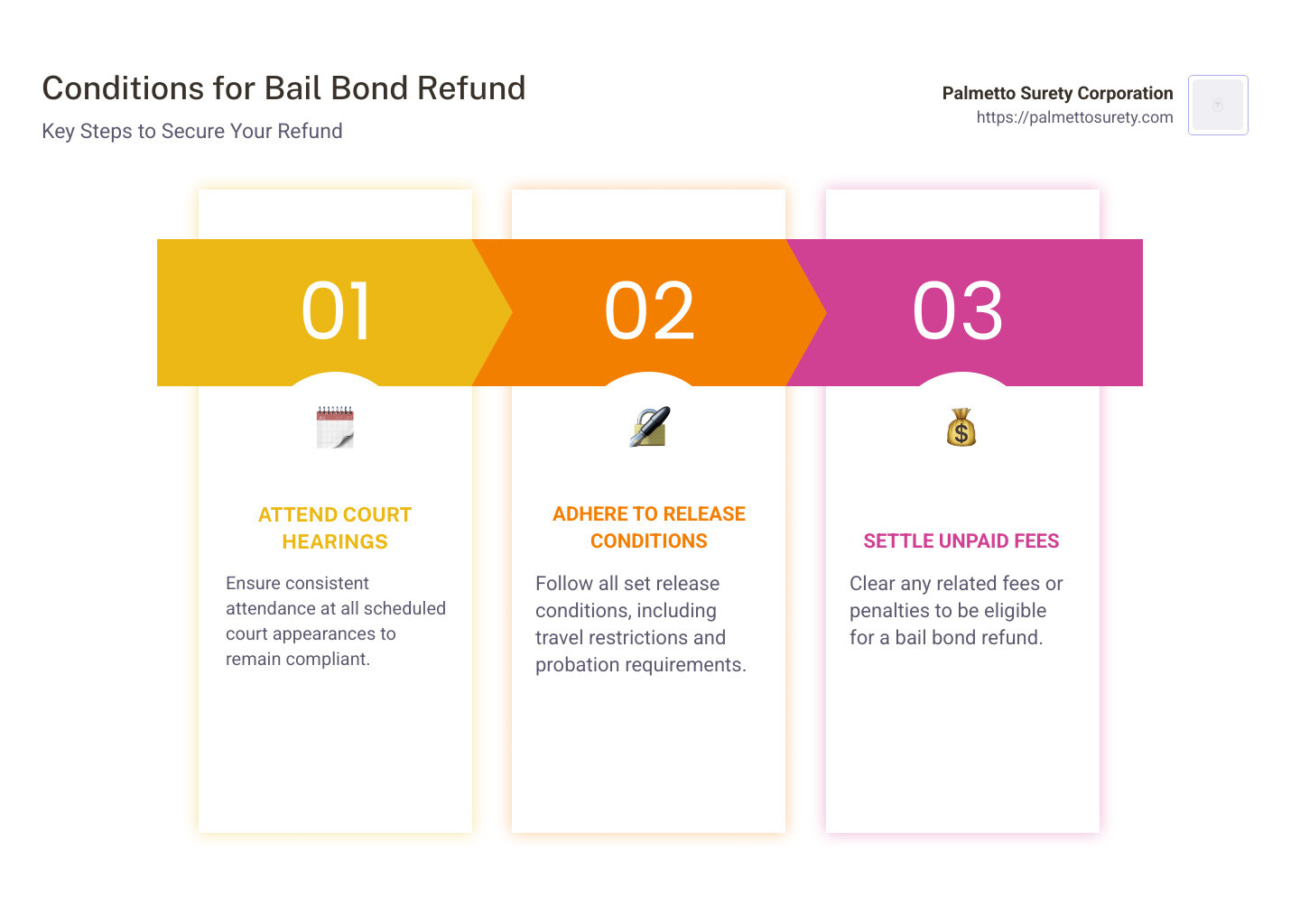
Understanding the conditions needed to refund a bail bond is crucial for anyone involved in the bail system. The refund process is primarily dependent on key factors such as the defendant’s compliance with court appearances, adherence to specific release conditions, and the fulfillment of any legal obligations. Ensuring that the defendant attends all scheduled court dates, follows set release conditions, and clears any related fees or penalties is essential for securing a refund.
In the bail process, refund eligibility is heavily reliant on court compliance. Engaging reliably with the legal process is vital to avoid forfeiting bail money. Adhering to court directives not only protects your financial investment but also aligns you with legal expectations.
I’m Haiko de Poel Jr., a specialist in strategic marketing and digital change. My experience with companies like Palmetto Surety Corporation has provided me with insights into the conditions needed to refund a bail bond, ensuring clear communication of this process. My expertise helps simplify the complexities, guiding you seamlessly through the details.
Learn more about what conditions are needed to refund a bail bond:
– are bail bonds refundable
– bail bond refund
Understanding Bail Bonds
Navigating bail bonds can be daunting, especially when you or a loved one is facing legal troubles. Let’s break down the basics of cash bail, bail bonds, and property bonds to help you make informed decisions.
Cash Bail
Cash bail is the most straightforward type of bail. It involves paying the full bail amount in cash to secure the defendant’s release from jail. This amount acts as a guarantee that the defendant will appear in court for all scheduled hearings.
If the defendant attends all court appearances and follows the legal obligations, the cash bail is refunded, minus any court fees. However, if the defendant fails to show up or violates any conditions, the bail is forfeited. This means the person who posted the bail loses their money.
Bail Bonds
Bail bonds offer a more affordable alternative to cash bail, especially when the bail amount is high. In this case, a bail bond agent, also known as a bail bondsman, steps in. They provide a loan for the bail amount, charging a non-refundable fee, usually about 10% of the total bail amount.

This option is popular because it requires less upfront money. However, the fee paid to the bail bondsman is non-refundable, even if the defendant attends all court appearances. Bail bonds are a viable choice for those who cannot afford the full cash bail but should be considered with the understanding of the non-refundable premium.
Property Bonds
Property bonds are another alternative where real estate is used as collateral instead of cash. The property must have enough equity to cover the bail amount, and the court places a lien on it. If the defendant fulfills all court obligations, the lien is lifted, and the property remains with the owner.
However, if the defendant fails to appear in court, the court can seize the property. This option is generally used when cash or bail bonds are not feasible.
Understanding these types of bail can help you decide which option best suits your situation. Each has its own set of advantages and risks, so weigh them carefully based on your financial situation and the specifics of the case.

Next, we will explore the conditions necessary for a bail bond refund, including compliance with court appearances and adherence to release conditions. Stay tuned to ensure you’re fully informed about the refund process.
What Conditions Are Needed to Refund a Bail Bond
Refunding a bail bond isn’t automatic. It depends on meeting specific conditions. Let’s break down the key factors: court appearance compliance and adhering to release conditions.
Court Appearance Compliance
One of the most critical conditions for a bail bond refund is court appearance compliance. This means the defendant must attend all scheduled court hearings. Missing even one appearance can lead to severe consequences, including the forfeiture of the bail bond.
Scheduled Hearings: It’s crucial to keep track of all court dates. Courts expect defendants to be present for each hearing, conference, or session. Missing a date can result in a warrant for arrest and loss of bail money.
Attendance and Legal Obligations: Attending court isn’t just about showing up. Defendants must also fulfill any legal obligations set by the court. This can include participating in hearings or meetings and following any court orders.
Adhering to Release Conditions
Apart from attending court, defendants must also adhere to certain release conditions. These conditions are set to ensure that the defendant doesn’t pose a risk to the community or flee before the trial.
Probation Officer Meetings: Regular check-ins with a probation officer may be required. These meetings help monitor the defendant’s activities and ensure compliance with the court’s conditions.
Travel Restrictions: Defendants might face travel restrictions, limiting their movement to certain areas. Violating these restrictions can lead to bail forfeiture.
Treatment Programs: In some cases, defendants might need to participate in treatment programs or counseling. Compliance with these programs is crucial for a bail bond refund.
Failing to meet any of these conditions can jeopardize the refund process. It’s essential to understand and follow all court-mandated requirements to ensure the bail bond money is returned.
Next, we’ll dive into the factors affecting bail bond refunds, including how court decisions and defendant behavior can impact the refund process. Stay informed to steer the complexities of bail bond refunds effectively.
Factors Affecting Bail Bond Refunds
Understanding what influences a bail bond refund is key to navigating the legal maze. Here’s what you need to know about the role of court decisions and defendant behavior in the refund process.
Court Decisions and Their Impact
Court decisions can significantly impact whether you get a bail bond refund or not. Judges have the authority to decide if a bail bond will be forfeited or exonerated based on the defendant’s actions.
-
Forfeiture: If a defendant fails to appear in court or violates release conditions, the court may declare the bail bond forfeited. This means you won’t get your money back. Forfeiture is a serious consequence and often results from non-compliance with court orders.
-
Exoneration: On the flip side, if charges are dropped, modified, or the defendant is found not guilty, the court may exonerate the bail bond. This leads to a refund, provided all conditions were met during the legal process.
Compliance with court orders is crucial. Courts assess if defendants have adhered to all legal obligations before deciding on a refund. This includes attending all scheduled hearings and fulfilling any other court-mandated requirements.
Defendant Behavior and Bail Refunds
The behavior of the defendant plays a pivotal role in determining the fate of a bail bond refund. Here’s how:
-
Skipping Bail: If a defendant skips bail—meaning they fail to appear for their court date—the bail bond is usually forfeited. This is one of the most common reasons for losing bail money.
-
Re-arrest: Getting re-arrested while out on bail can also lead to forfeiture. Courts may see this as a violation of release conditions, impacting the refund process.
-
Violation Consequences: Violating any release conditions, such as travel restrictions or failing to meet with a probation officer, can have dire consequences. Courts are likely to view these actions as non-compliance, leading to the loss of bail money.
Staying compliant with all court orders and maintaining good behavior throughout the legal proceedings is essential for securing a bail bond refund. Understanding these factors can help you make informed decisions and avoid potential pitfalls.
Next, we’ll explore how to work effectively with a bail bonds agency to ensure a smooth process. Understanding the role of a bail bondsman and the importance of choosing a reputable agency is crucial.
Working with a Bail Bonds Agency
When you’re dealing with the bail process, working with a bail bonds agency can make things smoother and more manageable. Here’s a breakdown of what you need to know about choosing a bail bondsman and understanding the bail bond premium.
Choosing a Reputable Bail Bondsman
When selecting a bail bondsman, reputation and experience are key. A reputable bail bondsman will have:
-
Proven Experience: Look for someone with years of experience in the field. They will be more familiar with the legal system and can guide you through the process effectively.
-
Good Reputation: Check reviews and ask for recommendations. A bail bondsman with a strong track record is more likely to provide reliable service and ensure the return of any collateral used.
-
Transparent Fees: Understand the fees involved. A typical bail bond fee is around 10% of the total bail amount. This fee is non-refundable, so it’s crucial to be clear about the costs upfront.
It’s also important to ensure that the bail bondsman is licensed and insured. This adds an extra layer of security and trust.
Understanding the Bail Bond Premium
The bail bond premium is a non-refundable fee you pay to the bail bondsman. It covers their service in posting the full bail amount to the court. Here’s what you need to know:
-
Service Fee: This fee is typically 10% of the bail amount. For federal bonds, it might be 15%. It’s a one-time fee and is not refundable, even if the defendant complies with all court appearances.
-
Cost-Effective Option: While the premium is non-refundable, using a bail bondsman can be more cost-effective than paying the full bail amount yourself. This is especially true for high bail amounts, where coming up with the entire sum might not be feasible.
-
Collateral: In some cases, collateral may be required. This is an asset you provide to secure the bail bond. It can be anything of value, like a car or property. Once the case is resolved and all court appearances are made, the collateral is returned to you.
Working with a reputable bail bonds agency can make a significant difference in navigating the bail process smoothly. By understanding the fees and ensuring compliance with all requirements, you can avoid unnecessary complications.
Next, we’ll dive into some frequently asked questions about bail bond refunds, including whether you can get your bail money back and what happens if you can’t pay back a bond.
Frequently Asked Questions about Bail Bond Refunds
Do you get bail money back in the USA?
If you pay the full amount of cash bail and comply with all court requirements, you can get your bail money back. The key is court compliance. Attend every court appearance and follow all release conditions. If you do, the court will refund your bail after the case concludes. However, if you miss a court date, the bail is forfeited, and you won’t get your money back.
Can you bail yourself out of jail?
Yes, self-bail is possible if you have the full bail amount available at the time of arrest. You can pay in cash or use other payment options like money orders or cashier’s checks, depending on the jurisdiction. This allows you to secure your release without needing a bail bondsman. The same compliance rules apply—make all court appearances to ensure you get your money back.
What happens if you can’t pay back a bond?
If you used a bail bondsman and can’t pay back the bond, it can lead to legal action. The bail bondsman might file a civil lawsuit against you to recover the unpaid amount. In some cases, they may also seize any collateral you provided when securing the bond. It’s crucial to understand your obligations and communicate with the bail bondsman to avoid further complications.
Conclusion
Navigating the bail bond process can be complex, but with the right guidance and support, it becomes manageable. Palmetto Surety Corporation stands out in this landscape as a trusted partner, offering expertise and quick service to help you through every step of the bail process.
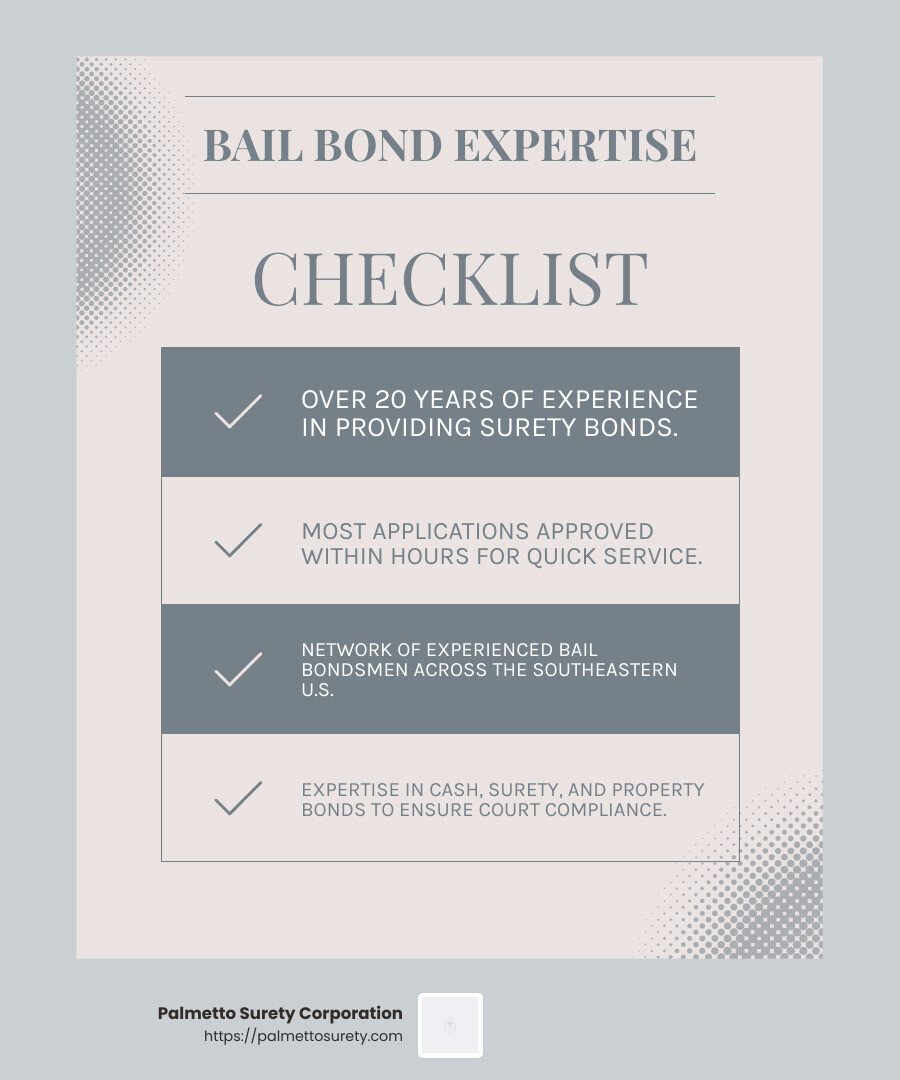
With over 20 years of experience, we specialize in providing surety bonds across various industries, ensuring that our clients receive efficient and reliable service. Our ability to approve most applications within hours means you won’t be left waiting in uncertainty. This quick service is crucial when dealing with time-sensitive situations like bail.
Our network of experienced bail bondsmen across the southeastern United States is dedicated to supporting you. Whether you’re dealing with a cash bail, surety bond, or property bond, we’re here to assist and ensure compliance with all court requirements. By choosing us, you benefit from our extensive industry knowledge and commitment to helping you secure your bail bond refund.
For more information on how we can assist you, visit Palmetto Surety Corporation and let us guide you through the bail bond process with confidence.