


How Do Bail Bonds Work: Top 5 Crucial Insights 2024
How do bail bonds work? This question often arises when someone is arrested and needs to explore their options for temporary release. A bail bond serves as a guarantee to the court, provided by a bail bond company, ensuring that a defendant will appear for their trial. Here’s a simplified breakdown:
- Bail bond company: Assures the court of payment if a defendant fails to appear.
- Defendant: Pays a non-refundable fee, typically 10% of the bail amount.
- Collateral: May be required, such as property or valuables.
- Release from custody: Occurs once the bond is posted.
Bail bonds offer a crucial solution for those unable to afford the full bail amount set by the court. They allow individuals to continue their daily lives, such as work or family responsibilities, while also ensuring the judicial process runs smoothly by encouraging court appearances. However, anyone considering a bail bond should carefully consider the associated risks and responsibilities.
I’m Haiko de Poel Jr. With years of experience in strategic marketing at Palmetto Surety Corporation, I focus on simplifying complex topics like how do bail bonds work. My mission is to make this process understandable and accessible to those in need, enhancing their ability to navigate legal challenges.
What is Bail?
Bail is a legal mechanism that allows a defendant to be released from custody while awaiting trial. It acts as a refundable deposit paid to the court. This deposit ensures that the defendant will return for their court dates. If they do, the bail is returned at the end of the legal proceedings.
Purpose of Bail
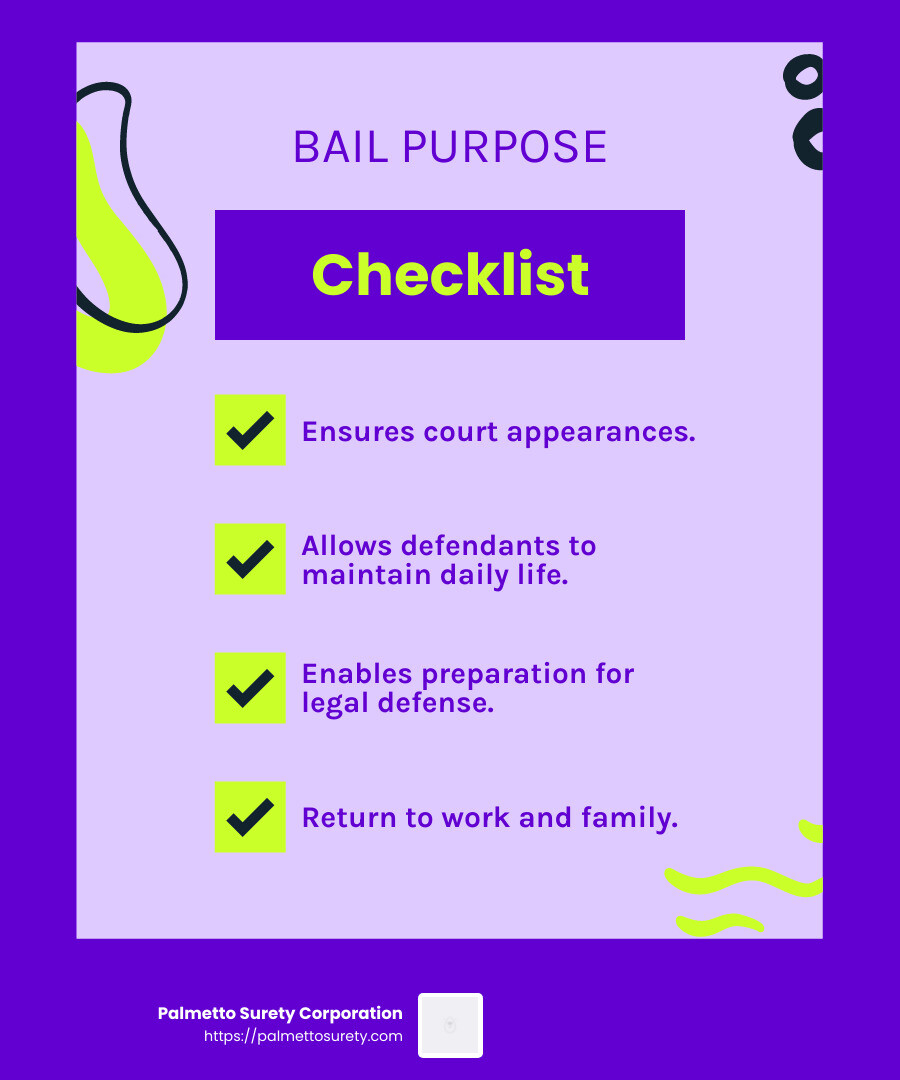
The primary purpose of bail is to ensure that a defendant appears in court while still allowing them to maintain their daily life. Being out on bail means a defendant can continue working, caring for family, and preparing their legal defense. This is crucial, as legal proceedings can drag on for weeks or even months.
Conditions of Bail
Bail comes with conditions set by the court. These conditions are designed to minimize the risk of the defendant fleeing or engaging in illegal activities while out on bail. Common conditions might include:
- Regular check-ins with a court officer.
- Restrictions on travel.
- No contact with certain individuals.
Failure to adhere to these conditions can result in bail being revoked, meaning the defendant would return to custody.

Refundable Deposit
One of the key aspects of bail is that it is typically refundable. If the defendant attends all required court appearances and abides by the conditions set, the bail amount is returned. However, if the defendant fails to appear, the court keeps the bail, and a warrant is issued for their arrest.
In summary, bail serves as a bridge between the need for a defendant to prepare for trial and the court’s need to ensure their presence. Understanding how bail works is crucial for anyone navigating the legal system.
What is a Bail Bond?
A bail bond is an agreement that allows a defendant to be released from jail while awaiting their court date. If a defendant cannot afford the full bail amount set by the court, they might turn to a bail bond company for assistance. These companies provide a way to cover bail costs through different types of bail bonds, each with its own terms and conditions.
Surety Bail
Surety bail involves a bail bond company stepping in to post bail on behalf of the defendant. In this arrangement, the company charges a non-refundable fee, typically between 10-15% of the total bail amount. This fee is known as the premium. The defendant or their family may need to provide collateral, such as property or other assets, to secure the bond. If the defendant fails to appear in court, they risk losing the collateral, and the bail bond company may employ a bounty hunter to track them down.
Recognizance Bail
In the case of recognizance bail, the defendant is released based on a written agreement to appear in court and abide by certain conditions. This type of bail does not require any payment or collateral. Instead, it relies on the defendant’s promise to follow court orders. If the defendant fails to meet these conditions, they may face additional penalties, including arrest and the possibility of being held in custody until their trial.
Cash Bail
Cash bail requires the defendant or a cosigner to pay the full bail amount in cash directly to the court. This payment acts as a financial guarantee that the defendant will attend all scheduled court appearances. If they do, the bail amount is refunded at the end of the legal proceedings. However, if the defendant fails to appear, the court retains the bail, and an arrest warrant may be issued.
Property Bail
With property bail, the defendant pledges property, such as real estate or valuable assets, as a guarantee for their release. The value of the property must meet or exceed the bail amount. Once the court proceedings conclude and the defendant has complied with all conditions, the property is returned. If the defendant does not appear in court, the court may seize the pledged property.
Each type of bail bond serves the purpose of ensuring a defendant’s appearance in court while allowing them to remain free during the legal process. Understanding these options can help defendants and their families steer the complexities of the bail system effectively.
How Do Bail Bonds Work?
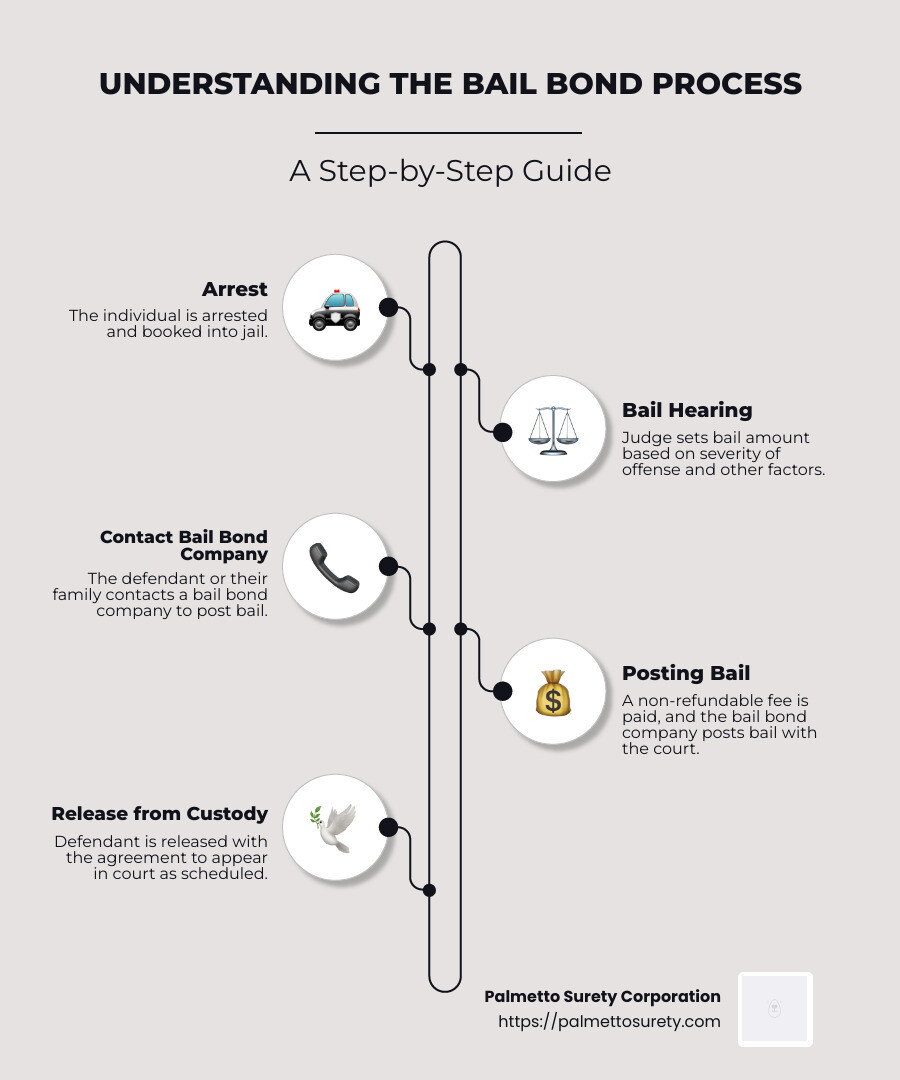
When someone is arrested and the court sets bail, they have a choice: pay the full amount or use a bail bond. Most people opt for a bail bond since it requires less upfront cash.
Bail Hearing
The bail process begins with a bail hearing. Here, a judge determines the bail amount based on factors like the severity of the crime, the defendant’s criminal history, and their flight risk. Some jurisdictions use bail schedules, which are standard amounts set for common offenses. These schedules can sometimes allow for immediate payment without a hearing, expediting release.
Posting Bail
Once the bail amount is set, the next step is posting bail. If the defendant can’t pay the full amount, they contact a bail bond agent. The agent charges a premium, typically 10-15% of the bail amount, which is non-refundable. For example, if bail is set at $25,000, the premium might be $2,500. The agent then posts the bail on behalf of the defendant.
This process involves paperwork to formalize the agreement, ensuring the defendant understands their obligations. Once completed, the defendant is released from jail, pending their court appearances.
Collateral and Premium
The premium is the cost of the bail bond service. In addition to this fee, the bail bond company may require collateral. Collateral acts as security in case the defendant skips bail. It can be anything of value, such as real estate, cars, or jewelry. If the defendant fulfills their court obligations, the collateral is returned. If not, the bail bond company can seize it to cover their losses.
Bail Bond Agency
A bail bond agency plays a crucial role in the bail process. They provide the financial backing to secure a defendant’s release. Agencies like Palmetto Surety Corporation specialize in offering surety bonds, including bail bonds, ensuring defendants can await trial outside of jail. They handle the logistics, paperwork, and financial aspects, allowing the defendant and their family to focus on the legal case.
Palmetto Surety Corporation prides itself on reliability and expertise, providing support throughout the bail process. They ensure that clients understand their responsibilities and offer solutions custom to individual needs. With their help, defendants can steer the bail system more effectively, maintaining their freedom while preparing for court.
What Happens If You Skip Bail?
Skipping bail is a serious matter. It means not showing up for your court date after being released on bail. This can have severe consequences for both the defendant and the bail bond agency.
Bounty Hunter
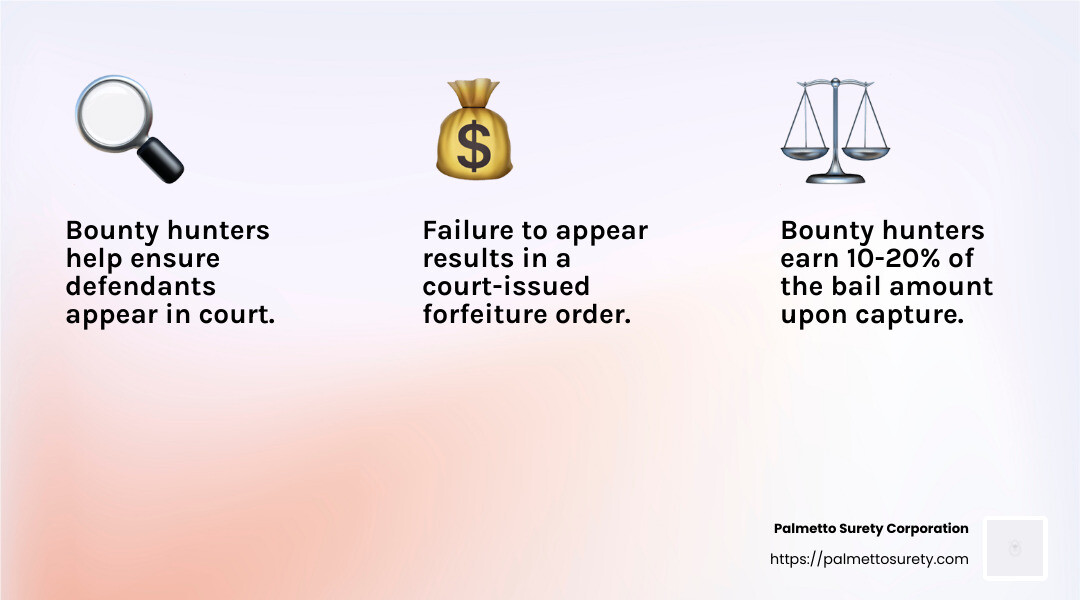
When a defendant skips bail, the bail bond agency may hire a bounty hunter to locate and return the defendant to court. A bounty hunter, also known as a bail enforcement agent, is a professional tasked with finding fugitives who have failed to appear in court. They have special legal permissions to pursue and apprehend individuals who have skipped bail.
Role and Payment: Bounty hunters are paid a portion of the total bail amount, usually between 10-20%, upon successfully capturing and returning the fugitive. Their work is crucial for the bail bond agency, as it helps recover the money posted for bail and ensures the defendant faces their legal obligations.
Forfeiture
If a defendant skips bail, the court will issue a forfeiture order. This means the bail amount is forfeited to the court.
Consequences: For the bail bond agency, forfeiture means they lose the money they posted for the defendant’s bail. To recover these funds, the agency may seize the collateral provided when the bail bond was secured. This could be property, vehicles, or other valuable assets. For the defendant, skipping bail can lead to additional charges, increased bail amounts if re-arrested, and a damaged reputation in court.
The court’s order of forfeiture is a legal step to ensure justice is served, and it emphasizes the importance of adhering to bail conditions. Skipping bail not only affects the defendant but also places financial and legal burdens on those who supported their release.
Frequently Asked Questions about Bail Bonds
How do bail bonds work?
Bail bonds are a way to get out of jail while waiting for your court date. When a judge sets bail, you have three options: pay the full amount, stay in jail, or use a bail bond agent.
A bail bond agent helps by paying the bail for you. In return, you pay the agent a fee, usually 10% of the bail amount. You might also need to provide collateral like property or a car. This collateral is a promise that you’ll show up in court. If you do, the bail is refunded, but the agent keeps the fee. If you don’t, the agent can take your collateral and hire a bounty hunter to find you.
Do you get bail money back?
Yes, but only under certain conditions. If you paid the full bail amount yourself and attend all court dates, the court will refund your money once the case is over. However, if you used a bail bond agent, you won’t get the fee back. The fee is the cost of the service.
If you skip bail, the court keeps the money, and you could face more charges. In New York, if you’re found guilty, you also lose 3% of the bail as a surcharge, even if you attended all court dates.
What happens if you can’t pay bail?
If you can’t pay bail, you may have to stay in jail until your court date. This can be tough, as it disrupts daily life and work. However, there are options:
- Bail bond agents: They cover the bail for a fee and collateral.
- Public defenders or legal aid: They might help argue for a lower bail.
- Bail funds: Nonprofits sometimes offer help to those who can’t afford bail.
Judges can also release you on recognizance, which means you promise to return to court without paying bail. This depends on factors like your criminal history and ties to the community.
Understanding how bail bonds work can help you make informed decisions if you or a loved one faces arrest. For more detailed information, consider reaching out to experts like Palmetto Surety Corporation.
Conclusion
Understanding bail bonds is crucial if you or someone you know is facing arrest. A bail bond can be the key to regaining freedom while waiting for a court date. Knowing how they work helps in making informed decisions during a stressful time.
Bail bonds simplify the process of getting out of jail. They allow defendants to avoid staying behind bars, which can disrupt daily life and responsibilities. By using a bail bond agent, you pay a fee and often provide collateral, like property or a car, as a guarantee of your court appearance.
Using a bail bond agent means the fee is non-refundable. This is the cost of the service they provide, ensuring you don’t have to pay the full bail amount upfront.
Understanding the role of bail bonds can also help avoid additional legal issues. If you skip bail, not only do you lose any collateral, but you also risk facing more charges and fines.
For those navigating the complexities of bail bonds, seeking guidance from experts can be invaluable. At Palmetto Surety Corporation, we specialize in providing quick and efficient bail bond services. With over 20 years of experience, our team is equipped to help you understand your options and make the best choice for your situation.
By understanding how bail bonds work, you’re better prepared to handle the legal process confidently and effectively.


