


Contractor bonds and insurance: 5 Key Vital Differences
Contractor bonds and insurance are essential for anyone in the construction industry. Understanding these tools can prevent potential issues and save money. Here’s a quick comparison to enhance your understanding:
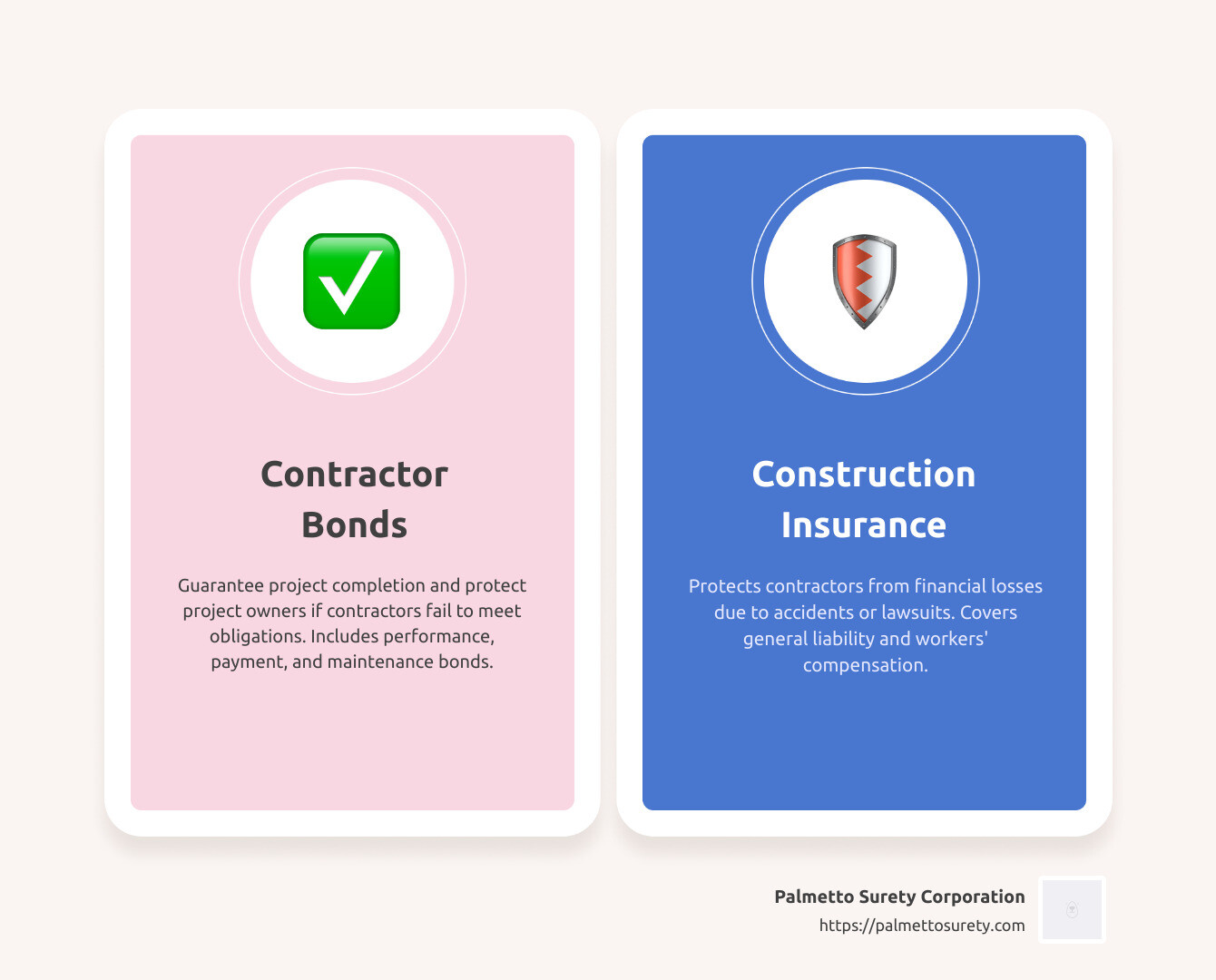
- Contractor Bonds: Provide a guarantee to project owners if a contractor fails to fulfill obligations. Common types include performance, payment, and maintenance bonds.
- Insurance: Protects contractors from financial losses due to accidents or lawsuits. This includes general liability and workers’ compensation insurance.
Why are these protections important? They ensure projects are completed as promised and protect against financial setbacks. For contractors, being bonded and insured not only safeguards financial interests but also enhances credibility with clients.
I’m Haiko de Poel Jr, a marketing expert at Palmetto Surety Corporation. With experience in branding and digital transformation, I have helped shape the industry’s understanding of contractor bonds and insurance. My insights aim to make these complex topics clear and accessible.
What Are Contractor Bonds?
Contractor bonds are a type of surety bond that provides a financial guarantee to project owners. If a contractor fails to meet their contractual obligations, the bond ensures that the project owner is compensated for any financial losses. These bonds are essential in the construction industry as they help ensure projects are completed as planned.
Three-Party Agreement
A contractor bond involves three parties:
- Principal: The contractor or business purchasing the bond.
- Obligee: The project owner or client who requires the bond.
- Surety: The company that underwrites and issues the bond.
The surety company provides a financial guarantee to the obligee, ensuring that the principal fulfills their contractual obligations.
Types of Contractor Bonds
There are several types of contractor bonds, each serving a specific purpose:
-
Bid Bonds: These bonds guarantee that a contractor, if awarded the contract, will enter into the agreement and provide the required performance and payment bonds. They protect project owners from losing money if the winning bidder fails to start the project.

-
Performance Bonds: These bonds ensure that a contractor will complete a project according to the terms and conditions of the contract. If the contractor fails to do so, the project owner can claim the bond to cover the cost of completing the project.
-
Payment Bonds: These bonds guarantee that a contractor will pay subcontractors, laborers, and suppliers. They protect against liens being placed on a property due to unpaid bills.
-
Maintenance Bonds: These bonds provide a warranty on the workmanship and materials used in a project for a specified period after completion. They ensure that any defects are repaired without additional cost to the project owner.
-
License Bonds: These bonds are required by some states or municipalities to ensure that contractors adhere to local regulations and licensing requirements.
-
Permit Bonds: Similar to license bonds, permit bonds are required for specific types of work, such as electrical or plumbing, ensuring compliance with local codes and laws.
Contractor bonds are a critical component of the construction process, providing security and peace of mind to project owners and helping contractors demonstrate their reliability and professionalism.
What Is Construction Insurance?
Construction insurance is a crucial safeguard for contractors, offering protection against financial losses due to various risks associated with construction projects. Unlike contractor bonds, which involve a three-party agreement, construction insurance is a two-party agreement between the contractor and the insurance company. The insurance company agrees to cover specified losses in exchange for premium payments.
Types of Construction Insurance
Construction insurance encompasses several types of policies, each designed to cover different aspects and risks of a construction project:
-
General Liability Insurance: This is the cornerstone of construction insurance. It provides coverage for third-party claims of bodily injury or property damage caused by the contractor’s operations. For example, if a passerby is injured by falling debris at a construction site, general liability insurance would cover the medical expenses and legal fees.
-
Workers’ Compensation Insurance: Essential in almost every state, this insurance covers medical expenses and lost wages for workers who suffer job-related injuries or illnesses. In high-risk industries like construction, workers’ comp is vital to protect both employees and the business.
-
Professional Liability Insurance: Also known as errors and omissions (E&O) insurance, this policy protects contractors against claims of negligence or inadequate work that results in a client’s financial loss. For instance, if a contractor’s advice leads to costly project errors, this insurance would cover legal fees and damages.
-
Builder’s Risk Insurance: This policy covers damage to buildings under construction due to events like fire, windstorms, or theft of materials. It ensures that the project can continue without financial disruption if such incidents occur.
Each type of insurance plays a unique role in protecting a contractor’s business from unforeseen challenges. By understanding and selecting the right coverage, contractors can safeguard their operations and maintain financial stability.
Contractor Bonds vs. Insurance: Key Differences
When it comes to protecting your construction business, understanding the differences between contractor bonds and insurance is crucial. Both serve to mitigate risks, but they do so in distinct ways. Let’s break down the key differences by examining who is protected, control over claims, and financial responsibility.
Who Is Protected?
Contractor Bonds primarily protect the project owner. These bonds reassure project owners that contractors will fulfill their contractual obligations. If the contractor fails to do so, the project owner can make a claim against the bond to cover losses.
Construction Insurance, on the other hand, protects the policyholder, who is usually the contractor. It covers various risks associated with construction projects, such as accidents, property damage, and legal liabilities. Insurance ensures that the contractor’s business remains financially stable even when unexpected events occur.
Control Over Claims
When it comes to contractor bonds, claims are controlled by surety companies. If a project owner files a claim, the surety investigates and, if valid, pays the project owner. However, the contractor must reimburse the surety for the amount paid out. This highlights the importance of contractors adhering to their contractual agreements.
For construction insurance, claims are managed by insurance companies. If a covered event occurs, the insurance company compensates the contractor for losses, such as legal fees or settlements. Unlike bonds, once an insurance claim is settled, the contractor doesn’t have to repay the insurance company.
Financial Responsibility
With contractor bonds, financial responsibility ultimately falls on the contractor. If a claim is made, the surety pays initially, but the contractor is required to repay the surety. This repayment is often outlined in an indemnity agreement.
In contrast, construction insurance involves insurance payouts that do not require reimbursement by the contractor. However, insurance claims can lead to increased premiums, affecting the contractor’s future costs.
Cost Factors
The cost of obtaining contractor bonds and construction insurance varies based on several factors. For bonds, pricing depends on the contractor’s credit quality, project history, and the bond type. Typically, bonds cost 1-15% of the bond’s face value.
Insurance premiums are influenced by location, coverage limits, the type of policies chosen, and the contractor’s business details, such as company revenue and number of employees. It’s essential for contractors to work with a knowledgeable agent to steer these costs and choose the right coverage.
Understanding these differences helps contractors make informed decisions about the protections they need, ensuring they are well-prepared for any challenges that may arise during a construction project.
How to Obtain Contractor Bonds and Insurance
Securing contractor bonds and insurance is a vital step for any construction business. Let’s explore what you need to know about the requirements, application process, and cost factors involved.
Requirements
To obtain a contractor bond, you’ll need to demonstrate your creditworthiness, project history, and the specifics of your project. A surety company will evaluate these factors to determine your eligibility and the cost of the bond.
For insurance, requirements vary depending on the type of coverage you seek. Generally, you’ll need to provide details about your business operations, including revenue, number of employees, and the services you offer.
Application Process
Applying for contractor bonds typically involves submitting a detailed application to a surety company. They will assess your financial history, credit score, and project details. If approved, you will receive a bond at a percentage of its total value, usually between 1-15%.
For construction insurance, the process is similar but often more straightforward. You’ll work with an insurance agent to identify the right policies for your needs. Once your application is reviewed and approved, you can purchase the insurance coverage.
Cost Factors
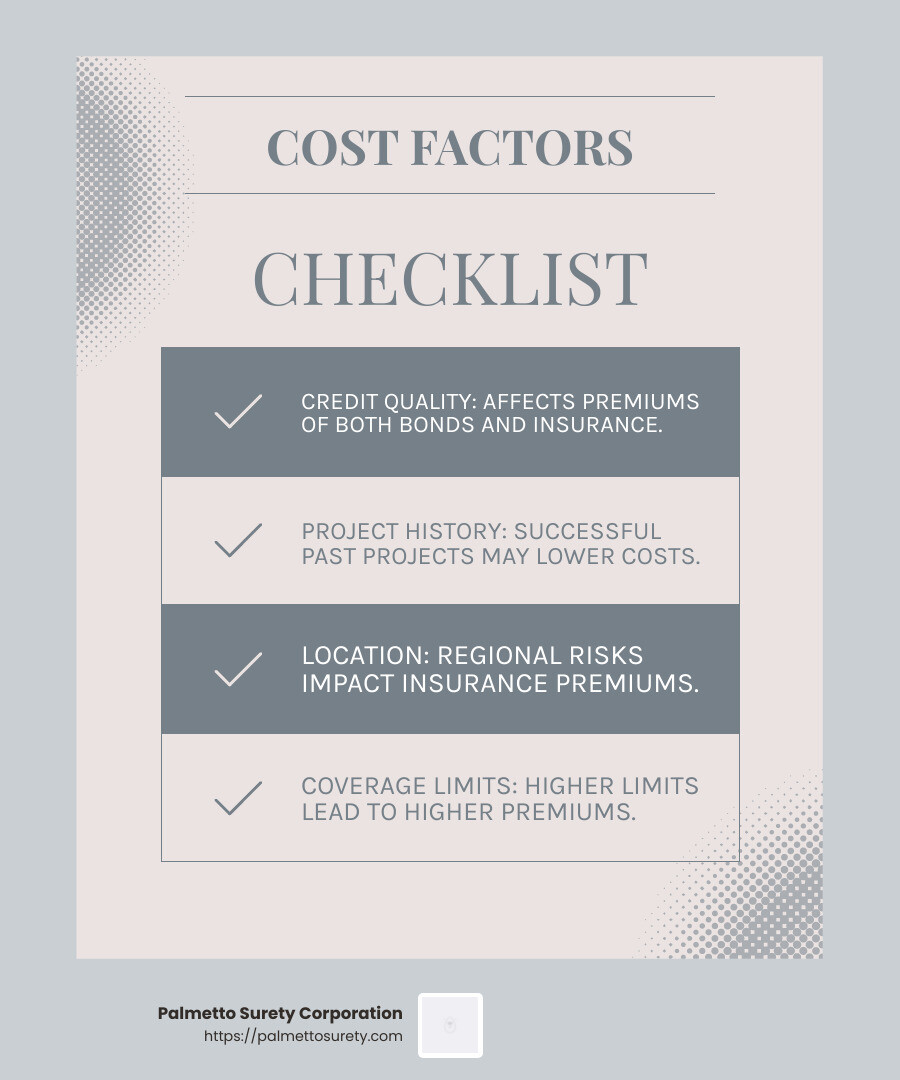
Several factors influence the cost of both contractor bonds and insurance:
-
Credit Quality: A higher credit score can lead to lower bond premiums. Similarly, good credit can reduce insurance costs.
-
Project History: A successful track record in past projects can help lower bond costs. Insurance premiums might also be affected by your history of claims.
-
Location: The geographical area of your operations can impact insurance premiums due to varying regional risks.
-
Coverage Limits: Higher coverage limits generally mean higher premiums for both bonds and insurance.
-
Number of Employees: More employees can increase insurance costs, especially for workers’ compensation coverage.
Working with a knowledgeable agent can help you steer these cost factors and find the most economical solutions for your business needs.
By understanding these requirements and cost factors, you can make informed decisions when obtaining contractor bonds and insurance. This ensures your business is protected and financially stable, ready to tackle any construction project.
Frequently Asked Questions about Contractor Bonds and Insurance
What is the difference between bonded and insured for a contractor?
When a contractor is bonded, it means they have a surety bond in place. This bond is a three-party agreement involving the contractor (principal), the client (obligee), and the surety company. The bond ensures that the contractor will fulfill their obligations. If they don’t, the surety company compensates the client, and the contractor must repay the surety.
Being insured means the contractor has purchased insurance policies that protect against accidental damages or injuries. Insurance is a two-party agreement between the contractor and the insurance company. It covers costs like legal fees, medical expenses, or property repairs if something goes wrong on the job.
Bonds protect the client, while insurance protects the contractor.
What are the three types of bonds that can be required from a contractor?
Contractors may need various bonds depending on the project and client requirements. Here are three common types:
-
Bid Bonds: These ensure that a contractor will honor their bid and provide the required performance and payment bonds if awarded the contract.
-
Performance Bonds: These guarantee that the contractor will complete the project according to the contract terms. If they fail, the bond covers the costs to complete the project.
-
Payment Bonds: These protect subcontractors and suppliers by ensuring they receive payment for their work and materials, even if the contractor defaults.
What are the four types of bonds in construction?
In the construction industry, the following four bonds are commonly used:
-
Bid Bonds: As mentioned, these bonds are used during the bidding process to ensure the contractor will follow through if awarded the contract.
-
Performance Bonds: These provide assurance that the project will be completed as specified in the contract.
-
Payment Bonds: These ensure that everyone involved in the project gets paid, safeguarding subcontractors and suppliers.
-
Maintenance Bonds: These bonds offer protection against defects in workmanship or materials for a specific period after the project is completed, acting like a warranty for the project owner.
Understanding these bonds and their purposes helps contractors meet client requirements and secure projects successfully.
Conclusion
In construction, both contractor bonds and insurance are essential tools that offer distinct but complementary protections. Bonds provide assurance to project owners that contractors will fulfill their contractual obligations, while insurance protects contractors against unforeseen incidents like accidents or property damage. Together, they create a safety net that builds trust and confidence with clients.
Palmetto Surety Corporation stands out as a reliable partner in securing these necessary protections. With over 20 years of experience, we specialize in providing a wide range of surety bonds custom to the needs of various industries, including construction. Our quick approval process ensures that you can obtain the necessary bonds without unnecessary delays, allowing you to focus on what you do best—completing projects efficiently and effectively.
Our dedication to providing efficient service means you can count on us to support your business operations seamlessly. Whether you need a bid bond to secure a project or a performance bond to guarantee your work, our expertise helps you steer the complexities of surety bonds with ease.
For more information on how we can assist you with your contractor bonds and insurance needs, visit our Palmetto Surety Corporation service page. Let us help you secure your business and build trust with your clients.


