


What Is Licensed and Bonded Contractor: Top 5 Benefits
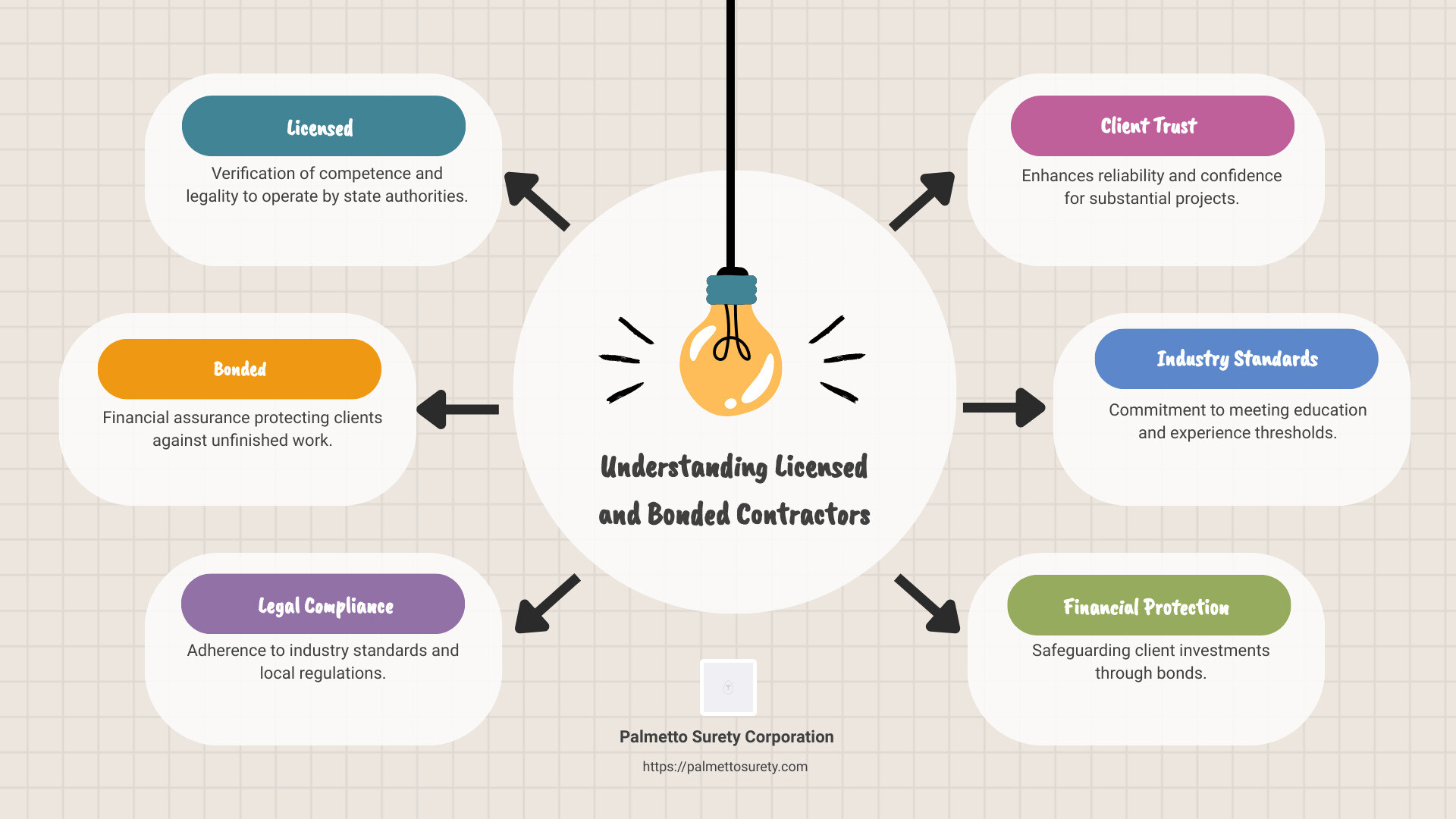
What is a licensed and bonded contractor? When you’re choosing a professional to handle your construction project, these credentials are crucial. A licensed contractor holds a certification from a state or local authority, ensuring they meet certain standards of education and experience. Meanwhile, a bonded contractor has a financial guarantee in place to protect clients against unfinished work or financial discrepancies.
- Licensed: Indicates verified competence and legality to operate.
- Bonded: Offers financial protection against contractor default or dishonesty.
In the construction industry, these terms signify a business’s commitment to meeting industry standards, legal requirements, and protecting client interests. They help engender trust and reliability, crucial aspects for substantial investments like construction projects.
My name is Haiko de Poel Jr, with a robust background in explaining complex topics like what is licensed and bonded contractor. My expertise spans innovative marketing and online product development, assisting businesses like Palmetto Surety Corporation in delivering vital information on surety bonds confidently.
What is licensed and bonded contractor terms explained:
– do general contractors need to be licensed bonded and insured
– how to become licensed and bonded contractor
– how to check if a contractor is licensed and bonded
What Does It Mean to Be a Licensed Contractor?
A licensed contractor is someone who has met the necessary requirements to legally operate their business in the construction industry. This involves obtaining a contractor’s license through a state licensing board. This license acts as a quality assurance stamp, indicating the contractor has the necessary skills and knowledge.
Licensing Process
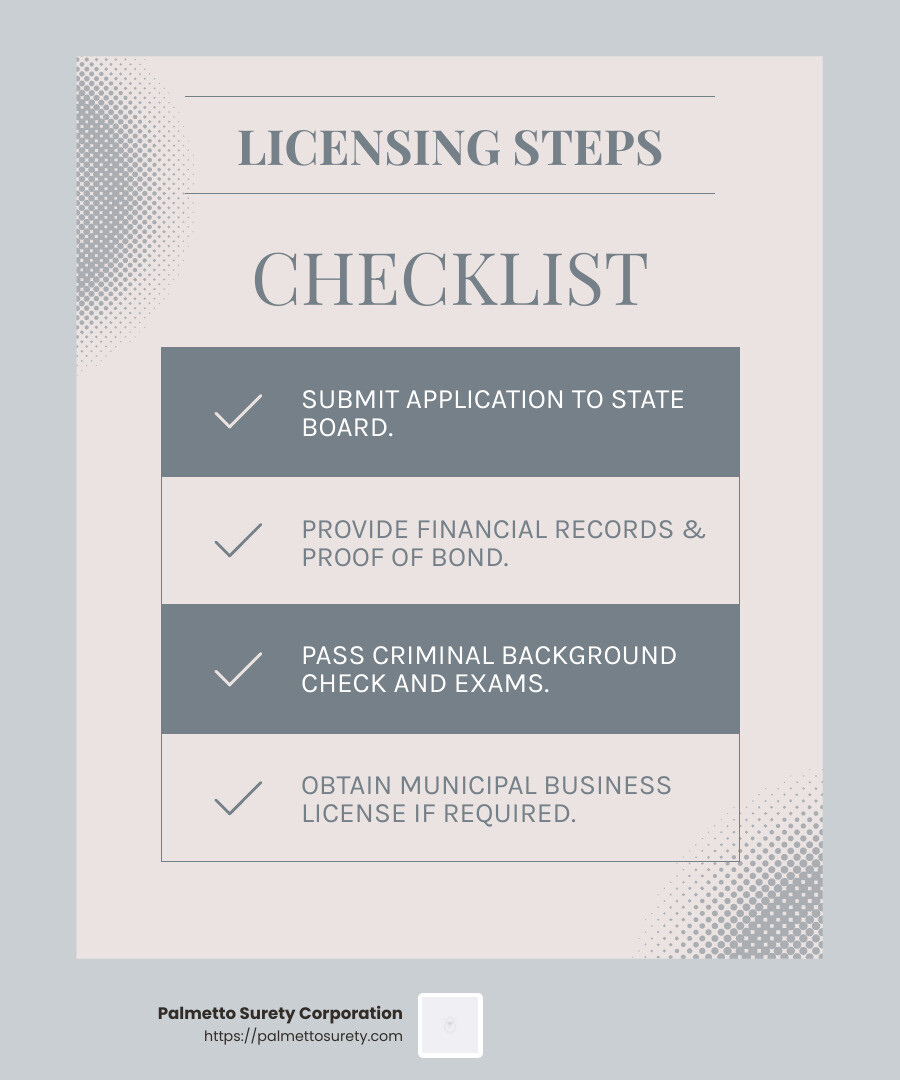
The path to becoming a licensed contractor involves several key steps:
-
Application Process: This often starts with an application to the relevant state licensing board. Be prepared to pay an application fee.
-
Financial Documents: You need to submit detailed financial records. This helps the licensing board assess your financial stability.

-
Proof of Insurance and Bond: Contractors must provide proof of insurance and a surety bond. These documents protect clients from financial loss if the contractor fails to complete a project.
-
Criminal Background Check: Contractors must pass a criminal background check and may need to register their fingerprints with the state.
-
Municipal Business License: Depending on the state, a municipal business license might also be required.
-
Contractor Exams: Most states require contractors to pass exams that test their knowledge in specific areas of construction. These exams ensure contractors understand the technical aspects of their trade.
Types of Contractor Licenses
The type of contractor license required can vary based on the work you plan to do:
-
Tiered Licensing System: Some states have a tiered system where the license needed depends on the size or scope of the work. For example, a contractor might need a different license for small residential projects versus large commercial ones.
-
Specialty Trades: If you specialize in a certain area, like plumbing or HVAC, you might need additional licenses. These specialty licenses ensure contractors have the expertise necessary for their specific trade.
-
Commercial vs. Residential: The requirements can also differ based on whether the work is commercial or residential. Different licenses may be needed for each type of project.
Understanding these requirements is crucial for contractors to operate legally and effectively. A licensed contractor not only meets legal standards but also builds trust with clients by demonstrating professionalism and competence.
What Does It Mean to Be a Bonded Contractor?
A bonded contractor is one who has secured a surety bond, which is a legal agreement involving three parties: the principal (the contractor), the obligee (usually the project owner or client), and the surety (the insurance company providing the bond). This bond ensures that the contractor will fulfill their contractual obligations and provides financial protection to the client if the contractor fails to meet these obligations.
Types of Surety Bonds
There are several types of surety bonds that contractors might need, depending on the nature of their work:
- Contract Bonds: These are often required for construction projects and include various subtypes:
- Performance Bonds: Ensure that the contractor completes the project as per the contract terms.
- Payment Bonds: Guarantee that the contractor will pay subcontractors, laborers, and suppliers.
-
Bid Bonds: Provide assurance that the contractor will honor their bid and execute the contract at the bid price if selected.
-
Commercial Bonds: Typically required for businesses working with government entities, these bonds ensure compliance with regulations and laws.
-
Ancillary Bonds: Cover obligations outside the primary contract, such as maintenance or warranty agreements.
Bonding Process
Becoming a bonded contractor involves several steps:
-
Finding a Surety: Contractors must first find a surety company that offers the type of bond they need. Companies like Palmetto Surety Corporation specialize in providing a range of surety bonds.
-
Underwriting Process: The surety will assess the contractor’s financial health, experience, and ability to complete the project. This evaluation helps determine the risk involved in issuing the bond.
-
Premium Quote: Based on the underwriting assessment, the surety provides a premium quote. This is the cost of the bond, typically a small percentage of the bond amount.
-
Bond Paperwork: Once the premium is paid, the contractor receives the bond paperwork. This document is then submitted to the relevant authorities or project owners as proof of bonding.
By securing a surety bond, contractors not only fulfill legal and financial obligations but also improve their credibility and trustworthiness in the eyes of potential clients. A bonded contractor demonstrates a commitment to quality and reliability, making them a preferred choice for many clients.
What Does It Mean to Be an Insured Contractor?
Being an insured contractor means having the right insurance products to protect against various risks associated with construction and maintenance work. Insurance is crucial for managing potential losses, such as property damage, injuries, or workers’ compensation claims. It offers peace of mind to both contractors and clients, ensuring that unforeseen events don’t lead to financial ruin.
Types of Contractor Insurance
Contractors often require several types of insurance to cover different aspects of their operations:
-
General Liability Insurance: This is a must-have for contractors. It covers legal fees and compensation for injuries or property damage caused by the contractor’s operations.
-
Workers’ Compensation Insurance: This protects employees by covering medical expenses and lost wages if they are injured on the job. It’s not just a safety net for workers; it also shields the contractor from potential lawsuits.
-
Vehicle Liability Insurance: Essential for contractors who use vehicles for business purposes, this insurance covers damages or injuries resulting from vehicle accidents.
-
Pollution Liability Insurance: This is particularly important for contractors involved in projects that might impact the environment. It covers claims related to environmental damage.
-
Optional Insurance Types: Contractors can also opt for additional coverage like tools and equipment insurance, which covers the cost of replacing stolen or damaged tools.
Insurance vs. Bonding
While both insurance and bonding provide protection, they serve different purposes and involve different parties.
-
Risk Transfer: Insurance transfers the risk of financial loss from the contractor to the insurer. In contrast, a bond keeps the risk with the contractor, as they must repay the surety if a claim is made.
-
Coverage Differences: Insurance covers incidents like accidents or property damage, whereas bonds ensure the contractor meets contractual obligations.
-
Client Protection: Clients benefit from both insurance and bonds. Insurance protects them from financial loss due to accidents, while bonds ensure project completion or compensation if the contractor defaults.
-
Business Protection: For contractors, having the right insurance can prevent unexpected costs from derailing their business. It also improves credibility, showing clients that the contractor is prepared for any eventuality.
In short, being an insured contractor is essential for managing risks and maintaining trust with clients. It’s a proactive step that protects both the business and its clients from potential financial pitfalls.
Why Your Business Should Be Licensed, Bonded, and Insured
Operating as a licensed, bonded, and insured contractor is not just about compliance. It’s about building trust and ensuring financial protection for both your business and your clients. Let’s explore the benefits this brings to both parties.
Benefits for Clients
-
Financial Security
When clients hire a licensed, bonded, and insured contractor, they gain peace of mind. They know that if something goes wrong, they have financial protection. For instance, if a contractor fails to complete a project, a surety bond can compensate for the losses. This is crucial in industries like construction, where projects often involve significant investments. -
Quality Assurance
Licensing ensures that contractors meet specific standards and have the necessary skills to perform the work. This assures clients of quality and competence. It means the contractor has passed exams, met financial requirements, and undergone background checks, ensuring they are qualified for the job. -
Legal Recourse
Licensed and bonded contractors provide clients with legal recourse. If a project isn’t completed to agreed standards or if there are disputes, clients can file claims against the bond. This legal protection is a significant advantage, ensuring clients aren’t left in the lurch.
Benefits for Contractors
-
Business Credibility
Being licensed, bonded, and insured sets a contractor apart. It shows professionalism and a commitment to quality. This can be a key factor in winning contracts, as clients often prefer working with contractors who have these credentials. -
Risk Management
Insurance and bonds play a crucial role in risk management. They protect contractors from financial losses due to accidents, property damage, or legal claims. For instance, liability insurance covers potential lawsuits, while workers’ compensation protects against employee injury claims. -
Compliance with Regulations
Many states and municipalities require contractors to be licensed and bonded. Compliance with these regulations is essential for legally operating a business. It also prevents potential fines or legal issues that can arise from non-compliance. -
Reputation Management
A licensed, bonded, and insured status improves a contractor’s reputation. It signals reliability and responsibility, fostering trust with clients. This reputation can lead to more business opportunities and long-term success.
In summary, being licensed, bonded, and insured is a strategic move for any contractor. It not only meets legal requirements but also builds trust, manages risk, and improves business credibility. This trifecta of benefits is why it’s an essential foundation for any contracting business.
Frequently Asked Questions about Licensed and Bonded Contractors
What is the difference between bonded and licensed?
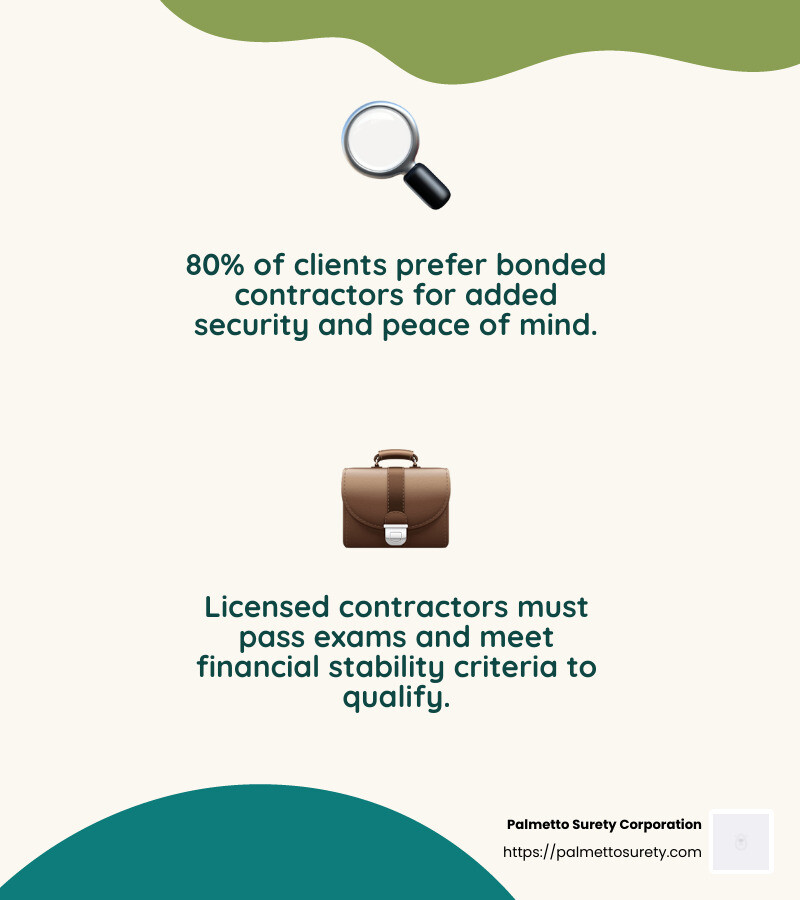
Being licensed and bonded are two distinct aspects of a contractor’s qualifications. A license qualification ensures that a contractor has met all the necessary state or local requirements to legally perform their work. This typically involves passing exams to prove knowledge and competence in their trade, as well as providing financial records to demonstrate stability.
On the other hand, being bonded refers to having a surety bond in place. This bond acts as a financial protection mechanism for clients. It ensures that if a contractor fails to fulfill their contractual obligations, the client will receive compensation. While a license is about proving capability and compliance, a bond is about financial protection and trust.
Why would a person need to be bonded?
A contractor might need to be bonded for several reasons, primarily revolving around fraud protection and performance guarantees. A surety bond provides a safeguard against fraudulent activities or unfinished work. It guarantees that if a contractor does not complete a project or fails to meet the agreed standards, the client will be financially compensated.
Moreover, in some industries, being bonded is a requirement to bid on certain projects. This indemnity bond ensures that clients are not left at a loss if the contractor defaults. Essentially, bonding is a promise of reliability and accountability, providing peace of mind for both contractors and their clients.
What is the difference between being insured and bonded?
While both insurance and bonds offer financial protection, they serve different purposes and involve different parties. Insurance is a risk management tool that protects the contractor from various liabilities, such as property damage or employee injuries. For example, insurance claims might cover damages if a worker is injured on-site or if a contractor inadvertently damages a client’s property.
In contrast, a bond involves a three-party agreement between the contractor (principal), the client (obligee), and the surety company. A bond claim is filed by the client if the contractor fails to meet their obligations. The surety company then compensates the client, but unlike insurance, the contractor is ultimately responsible for repaying the surety.
In summary, insurance protects the contractor from unforeseen risks, while a bond protects the client from contractor default. Both are crucial for building trust and ensuring the smooth operation of contracting businesses.
Conclusion
Choosing the right contractor for your project involves understanding the importance of being licensed, bonded, and insured. These elements are crucial for ensuring both the safety and success of your project. At Palmetto Surety Corporation, we specialize in providing the surety bonds necessary for contractors to meet their legal and financial obligations.
Located in Charleston, SC, Palmetto Surety Corporation has been a trusted partner in the commercial surety and bail bond industry for over 20 years. We pride ourselves on our ability to offer quick approval and efficient service, making it easier for contractors to obtain the bonds they need. Our team works diligently to process most applications within hours, ensuring that our clients can focus on their business operations without unnecessary delays.
By partnering with us, contractors can improve their business credibility, manage risks effectively, and comply with regulations. This, in turn, builds trust with clients, providing them with the financial security and quality assurance they deserve.
For more information on how Palmetto Surety Corporation can assist you with your surety bond needs, visit our service page. Let us help you steer the complexities of being a licensed and bonded contractor with ease.


