


How Long Does It Take to Become a Notary in 2024? Expert Guide
From Application to Commission: How Long Does It Take to Become a Notary?
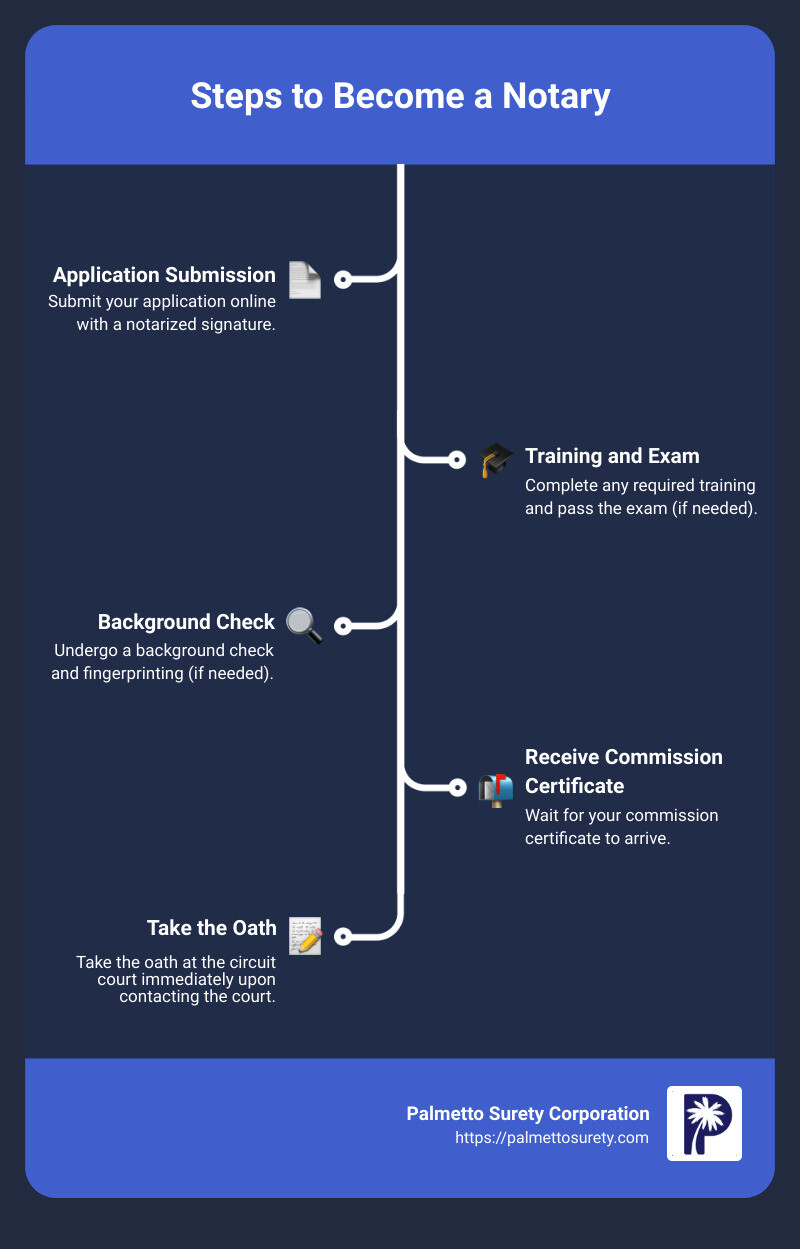
How long does it take to become a notary varies from state to state, but the whole process generally takes between a few weeks to a few months, depending on specific state requirements. Here’s a quick overview:
- Application Submission: 1-3 weeks
- Training and Exam (if needed): 1 day to several weeks
- Background Check and Fingerprinting (if needed): 1-2 weeks
- Commission Certificate Receipt: 1-3 weeks
- Taking the Oath: Immediate, upon contacting the court
The total time can range from 3 weeks to 3 months.
Becoming a notary is a noteworthy achievement that serves your community by preventing fraud and attesting to the authenticity of crucial documents. Notaries are valuable in various industries such as finance, law, healthcare, and government. The process to become one might seem complex, but we break it down here to help you understand each step and what to expect.
I’m Haiko de Poel Jr, an expert in this field with practical experience in navigating and explaining the notary application process. My experience with Palmetto Surety Corporation and other notable firms has made me well-versed in guiding individuals through this journey to becoming a notary efficiently and effectively.
How long does it take to become a notary words to remember:
– how do you become a notary public
– how to become a notary in tennessee
– how to become a notary in tn
Basic Requirements to Become a Notary
To become a notary, you need to meet some basic requirements. These requirements can vary by state, but generally include the following:
Age Requirement
You must be at least 18 years old. This is a standard requirement across all states.

Residency
You need to be a legal resident of the state where you wish to become a notary. Some states also allow residents of neighboring states to apply if they work in the state. For example, Virginia permits non-residents who are regularly employed in the state to become notaries.
Language Proficiency
Most states require notary applicants to be able to read and write English. This ensures that you can understand the documents you will be notarizing and communicate effectively with signers.
Legal Status
You must be a legal resident of the United States. This means you need to have proper documentation proving your legal status in the country.
Criminal Record
Having a clean criminal record is crucial. Generally, you cannot become a notary if you have been convicted of a felony. Some states might allow applicants with a felony record to apply if they have had their civil rights restored. For example, in Virginia, individuals with a past felony conviction must have their civil rights restored to qualify.
Fact: Notaries have a significant role in preventing fraud and ensuring the integrity of legal agreements. Thus, having a clean background is essential.

These basic requirements ensure that notaries are trustworthy and capable of performing their duties effectively. Meeting these criteria is the first step in your journey to becoming a notary. Next, we will discuss the application process and what you need to do to get started.
How Long Does It Take to Become a Notary?
The time it takes to become a notary can vary based on several factors, including your state’s specific requirements and the efficiency of their processing system. Let’s break down the steps to give you a clearer picture.
Application Process
The journey begins with the application process. Here are the key steps:
- Online Application: Most states offer an online application system. This makes it easy to fill out your details and submit your application.
- Notarized Signature: You will need to have your signature notarized on the application. This step ensures that your application is legitimate.
- Mailing Application: After completing the online form and getting your signature notarized, you must print and mail the application. For example, in Virginia, you would mail it to the Notary Office, P.O. Box 1795, Richmond, Virginia 23218.
- Application Fee: The fee varies by state. In Virginia, the application fee is $45, payable by credit card, check, or money order.
Tip: Ensure your application is complete and accurate to avoid delays.
Processing Time
Once your application is submitted, the waiting begins. Here’s what to expect:
- General Turnaround: The processing time can vary, but it generally takes about 2.5 to 3 weeks in Virginia for properly completed applications to be approved.
- State-Specific Timelines: Some states might take longer, especially if they have additional requirements like training or exams.
- Delays: Be aware of potential delays due to high volumes of applications or incomplete submissions.
Fact: In some states, the process can take up to 7-9 weeks if training or exams are required.
Taking the Oath
After your application is approved, you will receive a notification to take the next steps:
- Approval Notification: You will be notified via mail or email once your application is approved. This notification will guide you on how to proceed.
- Circuit Court: You will need to visit the circuit court you selected in your application to take your oath and be sworn in. In Virginia, this must be done within 60 days of your commission being issued.
- Oath Fee: There is usually a small fee for this step. In Virginia, it’s $10.
- Commission Certificate: After taking the oath, you will receive your notary commission certificate. This document officially authorizes you to perform notarial acts.
Reminder: Failure to claim your commission within the specified time (60 days in Virginia) means you will need to reapply and pay the fee again.
By following these steps, you can become a notary in as little as 4 weeks in states with minimal requirements, or up to 9 weeks where additional training and exams are needed.
Next, let’s dig into the costs involved in becoming a notary.
Costs Involved in Becoming a Notary
Becoming a notary involves several costs, from application fees to supplies. Let’s break down the expenses you can expect.
Application and Oath Fees
The initial fees you’ll encounter are for your application and taking the oath:
- Application Fee: This fee varies by state. In Virginia, the fee is $45. This covers the cost of processing your application.
- Oath Fee: After your application is approved, you’ll need to take an oath at the circuit court. In Virginia, this costs an additional $10.
These fees are essential for processing and officially commissioning you as a notary.
Additional Supplies
Once you’re commissioned, you’ll need specific supplies to perform your duties:
- Notary Seal: This is used to authenticate your notarial acts. It typically includes your name, commission number, and state.
- Record Book: Also known as a journal, this is where you’ll record all notarial acts you perform. It’s crucial for maintaining accurate records.
- Embosser: Although not always required, an embosser can add an extra layer of security to your notarizations.
These supplies ensure you can perform your duties correctly and professionally.
Optional Insurance
While not required, many notaries opt for Errors and Omissions Insurance (E&O Insurance). This type of insurance protects you against claims related to mistakes or omissions made during notarizations.
- Protection Against Claims: E&O insurance covers legal fees and damages up to the coverage amount you select. This can give you peace of mind and financial protection if an error occurs.
Investing in E&O insurance is a wise choice to safeguard your notary practice against potential liabilities.
Next, we’ll discuss the duration of a notary commission and the renewal process.
Duration of a Notary Commission
Commission Term
In the U.S., the duration of a notary commission varies by state. For example, Virginia has a standard commission term of four years. This means once you are commissioned, you can perform notarial acts for four years before needing to renew your commission.
The commission term begins on the date your commission is issued and ends on the expiration date noted on your commission certificate. It’s essential to keep track of this date to ensure you continue to operate legally.
Renewal Process
Renewing your notary commission is straightforward but crucial. In Virginia, the renewal process involves:
- Renewal Application: Submit a renewal application before your current commission expires. This ensures there’s no gap in your commission period.
- Good Standing: You must be in good standing, meaning no ongoing investigations or disciplinary actions against you.
- No Investigation: Ensure you have not been under investigation for any notarial misconduct during your current term.
Expiration Date
The expiration date of your commission is critical. In Virginia, your commission term typically ends in your birth month four years after issuance. For example, if your commission was issued in June 2023 and your birth month is September, your commission will expire in September 2027.
To avoid any disruptions, it’s best to start the renewal process a few months before your expiration date. This gives you ample time to complete any necessary steps and ensures you can continue your notarial duties without interruption.
Next, let’s look at some frequently asked questions about becoming a notary.
Frequently Asked Questions about Becoming a Notary
How much does it cost to become a notary in VA?
The cost to become a notary in Virginia is relatively affordable. Here’s a breakdown of the main expenses:
- Application Fee: $45
- Oath Fee: $10
In addition to these mandatory fees, you might also want to invest in some optional supplies and insurance:
- Notary Seal or Stamp: Prices vary, but you can find quality options starting around $20.
- Notary Record Book (Journal): Recommended but not required, typically costing between $10-$30.
- Errors and Omissions (E&O) Insurance: Optional but highly recommended. Prices vary based on coverage, but it’s generally affordable.
These costs can add up, but they ensure you’re fully equipped to perform your duties effectively and protect yourself from potential liabilities.
Do you have to take a test to become a notary in Virginia?
No, Virginia does not require a test to become a notary. However, you must become thoroughly familiar with the Virginia Notary Handbook. This ensures you understand the responsibilities and legal requirements of your role.
How long is a notary good for in Virginia?
A notary commission in Virginia is valid for four years. This means you can perform notarial acts for four years from the date your commission is issued. Your commission will expire in your birth month four years later. For example, if your commission was issued in June 2023 and your birth month is September, your commission will expire in September 2027.
It’s important to keep track of your commission’s expiration date and start the renewal process a few months in advance to avoid any disruptions in your notarial duties.
Next, let’s look at the costs involved in becoming a notary.
Conclusion
Becoming a notary is a rewarding and valuable profession. It allows you to serve your community by preventing fraud and ensuring the integrity of legal documents. The process to become a notary varies by state, so it’s important to understand the specific requirements and timelines for your area.
In Virginia, the journey from application to commission can take anywhere from 4 to 9 weeks, depending on the specific requirements and processing times. This includes submitting an application, paying the necessary fees, and, once approved, taking the oath of office.
While the initial costs might seem like a lot, they are a small investment for the benefits and opportunities that come with being a notary. Besides the application and oath fees, you might also consider purchasing a notary seal, a record book, and Errors and Omissions (E&O) insurance for added protection.
As you prepare to become a notary, your commission will be valid for four years. Keeping track of your expiration date and starting the renewal process early will ensure you can continue your notarial duties without interruption.
At Palmetto Surety Corporation, we understand the importance of supporting notaries throughout their careers. We offer various surety bonds and insurance options to help you stay protected and compliant with state laws. Our goal is to provide exemplary customer support and ensure you have everything you need to succeed as a notary.
If you’re ready to take the next step in becoming a notary, or if you need assistance with surety bonds, don’t hesitate to contact us. We’re here to help you every step of the way.


