


How to Get a Bond in Federal Court: Top 5 Secrets for 2024
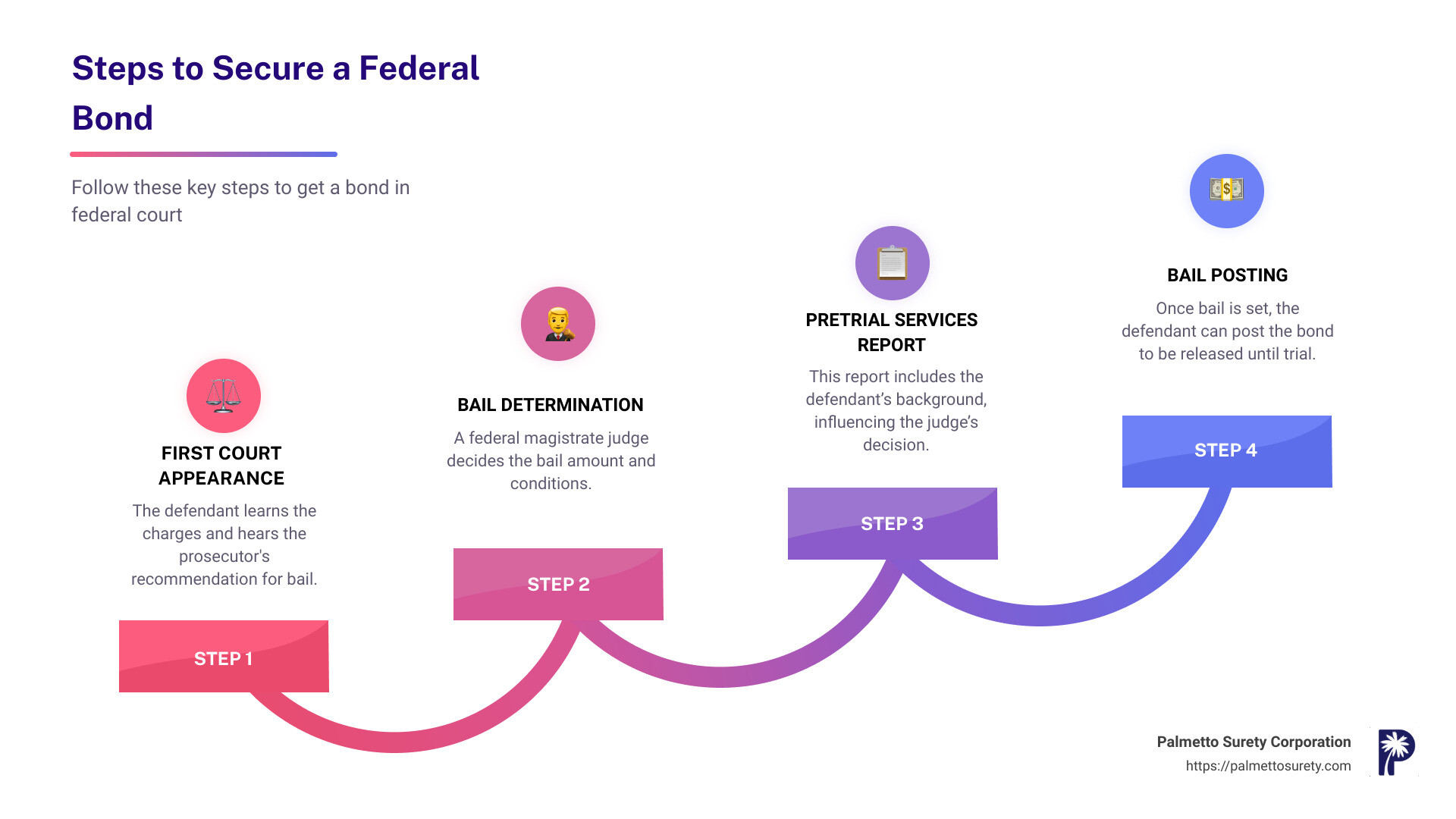
Getting a bond in federal court is crucial right after an arrest. To help those in custody understand better, here are the primary steps to secure a bond in federal court:
- First Court Appearance: The defendant learns the charges and hears the prosecutor’s recommendation for bail.
- Bail Determination: A federal magistrate judge decides the bail amount and conditions.
- Pretrial Services Report: This report includes the defendant’s background, influencing the judge’s decision.
When arrested on federal charges, the main goal is getting out on bail so you can prepare your legal defense. Bail is essentially the money defendants must pay to be released from custody until their trial.
The federal bail process is different from state bail systems:
- No Automatic Bonds: Unlike states, there’s no set bail schedule in federal courts.
- Pretrial Investigation: Federal courts have pretrial services that investigate the defendant’s background and recommend bail.
Hello, I’m Haiko de Poel Jr. With years of experience in marketing and digital change, I’ve redesigned and rebranded surety bond companies, making complex processes understandable. This guide on how to get a bond in federal court leverages my insight into simplifying intricate systems.
Understanding Federal Bail
What is Bail in Federal Court?
Bail is the amount of money a defendant must post to be released from custody after an arrest. It ensures that the defendant returns to court when ordered to do so. If they fail to appear, the court keeps the bail and can rearrest the defendant.
In federal court, bail is not automatically set. Instead, a federal magistrate judge determines the bail amount after considering a pretrial services report. This report includes the defendant’s criminal history, employment, family ties, and financial background.
There are three main types of bonds in federal court:
- Cash Bond: The defendant pays the full bail amount in cash.
- Property Bond: The defendant or a third party uses real estate or other property as collateral.
- Signature Bond: The defendant or a responsible third party signs a document agreeing to pay the bail amount if the defendant fails to appear in court.
Conditional Bail and Pretrial Detention
Conditional bail involves additional conditions to mitigate flight risks. Examples include electronic monitoring, restricted travel, and surrendering passports. If the defendant violates these conditions, the court can revoke bail and return them to custody.

Pretrial detention means keeping the defendant in custody until the trial. This happens if the judge believes no conditions can ensure the defendant’s appearance in court or the safety of the community.
The Bail Reform Act guides federal bail decisions. It states that bail should not be excessive and presumes release on personal recognizance unless it won’t assure the defendant’s court appearance or the safety of others.
Pretrial services play a crucial role. They investigate the defendant’s background and provide a report to the magistrate judge. This report heavily influences bail decisions.
During the detention hearing, the judge considers factors like:
- The nature and circumstances of the offense
- The weight of the evidence
- The defendant’s history and characteristics
- The potential danger to the community
Understanding these aspects can help steer the federal bail process effectively and ensure a better outcome for the defendant.

How to Get a Bond in Federal Court
Types of Bonds in Federal Court
In federal court, there are several types of bonds that can be used to secure a defendant’s release before trial. Each type has specific requirements and processes. Here are the main ones:
Signature Bonds: Also known as unsecured bonds, these don’t require any upfront payment. Instead, the defendant or a responsible third party signs an agreement to pay a specified amount if the defendant fails to appear in court. This type of bond is common in federal cases and can often be arranged quickly.
Property Bonds: These bonds are secured by real estate or other valuable property. The property must be worth at least the bail amount. Federal courts may release a defendant on a signature bond while the property bond is being processed, as it can take time to verify the property’s value and ownership.
Cash Bonds: This type involves paying the full bail amount in cash. The money is held by the court until the case is resolved. If the defendant complies with all court requirements, the cash is returned at the end of the case.
Surety Bonds: These bonds involve a third-party guarantor, such as a bail bondsman, who agrees to pay the full bail amount if the defendant fails to appear. The defendant typically pays a non-refundable fee (usually 10% of the bail amount) to the bondsman.
Steps to Secure a Federal Bond
Securing a bond in federal court involves several steps. Here’s a simplified breakdown:
1. Pretrial Services Report: After arrest, the defendant meets with a Pretrial Services Officer. This officer gathers information about the defendant’s background, including employment, family ties, and criminal history. This information is used to create a report that will be presented to the magistrate judge.
2. Bail Determination: At the initial appearance, the magistrate judge reviews the Pretrial Services Report and other relevant information. The judge considers factors such as the nature of the charges, the defendant’s risk of flight, and the potential danger to the community.
3. Bail Recommendations: Both the prosecution and the defense can make recommendations regarding bail. Often, these recommendations are negotiated between the prosecutor and the defense counsel. Ideally, they present a joint recommendation to the magistrate judge.
4. Bail Hearing: During the bail hearing, the magistrate judge decides whether to grant bail and under what conditions. The judge aims to impose the least restrictive conditions necessary to ensure the defendant’s appearance in court and the safety of the community.
5. Bond Posting: Once the judge sets the bail amount and type, the defendant or a third party must post the bond. For cash bonds, this involves paying the full amount to the court. For property bonds, the necessary documents (such as the deed and tax receipts) must be provided. For surety bonds, the defendant works with a bail bondsman.
6. Compliance with Conditions: After release, the defendant must comply with all conditions set by the court. These conditions can include regular check-ins with a Pretrial Services Officer, travel restrictions, electronic monitoring, and more. Failure to comply can result in re-arrest and forfeiture of the bond.
Navigating the bond process in federal court can be complex, but understanding these steps can help ensure a smoother experience. For more detailed guidance and support, consider consulting with a knowledgeable attorney or a reputable surety bond provider.
Factors Influencing Bail Decisions
Key Considerations for Bail
When it comes to how to get a bond in federal court, several key factors influence the magistrate judge’s decision. Understanding these can help you steer the process more effectively.
Nature of Charges
The nature and seriousness of the charges against the defendant play a significant role in bail decisions. For example, non-violent crimes like fraud might lead to pretrial release, whereas violent crimes, offenses involving children, or serious drug charges often result in pretrial detention. The judge assesses the potential risk to the community and the severity of the offense.
Risk of Flight
One of the primary concerns for the court is whether the defendant is a flight risk. Factors like past failures to appear in court, lack of stable residence, or strong ties to another country can influence this assessment. The court aims to ensure that the defendant will return for future court dates.
Danger to Community
The judge also considers whether releasing the defendant would pose a danger to the community. This involves evaluating the defendant’s past behavior, including any history of violence or threats. For instance, if the defendant has a record of intimidating witnesses, this might lead to detention.
Criminal History
A defendant’s criminal history is scrutinized closely. A long record of previous offenses, particularly similar to the current charges, can negatively impact the bail decision. For example, a history of drug-related offenses might suggest a higher risk of reoffending.
Community Ties
Strong community ties can work in favor of the defendant. This includes factors like long-term residence in the community, family connections, and active involvement in local organizations. These ties suggest that the defendant is less likely to flee.
Employment Status
Stable employment is another positive indicator. It shows that the defendant has responsibilities and a reason to remain in the area. Courts often view employed individuals as more likely to comply with bail conditions.
Financial Resources
The defendant’s financial situation is also considered. The court assesses whether the defendant has the resources to post bail and whether their financial background suggests a likelihood of fleeing. Wealthier defendants might face higher bail amounts to ensure compliance.
Family Ties
Lastly, family ties are crucial. Defendants with close family connections, especially those who are primary caregivers or have dependents, are generally seen as less of a flight risk. For instance, a mother with minor children might be more likely to stay and comply with court orders.
Understanding these factors can help defendants and their families better prepare for the bail hearing. By presenting a strong case that addresses these considerations, defendants can improve their chances of securing a favorable bail outcome.
Navigating the bond process in federal court can be complex, but understanding these steps can help ensure a smoother experience. For more detailed guidance and support, consider consulting with a knowledgeable attorney or a reputable surety bond provider.
Common Pretrial Release Conditions
Typical Conditions Imposed
When a defendant is granted pretrial release, the court often imposes specific conditions to ensure they return for their court dates and do not pose a danger to the community. Here are some common conditions you might encounter:
Electronic Monitoring
Defendants might be required to wear an electronic monitoring device, such as an ankle GPS monitor. This ensures they stay within approved areas and comply with curfews.
Mental Health Evaluation and Treatment
Courts can order defendants to undergo a mental health evaluation and follow any recommended treatment plans. This helps address any underlying issues that might impact their behavior and compliance.
Surrender of Passport
To reduce the risk of flight, defendants often have to surrender their passports. This prevents them from leaving the country while awaiting trial.
Restricted Travel
Defendants may be restricted from traveling outside of their federal district. This ensures they remain within a manageable distance for court appearances and monitoring.
Surrender of Firearms
If a defendant owns any firearms, they will likely need to surrender them. This is a common condition to improve community safety.
Drug and Alcohol Testing
Regular drug and alcohol testing can be required to ensure the defendant remains sober. This can be crucial if substance abuse is related to the alleged offense.
Maintain Employment
Defendants might be ordered to maintain gainful employment. This helps provide structure and reduces the likelihood of re-offending.
Curfews
Curfews can be imposed to restrict a defendant’s movements to specific hours. This helps the pretrial services monitor their whereabouts more effectively.
No Association with Co-Defendants or Certain Individuals
To prevent collusion or further criminal activity, defendants are often prohibited from associating with co-defendants or certain individuals or institutions.
Other Specific Restrictions
Each case is unique, and judges may impose other specific conditions as needed to ensure the defendant’s compliance and the community’s safety.
Understanding these conditions can help defendants prepare for what to expect during pretrial release. Compliance with these conditions is crucial for maintaining freedom while awaiting trial.
For more detailed guidance and support on how to get a bond in federal court, consider consulting with a knowledgeable attorney or a reputable surety bond provider.
Frequently Asked Questions about Federal Bonds
Is there bail in the federal system?
Yes, there is bail in the federal system, but it works differently than in state courts. In federal cases, there is no automatic bail schedule. Instead, the pretrial services investigate a defendant’s background and provide a recommendation to the magistrate judge. The judge then decides the conditions of release, which could include:
- Personal recognizance: Release without any payment based on the defendant’s promise to appear in court.
- Conditional release: Release with specific conditions, such as travel restrictions or electronic monitoring.
- Cash bond: Payment of a set amount of money to ensure the defendant’s appearance in court.
- Property bond: Using property as collateral to guarantee the defendant’s appearance.
- Surety bond: Involves a third-party guarantor, like a surety bond company, to ensure compliance.
For more details on the types of bonds, refer to our section on Types of Bonds in Federal Court.
What does federal inmate hold mean?
A federal inmate hold means that a defendant is being held in custody pending further legal proceedings. This can occur for several reasons:
- Pretrial detention: If the judge determines the defendant poses a flight risk or a danger to the community, the defendant may be held until trial.
- Probation or parole violation: If the defendant has violated terms of probation or parole, they may be detained.
- Immigration hold: For defendants who are also illegal immigrants, the judge has ten days to notify immigration authorities. If they do not take custody within that period, the defendant is treated like any other.
Federal holds ensure that the defendant remains available for court proceedings and does not pose a threat to public safety.
Do all defendants have a constitutional right to bail?
Not all defendants have a constitutional right to bail in the federal system. The Bail Reform Act of 1984 allows for pretrial detention if the judge finds that no conditions can reasonably assure the defendant’s appearance in court or the safety of the community.
Key points considered by the judge include:
- Nature of the charges: Serious charges like violent crimes or terrorism may lead to denial of bail.
- Risk of flight: If the defendant is likely to flee, bail might be denied.
- Danger to the community: If the defendant poses a threat to others, they may be detained.
- Criminal history: A long or violent criminal record can influence the judge’s decision.
For more information on factors influencing bail decisions, see our section on Factors Influencing Bail Decisions.
For more detailed guidance and support on how to get a bond in federal court, consider consulting with a knowledgeable attorney or a reputable surety bond provider.
Conclusion
Navigating the federal court bond process can be complex, but with the right support, it doesn’t have to be overwhelming. At Palmetto Surety Corporation, we pride ourselves on providing quick and efficient service to help you secure the necessary bonds for your case.
Our experienced team understands the intricacies of federal court bonds, from commercial surety bonds to specific court bonds. We offer a seamless process to ensure you meet all legal requirements and can focus on your defense.
With a wide network of bail bondsmen and a commitment to excellence, Palmetto Surety Corporation is your trusted partner in navigating the federal bond system. Whether you need a cash bond, property bond, or surety bond, we are here to assist you every step of the way.
For more information on our services and how we can help you secure a bond in federal court, visit our court bonds page.
Let us handle the complexities so you can focus on what’s most important—your case.


