


Bail Bond Payment Plan: Affordable 2025 Guide
Making Bail Affordable: Understanding Bail Bond Payment Plans
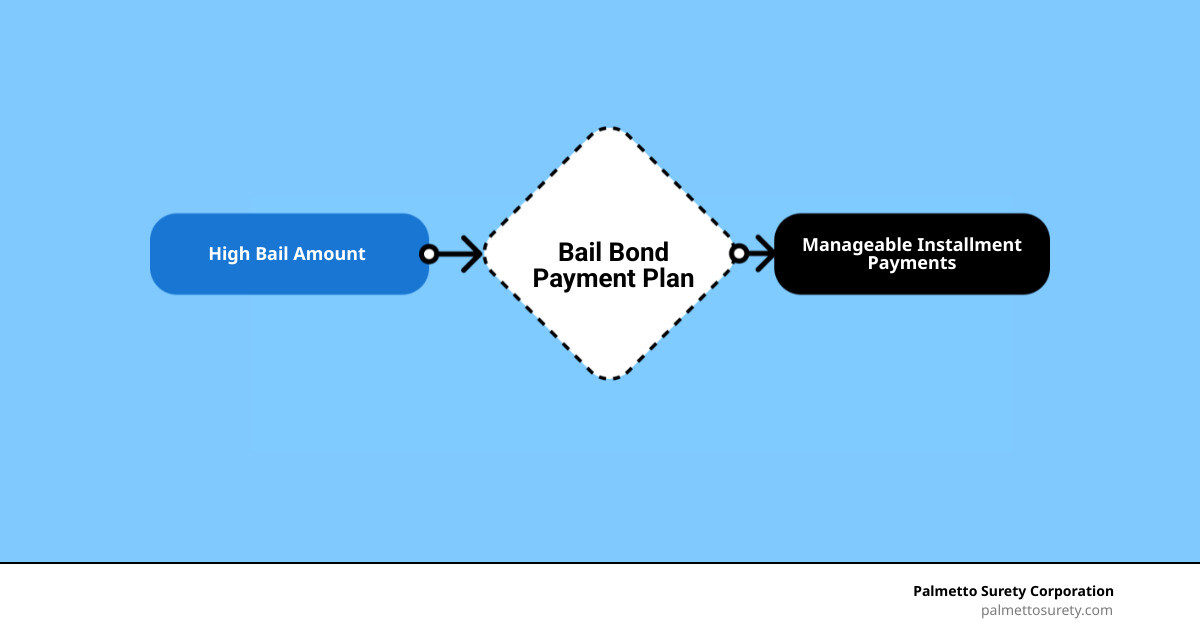
When a loved one is arrested, the cost of bail can be a huge shock. A bail bond payment plan can help by allowing you to pay the bail bond fee in installments rather than all at once, making it much more affordable to get someone out of jail.
Here’s a quick look at how they generally work:
- What it is: An agreement to pay the bail bond fee in installments.
- Why they’re offered: To make bail accessible when full payment isn’t possible.
- Typical down payment: Usually 10% to 20% of the bail bond’s total cost.
- Interest: Many plans offer 0% interest, while some may charge a fee.
- Duration: Plans can last from six months to a year, depending on the amount.
- Collateral: Often not required for the payment plan itself, but may be needed for the bond amount.
I’m Haiko de Poel Jr., and my career in business growth and marketing has given me deep insight into the bail bond payment plan industry. My work with a fast-growing US Surety Bond company has shown me how these plans serve families in need.
What is a Bail Bond and Why are Payment Plans Necessary?
When a loved one is arrested, a judge sets a bail amount—a promise the defendant will appear in court. Since paying the full amount is often impossible, a bail bond can help. A bail bond is a surety bond where a licensed agent guarantees the full bail to the court. In return, you pay the agent a non-refundable fee (premium), typically 10-15% of the total bail. For a $10,000 bail, the premium might be $1,000. You can learn more about how bail bonds work from the Florida Department of Financial Services’ understanding insurance page on bail bonds or on Palmetto Surety Corporation’s site here.
Bail bond payment plans are necessary because over 60% of people in jail cannot afford bail. Being stuck behind bars can lead to job loss and prevents an individual from preparing their legal defense. Payment plans make bail affordable, offering a lifeline for families to secure a loved one’s quick release. This freedom helps maintain family and community ties and allows the defendant to work with their lawyer. Without payment plans, many would face long pretrial detentions and the negative consequences that follow.
The Basic Structure of a Bail Bond
Understanding a bail bond’s structure helps clarify how payment plans fit in. The key players are:
- The Defendant: The person arrested.
- The Court: Sets the bail amount and requires a guarantee of appearance.
- The Bail Bond Agent: A licensed professional who posts the full bail amount in exchange for a premium.
- The Indemnitor (Co-signer): A friend or family member who takes financial responsibility for the bond and premium payments.
The process is often governed by the “10% premium rule,” where you pay a non-refundable fee (usually 10% of the total bail) to the agent. The agent then posts the full bail amount. State regulations set these percentages and rules, ensuring a consistent process.

The Problem: The High Cost of Freedom
The average U.S. bail cost is about $11,700, making even the 10% premium a hurdle for many families. A $25,000 bail would require a $2,500 premium, a sum that can cause significant financial strain. This forces families to choose between draining savings, using predatory lenders, or leaving a loved one in jail. Pretrial detention has serious consequences, including job and housing loss, and an increased chance of future convictions. It also hinders the defendant’s ability to work with their attorney and prepare a defense.
How a Bail Bond Payment Plan Works: The Step-by-Step Process
A bail bond payment plan turns a large, unexpected expense into manageable installments. At Palmetto Surety Corporation, we aim for a smooth, clear process.

The process is straightforward: after an initial consultation, you make a down payment and sign a contract agreement. The agent then posts the bond for your loved one’s release. You’ll make scheduled payments until the balance is paid. This structured approach gets your loved one home while keeping your finances stable.
Step 1: The Down Payment
The down payment is the first financial step in a bail bond payment plan, showing your commitment. The premium is a set percentage of the total bail; for a $20,000 bail with a 10% premium, the total premium is $2,000. Your down payment is a portion of that amount.
Typically, down payments are 10% to 20% of the premium (e.g., $200 on a $2,000 premium). However, Palmetto Surety Corporation partners often provide low down payment options, sometimes as low as 2.85% or 3% of the total bail amount. We offer flexible payment arrangements to reduce initial financial strain and meet your specific needs.
Step 2: The Payment Schedule
After the down payment and release, the payment schedule for the remaining premium balance begins. This schedule is customized to your financial situation.
Payment frequencies are typically weekly payments or monthly payments. The plan duration varies, with most plans lasting 6 to 12 months, though longer terms are possible for larger amounts. The goal is to establish manageable, fixed payments.
Many agencies offer or require automatic payments to ensure timeliness and avoid late fees. These can be set up via credit/debit card or bank withdrawal. You can find more details on our payment options page: palmettosurety.com/payment-options.
Qualifying for a Payment Plan: Requirements and Eligibility
Qualifying for a bail bond payment plan involves meeting certain eligibility requirements that help agencies assess risk. We aim to make this process as straightforward as possible.

Agencies typically assess these factors:
- Credit score: Some agencies check credit, but a co-signer can often help if your score is low.
- Employment history: Stable employment shows a reliable income source.
- Income verification: Proof of income, like pay stubs, is usually required (e.g., a $1,000/month minimum).
- Residency: Proof of stable, in-state residency is often needed.
- Criminal history: A history of skipping bail may affect eligibility.
- Flight risk: The defendant’s community ties, history, and charges are assessed. Higher risk may mean stricter terms.
Common Requirements for a Bail Bond Payment Plan
To help you prepare, here’s a list of typical eligibility criteria you might encounter when seeking a bail bond payment plan:
- Proof of stable income (e.g., $1,000/month minimum)
- Valid government-issued ID (for both the person making payments and the co-signer)
- Proof of residency (e.g., utility bill, lease agreement)
- Good credit history (sometimes flexible, especially with a strong co-signer or job stability)
- A qualified co-signer (indemnitor) if the primary applicant doesn’t meet all criteria
- No other outstanding bail bonds in your name
- Agreement to set up automatic payments (often required)
The Role of a Co-Signer (Indemnitor)
A co-signer (or indemnitor) is crucial if you don’t meet all eligibility requirements. This person agrees to take on financial responsibility for the premium if you default, signing the contract with you.
Their responsibility is significant: if you miss payments or the defendant misses court, the co-signer is liable for the full premium and any fees, potentially facing legal action. A co-signer with a strong financial standing can help someone with poor credit qualify for a bail bond payment plan by providing the agency with extra assurance.
However, co-signers must understand the risks. They assume full legal and financial liability, which can lead to debt and a damaged credit score if the agreement is broken. We advise co-signers to only take on this role for someone they trust completely.
Is Collateral Required?
A common question is whether collateral is required for a bail bond payment plan. The answer depends on the situation.
Collateral is often not needed for the payment plan itself, especially with lower bond amounts or a strong co-signer. Many of our partners offer unsecured plans to keep the process accessible, with some even providing “no money down” options for homeowners.
However, collateral may be required to secure the bond amount itself, particularly for high bail amounts or high-flight-risk defendants. This protects the agent if the defendant fails to appear in court. Accepted collateral typically includes:
- Real estate
- Vehicles
- Jewelry
- Other valuables like stocks or bonds
It’s important to distinguish between the two: the payment plan is an unsecured agreement to pay the premium, while collateral secures the full bail amount for the court.
The Financials: Interest, Fees, and Payment Methods
When considering a bail bond payment plan, understanding the financials is key. We believe in transparency in pricing, so you can make an informed decision without any surprises. It’s crucial to read the fine print and understand the total cost before signing any agreement.
Do Bail Bond Payment Plans Charge Interest?
Many bail bond payment plans offer 0% interest rates, including those from our partners. The premium is the agent’s fee, and reputable agencies don’t add interest for installment payments.
However, some companies do charge interest, so always ask upfront. You are more likely to encounter late fees for missed payments, which are typically flat fees that can add up.
Be vigilant about hidden costs. A reputable agency will provide a contract that clearly outlines all fees. State regulations also govern permissible fees and interest rates, ensuring compliance.
Accepted Forms of Payment
Convenience is key when it comes to making your scheduled payments. Bail bond payment plans typically accept a variety of payment methods to make it easy for you to stay on track.

Common forms of payment generally accepted include:
- Credit/debit cards: A widely accepted and convenient option, especially for online or phone payments.
- Cash: Always an option, particularly for in-person payments.
- Money orders: Can be mailed or dropped off at the agency’s office.
- Online payments: Many agencies offer secure online portals where you can manage your account and make payments electronically. This is often the quickest and easiest way to pay.
- Checks: Personal checks may be accepted, though some agencies might require them to clear before applying the payment, especially for initial payments.
- Wire transfers/ACH: Useful for larger sums or for those who prefer electronic bank transfers.
We aim to provide multiple ways to pay, ensuring you can choose the method that best suits your needs and helps you make payments on time.
Benefits vs. Risks: Is a Payment Plan Right for You?
Deciding whether a bail bond payment plan is the best option for you means looking at both the great advantages and the potential downsides. It’s all about finding the right balance for your unique situation.
Here’s a quick comparison to help you see the bigger picture:
| Factor | Full Cash Bail (You pay court) | Standard Bail Bond (You pay agent 10-15% upfront) | Bail Bond with a Payment Plan (You pay agent in installments) |
|---|---|---|---|
| Upfront Cost | 100% of bail | 10-15% of bail | Small down payment (e.g., 3-20% of premium) |
| Financial Strain | Very High | High | Low to Moderate |
| Release Speed | Fast | Fast | Fast (once down payment & contract signed) |
| Refundability | Full bail amount refundable | Premium is non-refundable | Premium is non-refundable (paid in installments) |
| Manageability | Very Low | Moderate | Very High |
| Credit Impact | None | None (unless collateralized) | Potential (if defaulted or co-signed) |
| Long-term Debt | None | None | Yes (until premium is fully paid) |
| Collateral Req. | Sometimes (for very high bail) | Sometimes | Less often for payment plan itself, sometimes for bond amount |
The Benefits of Using a Payment Plan
The advantages of a bail bond payment plan are significant, especially when facing a high bail cost. Key benefits include:
- Immediate Release: Get your loved one out of jail quickly, often within hours.
- Financial Relief: Break down a large cost into smaller, manageable payments, avoiding the need to drain savings or take on high-interest debt.
- Manageable Budget: Plans are designed to fit what you can afford weekly or monthly.
- Job Retention: A quick release allows the defendant to return to work, preventing job loss and maintaining income.
- Time to Prepare for Court: Being out of jail provides crucial time to work with a lawyer and build a strong defense.
Risks of Defaulting on a Bail Bond Payment Plan
While helpful, it’s crucial to understand the risks of defaulting on a bail bond payment plan. Missing payments can lead to serious consequences:
- Financial Repercussions: You will likely face late fees and collection efforts for the owed amount, possibly involving debt collection agencies.
- Damage to Credit Score: Unpaid debt sent to collections can significantly harm your credit score, affecting future financial opportunities.
- Legal Consequences for the Co-signer: The co-signer (indemnitor) becomes legally responsible for the entire remaining balance and faces the same financial and legal actions.
- Potential for Bond Revocation: The agency may have the right to revoke the bond for non-payment. This would lead to the defendant’s re-arrest until the bond is reinstated or new bail is arranged.
If you anticipate trouble making a payment, contact your bail agent immediately. Most are willing to work with you to find a solution.
Frequently Asked Questions about Bail Bond Payment Plans
It’s natural to have more questions about how bail bond payment plans truly work. We’re here to clear things up and give you peace of mind during a challenging time. Here are some of the most common questions we hear, answered simply and directly.
What happens to my payment plan if the charges are dropped?
Even if charges are dropped, you must still complete your bail bond payment plan. The premium is a non-refundable fee for the service of posting the bond and securing the release, which has already been provided. Much like paying a lawyer, the fee is for the service rendered, not the case’s outcome. Your contractual obligation to pay the full premium remains.
Can I pay off my bail bond payment plan early?
Yes, you can almost always pay off your bail bond payment plan early, and many agencies encourage it. Paying early resolves your financial obligation sooner and can save you money if your plan includes interest. Even with 0% interest plans, like those often offered by Palmetto Surety’s partners, paying early provides peace of mind. Always confirm the specific early payoff policy with your bail agent.
How do I choose a reputable bail bond agency for a payment plan?
Choosing the right agency for a bail bond payment plan is crucial for a smooth experience. Look for these qualities:
- State Licensing: Ensure the agency and its agents are properly licensed in your state for your protection.
- Online Reviews: Check sites like Google or the Better Business Bureau for feedback on customer service and reliability.
- Clear, Written Terms: A reputable agency will be transparent about all fees and terms in a written contract. Insist on this before signing.
- 24/7 Availability: Arrests can happen anytime, so choose an agency that is always available.
- No-Pressure Consultation: A good agent will discuss your options without pressure, patiently answering all your questions.
Palmetto Surety Corporation partners with a network of licensed agents who embody these qualities, providing quick, transparent service to help families through difficult times.
Conclusion
The high cost of bail can be overwhelming, but a bail bond payment plan offers a practical solution. These plans make bail accessible by converting a large sum into manageable installments, ensuring a loved one isn’t kept in jail due to cost. A swift release allows individuals to return to their jobs and families and actively participate in their legal defense.
Understanding the requirements and the importance of fulfilling your commitment is key, but the primary benefit is the financial relief and peace of mind these plans provide during a challenging time.
At Palmetto Surety Corporation, we empower families by partnering with a nationwide network of licensed agents to provide reliable, transparent bond services. We work to make the bail process smooth and understandable and encourage responsible use of these valuable financial tools.
If you need assistance, you now understand how a bail bond payment plan can help. Take the next step and find a trusted bail agent in our network for bail assistance today.


