


Finding a bail bondsman: Your 2025 Perfect Guide
Your Compass for Finding a Bail Bondsman
Facing an arrest is stressful, and finding a bail bondsman can feel daunting. It’s an unexpected situation, and the legal system is often confusing. The goal is to secure a quick release for a friend or loved one.
Here are quick ways to find a bail bondsman:
- Ask the jail’s booking officer for a list of local agencies.
- Search online for “bail bondsman near me” or specific county names.
- Check official state or county court websites for authorized lists.
- Seek referrals from criminal defense attorneys or trusted family and friends.
This guide covers the essential steps to find a reputable bail bondsman and understand the process.
Haiko de Poel Jr. brings extensive expertise in navigating the complex world of surety bonds and digital change. His work rebranding a top US Surety Bond company gives him deep insight into finding a bail bondsman and related services.
What is a Bail Bondsman and Why Do You Need One?
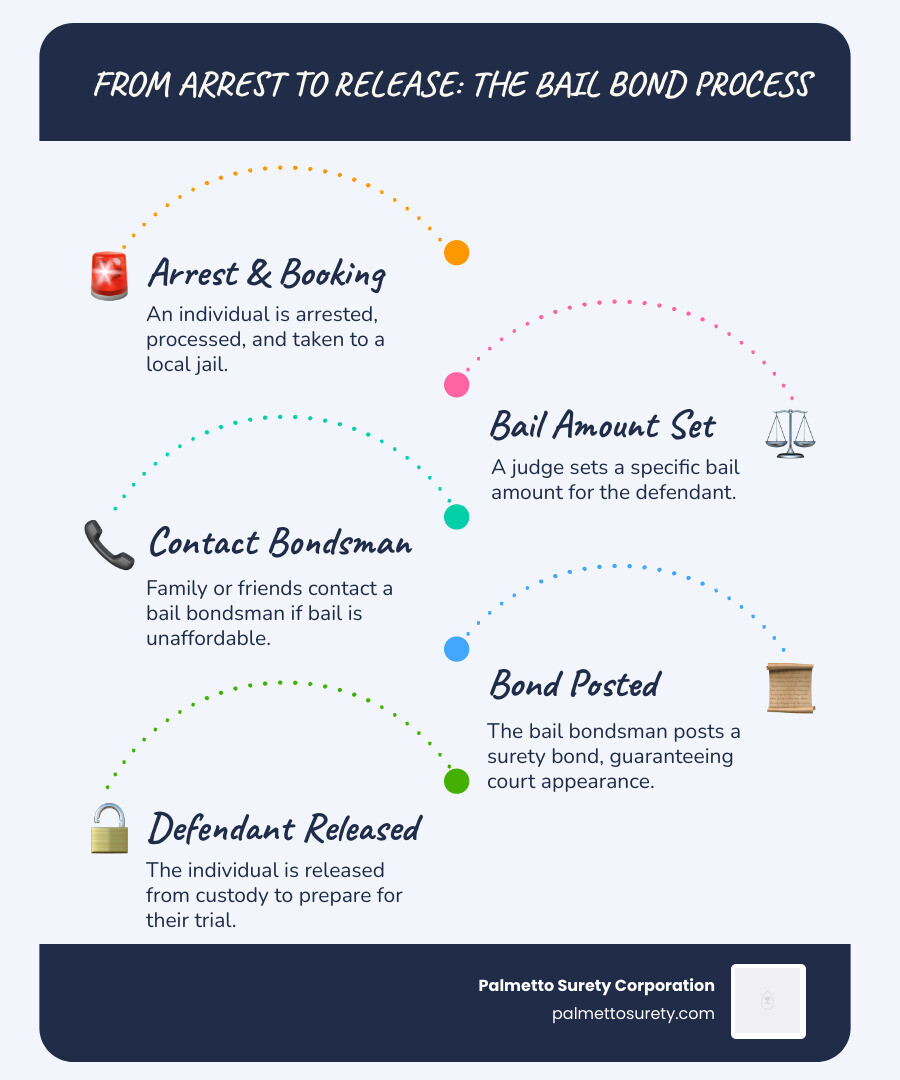
When a loved one is arrested, a judge often sets a bail amount that is too high for most families to afford. This stressful, complex situation is where a bail bondsman steps in. A bail bondsman, or bail agent, plays a crucial role by providing a financial guarantee to the court. This secures pre-trial release, allowing an individual to return home to prepare their defense instead of remaining in jail.
The bail bondsman acts as a surety agent. They promise the court that the defendant will appear for all scheduled court dates. In return for a fee, they post a surety bond. This bond is essentially a promise, backed by a licensed insurance company like Palmetto Surety Corporation, to pay the full bail amount if the defendant fails to appear. This system helps ease the immediate financial burden on families. It allows your loved one to gain their freedom before trial. To learn more about this vital service, you can explore bail surety bonds.
The Role of a Bail Agent in the Legal System
A bail bond is a contract between the court, the defendant (or a co-signer), and a bail bondsman, backed by a surety company. The main goal of this bond is to guarantee the defendant’s appearance in court. A judge sets a bail amount—money or property pledged to the court—to ensure the defendant returns for court dates. The amount depends on the offense’s seriousness, flight risk, criminal history, and financial situation.

For many people, paying the full bail amount directly to the court simply isn’t an option. That’s why bail bondsmen are so valuable. They provide a surety bond, which is a financial guarantee to the court. If the defendant doesn’t show up, the bondsman (or their surety company) will pay the full bail amount. This means the bondsman takes on the responsibility of making sure the defendant appears in court.
The process usually starts after a bail hearing. Once the bail amount is set, a bail bondsman helps with the pre-trial release. This keeps the defendant from staying in jail for a long time. Even a few days in jail can cause job loss and significant family stress. Our network of bail bondsmen are licensed professionals. They understand the legal system very well. They act as a key connection between the defendant, their family, and the court. For more detailed information on this important financial tool, you can check out what is a surety bond?.
When to Call a Bail Bondsman
So, when is the right time to reach out to a bail bondsman? The most common reason is when the bail amount set by the judge is unaffordable. If you or a loved one can’t pay the full cash bail, a bondsman offers a helpful solution. They only require a small portion of the total amount as their fee.
Quick jail release is another key reason. A short stay in jail can disrupt life, cause job loss, and create family stress. A bail bondsman can often get someone released much faster than if you try to gather the full bail amount yourself or steer complex court steps. This also helps in avoiding asset liquidation. You won’t have to sell a car or house just to cover bail.
Navigating the court system is confusing and scary without legal experience. A professional bail bondsman can guide you through the process. They explain what to expect and make sure all the necessary paperwork is handled correctly. It’s a common need: statistics show that one in three people will post bail at some point in their lives. Whether the charges involve state charges or more complex federal charges, bail bondsmen are equipped to handle various types of cases. For a clearer understanding of the initial court proceedings, you might find it helpful to learn what is bond court?.
A Step-by-Step Guide to Finding a Bail Bondsman

Finding a bail bondsman can feel overwhelming, but it’s a manageable process. By taking it one step at a time, you can find a trustworthy agent, understand the process, and secure the bond needed for release. This is the path to your loved one’s freedom.
Where to Look for a Reputable Agent
The first step in finding a bail bondsman is knowing where to look for reliable, authorized professionals you can trust. Here are some excellent places to start your search:
If you have a criminal defense attorney, they are a fantastic resource. Attorneys often work closely with several reputable bail bondsmen and can give you referrals to agents they know and trust, especially those familiar with the local court system. You can also do a quick online search for “bail bondsman near me” or “bail bonds [city/county name].” While this is super convenient, it’s always a good idea to do a little more digging to make sure they’re legitimate.
Many local jails keep a list of authorized bail bondsmen who are allowed to operate in that area. Don’t hesitate to ask the booking officer for this list. Sometimes, even court clerks can point you in the right direction, providing information on licensed and active bail agents nearby. Since bail bondsmen are often licensed through state insurance departments, checking with your state’s insurance department is a smart move to confirm their active license. For example, in North Carolina, their court system website lets you select a county to find a list of authorized bondsmen and check if they are on any prohibited lists. This is a crucial step to ensure you’re working with someone fully authorized.
Another helpful resource is the Better Business Bureau (BBB). Checking a bondsman’s rating and reviews with the Better Business Bureau can give you insights into their customer service and how they conduct business. No matter where you find a potential agent, always verify their license. This is a must-do step to make sure you’re working with a legal and authorized professional.
Here at Palmetto Surety Corporation, our network includes licensed and experienced bail agents across the Southeast, including Georgia, Florida, Louisiana, Mississippi, South Carolina, Tennessee, and Texas. We are dedicated to connecting you with reputable professionals. You can easily start your search to find a bail agent right through our website!
Essential Qualities for Finding a Bail Bondsman
Beyond just locating a bondsman, it’s incredibly important to pick someone with the right qualities to ensure the process goes as smoothly as possible. When you are finding a bail bondsman, look for these key characteristics:
First and foremost, they must have a state license. This is non-negotiable. A licensed bondsman operates legally and follows all state rules. If someone can’t prove their license, walk away. Professionalism is also key. A good bondsman will be professional, understanding, and respectful during this stressful time.
Arrests don’t happen on a schedule, so a great bail bondsman offers 24/7 availability, including weekends and holidays. They understand the urgency. It’s also a huge plus if they have experience with local courts. Bondsmen who know the specific procedures, judges, and jail staff in your area can often speed up the release process.
They should offer clear communication, explaining the bail process, their fees, any collateral needed, and your responsibilities in simple terms. Avoid anyone who is vague or pushes you to make quick decisions. Speaking of fees, look for transparent fees. The cost should be straightforward, with no hidden charges. A reputable bondsman will tell you their non-refundable premium upfront.
While the situation is urgent, a professional bondsman will never use pressure tactics to make you sign agreements you don’t fully understand. Finally, look for positive reviews and a good reputation. Online reviews can offer valuable insights from people who have worked with them before.
We partner with agents who truly embody these qualities. So, when you connect with a bail bondsman through our network, you can be confident you’re working with someone reliable and trustworthy. Understanding the different types of surety bonds can also help you feel more informed throughout this process.
What to Prepare Before You Call
To make the process as quick as possible, have key information ready before you call. This allows the bondsman to quickly understand the situation and start the paperwork for a faster release.
Here is an essential list of information you should gather:
- Defendant’s Full Legal Name: This is vital for identification and to make sure the bond is issued for the correct person.
- Defendant’s Date of Birth: Another key piece of information for identification.
- Name of Jail/Detention Center: Knowing the exact facility where the person is being held is crucial for the bondsman to locate them and begin the release process.
- Booking Number (if available): This unique number helps the bondsman quickly find the defendant’s records, speeding things up significantly.
- Bail Amount: This is the exact amount of bail the judge has set. The bondsman will use this figure to calculate their fee.
- Specific Criminal Charges: Knowing the charges helps the bondsman understand the nature of the case and any special requirements for the bond.
- Your Contact Information: The bondsman will need your name, phone number, and how you are related to the defendant.
Having this information ready shows you’re prepared and helps the bail bondsman act quickly and efficiently. It sets the stage for a smoother, less stressful experience for everyone involved.
The Financials: Understanding Bail Bond Costs and Consequences

When you’re helping a loved one get out of jail, understanding the money side of things is super important. It’s not just about the initial fee; it’s about knowing all your financial commitments and what could happen down the road. We’re here to explain the costs involved, what collateral means, and the serious consequences if court dates are missed. It’s all part of making an informed decision when finding a bail bondsman.
How Much Does a Bail Bondsman Charge?
Let’s talk about the main cost. Bail bond agents charge a service fee, which we call a “premium.” This premium is usually a percentage of the total bail amount set by the court. For most state charges, this fee is typically between 10% and 20% of the total bail. If it’s a federal charge, it can be up to 15%.
So, if bail is set at $10,000, you’d pay the bondsman a non-refundable premium of $1,000 to $2,000 for a state charge, or up to $1,500 for a federal charge. This fee is non-refundable because it’s earned by the bail bondsman for their service of posting the bond and getting your loved one out. It’s paid for their work, regardless of how the case turns out later.
Many reputable bondsmen understand that this can be a big expense, so they often offer flexible payment plans to help families. They should also be completely upfront about all costs – no hidden fees allowed! When you’re finding a bail bondsman, always ask for a clear breakdown of everything you’ll owe. You can usually make a payment directly to them online or in person.
What Happens if a Defendant Skips Court?
This is the most crucial part of any bail bond agreement, and it’s something everyone involved needs to understand clearly. If the person released on bail doesn’t show up for their scheduled court date, it’s called a Failure to Appear (FTA). And it triggers some very serious consequences.
First, the court will issue an arrest warrant for the defendant. Then, the bail bond will be forfeited. This means the bail bondsman is now on the hook to pay the full bail amount to the court. To get their money back, the bondsman will take action. They have the legal right to find and bring the defendant back to court, and sometimes they’ll even hire a “bounty hunter” to help with this.
Most states offer a “grace period,” usually around 90 days, for the bondsman to return the person to court. If the defendant isn’t back in custody within this time, the bondsman (and crucially, the co-signer) will be responsible for paying the entire bail amount.
This brings us to the co-signer and collateral. If you co-sign a bail bond, you’re essentially promising that the defendant will show up for court. If they don’t, you become financially responsible for the full bail amount. Any collateral you put up – like a car, jewelry, or even the equity in a house – could be seized and sold to cover the forfeited bond. Understanding what is a bond guarantee? really highlights the significant responsibility you take on as a co-signer. It’s a serious commitment, so be sure you’re comfortable with it.
Navigating Bail Bond Laws and Alternatives

The landscape of bail bonds is not uniform across the United States. State regulations vary significantly, impacting the availability and types of bail bonds. Understanding these legal variations and exploring available alternatives are crucial steps in making informed decisions about securing release from jail.
Are Bail Bondsmen Legal in All States?
While commercial bail bonding is widespread across the U.S., it is not legal or available in all states. The commercial bail system, as we generally understand it, has been banned in several jurisdictions. As of recent figures, states where commercial bail bonding is not found include Illinois, Kentucky, Oregon, and Wisconsin. Additionally, states like Maine, Massachusetts, Nebraska, and Washington, D.C., do not use commercial bail bondsmen.
In these states, alternative systems are in place, often involving court deposit systems where defendants pay a percentage of their bail directly to the court, or are released on their own recognizance (a promise to appear). This variance underscores the importance of checking local laws and regulations when finding a bail bondsman. Our network, including agents in states like Florida surety bonds and South Carolina surety bonds, operates strictly within the legal framework of each state.
Different Types of Bail Bonds Available
Beyond the commercial surety bond provided by a bail bondsman, there are several other types of bail bonds and release mechanisms available, depending on the jurisdiction and the nature of the charges:
- Surety Bond: This is the most common type, facilitated by a commercial bail bondsman. The bondsman guarantees the defendant’s court appearance in exchange for a non-refundable fee (typically 10-20% of the bail amount) and sometimes collateral. This is our primary area of expertise through our network of agents. For more information, see What is a surety bond?.
- Cash Bond: The full bail amount is paid directly to the court in cash. If the defendant appears for all court dates, the full amount (minus any court fees) is refunded at the end of the case.
- Property Bond: Instead of cash, real estate (like a house or land) is pledged to the court as collateral. If the defendant fails to appear, the court can initiate foreclosure proceedings on the property.
- Federal Bond: These bonds are for federal charges and are often more complex, with stricter rules and potentially higher premiums (up to 15% of the bail amount).
- Immigration Bond: For individuals held by Immigration and Customs Enforcement (ICE), an immigration bond can secure release. These also operate similarly to surety bonds but fall under federal immigration law.
Understanding these distinctions is vital when considering your options. Our expertise at Palmetto Surety Corporation extends to various court bonds, and we can help guide our agents and their clients through the complexities. You can learn more on court bonds here.
Alternatives to a Commercial Bail Bondsman
While commercial bail bondsmen are a popular and often necessary option for securing release, there are alternatives that may be available depending on the jurisdiction and the defendant’s circumstances:
- Paying Full Cash Bail: If you have access to the full bail amount, you can pay it directly to the court. As mentioned, this amount is refundable (minus any administrative fees) once the defendant’s case concludes and they have appeared for all court dates. This avoids the non-refundable premium charged by a bondsman.
- Release on Own Recognizance (ROR): In some cases, especially for minor offenses or defendants with strong community ties and no flight risk, a judge may grant Release on Own Recognizance. This means the defendant is released based solely on their written promise to appear in court, with no money or property required.
- Supervised Release: Similar to ROR, but with additional conditions imposed by the court, such as regular check-ins with a pre-trial services officer, curfews, drug testing, or electronic monitoring. This is typically managed by the court system.
- Property Bond with the Court: Instead of using a bail bondsman, you can pledge real property directly to the court as collateral for the bail. This process can be lengthy, as it often requires a property appraisal and legal paperwork to ensure the property’s value covers the bail amount.
Each alternative has its own requirements and implications. While we specialize in commercial surety bonds through our network, it’s important to be aware of all options available in your specific jurisdiction.
Frequently Asked Questions about Finding a Bail Bondsman
When you’re navigating the process of finding a bail bondsman and dealing with the stress of an arrest, it’s completely normal to have a lot of questions. We understand this can be a confusing time, so we’re here to shed some light on the most common inquiries. Let’s break down what you can expect.
How long does it take to get released from jail after the bond is posted?
This is often the first question on everyone’s mind! Once a bail bond is posted, the waiting game begins, and the exact release time can vary quite a bit. While a professional bail bondsman can process the paperwork very quickly, the actual release depends on the jail’s internal procedures.
Think of it like this: the jail needs to process everything on their end, and this can take anywhere from 30 minutes to several hours. Factors like how busy the jail is at that moment, the time of day (nights and weekends can sometimes be slower due to staffing), and the general efficiency of the facility all play a role. Your bondsman will do their part swiftly, but then it’s up to the jail’s processing speed.
Is the bail bondsman’s fee refundable if the charges are dropped?
This is a really important point to understand, and the answer is no, the bail bondsman’s fee is generally non-refundable. We know this can sometimes be confusing, but let us explain why.
The premium you pay to the bail bondsman (which is typically 10-15% of the total bail amount) is for their service of securing the defendant’s release and guaranteeing their appearance in court. This fee is considered earned as soon as the defendant is released from custody. It’s a payment for the service provided, much like a lawyer’s retainer or an insurance premium.
Therefore, whether the charges are dropped, the defendant is found innocent, or the case is dismissed, that fee is already earned by the bondsman for the service they provided in getting your loved one out of jail. Our refund policy aligns with this industry standard.
Can I get a bail bond for someone in another state?
Yes, absolutely! It is often possible to get a bail bond for someone who has been arrested in another state. This is commonly referred to as a “transfer bond.”
How does it work? You’ll typically work with a local bail bondsman in your own state. They will then coordinate with a bail bondsman or agency in the state where the defendant is incarcerated. Many reputable bail bond companies, like those in the Palmetto Surety Corporation network, have established nationwide networks or affiliations that allow them to facilitate these types of bonds seamlessly.
While it’s certainly doable, the process for a transfer bond may take a little longer than a local bond. This is simply due to the extra coordination required between two different states and their respective legal systems. However, our agents are well-versed in facilitating these processes, helping you steer the complexities of bail across state lines. You can learn more about how to bail someone out of jail in another state through our resources.
Get Back on Your Feet with the Right Support
Facing an arrest, whether it’s for you or someone you care about, is incredibly stressful. It’s confusing, overwhelming, and often unexpected. Our goal with this guide was to help you feel more in control during such a difficult time.
We’ve covered the important steps: understanding why a bail bondsman is needed, knowing where to look for a reliable one, recognizing the essential qualities of a good agent (like being licensed and transparent), and being prepared with all the right information. These steps help you steer the process with more confidence.
Choosing a licensed, professional, and experienced bail bondsman is truly important. They are more than just a service; they are your partners in a complicated legal journey. They provide that crucial financial guarantee needed to bring a loved one home before trial.
At Palmetto Surety Corporation, we understand how urgent and sensitive these situations are. We are a licensed insurance company that offers court surety (bail bonds). We do this through a large, trusted network of bail bondsmen and bonding companies across the southeastern United States. We’ve been in this business for over 20 years, helping families just like yours.
Our special strength is providing the surety bonds that empower our network of agents. This allows them to offer fast and efficient service. We pride ourselves on being able to approve most applications within just a few hours. This helps ensure a quick path to release.
We are based in Charleston, SC. Our wide network covers many key areas, including Georgia (Atlanta, Augusta, Columbus, Savannah, Sandy Springs, Macon, Roswell, Albany, Marietta, Warner Robins, Smyrna, Valdosta, North Atlanta, Redan, Dunwoody), Florida, Louisiana, Mississippi, South Carolina, Tennessee, and Texas.
When you need support, finding a bail bondsman from a trusted network can make all the difference. We are here to help you connect with reliable professionals who can guide you through this challenging time. You can start your search to search for a bail bond agent in your area directly through our resources.


