


How Does a Bondsman Work: 10 Powerful Facts for 2025
Understanding How Bondsmen Keep Communities Moving
How does a bondsman work might seem like a mystery when you’re facing an arrest situation for the first time. Most people don’t have thousands of dollars sitting around to pay full bail – that’s where bail bondsmen step in as financial intermediaries.
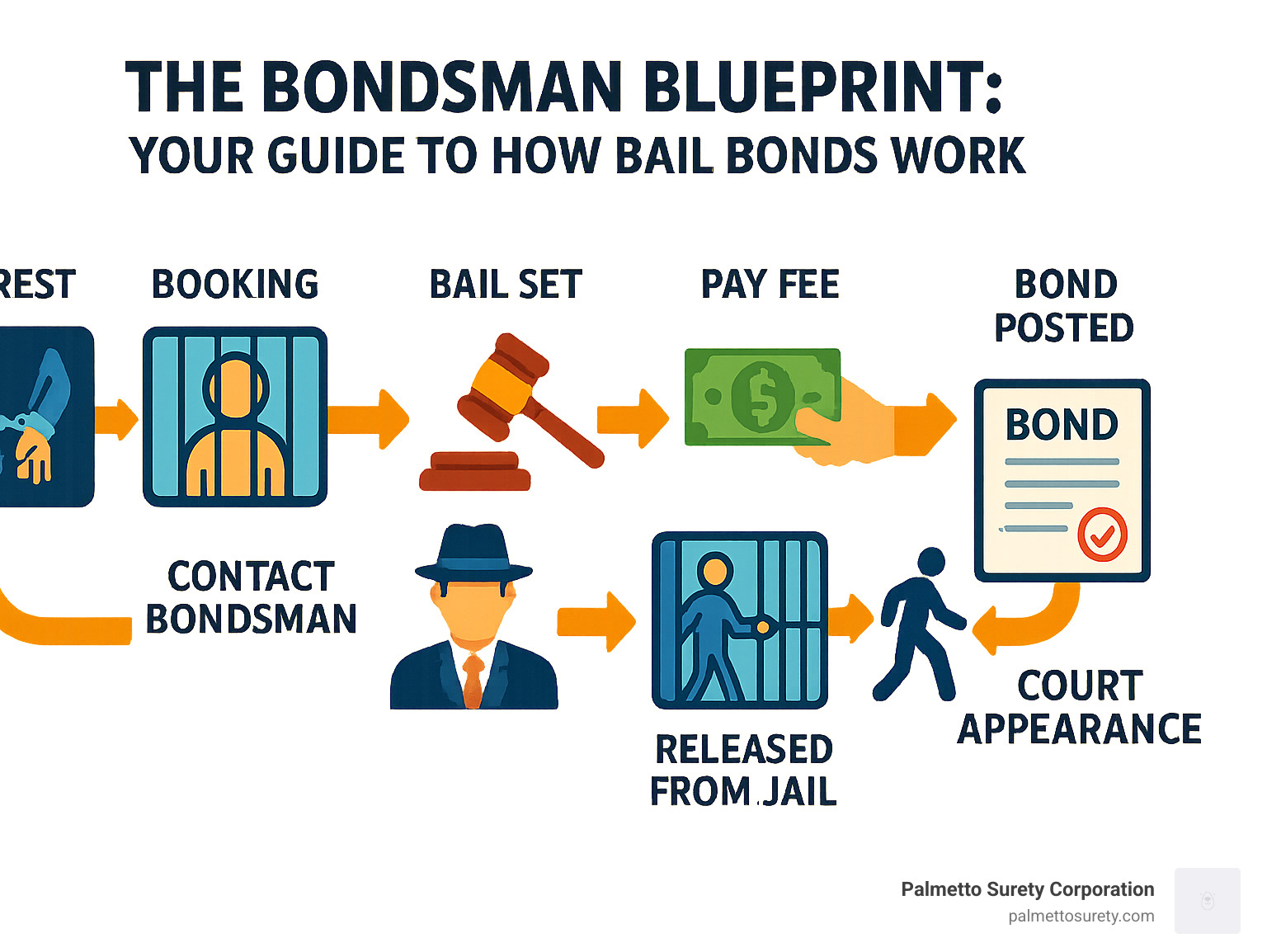
Here’s how a bondsman works in simple steps:
- You contact a bail bondsman when you can’t afford the full bail amount
- You pay a non-refundable fee (typically 10% of the total bail)
- The bondsman posts the full bail with the court using a surety bond
- The defendant gets released from jail while awaiting trial
- You attend all court dates or risk losing collateral and facing additional penalties
The bail bond system exists because of a simple principle: people are presumed innocent until proven guilty. Instead of sitting in jail for weeks or months waiting for trial, defendants can return to their jobs and families while their case moves through the courts.
Bail bondsmen charge a standard fee of 10% for state charges and 15% for federal bail bonds. This fee is non-refundable, even if charges are dropped or the defendant is found not guilty. However, any collateral you put up (like a car title or property deed) gets returned once the case concludes and all court appearances are met.
As Haiko de Poel Jr., I’ve worked extensively in the surety bond industry, including my role at Palmetto Surety Corporation where I’ve helped redesign and relaunch one of the fastest-growing US surety bond companies, giving me deep insight into how does a bondsman work within the broader financial guarantee ecosystem.
How does a bondsman work terms made easy:
– how do bondsman make money
– how much do bail bondsman make
Bail Basics: Cash, Surety & Other Release Options
Understanding how does a bondsman work starts with grasping the basics of bail itself. Think of bail as a financial promise—you’re essentially telling the court “I guarantee this person will show up for trial.” It’s not a fine or punishment, but rather a way to balance two important principles: keeping communities safe and honoring the presumption of innocence. This concept traces all the way back to the Eighth Amendment, which prohibits excessive bail.

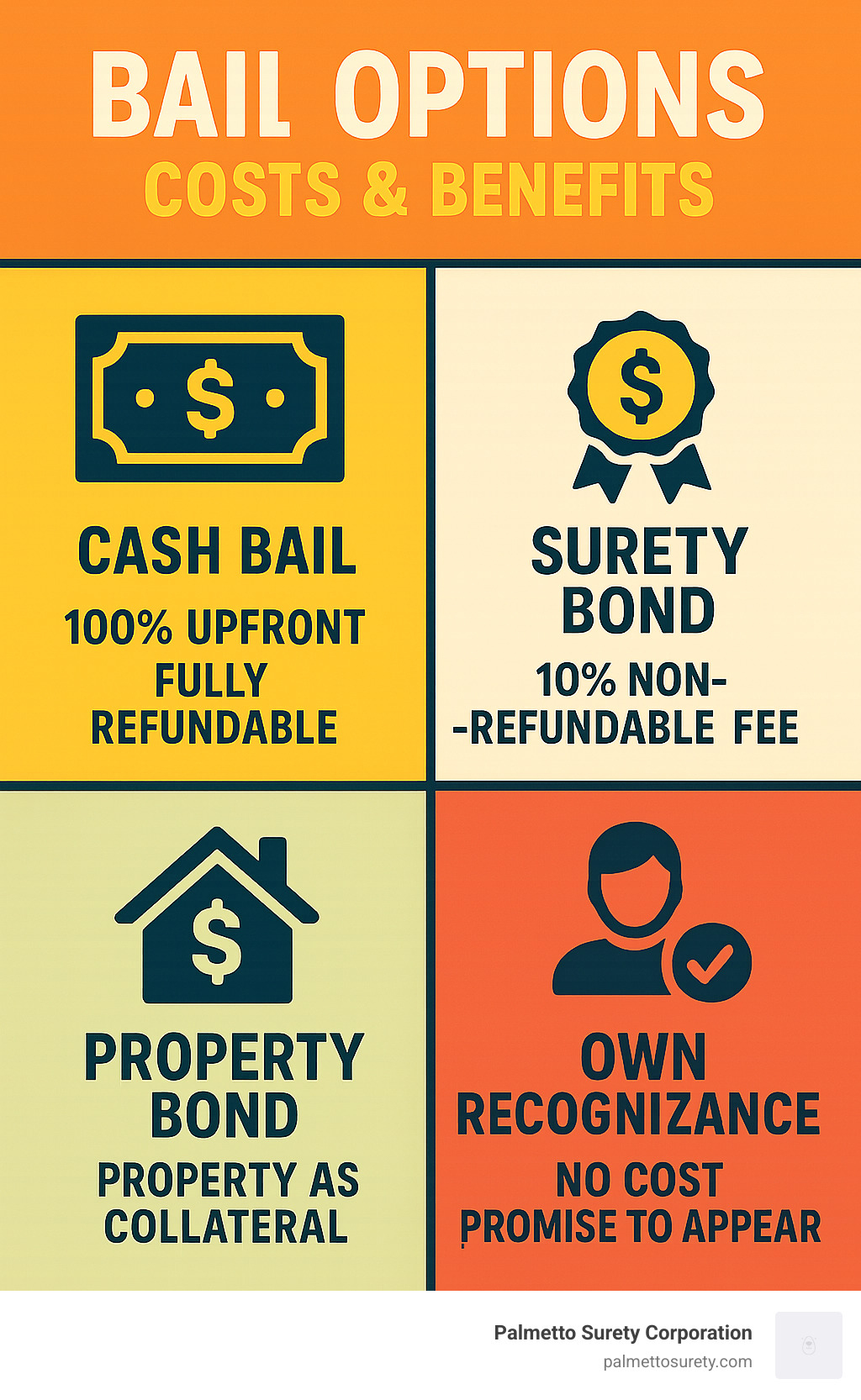
When someone gets arrested, they typically have several paths to freedom while awaiting trial. Cash bail is the most straightforward—you pay the full amount directly to the court. Surety bonds come into play when you can’t afford the full amount—you pay a bondsman about 10% of the total, and they guarantee the rest to the court.
Property bonds offer another option for people who are “house rich but cash poor.” You can use real estate or other valuable assets as collateral. Some lucky defendants qualify for release on own recognizance (OR), where the court trusts you enough to let you go home with just a promise to return.
How bail amounts are set
Judges don’t just spin a wheel to determine bail amounts. They’re weighing several specific factors:
Crime severity plays the biggest role. A first-time shoplifting charge might result in $500 bail, while armed robbery could easily hit $50,000 or more.
Your criminal history matters enormously. Someone with multiple prior convictions faces much higher bail than a first-time offender, even for the same crime.
Flight risk assessment goes beyond just criminal history. Do you have a steady job? Family in the area? Own property locally? These community ties work in your favor.
Public safety concerns can trump everything else. If releasing someone might endanger the community, judges may set impossibly high bail or deny it entirely.
Recent legal changes have made ability to pay a crucial factor. California Penal Code 1270.1 requires courts to consider financial circumstances when setting bail.
Different types of bail at a glance
| Bail Type | Cost | Money Returned? | Best For |
|---|---|---|---|
| Cash | Full bail amount | Yes (minus court fees) | Those with available funds |
| Surety Bond | 10–15% fee | No (fee is non-refundable) | Most defendants |
| Property | No upfront cash | Property returned | Asset-rich, cash-poor |
| Own Recognizance | $0 | N/A | Low-risk, first-time offenders |
How Does a Bondsman Work? Core Functions Explained

When you’re sitting in a jail waiting room at 2 AM, wondering how does a bondsman work, you’re about to enter a world that operates like a specialized insurance business. Think of a bail bondsman as your financial lifeline – someone who steps in when you can’t afford the full bail amount but need to get your loved one home.
A bail bondsman is essentially a licensed insurance agent who issues surety bonds to guarantee that a defendant will show up to court. When the court sets bail at $10,000 and you don’t have that kind of cash lying around, the bondsman becomes your partner. You pay them a non-refundable premium (usually 10% for state cases), and they put up the full amount with the court.
At the heart of how does a bondsman work is the concept of being an indemnitor – the person who signs the bond agreement and takes responsibility for the defendant’s actions. The underwriting process happens faster than most people expect, with experienced bondsmen able to evaluate and approve most applications within hours.
Step-by-step: how does a bondsman work after arrest?
First, you’ll need to gather basic information – the defendant’s full name, their booking number, which jail they’re in, and what charges they’re facing. During the initial consultation, the bondsman will assess your ability to pay the bond premium.
Once you agree to move forward, you’ll pay the fee and potentially put up collateral like a car title or property deed. The bondsman then handles all the jail paperwork and bond delivery process. Most defendants are released within a few hours of the bond being posted.
Behind the scenes: risk assessment & state licensing
The licensing requirements for bail bondsmen are rigorous. Most states require 20-40 hours of initial training, covering everything from legal procedures to ethical standards. State insurance departments oversee the bail bond industry, requiring bondsmen to maintain professional liability insurance.
Interestingly, four states have banned commercial bail entirely – Illinois, Kentucky, Oregon, and Wisconsin opted for government-administered systems instead. Research shows that defendants released on commercial bonds actually show up more reliably than those released through other methods.
At Palmetto Surety Corporation, our two decades of experience has taught us that most people who need bail bonds are facing the situation for the first time. That’s why we’ve built our business around quick approvals and clear communication.
Money Matters: Fees, Collateral & Co-Signer Duties
When people ask how does a bondsman work financially, they’re often surprised by how straightforward the fee structure actually is. Across most states, you’ll pay 10% for state charges and 15% for federal bail bonds.
Let’s paint a real picture: Your brother gets arrested, and bail is set at $15,000. You don’t have fifteen grand sitting around, but you can scrape together $1,500. That’s where the bondsman steps in, covering the full amount while you pay that 10% fee.
That $1,500 is gone forever, regardless of what happens in court. Whether your brother is found innocent, guilty, or charges get dropped entirely, you’re not getting that money back. It’s the price you pay for the service, similar to paying an insurance premium.
Collateral is where things get more complicated. For higher bail amounts or riskier cases, bondsmen require something valuable to secure their investment. This might be your house deed, car title, jewelry, or even business assets. Unlike the fee, collateral does come back once the case is resolved and all court appearances are met.
Payment plans can ease the immediate burden for many families. While you can’t finance the full bail amount, many bondsmen offer installment plans for their fee.
Are bail bond fees ever refundable?
The answer is always no. Think of the bondsman’s fee like paying for any other service. The bondsman provided a service – they took a financial risk and got your loved one out of jail. The moment that bond gets posted, the bondsman has fulfilled their end of the bargain.
Collateral operates under completely different rules. Your car title, property deed, or other pledged items get returned once the case concludes and all court obligations are met.
Co-signer responsibilities & risks
Becoming a co-signer on a bail bond is one of the most serious financial commitments you can make. You’re on the hook for the full amount if things go wrong. That $50,000 bail becomes your $50,000 problem if the defendant decides to skip town.
Asset seizure isn’t just a threat – it’s a legal reality. When you sign that co-signer agreement, you’re giving the bondsman legal authority to take your pledged property if the defendant fails to appear.
Communication becomes part of your job. Many bondsmen require co-signers to maintain regular contact and provide updates on the defendant’s whereabouts and compliance with court orders.
When Things Go Wrong: Skipped Court, Forfeiture & Bounty Hunters
When someone fails to appear in court, it sets off a chain reaction that affects everyone involved. The judge immediately issues a bench warrant for the defendant’s arrest, and the court begins forfeiture proceedings against the bail bond.
The bondsman receives official notice of the failure to appear, usually within 24-48 hours. Most states provide a grace period – typically 90 days – for the bondsman to locate and return the defendant to custody.

What happens during bail forfeiture?
The forfeiture process follows a predictable timeline. During the first week, the court issues formal forfeiture notice to the bondsman, who must then spring into action immediately.
Within the first month, bondsmen typically begin intensive recovery efforts. This might involve hiring bounty hunters to locate and apprehend the defendant, negotiating with family members to encourage voluntary surrender, or offering rewards for information.
If recovery efforts fail after the grace period expires, the bondsman faces serious financial consequences. They must pay the full bail amount to the court, which they must then attempt to recover through collateral seizure and legal action against co-signers.
The role—and limits—of bounty hunters
Bounty hunters, officially called bail enforcement agents, represent one of the most misunderstood aspects of how does a bondsman work. These professionals typically earn 10-20% of the bail amount for successfully locating and apprehending fugitives.
Their legal authority stems from the contractual relationship between the defendant and bondsman rather than government appointment. However, the reality is far more regulated than Hollywood portrayals suggest. At least 18 states have minimal requirements for becoming a bail recovery agent, while others require extensive training and licensing.
Recovery agents use various professional techniques including surveillance operations, skip tracing through databases, interviews with associates, and reward programs. The most successful recovery agents rely more on investigation skills than physical confrontation.
Beyond Bail Bonds: Alternatives, Reforms & Pros/Cons
The bail bond system isn’t the only option for pretrial release, and understanding alternatives helps provide context for how does a bondsman work within the broader justice system.

Alternative Release Options:
Charitable Bail Funds: Community organizations that post bail for indigent defendants, particularly for low-level offenses.
Unsecured Bonds: Defendants sign a promise to pay the bail amount only if they fail to appear, without posting money upfront.
Pretrial Services Programs: Government-administered programs that provide supervision and support services as alternatives to cash bail.
Electronic Monitoring: GPS ankle bracelets or other monitoring devices that allow release without financial payment.
Recent reform trends
The bail system has faced increasing scrutiny and reform efforts in recent years:
In Re: Humphrey (2021): The California Supreme Court ruled that unaffordable bail orders violate due process rights, requiring judges to consider defendants’ ability to pay.
Pandemic Releases: COVID-19 led to widespread early releases and reduced bail amounts, providing real-world data on alternatives to traditional bail.
Deposit Systems: Some jurisdictions allow defendants to post 10% of bail directly with the court, which is refundable upon case completion.
Should you use a bondsman or explore alternatives?
Deciding whether to use a bail bondsman depends on several factors:
Financial Considerations: If you can afford full bail and want it returned, paying cash directly to the court makes sense. If not, a bondsman’s 10% fee might be your only option.
Speed Requirements: Bondsmen often work 24/7 and can post bonds quickly, while court-administered alternatives may have limited hours.
Frequently Asked Questions about How Does a Bondsman Work
When families face arrest situations, they often have urgent questions about how does a bondsman work. Having helped thousands of families steer these challenging situations over our 20+ years at Palmetto Surety Corporation, here are the most common concerns.
What if the defendant is found not guilty—do I get anything back?
The verdict doesn’t change what you paid to the bondsman – that 10% fee stays with us whether your loved one is found guilty, not guilty, or charges get dropped completely. Think of it like car insurance – you don’t get your premium back if you don’t have an accident.
However, collateral does come back. Any property deeds, car titles, or other valuable items you pledged as security will be returned once all court appearances are completed.
How fast can a bail bond be posted and release secured?
At Palmetto Surety Corporation, we can typically approve most applications within hours, even outside normal business hours. Once we approve your application and complete the paperwork, posting the actual bond usually takes 30 minutes to a few hours.
Jail release times vary dramatically depending on the facility’s processing volume. Some smaller county jails might release someone within 30 minutes, while larger metropolitan facilities might take several hours.
Can I revoke a bond if I no longer trust the defendant?
Yes, co-signers can request bond revocation. When you request revocation, we can surrender the defendant back to custody, which releases you from any further financial liability. However, you typically won’t get your premium fee back even if you revoke the bond.
What happens if I can’t afford the 10% fee?
Many bondsmen offer payment plans for premium fees. We might accept partial payment upfront with arrangements for the remainder over several months. The key is being honest about your financial situation from the beginning.
Are there states where bondsmen don’t operate?
Four states have banned commercial bail bonding entirely: Illinois, Kentucky, Oregon, and Wisconsin. These states use deposit systems instead, where defendants pay 10% directly to the court, which is refundable upon case completion.
Conclusion
When you’re dealing with an arrest situation at 2 AM, how does a bondsman work isn’t just an academic question – it’s the difference between spending weeks in jail or getting home to your family. The bail bond system serves a vital role in keeping communities functioning while the wheels of justice turn.
The beauty of understanding how does a bondsman work lies in recognizing that it’s fundamentally about trust and risk. You trust the bondsman to post your bond quickly and professionally. The bondsman trusts you to ensure the defendant shows up for court.
The financial reality is straightforward: you’ll pay that non-refundable 10% fee whether the defendant is guilty, innocent, or charges get dropped entirely. That might sting, but consider the alternative – losing your job, your home, or your family stability while sitting in jail for months awaiting trial.
The responsibility is real: co-signing a bail bond isn’t just helping someone out of a jam. You’re taking on serious legal and financial obligations that could affect your life for months or even years.
At Palmetto Surety Corporation, we’ve seen thousands of families steer this system over our 20+ years in business. The ones who fare best are those who understand exactly what they’re getting into, ask the right questions, and maintain open communication with their bail agent throughout the process.
Recent reforms are changing the landscape, but they’re not eliminating the need to understand how does a bondsman work. Commercial bail bonding will likely remain an important option for many defendants and families.
The most important advice we can offer? Don’t wait until you need these services to learn about them. Understanding the system when you’re calm and clear-headed is much easier than trying to figure it out during a crisis. Always consult with a qualified criminal defense attorney who can explore all your options.
For more information about our comprehensive surety bond services beyond bail bonds, visit Palmetto Surety Corporation to learn how we’ve been helping businesses and individuals throughout the Southeast for over two decades.
The bail bond system isn’t perfect, but it’s designed around a simple principle: people deserve the chance to maintain their lives and prepare their defense while awaiting their day in court. How does a bondsman work is really about how communities work together to balance justice, safety, and human dignity – even in the most challenging circumstances.


