


How Does Bonding Work in Construction: Top 5 Proven Steps
How does bonding work in construction? At the heart of construction lies a simple yet powerful mechanism to ensure peace of mind: the construction bond. This bond acts as a safeguard for project owners, protecting them from financial loss in the event of non-performance by contractors. Here’s how it works in a nutshell:
- Principal: The contractor who purchases the bond.
- Surety Company: Provides the bond and guarantees completion of the contract.
- Obligee: The project owner who is protected by the bond.
Essentially, if a contractor defaults, the surety company steps in to fulfill the contractual obligations, effectively eliminating the risk of unfinished projects.
In the busy world of construction, a surety bond is more than just a formality—it’s a critical layer of protection that ensures project completion and trust. Whether it’s a public works venture or a private development, having the right bonds in place is crucial for financial security.
My name is Haiko de Poel Jr, and with my background in digital marketing and strategic consulting, I’ve witnessed how understanding the nuances of “how does bonding work in construction” can transform businesses. Let’s dive deeper into this essential topic to uncover the layers behind these vital financial instruments.
Related content about how does bonding work in construction:
– bonding construction work
– how much does a construction performance bond cost
Understanding Construction Bonds
Types of Construction Bonds
Construction bonds are essential tools that ensure projects run smoothly and finish as planned. They provide financial security and peace of mind for everyone involved. Let’s explore the different types of construction bonds and how they work:
Bid Bonds
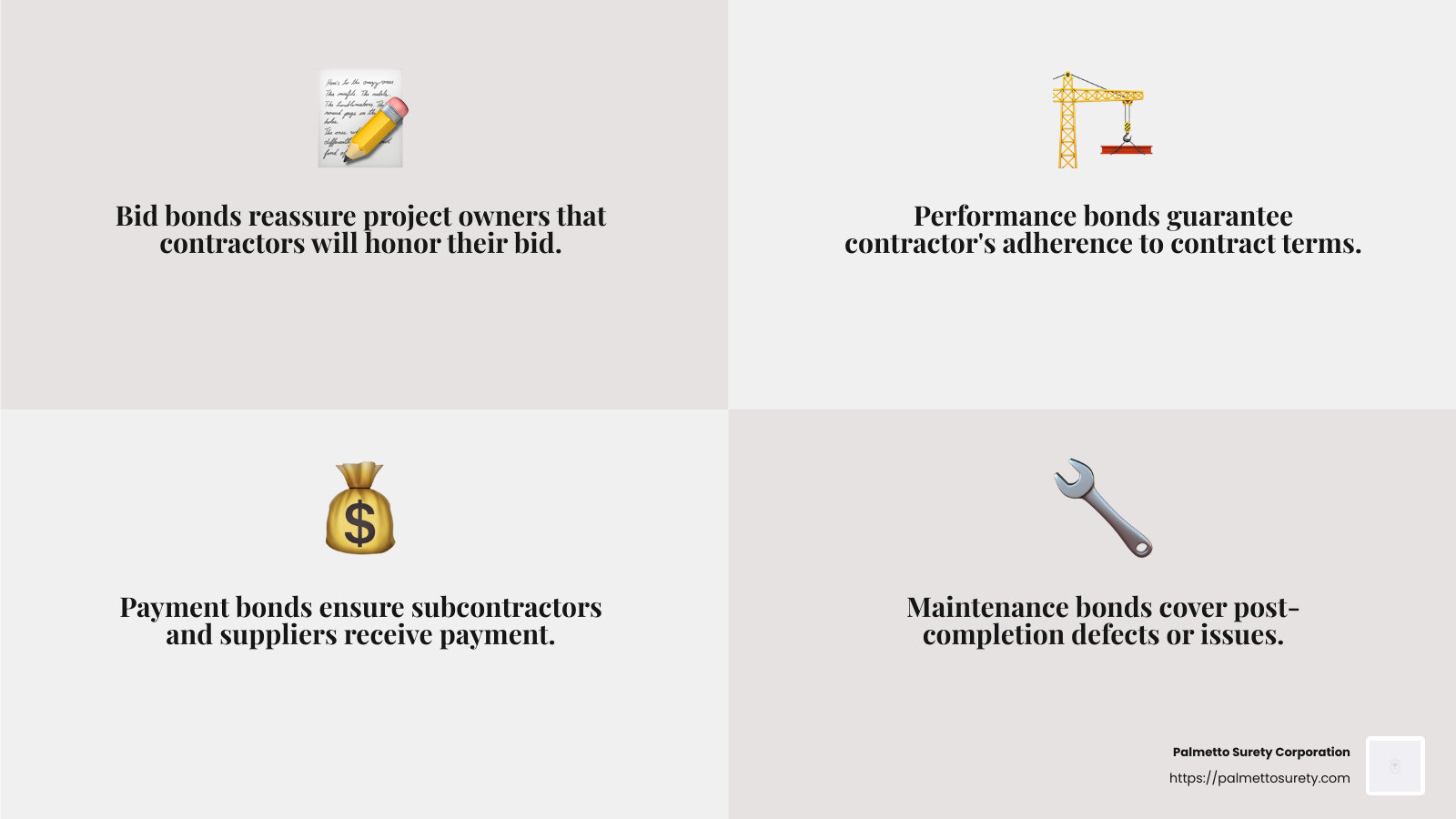
A bid bond is the first step in the bonding process. When contractors bid on a project, they submit a bid bond to assure the project owner that they will honor their bid if selected. If a contractor wins the bid but decides not to proceed, the bid bond compensates the project owner for any financial loss.
Performance Bonds
Once the project is awarded, the bid bond is replaced by a performance bond. This bond guarantees that the contractor will complete the work according to the contract’s terms and conditions. If the contractor fails to deliver quality work or abandons the project, the performance bond covers the cost of completing the project.
Payment Bonds
A payment bond ensures that subcontractors, suppliers, and workers get paid. It protects against any financial disputes that might arise if the contractor cannot meet their payment obligations. This bond is crucial for maintaining trust and fostering good relationships among everyone involved in the project.

Maintenance Bonds
After a project is completed, a maintenance bond may be required. This bond ensures that any defects or issues that arise within a specified period after completion are addressed. It’s like a warranty that guarantees the project remains in good condition and meets agreed-upon standards.
Completion Bonds
A completion bond provides assurance that the project will be finished on time and within budget. It also protects against issues like mechanics liens, which can arise if subcontractors or suppliers are not paid. This bond is often used in larger projects to ensure everything goes as planned.
In construction, understanding these bonds is crucial. They not only protect project owners from financial loss but also ensure contractors fulfill their obligations. With these bonds in place, everyone can work with confidence, knowing there’s a safety net if things don’t go as planned.
How Does Bonding Work in Construction?
The Role of the Surety Company
In construction, bonding is like a safety net. It ensures that projects are completed as promised and that everyone involved gets what they are due. But how does this process work, especially from the perspective of the surety company?
Contractor Obligations and Project Owner Protection
When a contractor takes on a project, they must fulfill certain obligations. These include completing the work on time, meeting quality standards, and paying subcontractors and suppliers. If the contractor fails to meet these obligations, the project owner could face financial losses. This is where construction bonds come into play. They protect the project owner by guaranteeing that the contractor will fulfill their duties. If not, the bond ensures that the project owner is compensated.
Surety Company Role
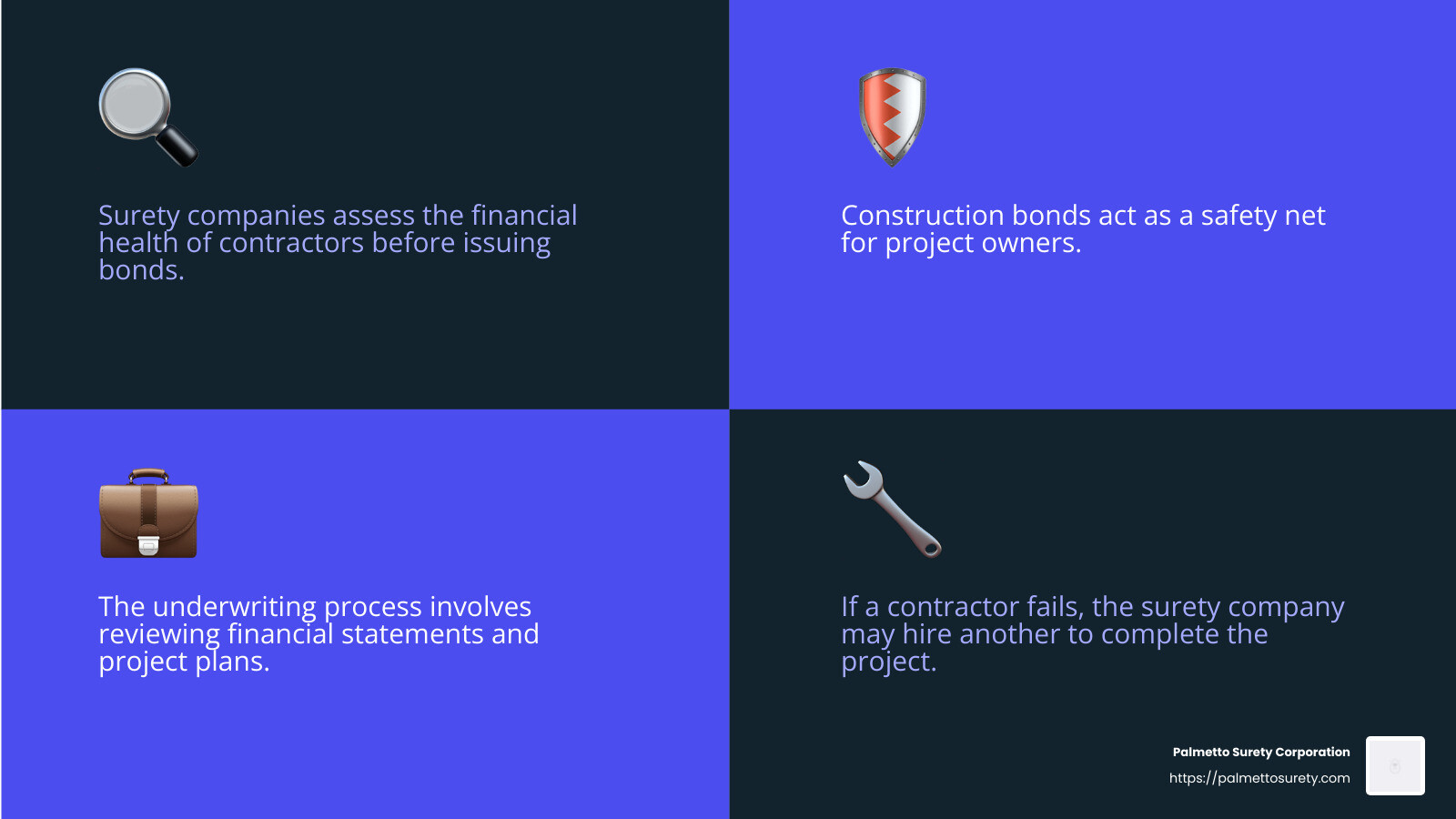
The surety company is the backbone of this process. It acts as a financial backer, promising the project owner that the contractor will meet their obligations. If the contractor doesn’t, the surety company steps in to cover the costs. This involves either hiring another contractor to finish the job or paying the project owner for the losses incurred.
Financial Assessment and Risk Management
Before issuing a bond, the surety company conducts a thorough financial assessment of the contractor. This involves evaluating the contractor’s financial health, work history, and ability to complete the project. The surety company needs to be confident that the contractor can meet their obligations. This financial assessment is crucial for risk management. By understanding the contractor’s capabilities, the surety company can determine the level of risk involved in issuing the bond.
Underwriting Process
The underwriting process is where the surety company decides whether to issue a bond. It involves reviewing the contractor’s financial statements, credit history, and project plans. The surety company assesses the likelihood of the contractor completing the project successfully. If the contractor passes this assessment, the surety company will issue the bond, providing a layer of financial protection for the project owner.
The surety company acts as a guarantor, ensuring that the project owner is protected from financial loss. This process provides peace of mind for both contractors and project owners, allowing them to focus on what they do best—building and completing projects efficiently.
The Bonding Process
Steps to Obtain a Construction Bond
Getting a construction bond involves several key steps. It’s a process designed to ensure that all parties are protected and that the project can proceed smoothly. Here’s a simple breakdown of how it works:
1. Application Process
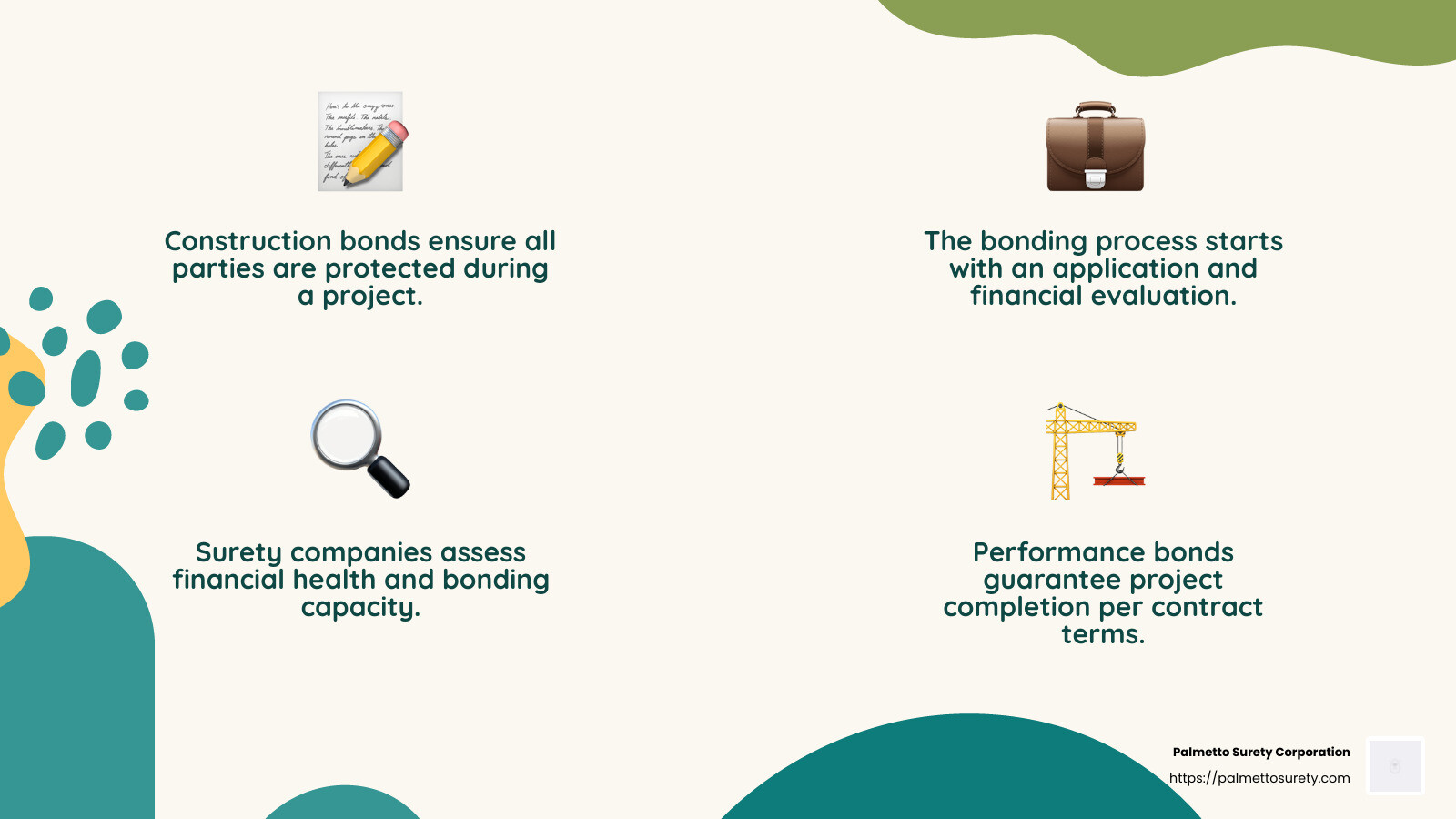
The first step to obtaining a construction bond is the application process. This is similar to applying for a loan. The contractor must provide detailed information about their business, including financial statements, work history, and project plans. This helps the surety company understand the contractor’s capabilities and reliability.
2. Financial Evaluation
Once the application is submitted, a financial evaluation takes place. The surety company examines the contractor’s financial health. This includes reviewing their credit score, cash flow, and current workload. The goal is to assess whether the contractor can handle the financial responsibilities of the project.
3. Bonding Capacity
Bonding capacity is the maximum amount of bonds a contractor can have at any given time. It’s determined by the surety company based on the contractor’s financial strength and experience. If a contractor is near their bonding capacity, they might need to complete existing projects before taking on new ones.
4. Bid Submission
For many projects, a bid bond is required during the bidding phase. This bond assures the project owner that the contractor will honor their bid and is capable of undertaking the project. If the contractor wins the bid but fails to proceed, the bid bond compensates the project owner for the inconvenience.
5. Performance Bond Acquisition
Once a contractor wins a bid, the next step is to acquire a performance bond. This bond guarantees that the contractor will complete the project according to the contract terms. It protects the project owner from potential financial losses due to contractor default.
6. Project Completion
Finally, the project must be completed as per the contract. If the contractor fulfills all obligations, the bond is released. However, if issues arise, the surety company steps in to resolve them, either by hiring a new contractor or compensating the project owner.
In summary, how does bonding work in construction? It’s a structured process that involves careful evaluation and guarantees. By following these steps, contractors can secure the bonds they need to work on projects, ensuring that both they and the project owners are protected from unforeseen financial risks.
Frequently Asked Questions about Construction Bonds
What is the purpose of a construction bond?
A construction bond serves as a financial security measure for project owners. It ensures that the contractor will fulfill their obligations as outlined in the contract. If the contractor fails to deliver, the project owner can make a claim against the bond to recover financial losses. This project assurance is crucial, especially in large-scale or public projects, where any disruption can lead to significant setbacks.
How much does a construction bond cost?
The cost of a construction bond, often referred to as the premium rate, is typically a small percentage of the total contract amount. Generally, this can range from 1% to 4% of the contract value. Factors influencing the cost include the contractor’s creditworthiness, financial history, and the size and complexity of the project. Understanding these factors helps contractors anticipate the financial commitment required for bonding.
Why do contractors need to be bonded?
Being bonded is essential for contractors for several reasons:
-
Risk Mitigation: Bonds protect project owners from financial losses due to contractor failure. This protection is a key reason why bonds are often mandatory for public and high-value projects.
-
Project Eligibility: Many projects, especially government contracts, require contractors to be bonded as a prerequisite for bidding. Without bonds, contractors might be ineligible to bid on lucrative projects, limiting their business opportunities.
Construction bonds are not just about meeting legal requirements; they are about building trust and ensuring the smooth execution of projects. By understanding the purpose, cost, and necessity of bonds, contractors can better steer the construction industry and secure more opportunities.
Conclusion
In construction, bonds are more than just a formality; they are a vital tool for ensuring project success and financial protection. At Palmetto Surety Corporation, we understand the importance of quick and efficient service when it comes to securing these bonds for your projects.
Our quick approval process sets us apart. We know that time is of the essence in the construction industry, and that’s why we strive to approve most applications within hours. This efficiency means you can focus on what’s most important—completing your project on time and within budget.
With over 20 years of experience, we specialize in providing surety bonds across various industries, including construction, manufacturing, and transportation. Our team is dedicated to helping you steer the complexities of bonding, ensuring that you have the financial security needed to take on larger and more lucrative projects.
Whether you’re a contractor looking to expand your business or a project owner seeking assurance, Palmetto Surety Corporation is here to support you every step of the way. Our commitment to excellence and customer satisfaction makes us the go-to choice for all your bonding needs.
Ready to get started? Contact us today and experience the difference that a dedicated surety partner can make for your construction projects.


