


Licensed Home Improvement Contractor: 5 Key Steps 2025
The Path to Becoming a Licensed Home Improvement Contractor
Licensed home improvement contractors play a crucial role in transforming residential spaces, ensuring that every project adheres to safety standards and contractual obligations. If you’re considering embarking on this fulfilling career path, here’s a concise overview of the essentials:
- Licensing Requirements: Most states mandate that contractors be licensed and comply with specific state regulations.
- Exam and Fees: You’ll need to pass an exam, often accompanied by fees, to assess your knowledge of construction and safety.
- Surety Bond: Securing a $20,000 surety bond is a necessary step to protect against potential claims.
The significance of a licensed home improvement contractor extends beyond meeting legal requirements; it also provides homeowners with peace of mind, knowing their renovations are managed by qualified professionals. Obtaining a license ensures you can meet these standards and maintain industry credibility.
My name is Haiko de Poel Jr, and with extensive experience in digital strategy and rebranding, I’ve been instrumental in transforming businesses and industries. My dedication to excellence includes guiding professionals on the path to becoming a licensed home improvement contractor, ensuring they successfully navigate the complexities and nuances of the licensing process.
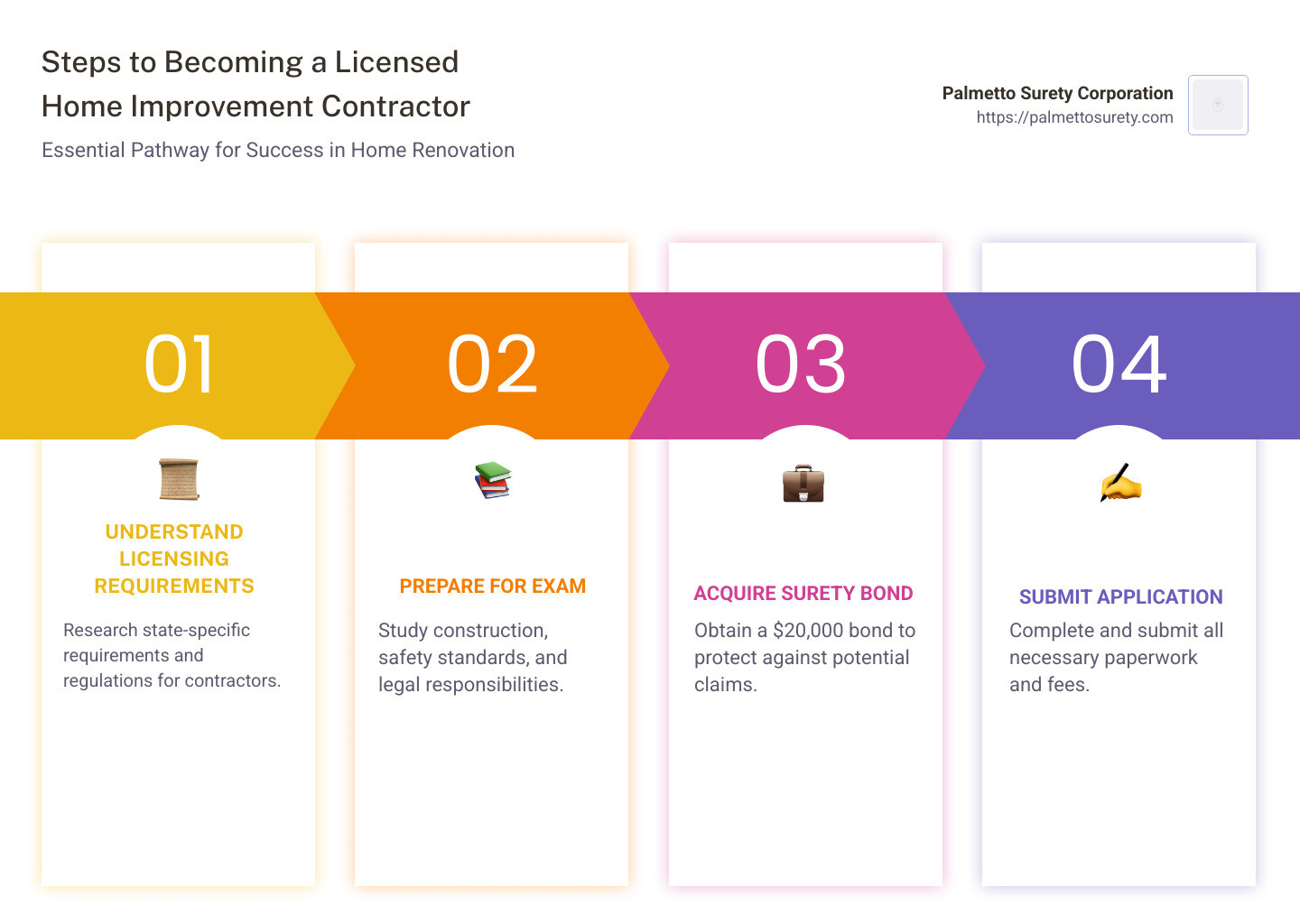
Understanding Home Improvement Contractor Licenses
To become a licensed home improvement contractor, you need to meet specific requirements set by the Department of Consumer Affairs, especially if you are operating in New York City.
Key Requirements for Licensing
-
Basic License Application: Start by submitting a basic license application. You can do this online or in person.
-
Sales Tax Identification Number: You need a Sales Tax Identification Number or an Application Confirmation Number. This is crucial for your business to collect sales tax legally.
-
Proof of Business Address: Provide proof of your business address. Acceptable documents include a utility bill, lease agreement, or a government-issued document showing your business address.
-
Workers’ Compensation Insurance: You must show proof of workers’ compensation insurance. This can be an Insurance Certificate naming the Department of Consumer and Worker Protection as the certificate holder.

-
EPA Certification: Depending on your work type, you may need EPA certifications for Renovation, Repair, and Painting (RRP) or Lead-Based Paint Activities. If these aren’t required, a signed affirmation is necessary.
-
Surety Bond or Trust Fund Enrollment: You have the option to enroll in the DCWP Trust Fund or provide a $20,000 surety bond to safeguard against potential claims.
Role of the Department of Consumer Affairs
The Department of Consumer Affairs (DCA) plays a vital role in regulating and issuing licenses for home improvement contractors in New York City. They ensure that all contractors meet the necessary legal and safety standards. This department also handles consumer complaints, ensuring that homeowners are protected from fraudulent or substandard work.
Once you have all the required documents and meet the criteria, you can apply for your license. This process ensures that only qualified professionals can offer home improvement services, protecting both homeowners and contractors.
Understanding these requirements and the role of the Department of Consumer Affairs is crucial for anyone looking to become a licensed home improvement contractor in New York City. It not only ensures compliance with the law but also builds trust with potential clients.
Steps to Becoming a Licensed Home Improvement Contractor
Becoming a licensed home improvement contractor involves several critical steps. Whether you’re working in New York City or elsewhere, the process is similar, although specific requirements may vary. Here’s a breakdown:
Application Process
-
Submit Your Application: Start by completing the basic license application. This can be done online or in person. Ensure all required documents are attached, like proof of business and home address, and your Sales Tax Identification Number.
-
Choose Between Trust Fund or Surety Bond: Decide if you want to enroll in the DCWP Trust Fund or provide a $20,000 surety bond. This financial backing protects clients from potential claims against your business.
-
Fingerprinting and Background Check: Schedule an appointment with IdentoGO for fingerprinting. This step is crucial for verifying your identity and ensuring compliance with legal standards.
Exams
-
Home Improvement Exam: You must pass a Home Improvement Exam, which covers essential topics like building codes, safety regulations, and ethical practices. The exam consists of 30 questions, and you need to answer at least 21 correctly. The fee is $50, separate from the license fee.
-
Scheduling the Exam: You can schedule your exam 24 hours after your application is processed. It’s available seven days a week in multiple locations.
Building Codes and Safety Regulations
Understanding and complying with local building codes is essential. These codes ensure that all construction work meets safety standards and regulations.
-
Permits: Depending on your project, you may need various permits from local authorities. For example, sidewalk work in New York City requires a permit from the Department of Transportation. Always check with local departments to ensure compliance.
-
EPA Certification: If your work involves lead-based paints or other hazardous materials, you might need specific EPA certifications. These certifications ensure safe handling and disposal of dangerous substances.
Importance of Compliance
Compliance with building codes and safety regulations is not just about legal obligations. It ensures the safety of both workers and homeowners. Failing to comply can result in fines, project delays, or even license suspension.
Becoming a licensed home improvement contractor involves a detailed process, but it’s crucial for establishing a reputable business. It ensures you meet all legal requirements and can confidently offer your services to clients.
Following these steps carefully will set you on the right path to becoming a successful contractor, ready to tackle a variety of projects while ensuring safety and quality in your work.
Key Differences: General Contractor vs. Home Improvement Contractor
When it comes to construction, understanding the difference between a General Contractor and a Home Improvement Contractor is crucial. Both play essential roles, but their responsibilities, project scope, and oversight vary significantly.
Project Scope
General Contractors handle a broad range of construction projects. This can include everything from building new homes to large-scale renovations. They often oversee entire projects, coordinating various subcontractors and ensuring everything runs smoothly.
In contrast, Home Improvement Contractors focus on specific residential projects. Their work is typically limited to improvements or repairs on existing structures. This could involve remodeling a kitchen, installing new windows, or upgrading a bathroom. Their scope is generally narrower, concentrating on enhancing the functionality or aesthetics of a home.
Specialization
The specialization of these contractors also sets them apart. General Contractors often have a broad skill set, managing multiple aspects of construction. They might not perform all the work themselves but will have the expertise to oversee specialists in different trades.
Home Improvement Contractors, however, tend to specialize in particular areas. For example, they might focus solely on interior renovations or exterior improvements. This specialization allows them to offer in-depth knowledge and expertise in their chosen field, ensuring high-quality results for specific types of projects.
Oversight
General Contractors typically have more oversight responsibilities. They manage the entire construction process, from obtaining permits to scheduling inspections. They ensure all aspects of the project comply with local building codes and safety regulations. Their role often includes coordinating with architects, engineers, and other professionals to bring a project to completion.
On the other hand, Home Improvement Contractors usually have less oversight. Their focus is on the specific tasks they’ve been hired to complete. However, they must still ensure their work complies with relevant building codes and safety standards. This can involve obtaining necessary permits and coordinating with homeowners to align with their vision.
Understanding these key differences helps in choosing the right contractor for your project. Whether you need a comprehensive approach or specialized expertise, knowing what each type of contractor offers ensures your project is in capable hands.
Next, we will address some frequently asked questions about licensed home improvement contractors to provide further clarity on this topic.
Frequently Asked Questions about Licensed Home Improvement Contractors
Does Arkansas require a contractor license?
Yes, Arkansas does require a contractor license for certain projects. Specifically, if you’re working on commercial projects or any job where the total cost exceeds $50,000, a contractor license is mandatory. This is to ensure that contractors meet specific standards and regulations, protecting both the contractor and the client.
Does a handyman need a license in CT?
In Connecticut, a handyman typically does not need a license for minor services. These tasks might include simple repairs, painting, or other small projects that don’t involve significant changes to a structure. However, if the work involves electrical, plumbing, or large-scale renovations, a licensed professional is required. It’s always a good idea to check with local regulations to ensure compliance.
What is the difference between a general contractor license and a home improvement license?
The difference lies in specialization and project management. A general contractor license allows for a broader scope of work, including managing large construction projects and coordinating multiple trades. General contractors oversee everything from the ground up, ensuring all aspects of a project are completed according to plan.
A home improvement license, on the other hand, is more specialized. It focuses on specific improvements or repairs to existing structures. This could include remodeling a kitchen or bathroom, installing new flooring, or upgrading windows. Home improvement contractors typically handle projects that improve the functionality or aesthetics of a home, rather than building from scratch.
Understanding these distinctions helps homeowners choose the right professional for their needs, ensuring that their projects are completed efficiently and to a high standard.
Conclusion
Navigating the path to becoming a licensed home improvement contractor can seem daunting. However, with the right resources and support, it becomes a manageable journey. This is where Palmetto Surety Corporation comes in. With over 20 years of experience, we specialize in providing surety bonds that help contractors meet regulatory requirements quickly and efficiently.
Our quick service and expertise ensure that you can secure the necessary bonds without hassle, allowing you to focus on your business. Whether you’re a new contractor applying for your first license or an experienced professional renewing your credentials, our team is here to support you every step of the way.
Surety bonds are crucial for contractors. They protect both the contractor and the client by ensuring that the work is completed according to contract terms. At Palmetto Surety Corporation, we make obtaining these bonds simple and straightforward. Our process is designed to be fast and user-friendly, so you can get back to what you do best—improving homes.
For more information on how Palmetto Surety Corporation can assist you in becoming a licensed home improvement contractor, visit our service page.

Choosing the right partner can make all the difference in your contracting career. Let us help you steer the complexities of surety bonds with ease and confidence.


