


Bail Enforcement: Top 6 Powerful Legal Insights 2025
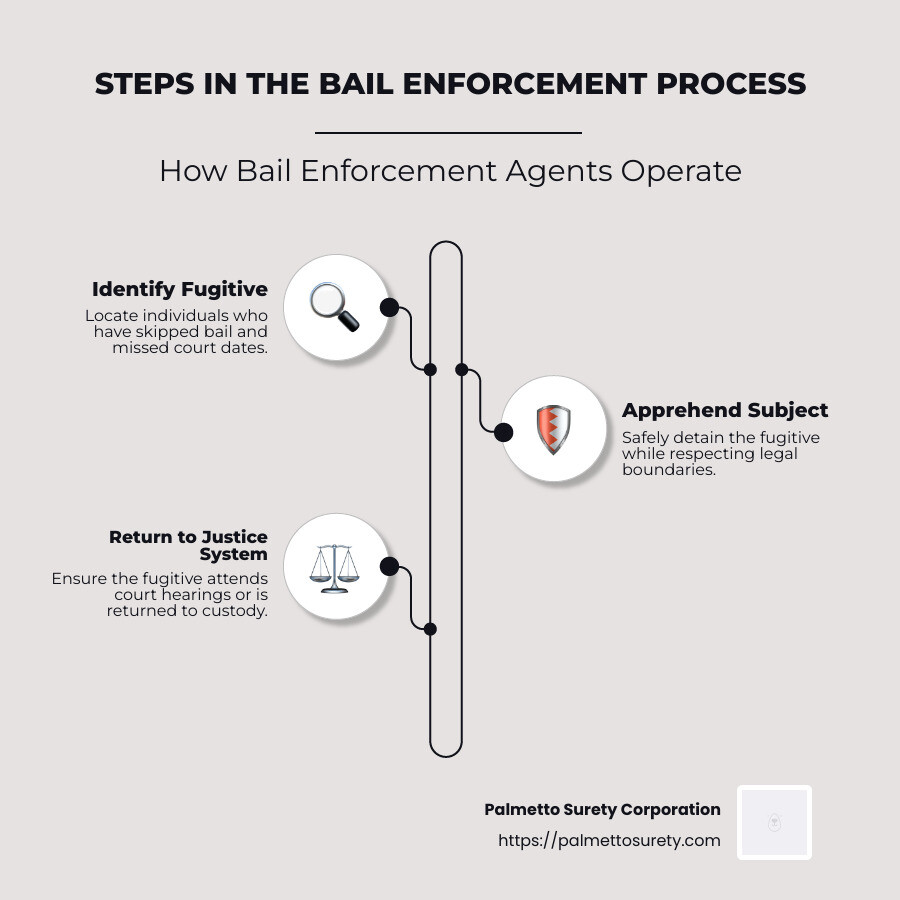
Bail enforcement is a critical facet of the justice system, playing a vital role in ensuring that individuals meet their legal obligations after being released on bail. At its core, it involves the activities of bail enforcement agents, also known as bounty hunters, who are responsible for fugitive recovery when someone skips their court hearings. These agents operate within a specific legal framework, which varies by state, to track and apprehend individuals who have violated the terms of their bail.
Key Aspects of Bail Enforcement:
– Fugitive Recovery: Tracking and bringing in individuals who fail to appear in court.
– Legal Framework: Navigating state-specific laws and guidelines.
– Licensing Requirements: Meeting state-imposed criteria to operate as a bail enforcement agent.
My name is Haiko de Poel Jr. As an expert in strategic marketing and a key figure in the branding and growth of Palmetto Surety Corporation, I have developed a deep understanding of bail enforcement and its pivotal role in the criminal justice system.
Important bail enforcement terms:
– how does the bail industry work
– how to become a bail agent
– how to start a bail bond business
Understanding Bail Enforcement
Bail Enforcement is a fascinating and crucial part of the legal system, especially when someone skips their court date. Let’s break down what it involves and who the key players are.
Bail Bondsman vs. Bounty Hunter
Bail Bondsman: These are the folks who provide the financial backing for a defendant’s bail. When someone can’t afford to pay their bail, a bail bondsman steps in. They charge a fee, usually about 10% of the bail amount, and secure the rest with collateral. This makes it possible for defendants to be released from jail while awaiting trial.
Bounty Hunter: Also known as a bail enforcement agent, a bounty hunter is hired by the bail bondsman to track down and apprehend defendants who don’t show up for court. They play a crucial role in ensuring that the bail system functions smoothly by ensuring defendants comply with their legal obligations.
Arrest Powers of Bail Enforcement Agents
Bail enforcement agents have unique powers that differ from typical law enforcement officers. Here’s a quick look at what they can do:

-
Arrest Authority: Bounty hunters can arrest fugitives who have skipped bail. However, their powers are limited to the specific terms agreed upon in the bail bond contract.
-
Use of Force: While bounty hunters can use reasonable force to apprehend a fugitive, this is tightly regulated. Misuse of force can lead to legal consequences.
-
Notification Requirements: In many states, bounty hunters must inform local law enforcement before making an arrest. This ensures that their actions are coordinated and lawful.
Legal Framework and State Variations
The legal framework governing bail enforcement varies significantly from state to state. Some states require bounty hunters to be licensed, while others have minimal regulations. This means that a bounty hunter’s authority and the process they must follow can look very different depending on where they’re operating.
For example, in Colorado, the Division of Insurance oversees the bail bonding industry, handling complaints and enforcing laws. This includes ensuring that bail bond agents return collateral and avoid overcharging premiums. In contrast, other states might have different regulatory bodies and requirements.
Understanding these differences is crucial for anyone involved in bail enforcement, as it affects how they can operate legally and effectively.
In summary, bail enforcement involves a complex interplay between bail bondsmen and bounty hunters, each playing their part in maintaining the integrity of the bail system. By understanding the roles and powers of these key players, as well as the legal framework they operate within, we get a clearer picture of how this essential service functions.
The Role of Bail Enforcement Agents
Bail enforcement agents, commonly known as bounty hunters, play a vital role in the criminal justice system by ensuring that defendants who skip bail are apprehended and brought back to court. This section digs into their responsibilities, legal authority, and jurisdictional limits.
Fugitive Apprehension
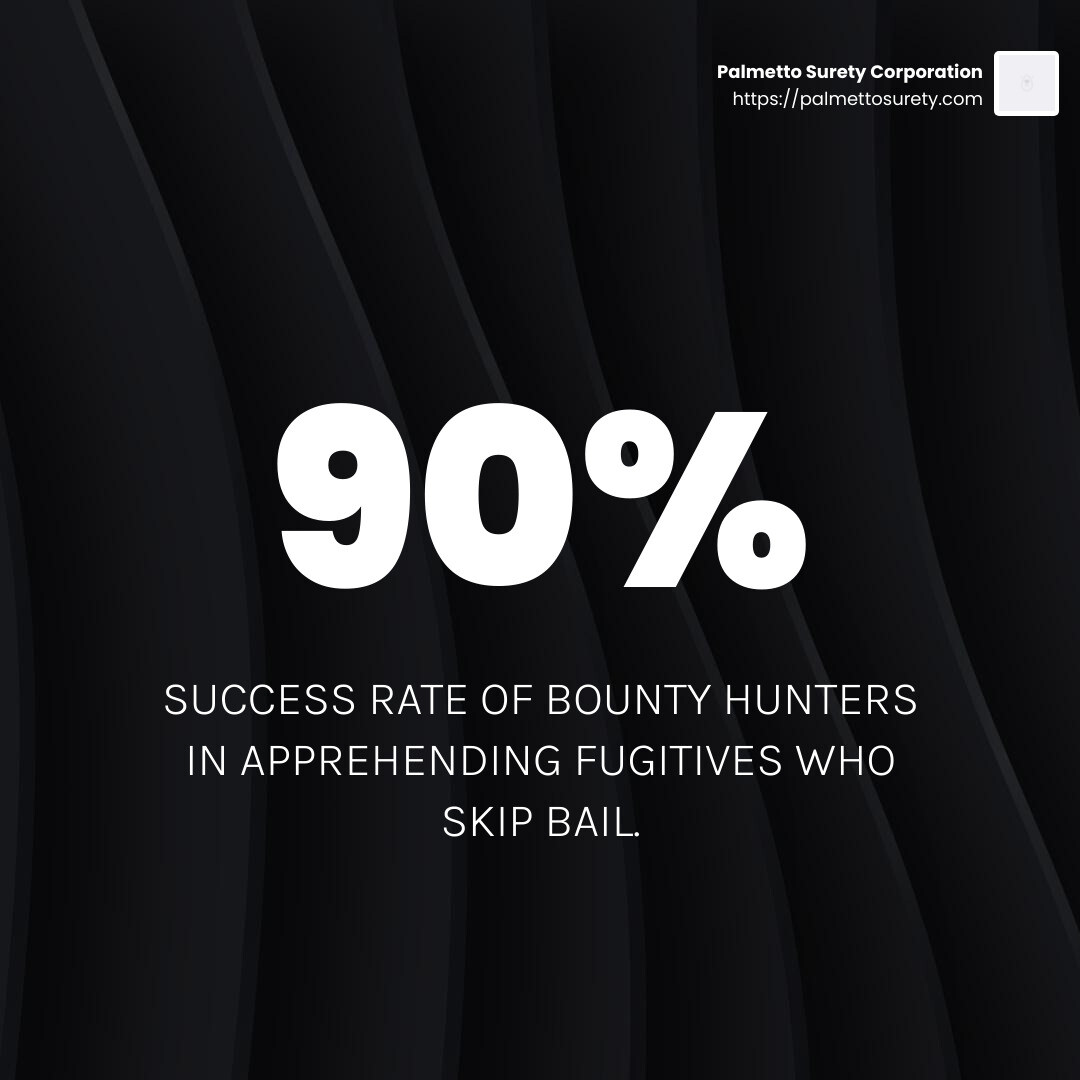
Fugitive apprehension is the primary function of bail enforcement agents. When a defendant fails to appear in court, the bail bondsman who posted their bail hires a bounty hunter to locate and apprehend the fugitive. This process is crucial because it ensures that the bail system remains effective and that defendants fulfill their legal obligations.
Bounty hunters use various methods to track down fugitives, including surveillance, background checks, and informant tips. Their work requires a keen understanding of investigative techniques and often involves collaboration with local law enforcement to ensure a safe and legal apprehension process.
Legal Authority
Bail enforcement agents have unique legal powers that allow them to operate differently from police officers. They can arrest individuals who have skipped bail, but their authority is primarily derived from the bail bond contract. This means they operate under the terms agreed upon by the defendant and the bail bondsman.
-
Arrest Authority: Bounty hunters can arrest fugitives without a warrant, but they must adhere to the legal boundaries set by state laws. Their ability to make arrests is limited to the individuals they are contracted to apprehend.
-
Use of Force: While bounty hunters can use reasonable force to capture a fugitive, the use of excessive force can result in severe legal consequences. The use of force is tightly regulated, and agents must exercise caution to avoid infringing on the rights of individuals.
Jurisdiction Limits
Bail enforcement agents must steer jurisdictional limits, which can vary significantly across states. These limits define where and how they can operate:
-
State Regulations: Each state has its own set of rules governing the activities of bounty hunters. Some states require them to be licensed and trained, while others impose fewer restrictions. For instance, Utah requires bail enforcement agents to be licensed and of good moral character.
-
Interstate Operations: When a fugitive crosses state lines, bounty hunters must comply with the legal requirements of both the state where the bond was issued and the state where the fugitive is located. This often involves notifying local authorities and sometimes obtaining additional licenses or permits.
Understanding these jurisdictional nuances is crucial for bounty hunters to operate legally and effectively. By adhering to state-specific regulations and maintaining clear communication with law enforcement, they can ensure that their actions are lawful and coordinated.
In conclusion, bail enforcement agents are essential to maintaining the integrity of the bail system by apprehending fugitives and ensuring they face justice. Their unique legal powers, combined with their investigative skills, make them indispensable in the pursuit of justice.
Licensing and Requirements for Bail Enforcement Agents
Becoming a bail enforcement agent, or bounty hunter, involves meeting specific licensing and training requirements that vary by state. These requirements ensure that agents operate within the law and maintain public safety.
Licensing
In many states, bounty hunters must obtain a license to legally apprehend fugitives. This process typically involves:
-
Age and Residency Requirements: Applicants must be at least 21 years old and either a citizen or legal resident of the United States.
-
Background Checks: A clean criminal record is often required. Felony convictions, especially those involving dishonesty or breach of trust, may disqualify an applicant or require a special waiver, as outlined in § 18 USC 1033 and 1034.
-
Application Process: Aspiring agents generally need to apply through a designated state agency, such as the Bureau of Criminal Identification in Utah. Some states, like Colorado, require agents to be licensed as insurance producers with a casualty line of authority before they can write bail bonds.
Training
Training is crucial for preparing bail enforcement agents to handle the challenges of the role. While requirements differ by state, common elements include:
-
Prelicensing Education: Courses covering the legal aspects of bail enforcement, investigative techniques, and the proper use of force. For example, Colorado mandates the completion of specific preappointment education as per § 10-2-415.5, C.R.S.
-
Continuing Education: To maintain their license, agents must often complete ongoing education to stay updated on changes in laws and best practices.
Regulations
Regulations governing bail enforcement agents are designed to protect both the agents and the public. Key regulatory aspects include:
-
Use of Force: While bounty hunters can use reasonable force to apprehend fugitives, excessive force is prohibited and can lead to legal action. The use of force is tightly regulated, emphasizing the need for agents to act within legal boundaries.
-
State-Specific Laws: Each state sets its own rules for bail enforcement activities. Some states require agents to notify local law enforcement before making an arrest, while others have specific guidelines for interstate fugitive recovery.
-
Interstate Operations: When pursuing fugitives across state lines, agents must comply with the legal requirements of both the originating state and the state where the fugitive is found. This often includes obtaining additional licenses or permits.
By understanding and adhering to these licensing and regulatory requirements, bail enforcement agents can operate effectively and legally, ensuring the integrity of the bail system.
Bail Enforcement in Different States
Bail enforcement laws and procedures can vary significantly from state to state. This diversity affects the way bail enforcement agents, or bounty hunters, conduct their operations.
State Laws
Each state has its own set of laws governing the practice of bail enforcement. These laws determine:
-
Licensing Requirements: As mentioned earlier, some states require specific licenses for bail enforcement agents, while others may have more lenient rules.
-
Notification Protocols: In certain states, agents must notify local law enforcement before attempting to apprehend a fugitive. This is to ensure that their actions are coordinated with law enforcement efforts.
-
Use of Force: The degree of force that can be used during an apprehension is strictly regulated. States have different standards for what constitutes “reasonable force,” which agents must adhere to avoid legal repercussions.
Jurisdiction
Bail enforcement agents operate within a defined jurisdiction, which is typically the state in which they are licensed. However, their authority can be limited by:
-
State-Specific Restrictions: Some states, such as Florida, have more restrictive laws that limit the powers of bail enforcement agents, requiring them to work closely with law enforcement.
-
Legal Boundaries: Agents must respect the legal boundaries set by each state, ensuring they do not overstep their authority when apprehending a fugitive.
Interstate Operations
When a fugitive crosses state lines, the complexity of bail enforcement increases. Agents must steer:
-
Legal Requirements: To legally pursue a fugitive into another state, agents often need to comply with both the laws of their home state and the state where the fugitive is located. This may require obtaining additional permissions or licenses.
-
Cooperation with Local Authorities: Successful interstate operations often depend on cooperation with local law enforcement. Agents may need to coordinate their efforts to avoid conflicts and ensure a smooth apprehension process.
-
Variability in Enforcement: Some states are more cooperative with out-of-state bounty hunters, while others may pose significant legal problems. Understanding these differences is crucial for effective interstate operations.
By understanding the nuances of bail enforcement across different states, agents can effectively and legally apprehend fugitives, maintaining the integrity of the bail system while respecting state-specific laws and regulations.
Frequently Asked Questions about Bail Enforcement
What powers do bail enforcement agents have?
Bail enforcement agents, often called bounty hunters, have unique powers when it comes to apprehending fugitives. Unlike police officers, their authority is not derived from the state but from the bail bond contract. This means they can arrest individuals who have skipped bail, but their powers are limited by legal boundaries.
Arrest Authority: Bail enforcement agents can detain fugitives without a warrant, as long as they have the proper documentation proving the person has skipped bail. However, they must adhere to the legal standards of “reasonable force” during an apprehension. Each state has its own definition of what constitutes reasonable force, and agents must be familiar with these regulations to avoid legal trouble.
Legal Boundaries: While they can arrest fugitives, bail enforcement agents must respect certain boundaries. They cannot forcibly enter a third-party’s property without permission, and they must always carry proper identification and documentation. Failure to comply with these legal stipulations can result in criminal charges against the agent.
Can bail enforcement agents operate across state lines?
Interstate operations are a complex aspect of bail enforcement. When a fugitive crosses state lines, agents must steer a web of state-specific regulations.
Legal Requirements: To pursue a fugitive into another state, agents often need to comply with both their home state’s laws and the laws of the state where the fugitive has fled. This may require additional permissions or licenses, and in some cases, agents must notify local law enforcement before attempting an apprehension.
Cooperation with Local Authorities: Successful interstate operations often depend on cooperation with local law enforcement. Some states are more accommodating to out-of-state bounty hunters, while others may present significant legal problems. It’s crucial for agents to understand these differences to ensure a smooth and lawful apprehension process.
What is the difference between a bail bondsman and a bounty hunter?
Roles and Responsibilities: The roles of a bail bondsman and a bounty hunter differ significantly, even though they both operate within the bail enforcement system.
-
Bail Bondsman: A bail bondsman provides the financial backing for a defendant’s release from jail, covering the bail amount set by the court. They charge a fee, usually a percentage of the bail amount, for this service. Their primary responsibility is to ensure the defendant appears in court.
-
Bounty Hunter: A bounty hunter, or bail enforcement agent, is tasked with locating and apprehending defendants who fail to appear in court. They operate under the authority of the bail bondsman and are often compensated with a percentage of the bail amount once they successfully capture the fugitive.
Understanding these roles is essential for anyone involved in the bail system. While both positions are critical to the process, their responsibilities and authority differ greatly.
Conclusion
Navigating bail enforcement can be complex, but with the right partner, it becomes much simpler. Palmetto Surety Corporation is here to guide you through every step of the process. With over 20 years of experience, we specialize in providing quick and efficient service for all your surety bond needs.
Our focus is on delivering exceptional service to our clients. We understand that in the bail bond industry, time is of the essence. That’s why we pride ourselves on our ability to approve most applications within hours. This quick turnaround ensures that you can focus on what really matters—your business and your clients.
Palmetto Surety Corporation offers a wide range of surety bonds custom to various industries, including construction, manufacturing, transportation, and healthcare. Whether you’re a seasoned professional or just starting in the bail bond business, our expertise and resources are at your disposal.
Our commitment to excellence is reflected in our streamlined processes and our dedication to client satisfaction. We believe in building strong relationships based on trust and transparency. This approach has made us a leader in the southeastern United States, providing reliable and effective solutions for bail bonding companies and agents.
If you’re looking to start or expand your bail bond business, we’re here to help. Learn more about our services and how we can support your success. With Palmetto Surety Corporation by your side, you can steer the bail enforcement landscape with confidence and ease.


