


How to Become a Bail Agent: 5 Powerful Success Steps
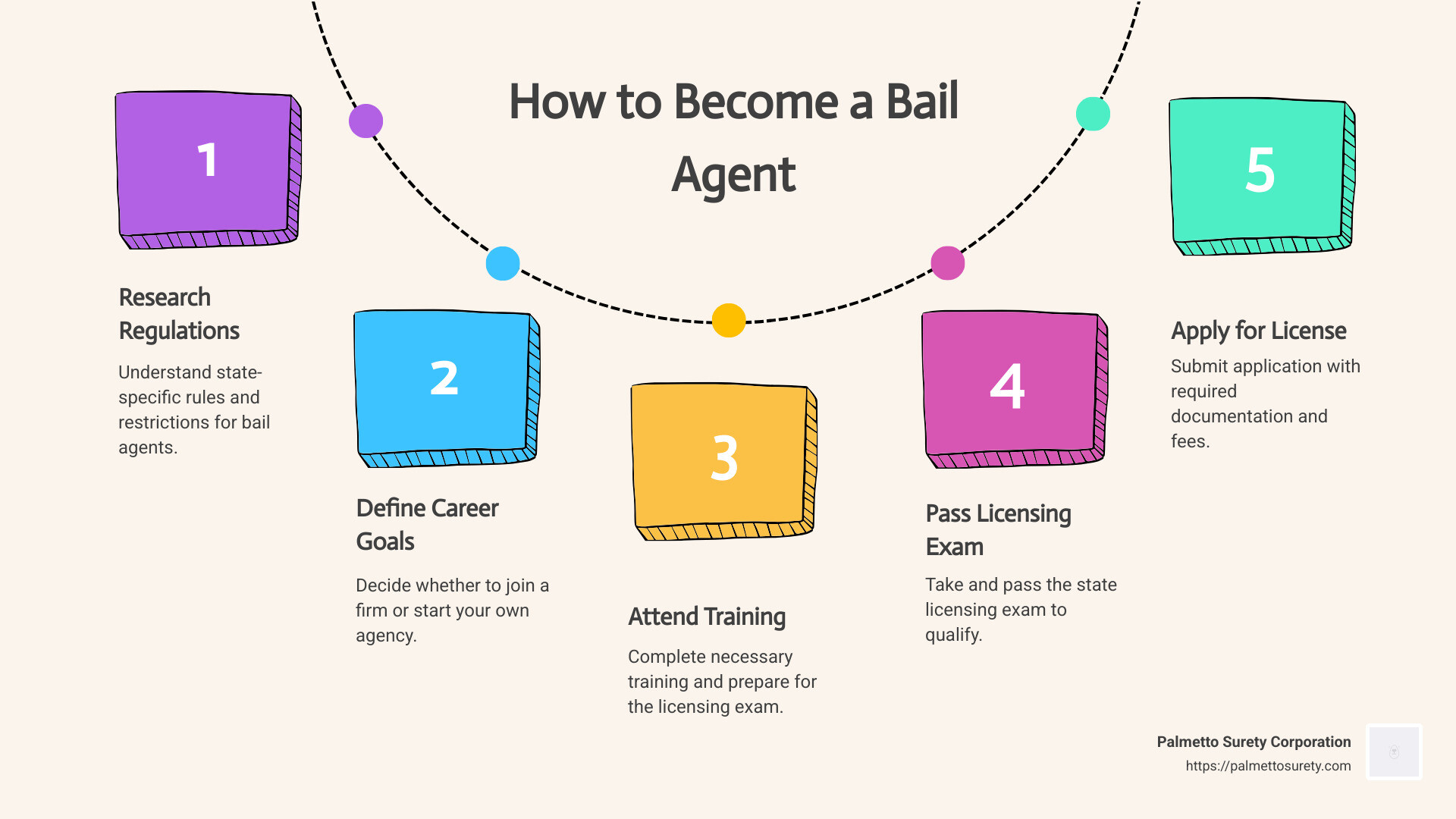
How to become a bail agent is a question that many aspiring individuals ask when considering a career in the field. To start your journey, here’s a quick guide:
- Research local state regulations, as rules vary with some states not allowing private bail agents.
- Define your career goals, whether joining a firm or starting your own agency.
- Attend training, even if it’s optional, and pass the licensing exam.
- Apply for a state license, providing necessary documentation, photos, and fees.
Starting on the path to becoming a bail agent can lead to a rewarding and impactful career. A bail agent plays a crucial role in helping individuals regain their freedom while awaiting trial, ensuring they meet their legal obligations. This career demands both dedication and empathy, as it involves navigating various legal frameworks and responsibilities.
I’m Haiko de Poel Jr, and I have a wealth of experience in how to become a bail agent, particularly in branding and digital changes that have supported the growth of many businesses, including those in the bail surety industry.
Understanding the Role of a Bail Agent
Being a bail agent is more than just a job—it’s a crucial role in the justice system. Bail bonds are the key tool that bail agents use to help individuals regain their freedom while awaiting trial. Imagine a situation where someone is accused of a crime. They want to get out of jail but can’t afford the bail set by the court. That’s where a bail agent steps in.
The Legal Framework
The legal framework surrounding bail bonds can be complex. Bail agents must understand the laws and regulations that govern their work. This includes knowing how bail amounts are set, which can vary widely. For example, a judge might set a higher bail for someone considered a flight risk or for serious charges.
In some states, like Kentucky and Oregon, private bail agents aren’t allowed, so understanding local laws is crucial. Each state has its own rules, and keeping up with them is part of the job.
Responsibilities of a Bail Agent
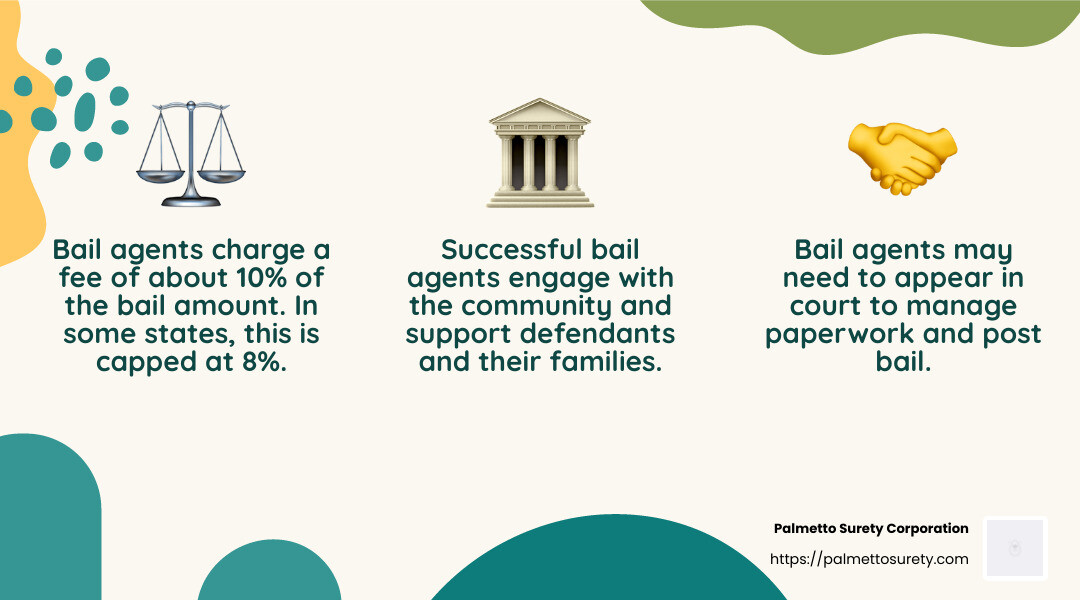
A bail agent’s responsibilities are diverse. They provide written agreements to courts, guaranteeing that the defendant will appear for trial. They charge a fee for this service, often around 10% of the bail amount, though some states cap this at 8%.
Bail agents might also require collateral, like a car or property, to secure the bond. This ensures that if the defendant skips bail, the agent can recover the costs.

Court Appearances: Bail agents may need to appear in court to post bail or manage paperwork. This requires a good understanding of court procedures and the ability to work efficiently under pressure.
Community Engagement: Successful bail agents often have strong people skills and a passion for helping others. They work closely with defendants and their families, offering support and guidance through a challenging time.
The role of a bail agent is demanding yet rewarding. It’s about more than just handling money—it’s about helping people navigate the legal system and ensuring justice is served. By understanding the intricacies of bail bonds and the legal framework, a bail agent becomes a vital part of the community.
Next, we’ll explore the qualifications needed to become a bail agent and the steps to kickstart your career in this field.
How to Become a Bail Agent
Meeting the Basic Qualifications
To become a bail agent, you must first meet some basic qualifications. Here’s what you’ll need:
- Age Requirement: You must be at least 18 years old.
- Citizenship: You need to be a U.S. citizen.
- Financial Record: A clean financial record is crucial. This means no bankruptcies or significant debts.
- Criminal Record: You cannot have any felony convictions or misdemeanors related to theft, narcotics, or assault.
These qualifications ensure that you are trustworthy and responsible, two key traits for a career in bail bonding.
Completing Educational and Training Requirements
Once you meet the basic qualifications, the next step is education and training.
-
Pre-Licensing Course: You’ll need to complete a 24-hour pre-licensing course. This course is offered by state-approved colleges and training academies. It covers essential topics like the legal framework, bail bond principles, and insurance regulation.
-
Exam Preparation: The course will also help you prepare for the state licensing exam. It’s a good idea to take notes and review them regularly to ensure you’re ready.
Educational requirements are designed to equip you with the knowledge needed to steer the complex legal environment of bail bonds.
Passing the Licensing Exam
After completing your education, it’s time to tackle the licensing exam. Here’s what you need to know:
-
Exam Details: The exam consists of 60 multiple-choice questions and must be completed within one hour. It tests your understanding of the topics covered in the pre-licensing course.
-
Prometric: The exam is administered by Prometric, an independent testing provider. You can find more details and register for the exam on their website.
-
Retake Policy: If you don’t pass the exam on your first try, don’t worry. You can retake it, and your scores are valid for one year.
Passing the exam is a crucial step in your journey to becoming a licensed bail agent.
Applying for a State License
Once you’ve passed the exam, you can apply for your state license. Here’s how:
-
Application Process: Complete the necessary forms, which include providing two character references and a statement of financial responsibility.
-
Fees: There is a $250 initial license fee. Additionally, bail agents in Connecticut, for example, must pay an annual $450 bail bond assessment fee.
-
Documentation: Submit all required documentation to the state’s insurance department. This includes proof of passing the exam and completion of the pre-licensing course.
By following these steps, you’ll be well on your way to starting your career as a bail agent. Next, we’ll explore how you can establish your bail bond business, whether by joining an existing firm or starting your own.
Establishing Your Bail Bond Business
Once you’ve got your license, it’s time to dive into the business side of things. Here’s how you can establish a successful bail bond business.
Joining a Firm
Starting your career by joining an existing bail bond firm can be a smart move. It offers you a chance to learn the ropes without the pressure of running your own business. Many new agents choose this path to gain valuable experience and build a network.
-
Benefits of Joining a Firm: You get to work with an experienced team and learn from seasoned professionals. This can be invaluable as you develop your skills and understanding of the industry.
-
Firm Options: In states like Connecticut, firms such as 3-D Bail Bonds and Aces Bail Bond are popular choices for new agents looking to start their careers.
Starting Your Own Company
If you’re ready for a challenge, you might consider starting your own bail bond company. This path requires more effort and resources but can be highly rewarding.
-
Business Registration: First, you’ll need to register your business with the state. This includes choosing a business name and structure (like an LLC or corporation) and obtaining a tax ID number.
-
Office Space and Operations: Find a suitable office location and set up your operations. You’ll need to consider things like office space, staff, and marketing strategies to attract clients.
-
Surety Bonds: Securing a surety bond is crucial, as it serves as your financial backing. Companies like Palmetto Surety Corporation offer surety bonds custom to the needs of bail agents. This bond is essential for guaranteeing your performance and compliance with state regulations.
Insurance Backing
Insurance backing is another critical component of establishing your bail bond business. You’ll need to partner with an insurance company that can provide the necessary surety to support your operations.
-
Choosing an Insurance Partner: Look for a reliable insurance company that specializes in bail bonds. They will be your partner in underwriting bail bonds and ensuring you have the financial support needed to operate effectively.
-
Building a Relationship: Establishing a strong relationship with your insurance provider can help streamline your operations and improve your service to clients.
By understanding these key steps, you’ll be well-prepared to establish your bail bond business, whether you decide to join a firm or venture out on your own. Next, we’ll tackle some frequently asked questions about becoming a bail agent.
Frequently Asked Questions about Becoming a Bail Agent
How long does it take to become a bail agent?
The timeline to become a bail agent can vary, but generally, it takes a few months to a year. Here’s a basic breakdown of the process:
-
Research and Preparation: Spend some time understanding state-specific requirements. This can take a few weeks.
-
Educational Requirements: Completing a pre-licensing course might take a few weeks to a couple of months, depending on your schedule and the course format.
-
Licensing Exam: After your course, you’ll need to pass a state licensing exam. Scheduling and preparing for this exam can add another few weeks.
-
Application Process: Once you pass the exam, submitting your application and getting your license may take a few weeks to a couple of months, depending on your state’s processing time.
In total, expect the process to take anywhere from three to twelve months.
Can anyone become a bail enforcement agent?
Not everyone can jump into this career. The requirements are specific and vary by state, but generally, you need:
-
Age and Citizenship: You must be at least 18 or 21 years old and a U.S. citizen.
-
Clean Record: A clean criminal record is crucial. Some states might allow minor offenses, but serious convictions can disqualify you.
-
Financial Stability: A good credit history is often required. Bail agents handle significant sums of money, so financial responsibility is key.
-
Business Acumen: While not always required, having a knack for business can be a big advantage. You’ll be working with clients, managing finances, and possibly running your own business.
Do bail bondsmen make a lot of money?
The earning potential for bail bondsmen can be quite lucrative, but it varies widely based on factors like location, experience, and business acumen.
-
Income Sources: Bail agents typically earn through commissions. A standard fee is about 10% of the bail amount, so if you post a $10,000 bail, you might earn $1,000.
-
Variable Earnings: Your income can fluctuate based on the number of clients and the bail amounts you handle. Busy urban areas might offer more opportunities compared to rural settings.
-
Additional Opportunities: Experienced agents might earn more by starting their own firm or expanding their services.
While the potential for high earnings exists, it requires dedication, skill, and sometimes a bit of luck to reach those heights.
Next, we’ll wrap up by exploring the insights and opportunities Palmetto Surety Corporation offers for those pursuing a career in this dynamic field.
Conclusion
Choosing to become a bail agent opens the door to a career that is both challenging and rewarding. At Palmetto Surety Corporation, we understand the unique demands of this profession and are here to support you every step of the way.
Industry Insights
The bail bond industry is an essential part of the legal system, providing crucial services to individuals and families when they need it most. As a bail agent, you’ll play a vital role in ensuring that defendants can await trial outside of jail, helping to maintain their daily lives and responsibilities. This industry requires a keen understanding of legal processes, strong interpersonal skills, and a commitment to ethical practices.
Career Opportunities
Working with Palmetto Surety Corporation offers numerous career opportunities. With over 20 years of experience, we specialize in providing surety bonds across various industries, including construction, healthcare, and transportation. Our extensive network and quick approval processes are designed to help bail agents succeed.
Whether you choose to join an established firm or start your own bail bond business, the potential for growth and financial success is significant. Our agents benefit from:
- Comprehensive Support: We offer technical expertise and a vast network of resources to help you thrive in your career.
- Flexible Opportunities: Whether you’re in Georgia, Florida, Louisiana, Mississippi, South Carolina, Tennessee, or Texas, we have opportunities custom to your region.
- Efficient Processes: Our cutting-edge technology ensures fast approval times, allowing you to focus more on your clients and less on paperwork.
Join Us
If you’re ready to take the next step in your career as a bail agent, consider partnering with Palmetto Surety Corporation. We are committed to providing exceptional support and resources to help you succeed in this dynamic field.
Explore more about our services and how we can assist you in your journey by visiting Palmetto Surety Corporation.
Start on your path from novice to pro with confidence, knowing that Palmetto Surety Corporation is here to guide you every step of the way.


