


How to Search Contractor License: Top 5 Proven Tips
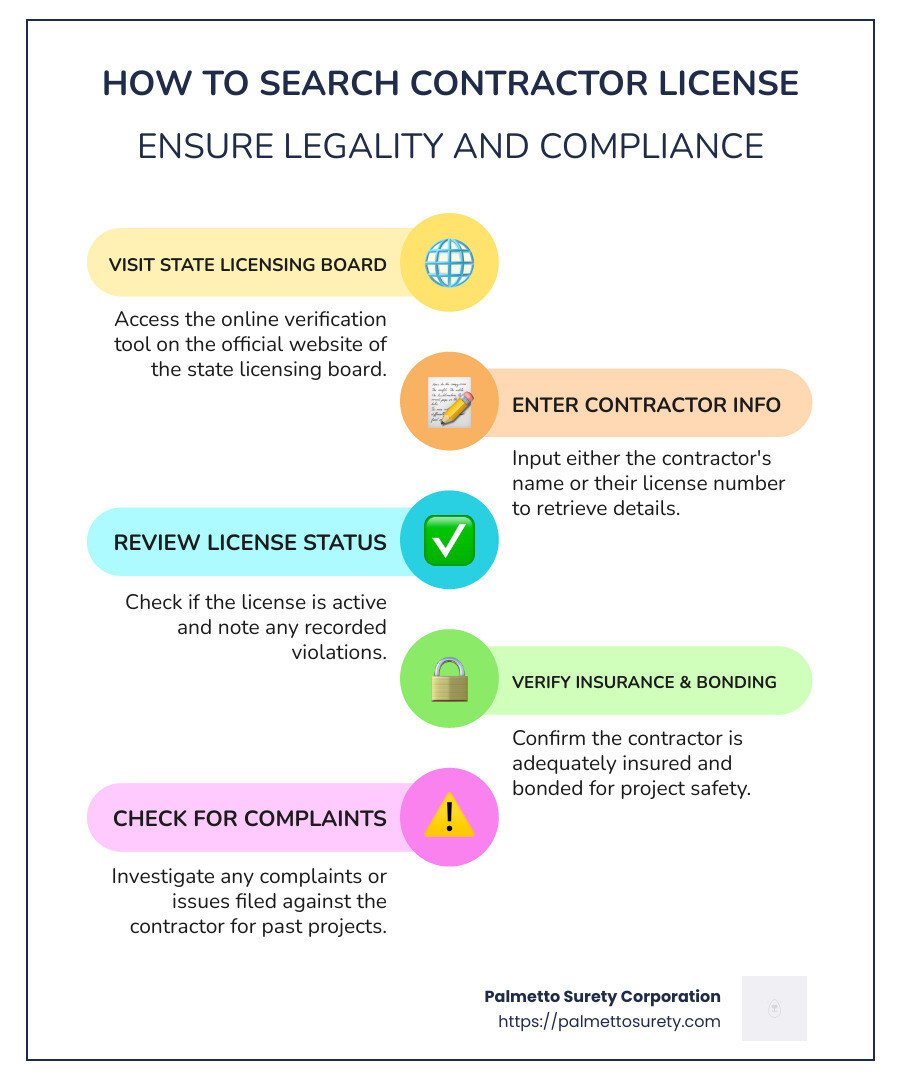
How to search contractor license is a crucial step for anyone looking to hire a contractor. This process ensures that the contractor you are considering is legally authorized to work in their field, protecting your project from potential fraud or non-compliance with local regulations. Here’s a straightforward method to conduct this search:
- Visit the State Licensing Board Website: Most states provide an online verification tool.
- Enter Contractor Information: You can use either the contractor’s name or their license number.
- Review the License Status: Ensure it’s active and check for any violations.
- Check Insurance and Bonding: Confirm that the contractor is properly insured and bonded.
Verifying that contractors meet state requirements can help prevent unexpected costs and unmet expectations.
I’m Haiko de Poel Jr., with a background in marketing and digital change. I’ve helped companies reach new heights by applying strategic insights to verification processes like how to search contractor license. My role informs how businesses successfully verify contractor credentials.
Understanding Contractor Licenses
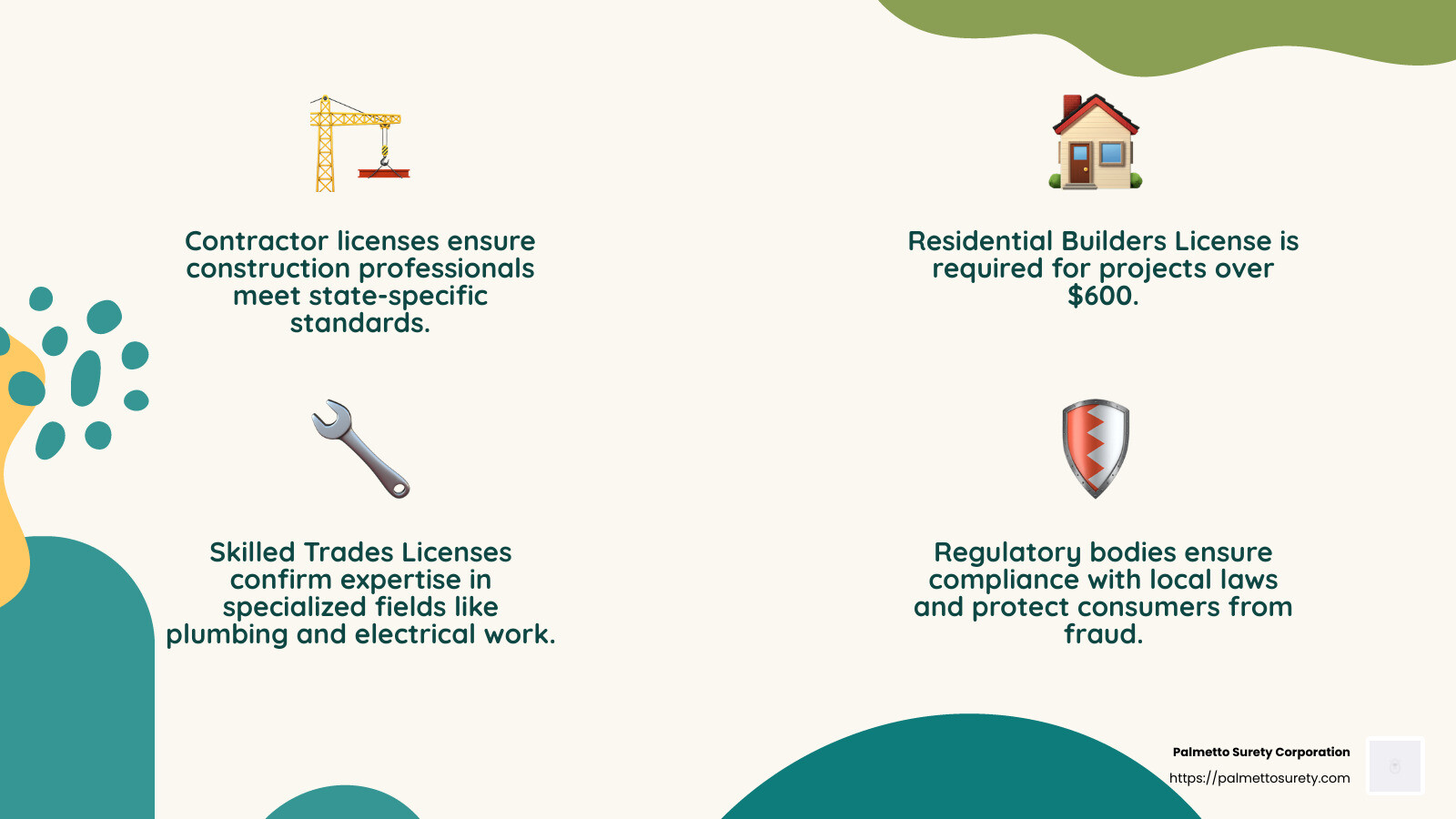
Contractor licenses are essential for ensuring that construction professionals meet state-specific standards. Each state has its own regulatory body responsible for issuing and managing these licenses. In Michigan, for example, the Department of Licensing and Regulatory Affairs (LARA) oversees contractor licensing through its Bureau of Construction Codes. This ensures that all contractors operate within legal and safety guidelines.
License Types
There are two main types of contractor licenses, each catering to different specialties:
-
Residential Builders / Maintenance & Alteration Contractors License: Required for projects over $600, this license covers work on residential or mixed-use structures. It ensures that contractors can legally handle tasks like construction, repair, or alteration. However, specialized trades such as electricians and plumbers are exempt from this requirement.
-
Skilled Trades Licenses: These are for professionals in fields requiring specialized knowledge, like electricians, HVAC contractors, and plumbers. This license confirms that the contractor has the necessary expertise and training.
Regulatory Bodies
Each state has a designated regulatory body to manage contractor licenses. These bodies ensure compliance with local laws and protect consumers from fraud. Here are a few examples:

- California: The Contractors State License Board (CSLB) handles licensing and regulation.
- Pennsylvania: The Home Improvement Consumer Protection Act mandates registration for home improvement contractors.
- New York: The Department of Labor manages registration for contractors working on public projects.
These regulatory bodies play a crucial role in maintaining industry standards and safety. They ensure that all contractors have the required skills and credentials.
By understanding the different types of licenses and the regulatory bodies involved, you can make informed decisions when hiring a contractor. This knowledge helps protect your investment and ensures your project adheres to state regulations.
How to Search Contractor License
When you’re hiring a contractor, ensuring they have a valid license is crucial. This not only protects you but also guarantees that the contractor meets state standards. Here’s how you can search for a contractor license using state-specific resources and online tools.
Using State-Specific Resources
Each state has its own system for managing contractor licenses. These systems provide databases where you can verify a contractor’s license status.
-
California Contractors State License Board (CSLB): In California, the CSLB is the go-to resource. You can use their online portal to check a contractor’s license status, ensuring they are qualified and in good standing. The CSLB also provides information on any disciplinary actions against the contractor.
-
Pennsylvania Home Improvement Contractor Database: Pennsylvania requires home improvement contractors to register under the Home Improvement Consumer Protection Act. This database allows you to verify registration and check for any complaints or violations.
These state-specific resources are invaluable for ensuring that contractors are licensed and in compliance with local regulations.
Online Verification Tools
In addition to state-specific resources, several online tools can help you verify a contractor’s license across different states.
-
LARA.gov: In Michigan, the Department of Licensing and Regulatory Affairs (LARA) offers an online verification service. This tool allows you to check the status of a contractor’s license and view any related complaint disclosures.
-
Department of Labor & Industries Verify Tool: For those in Washington State, this tool provides a comprehensive way to check contractor licenses. It includes information on risk classes, workers’ compensation coverage, and any safety citations or infractions.
These online tools make it easy to access vital information about contractors, ensuring you can hire with confidence. Whether you’re using state-specific databases or broader verification services, these resources are essential for protecting your interests and ensuring compliance with state laws.
Steps to Verify a Contractor’s License
Verifying a contractor’s license is a crucial step in safeguarding your home improvement projects. It ensures that your contractor is qualified, insured, and in good standing. Let’s walk through the steps to verify a contractor’s license, focusing on checking for complaints, violations, and confirming insurance and bonding.
Checking for Complaints and Violations
- Check License Status and Verify ID:
Start by verifying the contractor’s license status using state-specific databases or online verification tools. For example, the Department of Labor & Industries Verify Tool in Washington State provides details on a contractor’s license status, ensuring they have an active registration.
- Review Complaint Disclosures:
Look for any complaint disclosures related to the contractor. Tools like LARA.gov offer insights into past complaints or disciplinary actions. This helps you assess if the contractor has a history of disputes or customer dissatisfaction.
- Investigate Safety Citations and Lawsuits:
It’s important to check if the contractor has any safety citations or has been involved in lawsuits. This information can often be found in state-specific databases or through the Department of Labor & Industries. Safety violations or ongoing legal issues could indicate potential risks.
- Examine Surety Bond Issues:
Surety bonds protect you if a contractor fails to meet their obligations. Verify if there are any lawsuits against the contractor’s surety bond. This can reveal if the contractor has previously failed to deliver on their commitments.
Confirming Insurance and Bonding
- Workers’ Compensation and Active Registration:
Ensure the contractor has an active workers’ compensation account. This protects you from liability if a worker is injured on your property. The Department of Labor & Industries Verify Tool provides details on workers’ comp coverage and registration status.
- Bond Verification:
Confirm that the contractor is bonded as required by state laws. Bonds provide financial protection against contractor errors or defaults. Request a copy of the bond certificate and verify its validity with the issuing organization.
- Insurance Verification:
Lastly, ensure the contractor carries liability insurance. This protects you from out-of-pocket expenses in case of property damage or third-party injuries. Ask for proof of insurance and check that the coverage limits are adequate for your project’s scope.
By following these steps, you can confidently verify a contractor’s credentials, ensuring they are licensed, insured, and free from significant complaints or violations. This diligence not only protects your investment but also promotes a safer and smoother project execution.
Frequently Asked Questions about Contractor License Search
How can I verify a contractor’s license in California?
To verify a contractor’s license in California, you can use the California Contractors State License Board (CSLB). The CSLB provides an online tool where you can search by the contractor’s name, license number, or business name. This tool will show you the contractor’s license status, classification, and any disciplinary actions. It’s a quick and easy way to ensure your contractor is properly licensed and in good standing.
What should I do if a contractor’s license is suspended?
If you find that a contractor’s license is suspended, it’s crucial to halt any ongoing work immediately. A suspended license means the contractor is currently not authorized to perform any contracting work. You should:
-
Contact the Licensing Board: Reach out to the state’s licensing board for detailed information on the suspension. They can provide insights into why the license was suspended and if there are any steps the contractor is taking to resolve the issue.
-
Discuss with the Contractor: Have an open conversation with the contractor to understand their plan to reinstate the license. Be cautious about proceeding with any work until the suspension is lifted.
-
Consider Alternatives: Evaluate other licensed contractors who can take over the work. It’s better to be safe and ensure your project is completed by a qualified professional.
How do I find out if a contractor has insurance?
Finding out if a contractor has insurance is critical for protecting yourself from unforeseen liabilities. Here’s how you can verify their insurance status:
-
Request Proof of Insurance: Ask the contractor to provide a certificate of insurance. This document should list their coverage details, including liability limits and the insurance provider.
-
Contact the Insurance Provider: Once you have the certificate, contact the insurance company directly to confirm the policy is active and covers the scope of work you require.
-
Check Coverage Limits: Ensure the coverage limits are sufficient for your project. This includes general liability insurance and, if applicable, workers’ compensation insurance.
By taking these steps, you can confidently ensure your contractor is both licensed and insured, providing peace of mind for your project.
Conclusion
Navigating contractor licenses can be complex, but ensuring that your contractor is licensed and insured is crucial for the success and safety of your project. At Palmetto Surety Corporation, we understand the importance of quick and reliable service. Our expertise in providing surety bonds helps protect you from potential risks associated with unlicensed or uninsured contractors.
With over 20 years in the industry, we specialize in offering a wide range of surety bonds custom to meet the needs of various sectors, including construction, transportation, and healthcare. Our team is committed to approving most applications within hours, ensuring you can proceed with your projects without unnecessary delays.
Whether you’re verifying a contractor’s license or need a surety bond, our services are designed to provide you with peace of mind and confidence in your contractor’s capabilities.
For more information on how Palmetto Surety Corporation can assist you with your surety bond needs, visit our website. We’re here to support you every step of the way, ensuring your projects are completed to the highest standards.


