


Bond Refund Time: 3 Best Quick Solutions in 2025
When dealing with bonds, understanding the bond refund time is crucial. Bond refund time can vary depending on the type of bond and the specific processes involved. Generally, you can expect bond refunds to be completed within two to eight weeks, but this timeline can differ based on various factors.
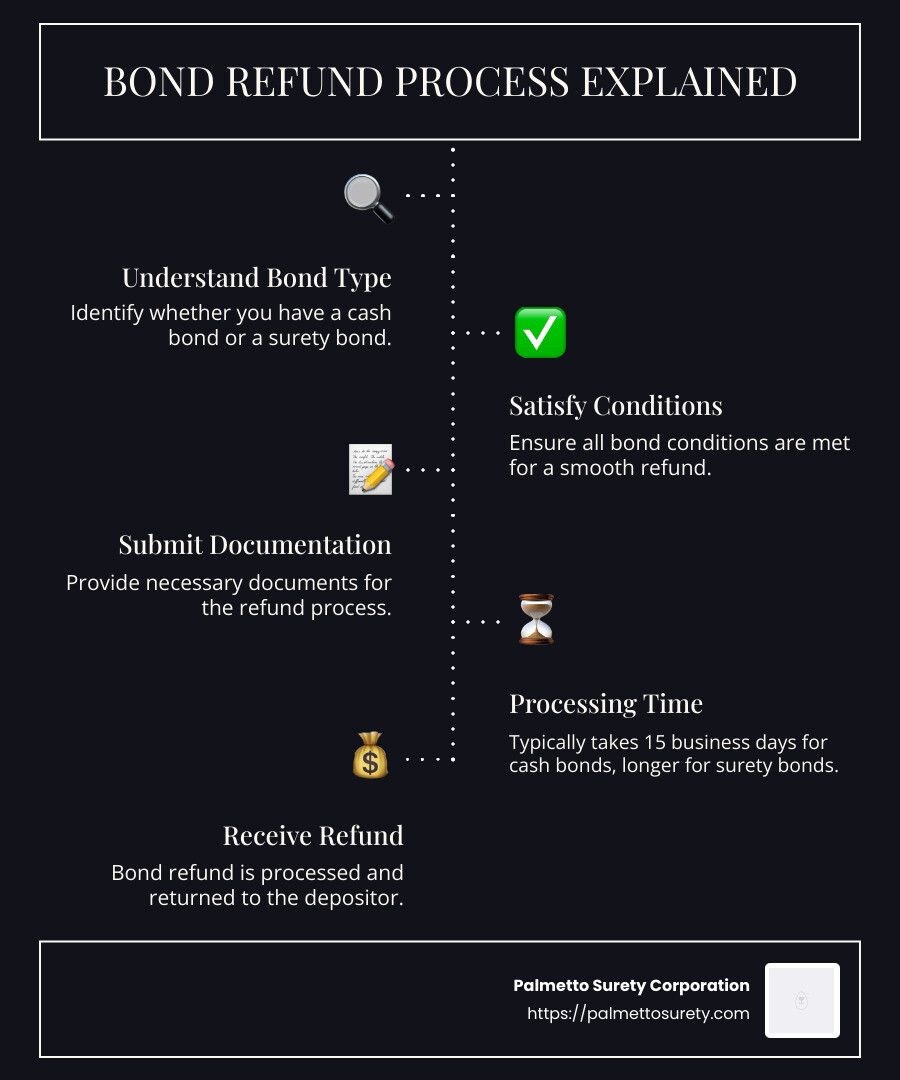
- Cash Bonds: Typically refunded within 15 business days once the bond conditions are satisfied.
- Surety Bonds: The refund process can take longer due to more complex conditions and requirements.
- Expedited Services: Some agencies offer faster processing times, depending on your compliance with bond conditions and documentation requirements.
Now, let’s dig into what to expect during the bond refund process. Whether it’s a cash bond or a surety bond, knowing the steps involved helps manage expectations and ensures a smooth experience.
I’m Haiko de Poel Jr., a strategic marketing expert. My background includes enhancing digital processes for quicker and more efficient operations, particularly in bond refund time. This insight into the bond refund time stems from extensive work optimizing processes for businesses to improve their financial and operational clarity.
Bond refund time word roundup:
– bond refund contact
– bond refund form
– bond refund process
Understanding Bond Refunds
When dealing with bond refunds, it’s essential to grasp the distinctions between cash bonds and surety bonds, as well as the factors that influence their refund processes.
Cash Bond Refunds
A cash bond involves a direct payment to the court to ensure the defendant’s presence at future court dates. Once the case concludes and all bond conditions are satisfied, the refund process begins. The depositor—the individual who initially paid the bond—receives the refund.
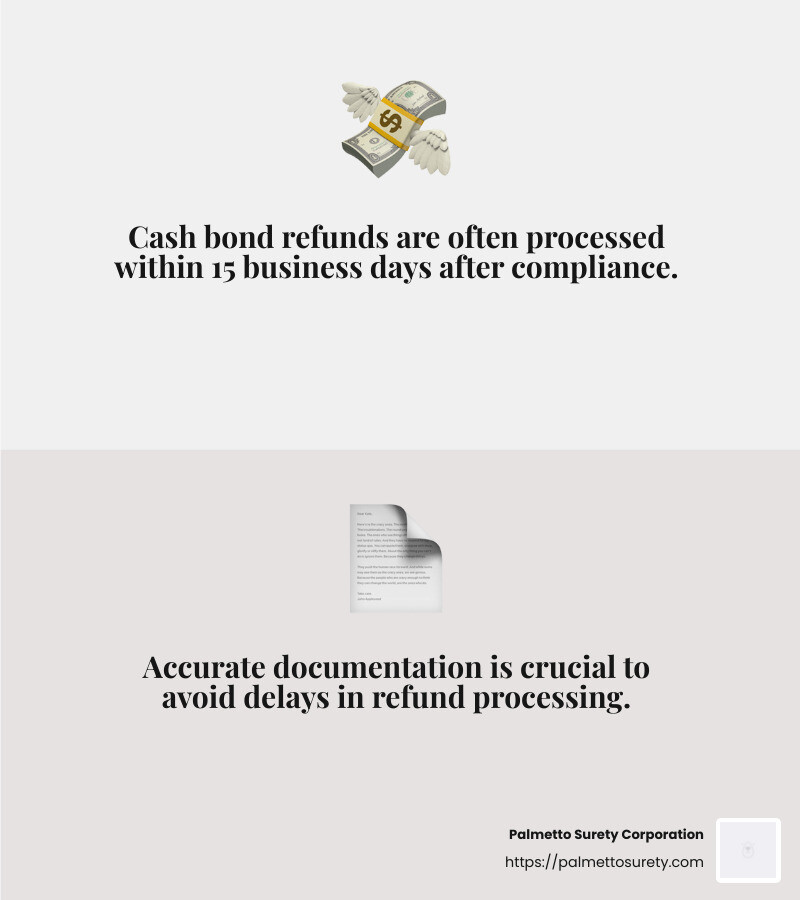
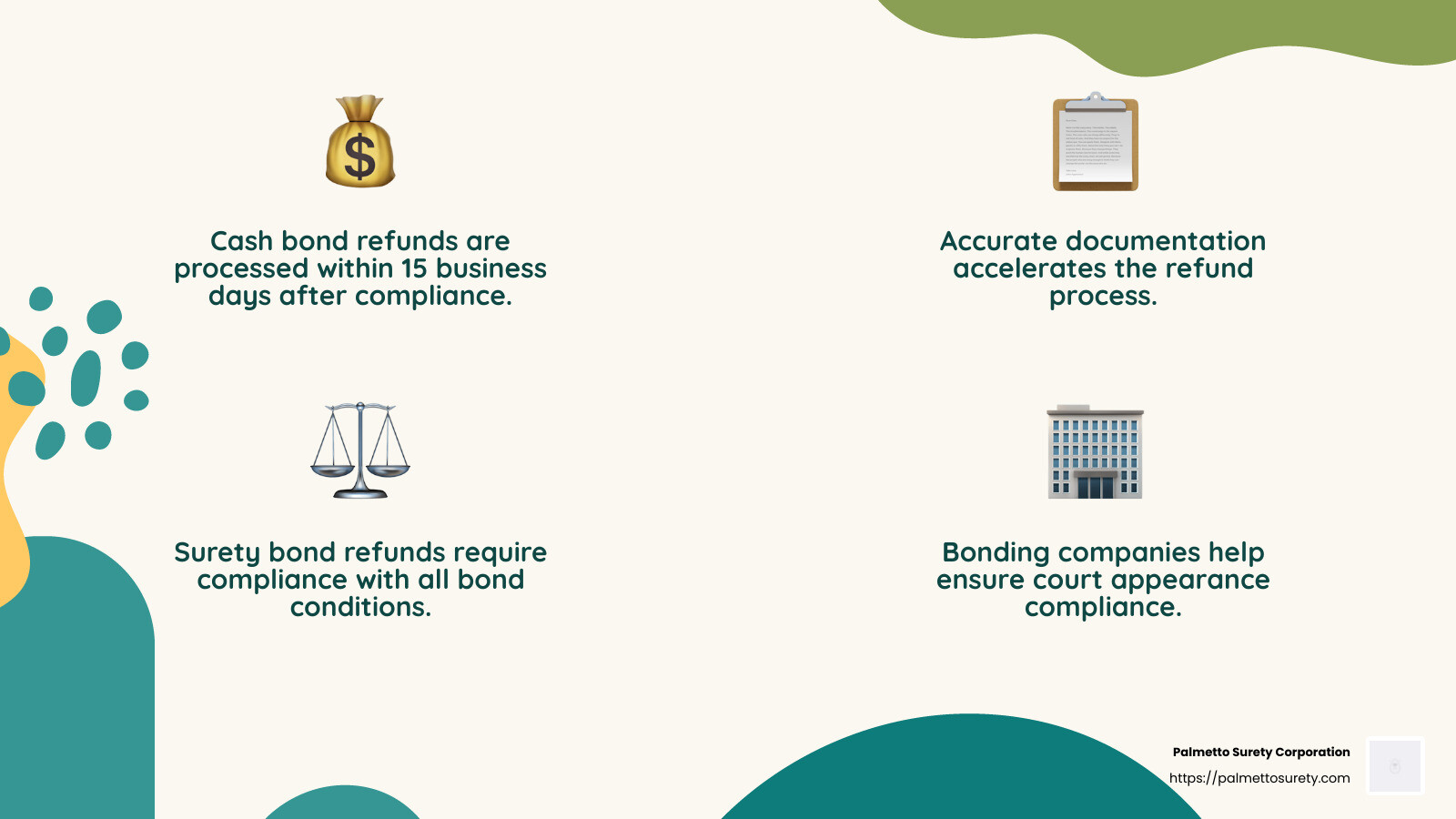
The timeline for a cash bond refund is typically faster. Most refunds are processed within 15 business days after meeting all bond conditions. Ensuring that all documentation is accurate and submitted promptly is crucial to avoid delays.
If you’ve misplaced your original cash bond receipt, there’s no need to worry. You can still obtain your refund by submitting an “Affidavit to Request Cash Bond Refund” based on when the bond was executed.

Surety Bond Refunds
Surety bonds operate differently. In this case, a bonding company guarantees the defendant’s court appearances. The defendant, or another payer, pays a non-refundable fee to the bonding company, usually around 10% of the bail amount.
Due to the involvement of multiple parties and more complex conditions, the refund process for surety bonds can take longer. The bonding company is responsible for ensuring compliance with bond conditions. If the defendant fulfills all court obligations, the surety bond may be discharged, but the initial fee paid is generally not refunded.
To ensure a smooth refund process, it’s important to comply with all bond conditions and maintain open communication with the bonding company. This ensures that once all obligations are met, the discharge process can proceed without unnecessary delays.
Understanding these fundamental differences can help manage expectations regarding the bond refund time and ensure you take the necessary steps for a timely refund.
Factors Affecting Bond Refund Time
Court Proceedings
The bond refund time can be significantly influenced by court proceedings. A key part of this process is obtaining a judge’s order. This is a legal requirement that must be fulfilled before any refund can be processed. The signed order serves as official documentation that the bond conditions have been met, and it must be on file with the court clerk.
Once the judge signs the order, the clock starts ticking. For example, in Travis County, Texas, there’s a mandatory 30-day waiting period after the order is filed. This waiting period is crucial because it allows the court to ensure that all legal obligations and requirements have been satisfied.
However, delays can occur if there’s any missing or incorrect documentation. It’s essential to have all paperwork, like the Sheriff’s receipt and any necessary forms, correctly filled out and submitted on time. This helps avoid any hiccups in the process.
Compliance with Bond Conditions
Another major factor is compliance with bond conditions. These conditions are set by the court to ensure that the defendant appears for all required court dates and follows other specific terms, such as not leaving the state or avoiding certain individuals.
Failure to comply with these conditions can result in bond forfeiture, where the court decides that the bond is forfeited due to non-compliance. This not only affects the refund process but can also lead to additional legal consequences for the defendant.
Meeting all bond conditions is crucial for a smooth refund process. Once the case is concluded and the defendant has adhered to all terms, the refund process can begin. It’s important to stay informed about these conditions and maintain communication with the court or bonding company to ensure all requirements are met.
By understanding these factors, you can better steer the complexities of the bond refund process and work towards a timely refund.
How Long Does It Take to Get Your Bond Refund?
Typical Timeframes
Waiting for a bond refund can feel like watching a pot boil—slow and frustrating. But knowing what to expect can ease the anxiety. Generally, the bond refund time falls within a predictable range, depending on the type of bond and the specific court procedures involved.
For cash bonds, the typical timeframe is 6 to 8 weeks after the case concludes and all conditions are met. This process involves several steps, including verifying compliance with bond conditions and ensuring all documentation is complete and accurate.
In some cases, like those in Travis County, Texas, after a judge signs the order, there’s a 30-day waiting period before the refund process even begins. After this waiting period, the actual refund processing takes about 7 to 10 business days.
Expedited Processes
While the standard process can take weeks, there are ways to potentially speed things up. Quick service and efficient processing are possible if all paperwork is submitted correctly and promptly.
Ensuring that all required documents, such as the Sheriff’s receipt and any necessary forms, are filled out accurately can prevent delays. Staying in close contact with the court or bonding company can also help address any issues that might arise, allowing for a smoother and faster refund process.
In some jurisdictions, there might be options for expedited processing, especially if the refund is urgent. However, this often depends on the specific court’s policies and whether all legal requirements have been met.
By understanding these timelines and taking proactive steps, you can help ensure your bond refund arrives as quickly as possible.
Frequently Asked Questions about Bond Refunds
What happens if a bond is forfeited?
When a defendant fails to appear in court, the bond may be forfeited. This means the court can keep the bond money. A judge signs a temporary order for forfeiture, which becomes final if the defendant doesn’t have a good reason for missing court.
The bond forfeiture section of the court handles these cases. They maintain the case file, provide cost and fee information, and accept payments related to the forfeiture. If you’re dealing with a forfeited bond, it’s crucial to understand these processes and seek legal advice if needed.
Do you get your bail money back in Texas?
In Texas, whether you get your bail money back depends on the type of bond and if all conditions were met. For cash bonds, the depositor can receive a refund once the case concludes and the defendant has complied with all bond conditions. However, there’s often a 5% fee, not exceeding $50, deducted from the refund.
For surety bonds, the fee paid to the bonding company is generally non-refundable. This fee is the cost of using the service to secure the defendant’s release and is not returned, even if the defendant meets all court obligations.
How can you ensure a faster refund?
To speed up the bond refund time, follow these tips:
-
Complete Documentation: Ensure all required documents are filled out accurately. This includes the Sheriff’s receipt and any necessary forms.
-
Compliance: Make sure the defendant complies with all bond conditions, such as attending all court dates.
-
Stay Informed: Keep in contact with the court or bonding company to address any issues promptly.
-
Address Changes: If your address changes, submit a change of address form before the case concludes. This ensures the refund is sent to the correct address.
By being proactive and organized, you can help ensure your bond refund arrives as quickly as possible.
Conclusion
At Palmetto Surety Corporation, we understand that waiting for a bond refund can be a stressful experience. That’s why we focus on quick approval and efficient service to make the process as smooth as possible for our clients.
With over 20 years of experience in the commercial surety and bail bond industry, we have honed our processes to ensure that most applications are approved within hours. Our expertise spans various industries, including construction, manufacturing, transportation, and healthcare, allowing us to cater to a wide range of needs with precision and care.
We operate in several states, including South Carolina, Florida, Georgia, Louisiana, Mississippi, Tennessee, and Texas, providing our clients with localized service and support. Our team is dedicated to maintaining open communication and transparency, ensuring that you are informed every step of the way.
By choosing Palmetto Surety Corporation, you are partnering with a company committed to delivering exceptional service and support. Our goal is to minimize your bond refund time and provide you with peace of mind throughout the process.
For more information on how we can assist you with your bond needs, visit our service page today. Let us help you steer the complexities of bond refunds with ease and confidence.


