


How Does the Bail Industry Work: 3 Shocking Truths
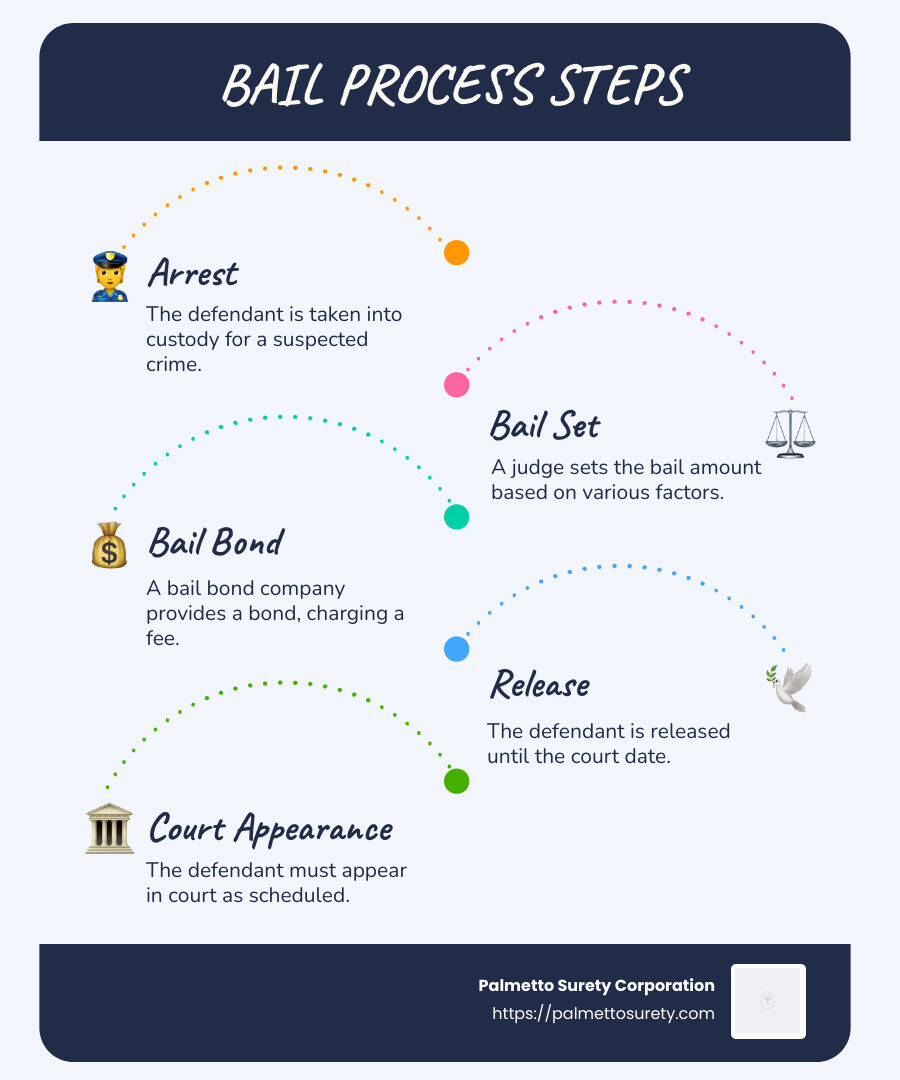
How does the bail industry work in the United States? It’s a complex mix of financial, legal, and institutional components. Here’s a quick look:
- Bail System Basics:
- Money set by the court to secure the defendant’s release.
-
Designed to ensure the defendant returns for their trial.
-
Pretrial Release:
- Alternatives to traditional bail like release on one’s own recognizance.
-
Balances community safety with the rights of the accused.
-
Commercial Bail Industry:
- Bail bond companies post bail for a fee, typically 10% of the bail amount.
- They profit by charging fees, often from those unable to pay the full bail upfront.
The bail system is supposed to balance public safety and the rights of individuals awaiting trial. Yet, it has created a profitable industry that can sometimes deepen inequalities. Commercial bail companies handle the release process, often helping people who can’t afford their bail. However, this industry has drawn criticism for focusing more on profit than fairness or public safety.
I’m Haiko de Poel Jr. My work in marketing and digital strategies gives me a unique lens to understand how does the bail industry work, especially regarding the commercial bail system and its impacts. Now, let’s explore this intricate world further.
Relevant articles related to how does the bail industry work:
– how to become a bail agent
– how to start a bail bond business

How Does the Bail Industry Work?
The bail industry in the United States operates at the intersection of the legal system and financial services. It plays a crucial role in determining whether individuals accused of crimes can remain free while awaiting trial. Let’s break down the key components:
The Role of Bail Bondsmen
Bail bondsmen, or bail agents, are the linchpins of the commercial bail industry. When a court sets bail, many defendants cannot afford to pay the full amount. This is where bail bondsmen step in. They provide a bail bond, which is essentially a promise to the court that the defendant will appear for their scheduled court dates.
-
Premium Fees: To secure a bail bond, defendants pay a nonrefundable fee, usually around 10% of the bail amount. This fee is the primary source of income for bail bond companies. For example, if bail is set at $10,000, the defendant would typically pay $1,000 to the bail bondsman.
-
Nonrefundable Nature: This fee is nonrefundable, even if the defendant is found not guilty or the charges are dropped.
Financial Aspects of Bail
The financial side of the bail industry is both complex and burdensome for many defendants. Bail amounts can vary widely depending on the alleged crime, and the financial implications extend beyond the initial premium fee.
-
Bail Amounts: Judges have significant discretion in setting bail amounts, which can range from a few hundred dollars to tens of thousands. The amount often reflects the severity of the crime and the perceived flight risk of the defendant.
-
Payment Plans and Interest Rates: Some bail bond companies offer payment plans for those unable to pay the premium fee upfront. However, these plans may come with steep interest rates, sometimes as high as 30%, further increasing the financial burden on defendants and their families.
-
Collateral Requirements: In some cases, bail bond companies require collateral, such as property or other valuables, to secure the bond. This can put additional financial strain on defendants, especially if they default on their court appearances.
The bail industry is a multi-billion-dollar sector that thrives on the inability of defendants to pay bail upfront. While it provides a service that allows individuals to await trial outside of jail, it also raises concerns about fairness and equity, particularly for low-income defendants.

Understanding how the bail industry works is crucial for recognizing its impact on individuals and communities, especially those already marginalized by systemic inequalities. The next section will dig into the broader implications of this industry on racial disparities and public safety.
The Impact of the Bail Industry
The bail industry in the U.S. has significant implications, particularly in areas like racial disparities, public safety, and lobbying efforts. Understanding these impacts is crucial for addressing the challenges of bail reform, as demonstrated in states like California and Maryland.
Racial Disparities
The bail system disproportionately impacts communities of color. Research indicates that Black and Hispanic defendants often face higher bail amounts than their white counterparts for similar offenses. This inequity results in individuals from minority communities being more likely to remain in jail pretrial simply because they cannot afford bail.
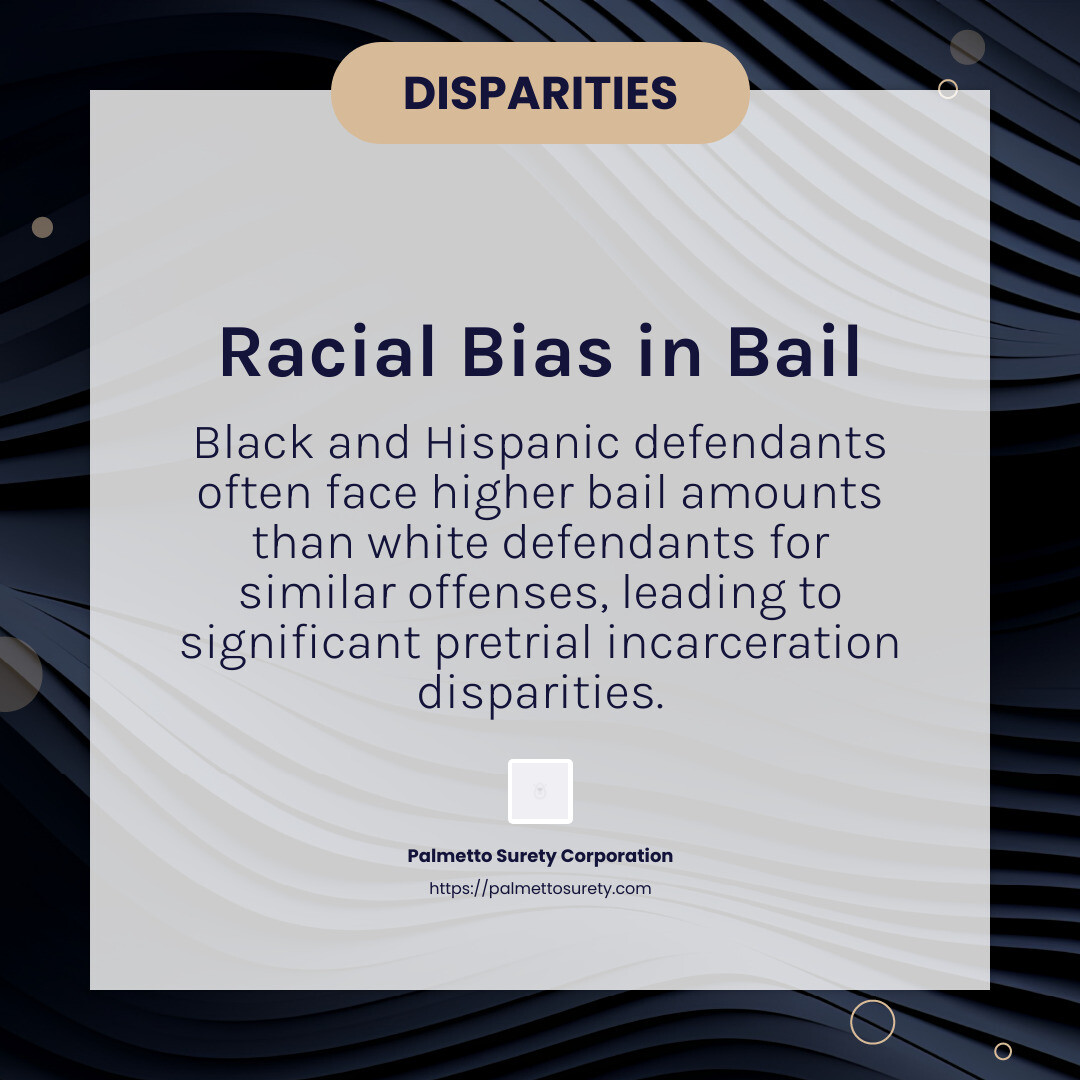
This disparity is not just a statistic; it affects real lives. Pretrial detention can lead to job loss, housing instability, and increased pressure to accept plea deals, regardless of actual guilt.
Public Safety
Critics of the bail system argue that it does not effectively enhance public safety. Instead of evaluating a defendant’s actual risk to the community, the system often bases release decisions on their ability to pay. This means low-risk individuals might remain detained due to financial constraints, while wealthier individuals, regardless of their risk level, can secure release.
In Maryland, for instance, concerns about public safety and fairness led to significant changes in bail practices. In 2016, legal advice suggested that the existing system could violate due process by setting unaffordable bail amounts. This led to a directive advising judges to impose the “least onerous” release conditions, focusing on actual risk rather than financial capability.
Lobbying Efforts
The bail industry’s lobbying power is substantial. In California, a major bail market, the industry successfully campaigned against SB-10, a law intended to replace cash bail with a risk assessment system. The bail industry spent millions to gather voter signatures for a ballot initiative, ultimately leading to the law’s rejection in 2020.
Such efforts underscore the industry’s influence in maintaining the status quo. The American Bail Coalition, a prominent industry group, has been instrumental in these campaigns, often framing changes as threats to public safety, despite evidence suggesting otherwise.
Case Studies in Bail Reform
California and Maryland offer contrasting examples of bail reform challenges and successes:
-
California: Despite the industry’s lobbying, the state attempted to shift towards a more equitable system. However, the powerful campaign against SB-10 highlighted the difficulties in overcoming entrenched interests.
-
Maryland: Here, judicial directives aimed at fairness have persisted despite opposition. The state serves as an example of how legal and judicial pressures can drive reforms, even when legislative efforts stall.
These case studies illustrate the complex interplay of justice, equity, and industry interests in the bail system. As reform efforts continue, understanding these dynamics will be crucial for creating a fairer pretrial process.
Loopholes and Challenges in the Bail System
The bail system in the United States faces several challenges that can impact the fairness and effectiveness of the process. These challenges can make it difficult for courts to enforce accountability and for defendants to receive fair treatment.
Forfeiture Avoidance and Grace Periods
One significant issue is forfeiture avoidance. When a defendant fails to appear in court, the bail bond is supposed to be forfeited. However, bail companies often utilize grace periods—extended timeframes during which they can avoid paying the forfeiture if the defendant eventually shows up. In states like California and Louisiana, these grace periods can last up to six months, giving bail companies ample time to recover their clients without financial penalty.
Insurance Backing
Bail companies are often supported by powerful insurance companies. This insurance backing allows them to contest forfeitures aggressively in court, leveraging vast resources that individual defendants cannot match. The deep pockets of these insurers mean that bail companies face minimal financial risk, even when defendants fail to appear.
Strategies for Reform
Given these challenges, reforming the bail system requires innovative strategies:
-
Improved Accountability Measures: Implementing stricter regulations and oversight can help ensure that bail companies operate fairly and transparently, reducing the potential for exploitation.
-
Enhanced Support Services: Providing support services can help ensure defendants appear in court. These services might include reminders of court dates, transportation assistance, or social services support. Such measures address the root causes of non-appearance, reducing the need for monetary bail.
Reforming the bail system is complex, but these strategies offer a pathway toward a fairer and more just pretrial process. Next, we will explore some frequently asked questions about the bail industry to further explain how it operates.
Frequently Asked Questions about the Bail Industry
How do bail companies make money?
Bail companies make money primarily through fees and interest rates. When a person can’t afford to pay their bail, they turn to a bail bond company. The company charges a premium fee, usually about 10% of the total bail amount. This fee is nonrefundable, meaning the defendant won’t get it back even if they show up for all their court dates.
For example, if bail is set at $10,000, the defendant might pay a bail bond company $1,000. If they can’t pay this upfront, some companies offer payment plans with interest rates that can go as high as 30%. This makes it even more expensive for those already struggling financially.
What happens if a defendant misses a court date?
If a defendant misses a court date, the bail bond is supposed to be forfeited. This means the bail company should pay the full bail amount to the court. However, many states have grace periods that allow bail companies time to locate the defendant and bring them to court without having to pay the forfeiture. These grace periods can last up to six months, as seen in states like California and Louisiana.
During this time, bail companies and their insurance backers use their resources to avoid paying the forfeiture, often successfully recovering their clients without penalty.
Are there alternatives to cash bail?
Yes, there are alternatives to cash bail that aim to make the pretrial process fairer:
-
Unsecured Bonds: These bonds do not require upfront payment. Instead, defendants promise to appear in court, with financial penalties only if they fail to do so. This reduces the immediate financial burden and can be as effective as cash bail in ensuring court appearances.
-
Non-Commercial Systems: Some areas are adopting non-commercial systems that don’t involve for-profit bail companies. These systems assess the risk of flight or reoffending and focus on community-based solutions, like reminders for court dates or social services support.
These alternatives can help create a more equitable system by reducing the reliance on money and focusing on ensuring defendants appear in court through supportive measures.
Next, we’ll dive into some case studies in bail reform to see how different states are tackling these challenges.
Conclusion
The bail industry is a complex system with deep-rooted challenges, but change is possible. As we look to the future, bail reform is a critical conversation. Reform efforts aim to create a fairer system, reducing reliance on cash bail and addressing racial disparities. The focus is on ensuring public safety while supporting defendants’ rights.
Palmetto Surety Corporation stands at the forefront of this evolving landscape. With over 20 years of experience, we are committed to providing quick and efficient services through our network of licensed bail agents. Our expertise in surety bonds allows us to steer the complexities of the bail system while maintaining ethical business practices.
As reforms continue, there is potential for a more equitable system. Alternatives like unsecured bonds and non-commercial systems show promise in reducing financial burdens on defendants. These changes could transform the industry, making it less about profit and more about justice.
For those interested in the bail industry or looking to start a bail bond business, Palmetto Surety Corporation offers valuable resources and support. We are dedicated to helping our clients succeed in this dynamic field.
To learn more about our services and how we can assist you, visit our website. Let’s work together towards a more just and effective bail system.


