


How to Choose a Notary Bond: Top Tips for 2025
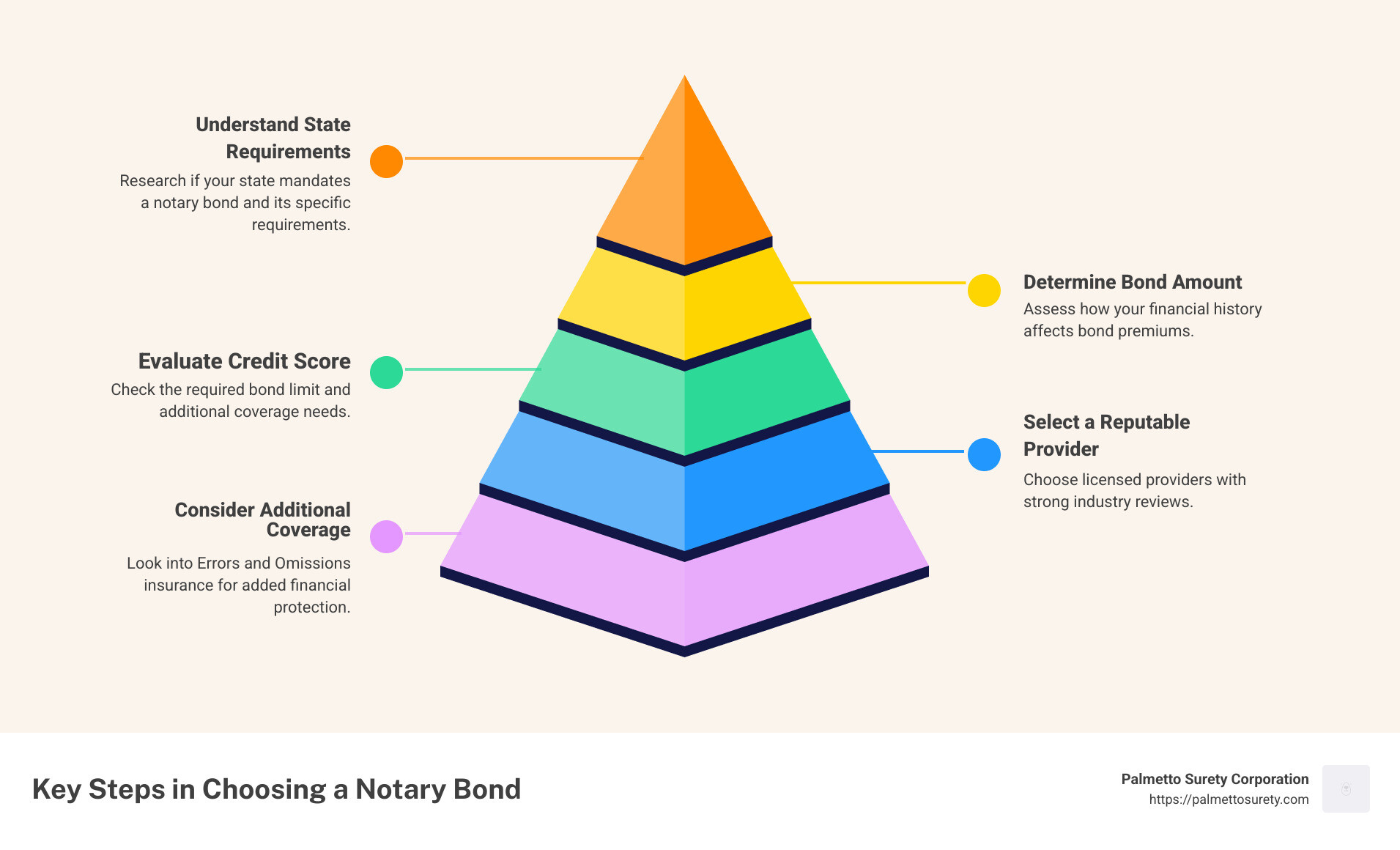
When exploring how to choose a notary bond, it’s essential to focus on a few key elements to make informed decisions. First, familiarize yourself with the specific bond requirements mandated by your state. While not all states require a notary bond, those that do have varying bond limits and requirements. Second, evaluate potential providers to ensure they are licensed and reputable. Lastly, consider the financial protection for both the public and yourself by looking into supplementary coverage like Errors and Omissions (E&O) insurance.
A notary bond is a type of surety bond that acts as a financial safeguard for the public, ensuring protection from any potential misconduct by a notary. Unlike insurance, this bond primarily protects public interest rather than the notary. In fact, notaries in several states are legally required to carry these bonds, highlighting their role in maintaining public trust and financial integrity. With the bond in place, if a notary makes an error or commits a wrongful act, the surety company promises to cover any financial damages, up to the bond’s limit.
My name is Haiko de Poel Jr, and I’ve spent years navigating the complexities of notary and surety bonds. My expertise in how to choose a notary bond has been honed through my background in branding and strategic business consulting, enabling me to guide businesses and individuals in making informed bonding decisions.
Understanding Notary Bonds
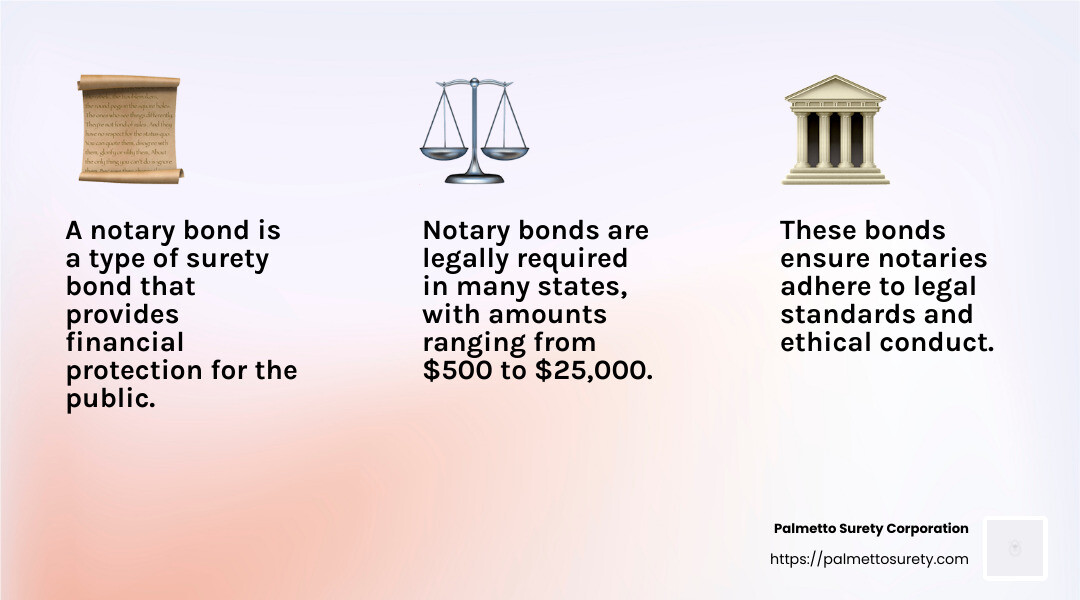
A notary bond is a type of surety bond that acts as a financial guarantee for the public. It ensures that notaries perform their duties correctly and ethically. If a notary makes a mistake or engages in misconduct, the bond provides compensation to those affected. This protection is crucial, as it maintains trust in notarial acts and safeguards the public from potential financial harm.
Definition and Purpose
Notary bonds are agreements involving three parties: the notary, the surety company, and the state. The surety company provides a bond, ensuring the notary adheres to legal standards. If a notary fails to do so, the surety compensates the injured party, and the notary must reimburse the surety. This setup not only protects the public but also enforces accountability among notaries.
Legal Requirement
In many states, obtaining a notary bond is a legal requirement for notaries. These bonds vary in amount, typically ranging from $500 to $25,000, depending on state laws. For example, California requires a $15,000 bond, while Texas mandates a $10,000 bond. Notaries must file their bonds with the appropriate state or county office, often within a specific timeframe after receiving their commission.
The legal necessity of notary bonds underscores their role in upholding public trust and ensuring ethical conduct. By requiring these bonds, states aim to protect individuals and businesses from errors and fraudulent activities during notarization processes.

Understanding the intricacies of notary bonds is essential for both new and experienced notaries. It ensures compliance with state laws and promotes confidence in the notarial process. As you steer notary bonds, choosing the right bond and provider is key to fulfilling your responsibilities effectively.
How to Choose a Notary Bond
Choosing the right notary bond involves considering several important factors. Here’s how you can make an informed decision.
Evaluating State Requirements
State-Specific Mandates
Notary bond requirements vary significantly from state to state. Each state sets its own rules regarding the bond amount and the duration of the bond. For example, California requires a $15,000 bond, whereas Texas mandates a $10,000 bond. It’s crucial to check your state’s specific mandates to ensure compliance. You can find this information on your state’s notary bond page or through your state’s commissioning office.
Bond Amounts
The bond amount is the maximum coverage provided by the bond. It represents the financial protection available to the public in case of notarial errors or misconduct. Different states have different bond limits, ranging from as low as $500 in some states to as high as $25,000 in others. Be sure to verify the bond amount required in your state to avoid any legal issues.
Assessing Bond Amount and Premiums
Premium Costs
The cost of a notary bond, or the premium, is usually a small percentage of the bond amount. Premiums can vary based on the bond amount and your credit score. For instance, a $15,000 bond in California might cost between $38 and $60. In Texas, a $10,000 bond might range from $50 to $100. Understanding these costs helps you budget effectively and ensures you meet state requirements without overspending.
Credit Score Impact
Your credit score plays a significant role in determining the premium you’ll pay for a notary bond. A higher credit score often leads to lower premiums because it indicates financial reliability. Conversely, a lower credit score might result in higher premiums. Maintaining a good credit score can help you secure a more affordable bond. Check your credit score regularly and work on improving it by paying bills on time and managing debts effectively.
By evaluating state requirements and understanding the impact of bond amounts and premiums, you can choose a notary bond that best fits your needs. This careful selection process ensures you comply with legal obligations while protecting the public and maintaining trust in your notarial services.
Next, we’ll explore the factors influencing notary bond costs and how to manage them effectively.
Factors Influencing Notary Bond Costs
When choosing a notary bond, understanding the factors that influence its cost is crucial. These factors include state requirements, your credit score, and the bond amount. Let’s explore each one.
State Requirements and Variations
State-Specific Mandates
Each state has its own set of rules for notary bonds. This means the bond amount and terms can differ greatly depending on where you live. For example, California requires a $15,000 bond, while Texas mandates a $10,000 bond. Florida also requires a $7,500 bond. These differences are due to varying state laws meant to protect the public from notarial errors or misconduct. Therefore, familiarize yourself with your state’s specific requirements to ensure compliance.
Credit Score Impact on Premiums
Financial History and Premium Evaluation
Your credit score significantly impacts the premium you pay for a notary bond. A strong credit score usually means lower premiums, as it signals financial responsibility to bonding companies. On the other hand, a lower credit score may result in higher premiums due to perceived risk.
For instance, if you’re applying for a bond in California, your premium might range from $38 to $60 for a $15,000 bond if you have good credit. In Texas, a $10,000 bond might cost between $50 and $100. Maintaining a healthy credit score is key to securing affordable bond premiums.
Improving Your Credit Score
To improve your credit score, focus on paying bills on time, reducing outstanding debts, and regularly checking your credit report for errors. These steps can help lower your notary bond premiums over time, making it more cost-effective to fulfill your notarial duties.
By understanding these factors, you can manage notary bond costs effectively and ensure you’re adequately protected while serving the public. Next, we’ll discuss how to find a reputable bond provider to meet your specific needs.
Finding a Reputable Bond Provider
When it comes to selecting a notary bond, choosing the right provider is just as important as understanding the bond itself. Here are some key considerations to guide you:
Provider Licensing
First and foremost, ensure that the bond provider is licensed to operate in your state. This is crucial because a licensed provider meets the regulatory standards necessary to issue surety bonds. You can usually verify a provider’s licensing status through your state insurance department’s website.
Industry Reviews
Take time to read industry reviews. These can provide valuable insights into the provider’s reputation and reliability. Look for feedback on their claims process, customer service, and overall satisfaction. A provider with positive reviews is more likely to offer dependable service and support.
Financial Stability
Financial stability is another critical factor. You want a provider with strong financial ratings, as this indicates their ability to cover claims. A financially stable company ensures that if a claim is made against your bond, they can pay out without issues.
Coverage Needs
Different notaries have different coverage needs. Make sure the provider offers bonds that align with your specific coverage requirements. This includes the bond amount mandated by your state and any additional coverage options you might need, such as Errors and Omissions (E&O) insurance.
Customer Service
Good customer service can make a significant difference in your experience. Choose a provider known for responsive and helpful support. Whether it’s answering questions, assisting with the application process, or handling claims, a provider with excellent customer service will make the bonding process smoother.
Additional Services
Finally, consider any additional services the provider offers. Some companies might offer educational resources, training, or discounts for multi-year bonds. These extras can improve your understanding and potentially save you money.
By focusing on these considerations, you can find a reputable bond provider that meets your needs and ensures your notarial responsibilities are backed by a trustworthy surety bond.
Frequently Asked Questions about Notary Bonds
What is a notary bond and why is it important?
A notary bond is a financial guarantee that protects the public from any errors or misconduct by a notary public. It’s like a safety net. If a notary makes a mistake or does something wrong, the bond ensures that the affected person can be compensated. This is crucial for maintaining trust in the notary process and ensuring that notaries are accountable for their work.
How is the cost of a notary bond determined?
The cost of a notary bond depends on several factors. State requirements play a big role. Each state has its own rules about how much coverage a notary bond must provide. For example, in California, a notary bond might need to cover $15,000, while in Texas, it might be $10,000.
Another key factor is the notary’s credit score. A good credit score can help lower the premium costs, making the bond cheaper. On the other hand, a notary with a poor credit score might have to pay more. The premium is usually a small percentage of the total bond amount.
How can notaries reduce the cost of obtaining a bond?
Notaries can take several steps to lower the cost of their bond. Improving their credit score is one effective way. Paying bills on time, reducing debt, and checking credit reports for errors can help boost a credit score over time.
Notaries should also look for discounts. Some bond providers offer discounts for purchasing multi-year bonds or for being part of professional associations. Comparing different providers can also help notaries find the best deal.
By understanding these aspects, notaries can make informed decisions that protect both their finances and their clients.
Conclusion
Choosing the right notary bond is crucial for protecting both notaries and the public. At Palmetto Surety Corporation, we understand the importance of quick approval and efficient service in this process. With over 20 years of experience, we specialize in providing surety bonds across various industries, ensuring that notaries can meet their state requirements with ease.
Our commitment to quick approval means that most applications are processed within hours, allowing notaries to focus on their responsibilities without unnecessary delays. This efficient service is part of what sets us apart, providing peace of mind for both notaries and their clients.
For notaries looking to secure a bond, it’s important to consider factors like state requirements, bond amounts, and credit scores. By partnering with a reputable provider like Palmetto Surety Corporation, notaries can ensure they have the necessary coverage to fulfill their duties responsibly.
Explore our services and see how we can assist you in navigating the complexities of notary bonds. Visit Palmetto Surety Corporation to learn more about our offerings and how we can support your notarial journey.
By choosing a reliable partner, you can ensure that your notary bond selection is both informed and efficient, safeguarding your professional integrity and client trust.


