


What is Cash Bail and How Does it Work: Top 2025 Guide
What is cash bail and how does it work? At its core, cash bail requires defendants to pay a certain amount to secure their release from jail while awaiting trial. This deposit acts as a financial guarantee that they will attend all future court proceedings. If they fail to show up, the bail is forfeited to the government. Many people, particularly those from marginalized communities, struggle to afford the set amounts, resulting in prolonged pretrial detention and worsening potential outcomes within the criminal justice system.
In the United States, cash bail is a major component of the pretrial process, affecting a staggering number of individuals. With over 70% of the jail population comprising pretrial detainees, it is evident that this system influences many lives. Cash bail has become a contentious topic, highlighting issues of fairness and inequality in the judicial system. Instances like that of Kalief Browder, who spent years in detention for an accusation that eventually got dropped, shed light on the system’s flaws and its dire consequences.
I am Haiko de Poel Jr, an expert in digital strategy with a keen interest in criminal justice reform. My experience in innovation and process optimization enables me to break down complex ideas such as what is cash bail and how does it work. Join me as we dig deeper into this critical issue.
What is cash bail and how does it work terminology:
– bail definition judicial process
– how does bond work
What is Cash Bail and How Does it Work?
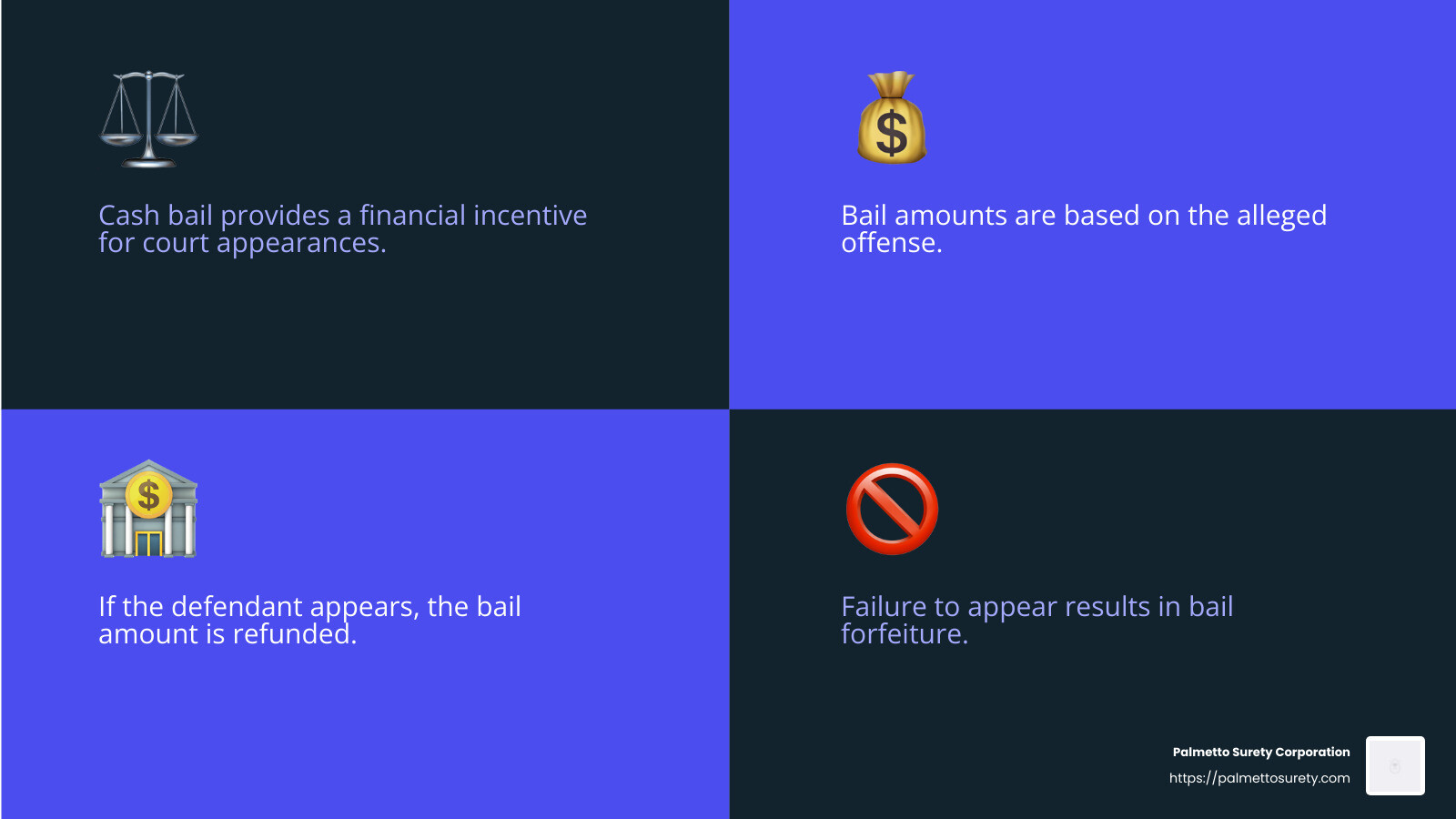
Cash bail serves as a financial incentive for defendants to return to court. When a person is arrested, a judge sets a bail amount based on the alleged offense. The defendant must pay this monetary deposit to secure temporary freedom until their court date. If they attend all required court appearances, the deposit is returned. However, if they fail to show up, the bail is forfeited, meaning the government keeps the money.
This process often involves bail bonds, especially when defendants can’t afford the full amount. Bail bond companies charge a nonrefundable fee, usually 10-15% of the total bail, and may require collateral like a car or house. This system can be burdensome for those with limited financial resources, leading to prolonged pretrial detention.
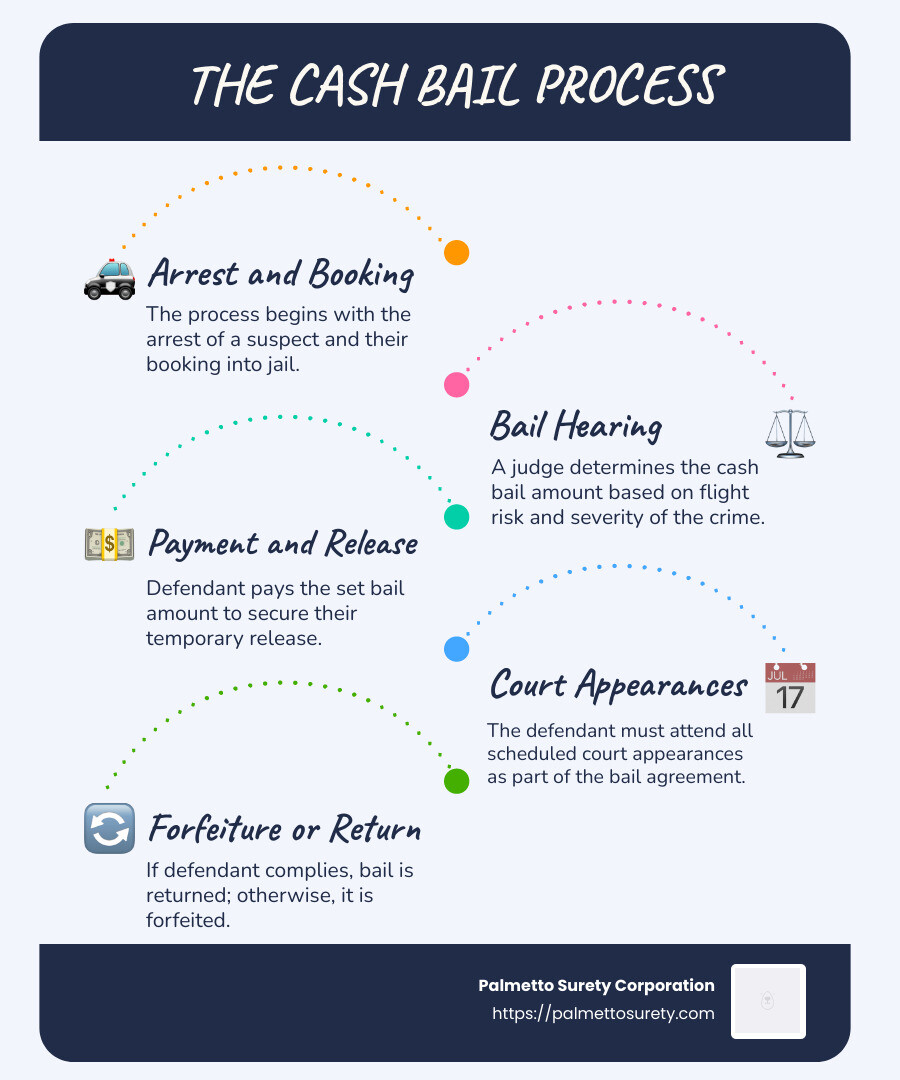
Cash Bail Process
- Arrest and Charge: After an arrest, a judge sets a bail amount.
- Payment or Bond: The defendant pays the bail or contacts a bail bond company.
- Release: The defendant is released, pending court appearances.
- Court Proceedings: The defendant must attend all scheduled hearings.
- Return or Forfeit: If the defendant complies, the bail is returned. Noncompliance results in forfeiture.
Alternatives to Cash Bail
To address the inequities of cash bail, alternatives are gaining traction. These include:

- Cashless Bail: This system eliminates the need for a financial deposit, allowing release based on other factors.
- Unsecured Bonds: Defendants promise to pay the bail amount only if they fail to appear in court, with no upfront payment.
- Recognizance Release: The court releases defendants based on their promise to return, often used for low-risk individuals.
These alternatives aim to reduce the impact of wealth on detention decisions, promoting a more equitable justice system. Some jurisdictions, like Illinois, have already made significant strides in reforming cash bail practices, demonstrating that change is possible and beneficial.
The Impact of Cash Bail
Effects on Individuals and Families
Cash bail can have a profound impact on individuals and their families, often leading to wealth-based detention. Many people cannot afford bail, leaving them in jail before their trial. This situation disproportionately affects low-income individuals and communities of color, contributing to racial disparities in the justice system. A 2016 report highlighted that in Pennsylvania, 78% of Black defendants charged with felony weapons offenses were assigned cash bail, compared to just 33% of white defendants for similar charges.
Being detained pretrial can result in job loss, as individuals are unable to work while in jail. This loss of income can lead to housing instability, making it difficult for families to maintain their homes. Additionally, the stress and uncertainty of detention can cause psychological trauma, affecting both the detained individuals and their loved ones.
Public Safety Concerns
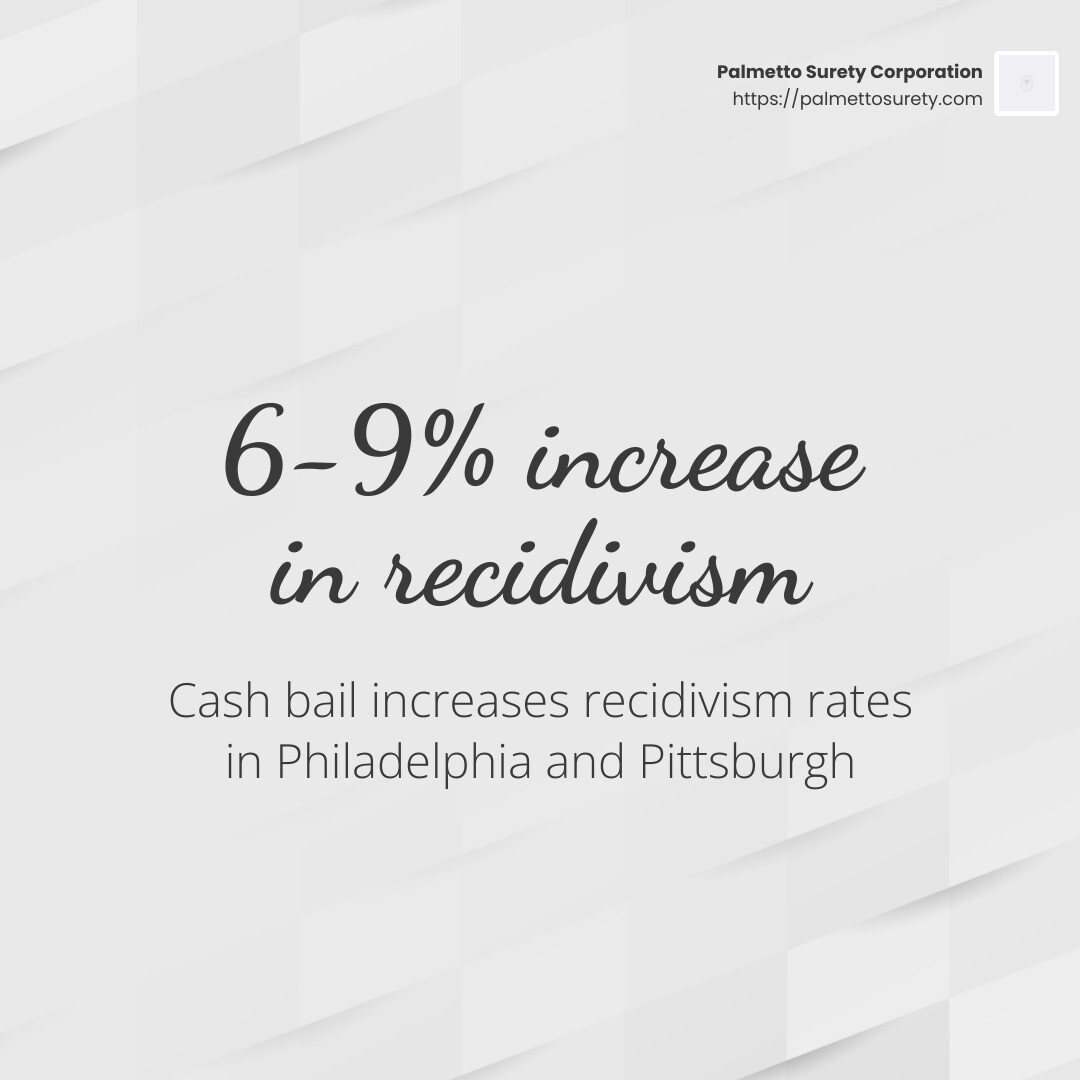
While cash bail is intended to ensure that defendants appear in court, research suggests it may actually undermine community safety. Studies show that pretrial detention can increase the likelihood of recidivism. For instance, a large study found that assigning cash bail increased the chances of reoffending by 6-9% in Philadelphia and Pittsburgh. Moreover, holding low-risk defendants for just a few days can make them 40% more likely to commit new crimes compared to those detained for less than 24 hours.
Furthermore, cash bail may not effectively improve court appearance rates. Evidence from studies in Pittsburgh and Philadelphia found no significant increase in the probability of court appearances with money bail. Alternatives like unsecured bonds or release on recognizance, which don’t require upfront payments, have sometimes proven more effective.
Overall, the current cash bail system often disrupts lives without significantly enhancing public safety, suggesting the need for reforms and alternatives that prioritize fairness and community well-being.
Cash Bail Reforms and Alternatives
In recent years, many states and cities have been rethinking cash bail systems. The goal is to create a more equitable and effective pretrial process. Let’s explore some successful reform examples and innovative alternatives that are gaining traction.
Successful Reform Examples
New York City introduced the Supervised Release Program in 2016. This program allows judges to release defendants who can’t afford bail, provided they check in with social workers and complete phone check-ins. By 2019, this approach achieved an impressive 88% court appearance rate, similar to those released on their own recognizance or bail.
New Jersey took a bold step in 2017 by eliminating mandatory cash bail. Instead, they use a computerized algorithm to assess the risk of recidivism. This reform has been a success, leading to a 67% reduction in pretrial detention.
Illinois recently joined the reform wave by eliminating cash bail entirely, aiming to reduce wealth-based detention and promote fairness in the justice system.
These examples show that reforms can successfully replace cash bail with more equitable systems.
Innovative Alternatives
Beyond these reforms, innovative alternatives are emerging to ensure defendants return to court without the need for cash bail.
-
Phone reminders and text messaging apps: These tools are simple yet effective. They send reminders to defendants about upcoming court dates, helping to improve appearance rates without financial penalties.
-
Unsecured bonds: Unlike cash bail, unsecured bonds don’t require upfront payments. Defendants promise to pay a set amount if they fail to appear in court. This approach has shown promise in reducing the financial burden on low-income individuals.
As these reforms and alternatives show, there are effective ways to ensure court appearances without relying on cash bail. By prioritizing fairness and community well-being, these approaches aim to create a more just and humane criminal justice system.
Frequently Asked Questions about Cash Bail
What is the difference between bail and cash bail?
Bail is a general term for the release of a defendant awaiting trial, under conditions set by the court to ensure they return for their hearings. Cash bail, on the other hand, specifically refers to the monetary deposit required by the court as a financial guarantee.
While bail can sometimes involve non-monetary conditions like an unsecured bond or release on one’s own recognizance, cash bail requires an upfront payment. This payment is returned if the defendant appears for all court dates. If they fail to appear, the cash bail is forfeited.
Why is cash bail considered problematic?
Cash bail is often criticized for contributing to wealth disparity in the justice system. It disproportionately affects those who cannot afford to pay, leading to wealth-based detention. This means that people with fewer financial resources remain in jail while awaiting trial, regardless of the severity of their alleged offenses.
Moreover, cash bail practices have been shown to include discrimination. Studies indicate that people of color often face higher bail amounts compared to their white counterparts for similar offenses. This exacerbates existing racial disparities within the criminal justice system.
What are the benefits of cashless bail?
Cashless bail systems offer several advantages, primarily centered around fairness and reducing financial burdens. One major benefit is the release without payment, allowing individuals to await trial without the need for upfront monetary deposits. This approach reduces the pressure on low-income defendants who might otherwise remain in jail simply due to lack of funds.
Additionally, cashless bail often comes with reduced restrictions. Instead of financial penalties, defendants might be required to check in with court officials or use reminders for court dates. These methods have been shown to maintain high court appearance rates while minimizing the negative impacts of pretrial detention.
By addressing the shortcomings of cash bail, cashless systems aim to ensure a fairer judicial process, where one’s freedom isn’t determined by their financial status.
Conclusion
At Palmetto Surety Corporation, we understand the complexities and challenges of the cash bail system. Our mission is to provide reliable bail bond services that help steer this system efficiently. With over 20 years of experience, we specialize in offering quick and efficient service through our network of skilled bail agents across the southeastern United States.
Why Choose Us?
Our expertise in bail bonds allows us to approve most applications within hours, ensuring that defendants and their families experience minimal disruption. This rapid response is crucial for those facing the immediate pressures of the justice system.
We are committed to making the bail process as straightforward as possible. By offering comprehensive support and guidance, we help individuals secure their release while maintaining compliance with court requirements. Our services aim to restore the presumption of innocence and reduce the negative impacts of pretrial detention.
As the landscape of cash bail continues to evolve, we stay informed about reforms and alternatives. Our dedication to quick service and client satisfaction sets us apart in the industry.
For more information on how we can assist with your bail bond needs, visit our Palmetto Surety Corporation page. Let us help you steer the bail system with confidence and ease.


