


Bail Definition Judicial Process: 3 Crucial Insights 2025
Bail Unveiled: Navigating the Judicial Maze
Bail definition judicial process is all about understanding how bail fits into the larger judicial system. Here’s the quick version:
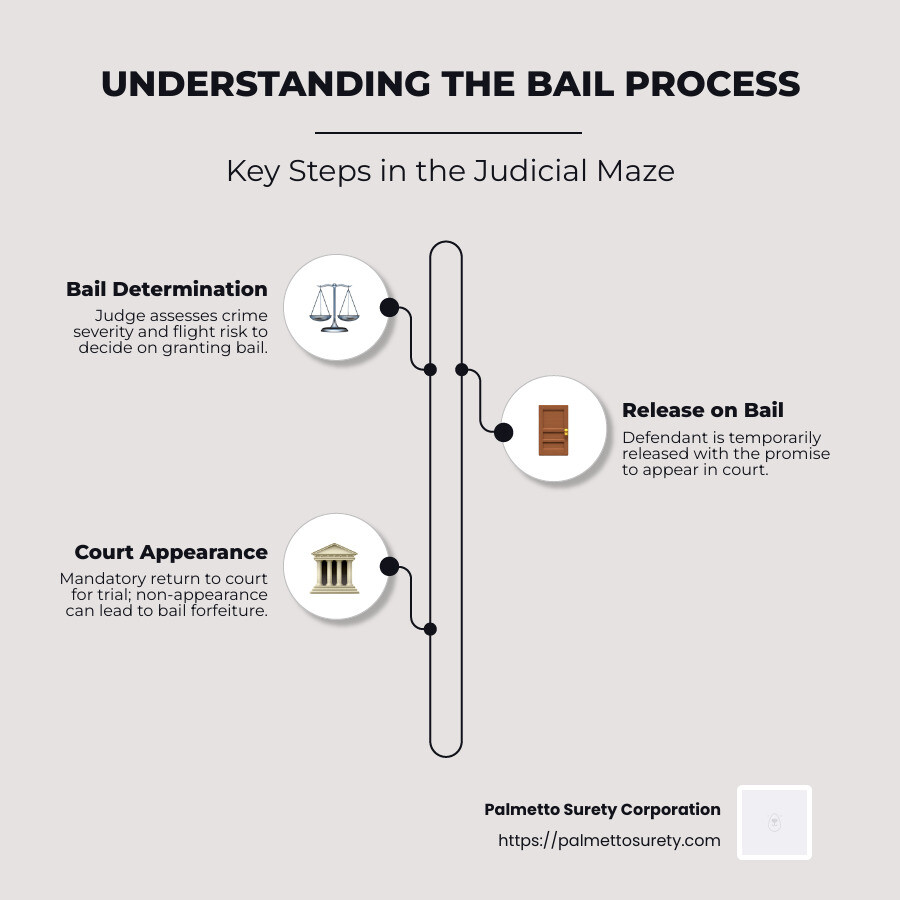
- Bail allows a defendant to be temporarily released from custody, ensuring they will appear in court for their trial.
- Judicial process involves determining if bail is suitable, considering factors like the severity of the crime, and whether the defendant poses a flight risk.
- Court appearance is mandatory once bail is granted, and failing to appear can lead to serious consequences, including the forfeiture of bail.
Bail in the United States is a widely debated topic due to its complexities and implications on justice and equity. Judges use bail as a tool to balance the rights of the individual with public safety, a decision influenced by the nature of the crime, the defendant’s history, and the perceived risk of them fleeing before trial.
I’m Haiko de Poel Jr, an expert in explaining such complex topics simply, with substantial experience in digital change and marketing strategies. I’m excited to simplify the bail definition judicial process, helping you steer its intricacies.
Understanding Bail: Definition and Purpose
Bail is a crucial component of the judicial process, allowing a defendant to be released from custody while awaiting trial. This system is designed to ensure that the defendant returns for court appearances without being detained for extended periods. It balances the individual’s right to freedom with the need for public safety.
Bail Definition
Bail is essentially a financial arrangement. A defendant provides money or a bond to the court as a guarantee they will return for their trial. If they fail to appear, the bail is forfeited. This system acts as a safeguard, ensuring that defendants are incentivized to attend their court dates.
Judicial Process
The judicial process involves setting and reviewing bail. After an arrest, a judge assesses whether bail is appropriate. They consider factors like the severity of the alleged crime, the defendant’s criminal history, and their ties to the community. This decision is crucial because it affects both the defendant’s freedom and the safety of the public.
For example, in cases involving non-violent misdemeanors, bail might be set at a lower amount, sometimes even allowing for release on own recognizance. This means the defendant promises to return to court without needing to pay bail, based on their trustworthy history.

Court Release and Public Safety
The primary goal of bail is to ensure that defendants return for trial while maintaining public safety. A judge must weigh the risk of releasing a defendant against the potential threat they might pose to the community. In some instances, bail might be denied entirely if the defendant is deemed too dangerous or likely to flee.
Public safety is a key consideration in the bail process. Judges have the responsibility to protect the community while respecting the rights of the accused. This delicate balance is central to the judicial system, ensuring fairness and security for everyone involved.
Understanding the bail definition and its role in the judicial process helps explain a complex system. It’s about finding the right balance between a defendant’s rights and the safety of the community, ensuring justice is served fairly and effectively.
Types of Bail and Their Implications
When it comes to understanding bail, it’s important to know the different types available and what they mean for both the defendant and the judicial system.
Cash Bail
Cash bail is the most straightforward type. A defendant or their family pays the full bail amount set by the court in cash. This payment acts as a guarantee that the defendant will return for their court appearances. If they do, the cash is refunded at the end of the trial, regardless of the outcome. However, if the defendant fails to appear, the cash is forfeited.
This system has been criticized for creating a wealth bias. Wealthier defendants can afford to pay and secure their release, while poorer defendants may remain in jail simply because they can’t pay. This disparity can lead to unnecessary incarceration and has been a major point in bail reform discussions.
Bail Bond
A bail bond is an alternative for those unable to afford cash bail. Here, a bail bondsman steps in. The defendant pays a non-refundable fee, usually 10-15% of the bail amount, to the bondsman. The bondsman then provides a surety bond to the court, promising to pay the full bail if the defendant fails to appear.
While this option can make bail more accessible, it comes with its own implications. The fee paid to the bondsman is non-refundable, adding a financial burden that can impact families, especially those with lower incomes.
Recognizance
Release on Own Recognizance (ROR) is a type of bail where the defendant is released without any financial obligation. This is typically granted to individuals considered low-risk, meaning they have a stable job, family ties, and a clean criminal record. They simply sign a promise to return for their court date.
ROR is a more equitable option, as it doesn’t rely on the defendant’s financial situation. It underscores the principle that defendants are presumed innocent until proven guilty, allowing them to maintain their daily lives while awaiting trial.
Pre-Trial Restrictions
In some cases, bail comes with pre-trial restrictions. These are conditions imposed by the court to ensure the defendant’s compliance and the community’s safety. Restrictions can include curfews, travel limitations, electronic monitoring, or mandatory check-ins with law enforcement.
These measures aim to mitigate any risk the defendant might pose while still allowing them some degree of freedom. They serve as a middle ground between outright detention and unconditional release.
Understanding these types of bail and their implications helps steer the complex judicial maze. Each type offers different levels of freedom and financial impact, reflecting the balance between a defendant’s rights and community safety.
Bail Definition Judicial Process
In the judicial process, bail plays a crucial role in balancing a defendant’s right to freedom with the community’s safety. Understanding how bail decisions are made and the conditions involved can help explain this often complex topic.
Factors Influencing Bail Decisions
When a judge decides on bail, several factors come into play:
-
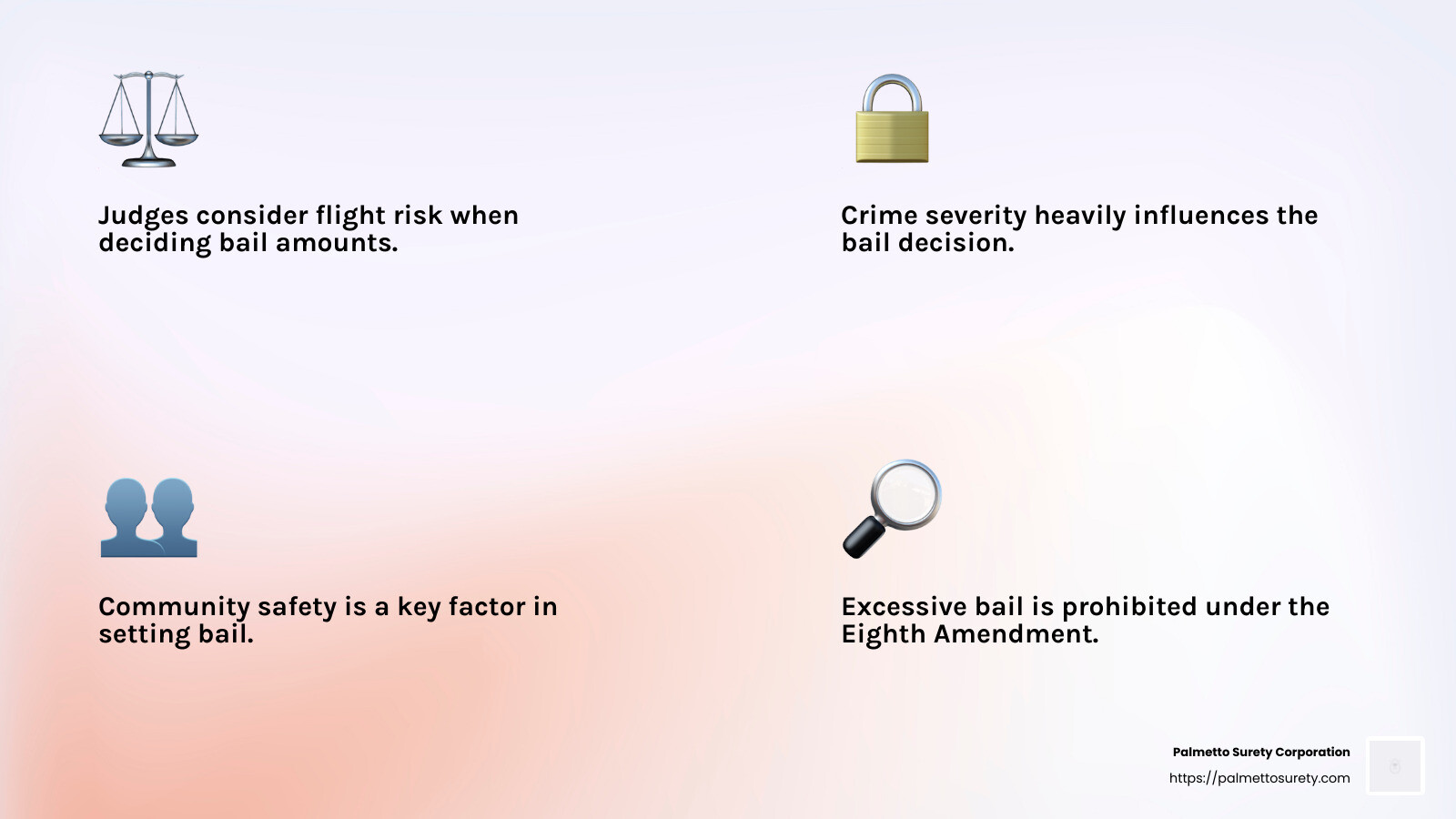
Flight Risk: Judges assess whether the defendant is likely to flee before their court date. Factors like strong community ties or employment can reduce perceived flight risk.
-
Crime Severity: The seriousness of the alleged crime heavily influences the bail amount. More severe crimes often result in higher bail or even denial of bail.
-
Community Safety: Judges consider the potential threat a defendant might pose to the community. If a defendant is deemed dangerous, bail might be set higher or denied to protect public safety.
-
Defendant’s Rights: Despite these considerations, defendants have the right to a fair bail process. The Eighth Amendment of the U.S. Constitution prohibits excessive bail, ensuring that amounts are reasonable and not punitive.
Bail vs. Bond: Key Differences
Understanding the distinction between bail and bond is essential for navigating the judicial maze:
-
Bail Money: This is the cash paid directly to the court to secure a defendant’s release. If the defendant appears for all court dates, this money is refunded at the end of the trial.
-
Surety Bond: In cases where a defendant cannot afford the full bail amount, a bail bond company can help. The defendant pays a non-refundable fee to the company, which then provides a surety bond to the court. This bond acts as a promise that the full bail amount will be paid if the defendant fails to appear.
-
Bail Bond Companies: These companies play a vital role in the bail process, especially for those unable to pay cash bail. They offer a more accessible option but come with financial implications, such as non-refundable fees and potential collateral requirements.
In summary, the bail definition judicial process is a balancing act. It involves weighing the defendant’s rights against potential risks to the community. By understanding the factors influencing bail decisions and the differences between bail and bonds, individuals can better steer this complex system.
The Role of Bail Bond Companies
Bail bond companies step in when a defendant can’t afford to pay the full bail amount set by the court. These companies provide a surety bond, which is essentially a promise to the court that the defendant will appear for their trial. If the defendant fails to show up, the company is on the hook for the full bail amount. This is where their role becomes crucial.
Surety Bonds and Bail Agents
A surety bond is a type of contract. It involves three parties: the court, the defendant, and the bail bond company. The company provides the bond to guarantee the defendant’s return to court. In exchange, the defendant pays the company a non-refundable fee, usually 10% to 20% of the bail amount.
Bail agents, also known as bondsmen, work for these companies. They assess the risk of providing a bond for a particular defendant. This involves checking the defendant’s background, community ties, and the nature of the alleged crime. If the risk is deemed acceptable, the agent issues the bond, enabling the defendant’s release.
Financial Implications
Using a bail bond company can have significant financial implications for the defendant and their family. While it provides a way out of jail without paying the full bail amount upfront, the fee paid to the bail bond company is non-refundable. This means even if the defendant appears in court as required, the money paid to the bail bond company is not returned.
Moreover, the bail bond company may require collateral. This could be in the form of property, vehicles, or other valuable assets. If the defendant fails to appear in court, the company can seize this collateral to cover the bail amount.
In some cases, the company might hire a bail recovery agent, often known as a bounty hunter, to locate and return the defendant to court, further adding to the costs and implications involved.
Bail bond companies play a pivotal role in the judicial process, especially for individuals who cannot afford cash bail. However, understand the financial commitments and risks before opting for this service.
With a grasp of how these companies work and the financial stakes involved, defendants can make informed decisions during this critical phase of the judicial process.
Frequently Asked Questions about Bail
What is the legal definition of bail?
Bail is a temporary release of a defendant from jail while they await their court appearance. It’s a form of security—often money or property—that ensures the defendant will return for their trial. This process allows defendants to continue their daily lives while preparing for court, rather than waiting in jail.
How does the bailing process work?
When a defendant is arrested, they go before a judge for a bail hearing. During this hearing, the judge decides if bail is appropriate and, if so, sets the amount based on factors like the severity of the crime and the defendant’s flight risk. Once bail is set, the defendant has a few options:
- Pay the bail amount in full: This is refunded once the trial is complete, provided the defendant attends all required court appearances.
- Use a bail bond company: If the defendant can’t afford the full amount, they can pay a non-refundable fee (usually 10-20% of the bail) to a bail bond company, which then provides a surety bond to the court.
- Release on own recognizance: In some cases, the judge may allow the defendant to be released without paying bail, based on their promise to return.
Do you get bail money back?
Yes, if you paid the full bail amount directly to the court, you get your money back once the trial is over, as long as you followed all court conditions and appeared at every required hearing. However, if you used a bail bond company, the fee paid to them is non-refundable, even if you fulfill all court obligations.
Understanding these aspects of bail can help defendants and their families steer the judicial process more confidently and make informed decisions about their options.
In the next section, we’ll explore the conclusion and how Palmetto Surety Corporation can assist you with your bail needs.
Conclusion
Navigating the bail process can be daunting, but Palmetto Surety Corporation is here to simplify it for you. With over 20 years of experience in the bail industry, we specialize in providing quick and efficient bail services to meet your needs.
Our team understands the urgency involved in securing bail. That’s why we pride ourselves on our ability to approve most bail applications within hours. We work with a network of trusted bail agents across the southeastern United States, ensuring that help is always close by.
Whether you’re dealing with cash bail, surety bonds, or need assistance understanding the bail conditions set by the court, our expertise ensures you’re in capable hands. We offer a range of bail services custom to fit different situations and requirements, helping you or your loved ones get back to normal life while awaiting trial.
At Palmetto Surety Corporation, your peace of mind is our priority. Our quick approval process and dedicated support team mean you won’t have to steer the judicial maze alone.
For more information about our services and how we can assist you, visit our Palmetto Surety Corporation service page. Let us help you through the bail process with confidence and ease.


