


How Much Do Bail Bondsman Make? 5 Surprising Facts
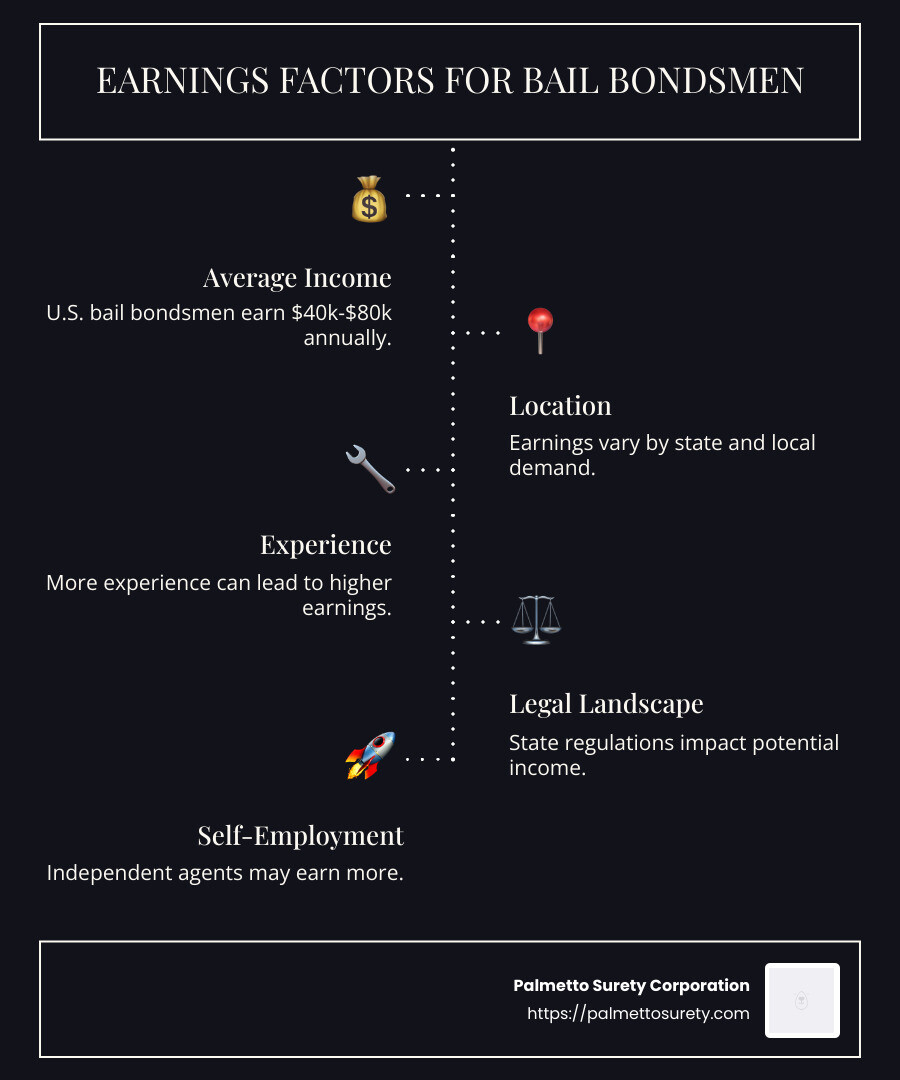
How much do bail bondsman make can vary widely based on several factors such as location, experience, and the current legal landscape. On average, a bail bondsman in the United States can earn from $40,000 to $80,000 annually. Independent agents with established reputations can earn more, especially in high-demand areas.
The bail bonds industry presents unique career opportunities for those looking to enter a field that is both dynamic and a crucial part of the criminal justice system. With the potential for high earnings and the flexibility of self-employment, becoming a bail bondsman can be an attractive option for individuals interested in law, justice, and helping people through difficult times.
I’m Haiko de Poel Jr, and with my experience in marketing and digital change at Palmetto Surety Corporation, I’ve had the opportunity to deeply explore how much do bail bondsman make. My career has been dedicated to empowering industries, like surety bonds, through innovation and strategic insights. Transitioning to the next section, we will dig into the specific earnings of bail bondsmen.
Quick look at how much do bail bondsman make:
– bail bondsman
– how do bail bondsman make money
– how does a bail bondsman work
Understanding Bail Bondsmen Earnings
The earnings of bail bondsmen can vary significantly, but let’s break it down into simple terms.
Average Salary
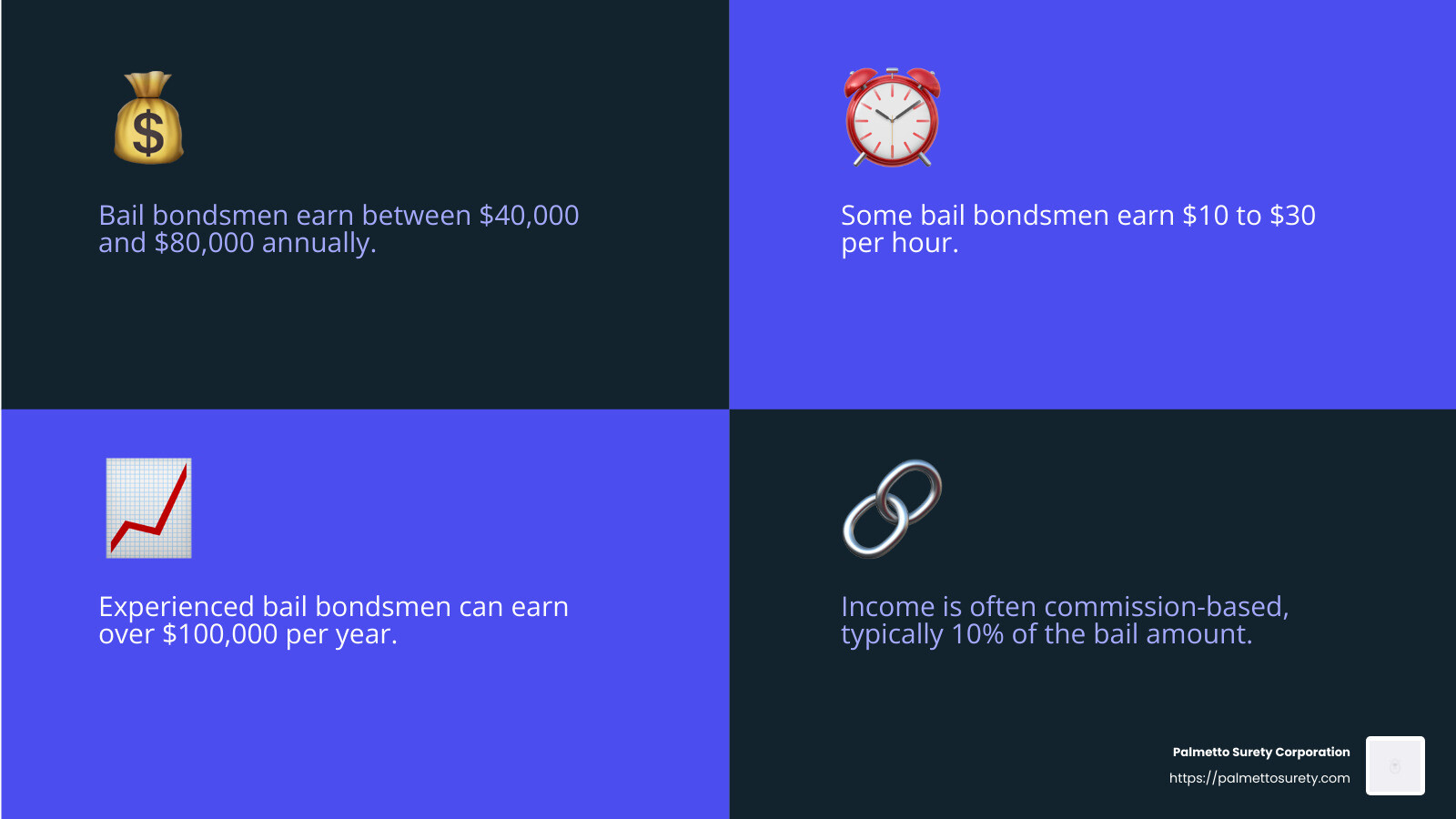
On average, a bail bondsman in the United States earns between $40,000 and $80,000 annually. This range reflects the typical earnings for those in the industry, but it’s important to note that many factors can influence these numbers.
Hourly Wage
When we talk about hourly wages, the landscape shifts a bit. Some bail bondsmen work on an hourly basis, especially those starting out or working for larger agencies. Their hourly wage can range from $10 to $30 per hour, depending on the state and their level of experience. However, this is not the most common pay structure, as many bail bondsmen operate independently and earn a commission instead.
Annual Pay
For those who thrive in their roles and build a solid client base, the potential for higher annual pay is substantial. Experienced and well-connected bail bondsmen can earn well over $100,000 per year. This is particularly true in states with higher bail amounts and more frequent arrests, where the demand for bail services is greater.

Commission-Based Earnings
A significant portion of a bail bondsman’s income comes from commissions. Typically, they charge a fee of about 10% of the total bail amount. For example, if the bail is set at $50,000, the bail bondsman would earn $5,000 for their services. This fee structure can lead to substantial earnings, especially with higher bail amounts.
Bail bondsmen also have the opportunity to earn additional income by charging for extra services, such as payment plans or collateral management.
Understanding these earnings is crucial for anyone considering a career in this field. The combination of base salary, hourly wages, and commission-based earnings creates a dynamic earning potential for those in the bail bonds industry.
Next, we’ll explore the factors that influence these earnings, including location, experience, and state regulations.
How Much Do Bail Bondsmen Make?
The question of how much do bail bondsmen make can be answered by looking at the average income, salary range, and hourly pay. Let’s break it down:
Average Income
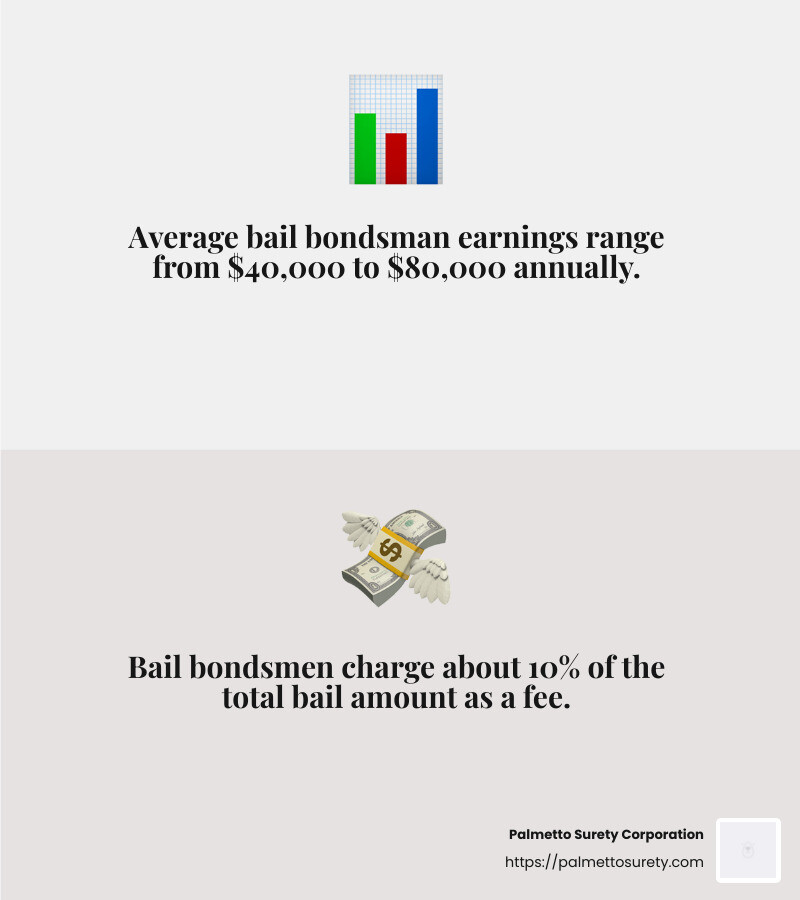
On average, a bail bondsman in the U.S. earns between $40,000 and $80,000 per year. This range varies based on factors like location, experience, and the number of clients they manage. For those just starting out, the income might be on the lower end, but as they gain experience and build a reputation, their earnings can increase significantly.
Salary Range
The salary range for bail bondsmen can be quite wide. Some bail bondsmen earn as little as $10,076 annually, while others make up to $237,811. This vast difference is due to the nature of the job, which often involves commission-based pay. Successful bail bondsmen who handle high bail amounts or work in areas with frequent arrests can find themselves on the higher end of this range.
Hourly Pay
While hourly pay isn’t the most common structure for bail bondsmen, those who do work hourly can expect to earn between $10 and $30 per hour. This can vary based on the state they operate in and their level of experience. For example, a new bail bondsman might start at the lower end, while someone with more experience and a strong network might earn more.
Commission-Based Earnings
A large portion of a bail bondsman’s earnings comes from commissions. Typically, they charge a fee of about 10% of the total bail amount. For instance, if the bail is set at $100,000, the bail bondsman would earn $10,000. This commission structure allows for potentially high earnings, especially with larger bail amounts.
Bail bondsmen can also charge for additional services, such as payment plans or collateral management, adding to their income.
Understanding these earning structures is essential for anyone considering a career in this field. The combination of base salary, hourly wages, and commission-based earnings offers a dynamic earning potential.
Next, we’ll explore the factors that influence these earnings, including location, experience, and state regulations.
Factors Influencing Bail Bondsmen Salaries
When it comes to determining how much do bail bondsmen make, several factors come into play. Let’s break down the key elements that can impact their earnings: location, experience, and state regulations.
Location
Where a bail bondsman operates can greatly affect their income. Urban areas with higher crime rates often mean more business opportunities, leading to potentially higher earnings. For example, a bail bondsman in a busy city like Los Angeles might see more clients than one in a small rural town, resulting in higher profits. Additionally, being located near a municipal or county jail can be advantageous, as it increases visibility and accessibility for potential clients.
Experience
Experience plays a significant role in a bail bondsman’s salary. Newcomers to the field might start on the lower end of the pay scale. However, as they gain experience and build a reputation, their earning potential can increase substantially. Experienced bail bondsmen often have established relationships with defense attorneys and a strong network, which can lead to more consistent business and higher earnings.
State Regulations
State laws and regulations also impact bail bondsmen’s earnings. Each state has different rules regarding the fees and premiums that bail bondsmen can charge. For instance, in Colorado, they can charge a minimum of $50 or 15% of the bail amount, whichever is greater. In contrast, Ohio limits the fee to 6.5% of the bail amount. These regulations can directly influence how much a bail bondsman can earn on each transaction.
Understanding these factors is crucial for anyone considering a career as a bail bondsman. The interplay of location, experience, and state regulations can create a wide range of earning possibilities.
Next, we’ll discuss the steps needed to become a bail bondsman, including licensing requirements and training.
Steps to Become a Bail Bondsman
Becoming a bail bondsman is a straightforward process, but it requires meeting specific requirements. Let’s walk through the essential steps:
Licensing Requirements
First, you need to meet the basic eligibility criteria. Generally, you must be at least 18 years old, though some states, like North Carolina, require you to be 21. You must also be a U.S. citizen and a resident of the state where you plan to work. Each state has its own specific requirements, so it’s crucial to check with your local regulatory body.
Training
To gain the necessary skills and knowledge, you must complete a pre-licensing course. This course covers the basics of the bail bonds industry, including legal regulations and business practices. The duration of the course varies, but you can expect it to take at least 15 hours. Some programs are as short as two days, while others may be longer.
Exam
Once you’ve completed your training, the next step is to pass the state licensing exam. The exam tests your understanding of the material covered in the pre-licensing course. You will need to register in advance and pay a fee, which is typically around $56.50, as charged by Pearson VUE in many states. Make sure to bring proof of course completion and any required documents, such as fingerprinting, to the testing center.
Receive Your License
After passing the exam, you can apply for your bail bonding license. You’ll usually receive your license within two weeks, but you can check its status by contacting your local board.
These steps are crucial for launching your career in the bail bonds industry. With the right training and preparation, you can steer the licensing process and start working as a bail bondsman.
Next, we’ll address some frequently asked questions about bail bondsmen earnings, including how much they make in Montana and the most money paid on bail.
Frequently Asked Questions about Bail Bondsmen Earnings
How much does a Bail Bondsman make in Montana?
In Montana, the earnings of a bail bondsman can vary widely depending on experience and specific market conditions. On average, a bail bondsman in Montana might earn an hourly pay of around $20 to $30. However, this can fluctuate based on factors such as the number of clients, the bail amounts they handle, and the state’s regulations. Some may earn more if they have established a strong reputation and client base.
What is the most money paid on bail?
The highest bail amount ever recorded was set for Robert Durst, a real estate heir, and subject of the documentary “The Jinx.” Durst’s bail was set at a staggering $3 billion. This astronomical figure underscores how bail amounts can vary dramatically based on the severity of the charges and the perceived flight risk of the defendant. Most bail amounts are significantly lower, but high-profile cases like Durst’s highlight the extremes in the bail system.
How do bail bondsmen make money?
Bail bondsmen primarily earn their income through bail fees. Typically, they charge a non-refundable fee, often around 10% of the total bail amount, to post bail on behalf of a defendant. For example, if a court sets bail at $50,000, the bail bondsman would charge a fee of $5,000. This fee compensates the bondsman for taking on the risk that the defendant might not appear in court.
In addition to the standard fee, some bail bondsmen might charge additional charges for services like tracking down a defendant who fails to appear in court. These services ensure that the bondsman can recover their investment and minimize financial losses. However, these additional charges vary and depend on the specific circumstances of each case.
Conclusion
The bail bonds industry offers a unique and potentially lucrative career path for those interested in the intersection of finance and criminal justice. At Palmetto Surety Corporation, we’ve seen how this industry can provide both financial rewards and opportunities to make a difference in people’s lives.
Career Potential: Becoming a bail bondsman can be a rewarding career with significant earning potential. As we’ve discussed, earnings can vary widely depending on factors like location, experience, and state regulations. With the right approach, bail bondsmen can earn a substantial income by securing larger bonds and building a strong client base. Whether you’re just starting or looking to expand your business, there is room for growth and success in this field.
Industry Insights: The bail bonds industry is not without its challenges. It requires a keen understanding of state regulations and the ability to steer complex legal situations. But with these challenges come opportunities. The demand for bail bonds remains strong in many parts of the United States, despite ongoing debates about the system. Bail bondsmen play a crucial role in the judicial process, providing a service that balances the rights of defendants with the interests of the community.
At Palmetto Surety Corporation, we pride ourselves on our quick and efficient service. Our expertise in surety bonds and our network of experienced agents allow us to support bail bondsmen in achieving their career goals. Whether you’re interested in becoming a bail bondsman or looking to improve your existing business, we’re here to help you every step of the way.
For more information on how Palmetto Surety Corporation can support your journey in the bail bonds industry, visit our service page. Explore the potential of a career that not only offers financial rewards but also the chance to make a real impact.


