


How Does a Bail Bondsman Work: Top 5 Secrets 2024
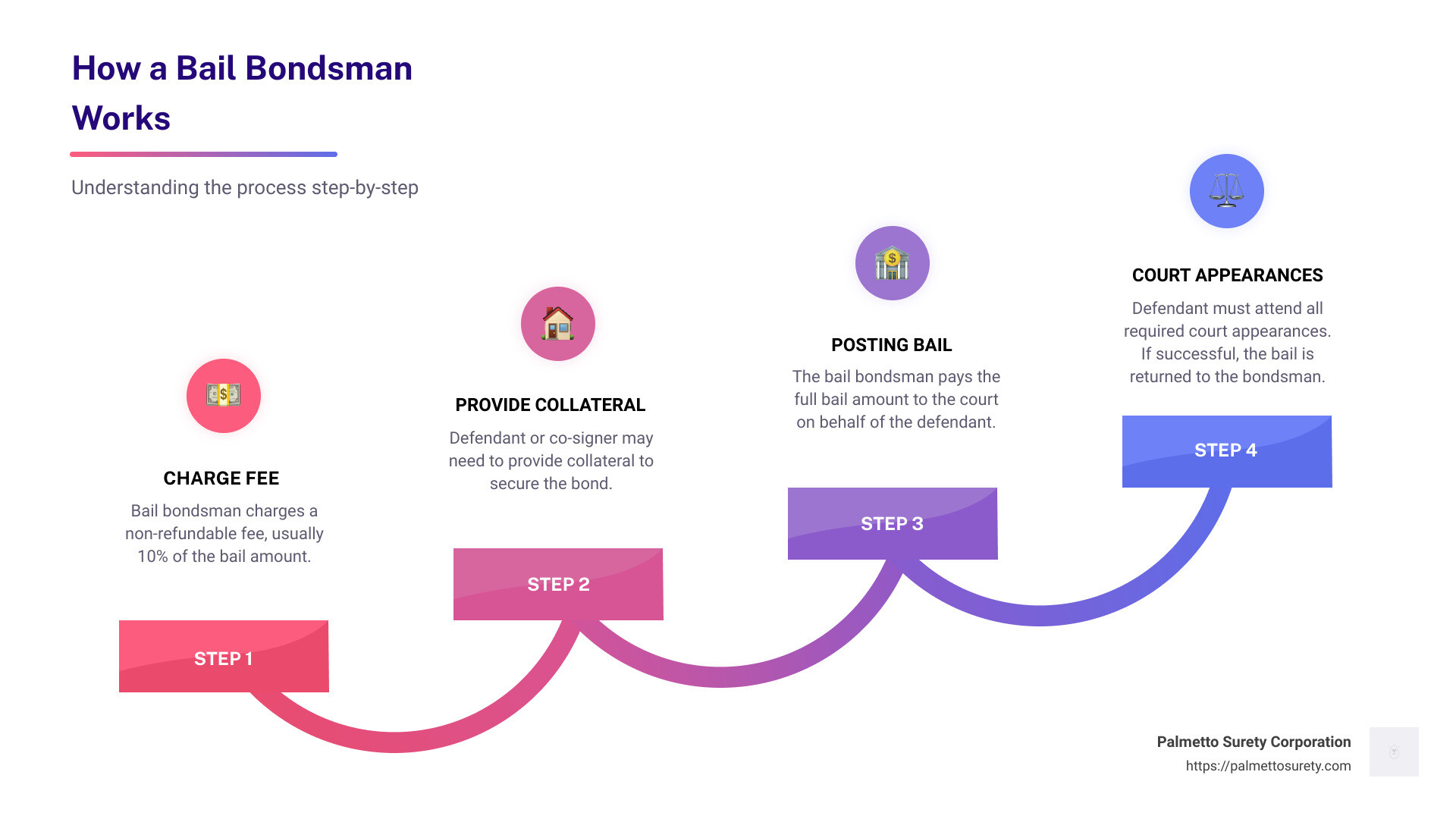
How does a bail bondsman work? In simple terms, a bail bondsman acts as an intermediary who provides a financial guarantee to the court that a criminal defendant will appear at all required court dates. This service is crucial for defendants who cannot afford to pay the entire bail amount set by the court.
- Bail bondsmen charge a non-refundable fee, typically 10% of the bail amount.
- They may require collateral in addition to the fee to cover the full bail sum.
- If the defendant attends all court appearances, the bail is returned to the bondsman, minus their fee.
- Failure to appear in court can lead to the forfeiture of bail and additional legal troubles for the defendant.
In the U.S., the bail bond industry plays a pivotal role in the justice system by allowing defendants to await trial from home rather than jail. This process not only helps defendants maintain their daily responsibilities but also alleviates jail overcrowding while ensuring they return for their court hearings.
As a seasoned expert in marketing and digital change, I have spent considerable time observing the intricacies of the surety and bail bond markets. My experience at Palmetto Surety and similar positions has deepened my understanding of how does a bail bondsman work, from navigating complex legal frameworks to enhancing service delivery. In the upcoming sections, we’ll dig into the detailed workings of bail bondsmen and explore the various types of bail bonds available.
How does a bail bondsman work terms made easy:
– bail bondsman
– how do bail bondsman make money
– how does a bail bond make money
What is a Bail Bond?
A bail bond is essentially a financial guarantee that ensures a defendant’s appearance in court. When someone is arrested, a judge sets a bail amount based on the severity of the crime, the defendant’s history, and the risk of flight. This amount acts as a security deposit to encourage the defendant to attend all court proceedings.
Financial Guarantee
Bail bonds are a type of surety bond. This means they involve three parties: the defendant, the court, and the bail bondsman. The defendant (or their family) pays a non-refundable fee—typically 10% of the total bail amount—to the bail bondsman. In return, the bondsman guarantees the full bail amount to the court.
Surety Bond
The surety bond is a crucial part of the bail bond process. It acts as a promise to the court that the defendant will show up for their trial dates. If the defendant fails to appear, the bondsman is responsible for paying the full bail amount to the court. This is why the bondsman often requires collateral, such as property or other assets, to cover the risk.
Bail Amount
The bail amount varies depending on several factors, including the nature of the crime and the defendant’s past behavior. For example, nonviolent misdemeanors might have bail set at a few hundred dollars, while serious felonies can have bail set at tens of thousands of dollars or more. Judges have broad discretion in setting these amounts, sometimes using bail schedules as a guideline.


In conclusion, bail bonds provide a way for defendants to secure their release from jail while awaiting trial. This system allows individuals to continue their daily lives and responsibilities, ensuring they return for their court dates. In the next section, we’ll explore the role of a bail bondsman and how they facilitate this process.
How Does a Bail Bondsman Work?
The Role of a Bail Bondsman
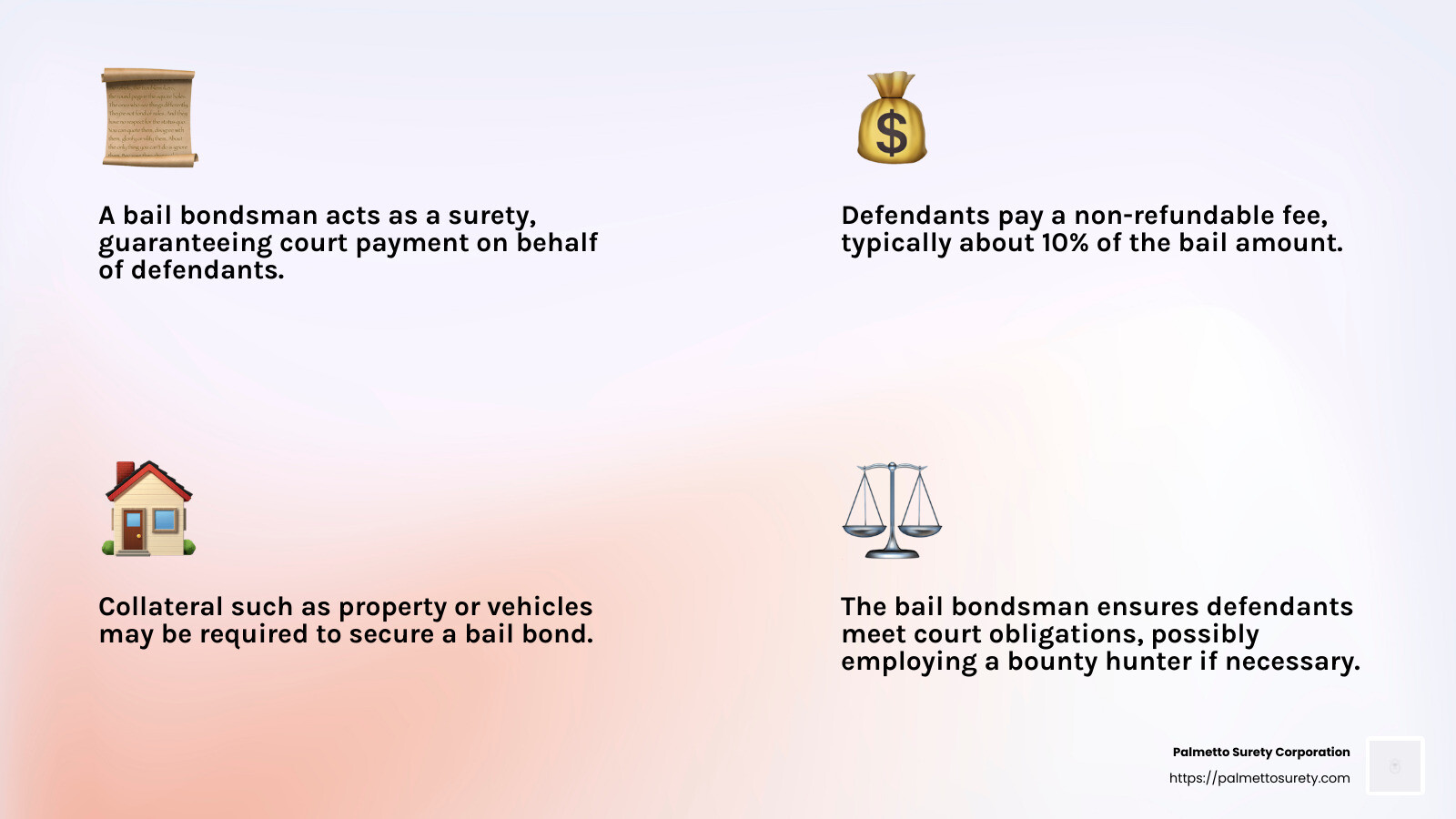
A bail bondsman plays a vital role in the criminal justice system by helping defendants secure their release from jail before trial. When a defendant cannot afford to pay the full bail amount set by the court, they turn to a bail bondsman. The bondsman acts as a surety by guaranteeing the court payment on the defendant’s behalf. Essentially, they promise the court that the defendant will appear for all required court dates.
In exchange for this service, the defendant pays the bondsman a non-refundable fee, usually about 10% of the total bail amount. This fee compensates the bondsman for taking on the financial risk. To further mitigate this risk, the bondsman may require collateral—such as property, vehicles, or other valuable assets. This collateral acts as security, ensuring that if the defendant skips bail, the bondsman can recover the loss.
The Bail Bond Process
The bail bond process begins when a judge sets a bail amount after a defendant’s arrest. If the defendant cannot pay this amount, they contact a bail bond agent. The agent evaluates the defendant’s situation, including their flight risk and the collateral offered.
Once the agreement is made, the bail bondsman posts the bail, allowing the defendant to be released from jail. This release process is crucial as it enables defendants to continue their daily lives while awaiting trial. They can work, support their families, and prepare their legal defense.
However, the defendant must adhere to certain conditions set by both the court and the bail bondsman. These conditions often include appearing at all court dates, checking in regularly with the bondsman, and avoiding any illegal activities. Failing to comply with these conditions can lead to bail revocation and re-arrest.
The bail bondsman ensures that the defendant meets these obligations. In some cases, if a defendant fails to appear in court, the bondsman may employ a bounty hunter to locate and return the defendant to custody. This is a last resort, as the bondsman aims to avoid losing the bail amount posted to the court.
By understanding how a bail bondsman works, defendants can steer the legal system more effectively and secure their release from jail. In the next section, we’ll dig into the different types of bail bonds and how they cater to various situations.
Types of Bail Bonds
When someone is arrested, the court often requires a form of bail to ensure they will return for their court appearances. There are several types of bail bonds available, each serving a unique purpose and catering to different situations.
Surety Bail
Surety bail involves a bail bondsman or a bail bond company. When a defendant cannot pay the full bail amount, they can contact a bail bondsman for help. The bondsman charges a non-refundable fee, usually 10-15% of the bail amount, and provides a guarantee to the court that the defendant will appear at all required court dates. If the defendant fails to show up, the bondsman may lose the bail amount and can use collateral to recover the loss. This is the most common type of bail bond used.
Recognizance Bail
Recognizance bail is the simplest form of bail. In this case, the court allows the defendant to be released based on a written promise to appear for all court dates. No money or collateral is required. However, if the defendant fails to appear, they may face additional charges, and the court can issue a warrant for their arrest. This type of bail is typically granted to individuals who are considered low-risk and have strong ties to the community.
Cash Bail
With cash bail, the defendant or a cosigner pays the full bail amount in cash to the court. This amount is held by the court until the case is resolved. If the defendant attends all court appearances, the money is refunded. However, if the defendant fails to appear, the money is forfeited. Cash bail ensures the defendant has a financial stake in returning to court, but it can be burdensome for those who cannot afford the full amount upfront.
Property Bail
Property bail allows the defendant to use real estate or other valuable property as collateral instead of cash. The property must be equal to or greater than the bail amount. The court places a lien on the property until all court appearances are completed. If the defendant fails to appear, the court can foreclose on the property to cover the bail amount. This option is useful for those who have valuable assets but lack liquid cash.
Understanding these different types of bail bonds can help defendants and their families choose the best option for their situation. Each type has its own requirements and risks, so it’s important to consider these carefully.
In the following section, we’ll explore what happens after posting bail and the conditions that defendants must meet to remain free until their court date.
What Happens After Posting Bail?
Once bail is posted, the defendant is released from jail, but this freedom comes with specific release conditions that must be followed. These conditions are crucial as they determine whether the defendant can remain out of jail until their trial.
Release Conditions
The court sets these conditions to ensure public safety and the defendant’s return to court. Common conditions include:
- Appearing in court on scheduled dates: Missing a court date can lead to bail revocation and re-arrest.
- Avoiding illegal activities: The defendant must not commit any crimes while out on bail.
- Staying away from certain people or places: Especially relevant in cases involving domestic violence or harassment.
- Regular check-ins with a bail bondsman or court officer: This ensures the defendant is complying with all conditions.
Failure to adhere to these conditions can result in serious consequences, including being taken back into custody.
Court Appearances
Attending all court appearances is a non-negotiable requirement. The defendant must show up for every scheduled hearing or trial date. This is critical because:
- Ensures the bail bond remains intact: Missing a court date can lead to bail bond revocation.
- Avoids additional charges: Skipping court can result in charges of “failure to appear,” which might lead to additional fines or jail time.
- Protects collateral: If a bail bond was secured with collateral, failing to appear can result in the loss of that collateral.
Bail Bond Revocation
If the defendant violates any release conditions or misses a court date, the bail bond can be revoked. This means:
- Immediate re-arrest: Law enforcement can arrest the defendant and take them back to jail.
- Potential financial loss: The bail bondsman may lose the bail amount posted, and the defendant or co-signer might lose any collateral used to secure the bond.
- Bounty hunters may be involved: Bail bondsmen often hire bounty hunters to locate and return the defendant to custody.
Understanding these aspects of post-bail life is essential for anyone navigating the bail process. Following release conditions and attending court appearances not only keep the defendant out of jail but also protect any financial investments made in securing bail.
In the next section, we’ll address some frequently asked questions about bail bondsmen to clarify common concerns and misconceptions.
Frequently Asked Questions about Bail Bondsmen
How much does a bail bondsman charge?
Bail bondsmen typically charge a non-refundable fee of about 10% of the total bail amount. This fee compensates the bondsman for the risk they take by covering the bail. For example, if the court sets bail at $10,000, you would pay the bail bondsman $1,000 to secure your release.
Do you get bail money back?
When you work with a bail bondsman, the 10% fee you pay is non-refundable. This means you won’t get it back, even if you attend all your court appearances. However, if you post bail directly with the court using cash or collateral, you may receive a refund after fulfilling all court obligations.
What happens if you skip bail?
Skipping bail, or failing to appear in court, triggers several serious consequences:
- Arrest Warrant: The court will issue a warrant for your arrest. This makes you a fugitive, and law enforcement will actively search for you.
- Bounty Hunter: To recover their losses, bail bondsmen often hire bounty hunters. These professionals track down and return fugitives to custody.
- Financial Loss: The bail bondsman might lose the bail amount posted, and you or your co-signer may forfeit any collateral used to secure the bond.
Understanding these aspects helps clarify the responsibilities and potential repercussions involved in using a bail bondsman.
Conclusion
Navigating the legal system can be daunting, especially when it involves securing a release from jail. At Palmetto Surety Corporation, we understand the urgency and stress involved in these situations. Our mission is to provide a swift and seamless process for obtaining bail bonds, ensuring that you or your loved ones spend as little time behind bars as possible.
Quick Service
Time is of the essence when it comes to bail. That’s why we pride ourselves on our ability to approve most applications within hours. Our streamlined process is designed to get you the help you need without unnecessary delays. With over 20 years of experience, we’ve honed our methods to offer quick and efficient service that you can rely on in critical times.
Extensive Bail Bond Network
Operating across several states, including Texas, South Carolina, Mississippi, Florida, Tennessee, and Georgia, our extensive network of bail bondsmen is ready to assist you. This wide reach ensures that we can handle your needs wherever you are in the southeastern United States. Our experienced agents are well-versed in local laws and procedures, providing you with expert guidance every step of the way.
Choosing Palmetto Surety Corporation means choosing peace of mind. Our dedication to excellence and our comprehensive network make us a trusted partner in the bail bond process. When you need quick, reliable service, turn to us for all your bail bond needs.
For more information on how we can assist you, visit our Palmetto Surety Corporation service page.


