


Insurance and Bond: Top 7 Must-Know Facts 2024
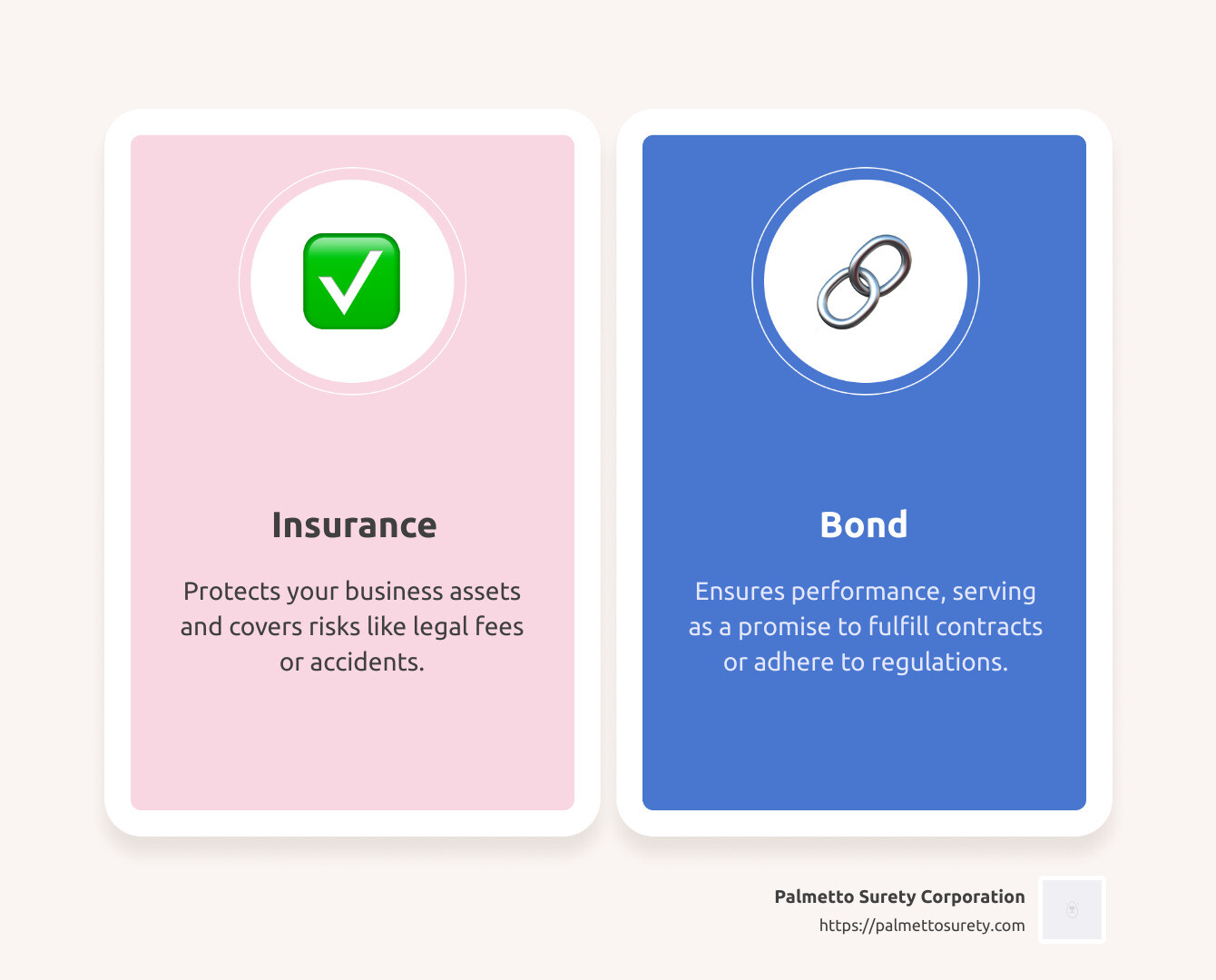
When it comes to insurance and bond, understanding their differences and uses is crucial for safeguarding your financial interests. Insurance acts as a financial safety net, protecting businesses from unforeseen expenses like lawsuits or damages. Bonds, however, provide assurance to clients that a business will meet its contractual obligations. Here’s a concise breakdown to help you differentiate between them:
- Insurance: Safeguards your business assets and covers risks such as legal fees or accidents.
- Bond: Guarantees performance, serving as a commitment to fulfill contracts or comply with regulations.
Insurance policies and bonds are essential tools in risk management. One offers direct financial protection, while the other secures your clients’ interests, providing peace of mind in various scenarios. Both are indispensable for small businesses aiming to build trust and manage risks effectively.
I’m Haiko de Poel Jr, a seasoned expert in the field of insurance and bond. With a rich history of driving companies toward exceptional growth through innovative strategies, my deep understanding of surety bonds and insurance guides small businesses in managing their risk and ensuring compliance.
Relevant articles related to insurance and bond:
– florida law on recorded performance bonds
– florida statute performance bonds
– purchase a surety bond fl
Understanding Insurance and Bonds
In the realm of insurance and bond, grasping the intricacies is vital for businesses. Let’s delve into the essentials of insurance bonds, surety bonds, and fidelity bonds to clarify their roles.
Insurance Bond
An insurance bond serves as a financial safeguard against potential financial loss. Unlike typical insurance policies that involve two parties (the insurer and the insured), insurance bonds often incorporate three parties. This unique structure allows them to effectively manage risk by ensuring that contractual obligations are fulfilled. They act as a guarantee that specific actions will be executed or certain conditions will be met. If these are not met, the bond provides compensation for financial loss.
Surety Bond
A surety bond is a particular type of insurance bond. It involves three parties: the principal (the party required to perform a duty), the obligee (the party protected by the bond), and the surety (the party guaranteeing the principal’s obligation). Surety bonds are widely used in construction and other industries where performance and compliance with laws are critical.
For instance, if a construction company fails to complete a project, the surety bond ensures that the client, or obligee, is compensated. This is crucial for building trust with clients and ensuring projects are completed as promised.

Fidelity Bond
Fidelity bonds are designed to protect businesses from losses due to employee dishonesty, such as theft or fraud. Unlike surety bonds, fidelity bonds function more like traditional insurance. They protect the business itself rather than a third party.
These bonds are particularly important for businesses handling sensitive data or financial transactions. For example, IT companies often use fidelity bonds to safeguard against risks like employee theft or illegal trading.
Key Takeaways
- Insurance Bonds: Protect against financial loss when certain conditions are unmet.
- Surety Bonds: Guarantee that contractual obligations will be fulfilled, involving three parties.
- Fidelity Bonds: Protect businesses from internal threats like employee fraud.
Understanding these distinctions helps businesses choose the right protection and build confidence with clients. Both insurance and bond play vital roles in managing risks and ensuring compliance, paving the way for successful business operations.
Types of Insurance and Bonds for Small Businesses
When you’re running a small business, having the right protection can be a lifesaver. It shields you from unexpected events that could otherwise cause financial havoc. Let’s look at three essential types of coverage that every small business should consider: general liability insurance, professional liability insurance, and surety bonds.
General Liability Insurance
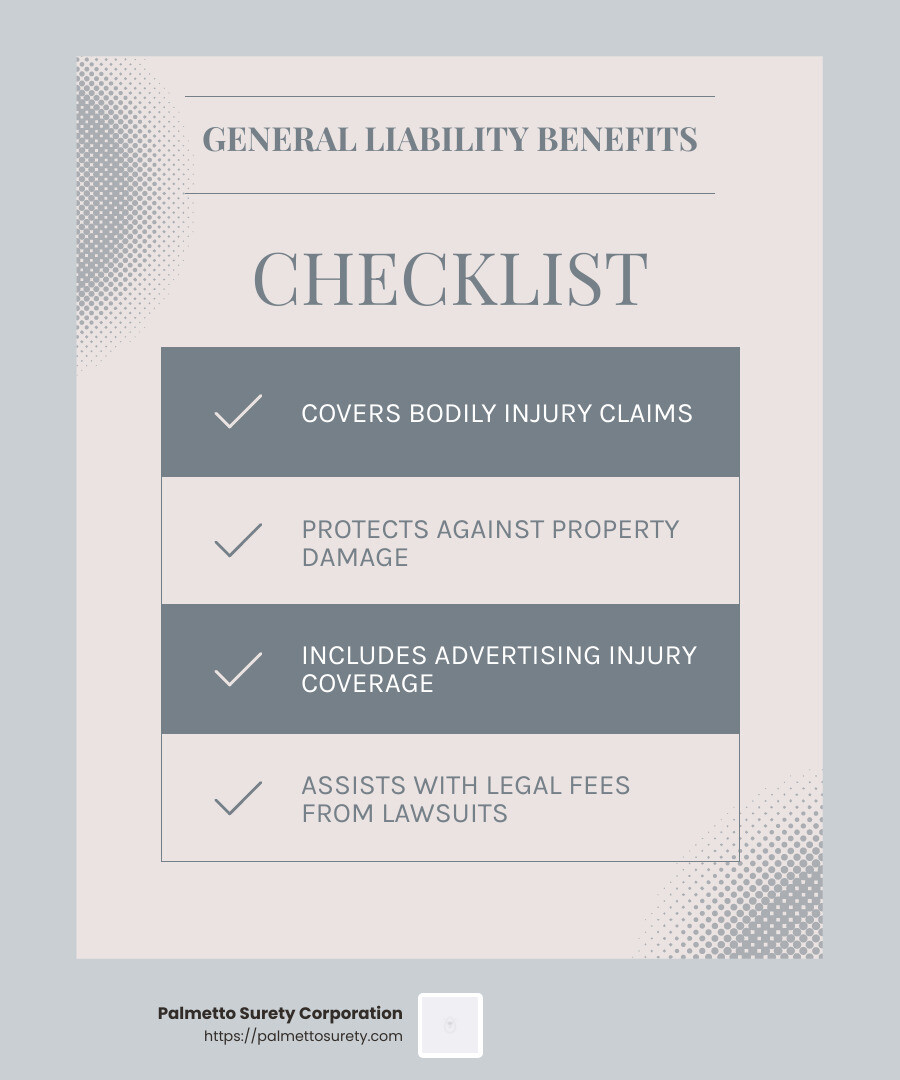
General liability insurance is like a safety net for your business. It covers claims related to bodily injury, property damage, and advertising injuries. Imagine if a customer slips and falls in your store. This insurance helps cover their medical expenses and any legal fees if they decide to sue.
This type of insurance is crucial for businesses that interact with the public, like retail stores or restaurants. It’s often the minimum insurance requirement by clients or landlords before you can start working.
Professional Liability Insurance
Professional liability insurance, also known as errors and omissions (E&O) insurance, is essential for service-based businesses. It covers claims of negligence or mistakes in the services you provide. For instance, if you’re a consultant and a client claims your advice led to financial loss, this insurance can cover legal costs and damages.
Professionals like accountants, lawyers, and consultants often need this coverage. It’s about protecting your business from the costly consequences of human error.
Surety Bonds
Surety bonds are a different type of protection that ensures contractual obligations are met. They are often required in industries like construction or by government contracts. A surety bond involves three parties: the principal (your business), the obligee (the party requiring the bond), and the surety (the company providing the bond). If your business fails to meet its obligations, the surety steps in to compensate the obligee.
Surety bonds are crucial for businesses that need to guarantee their performance or compliance with regulations. They help build trust with clients and partners by ensuring that your business commitments are backed by a financial guarantee.
Summary
- General Liability Insurance: Covers bodily injury and property damage claims.
- Professional Liability Insurance: Protects against claims of negligence or errors in services.
- Surety Bonds: Ensure contractual obligations are met and provide a financial guarantee.
Having these protections in place not only safeguards your business but also builds trust with your clients and partners. It’s a smart move for any small business owner looking to secure their hard work and investments.
Types of Bonds for Small Businesses
When it comes to small businesses, the right bond can be just as important as insurance. Bonds help ensure you meet legal requirements and build trust with clients. Let’s explore three key types of bonds: surety bonds, contract bonds, and fidelity bonds.
Surety Bonds
Surety bonds are like a promise that your business will fulfill its obligations. They involve three parties: the principal (your business), the obligee (the client or government), and the surety (the bond provider). If your business fails to meet its obligations, the surety covers the losses, and you repay the surety later.
These bonds are common in industries like construction, where they help assure clients that projects will be completed as agreed. For example, a contractor license bond is a type of surety bond that ensures a contractor complies with local laws and regulations.
Contract Bonds
Contract bonds are a specific type of surety bond used mainly in the construction industry. They ensure that contractors fulfill their contractual duties. There are several types of contract bonds:
- Bid Bonds: These protect the project owner if a bidder fails to honor their bid.
- Performance Bonds: These ensure the project is completed as per the contract.
- Payment Bonds: These guarantee that subcontractors and suppliers get paid.
Imagine you’re a contractor bidding on a large project. A bid bond shows the project owner that you’re serious and financially stable enough to take on the work.
Fidelity Bonds
Fidelity bonds protect your business from losses due to employee dishonesty, such as theft or fraud. Unlike surety bonds, fidelity bonds are more like insurance for your business. There are two main types:
- Business Services Bonds: Protect clients when your employees work on their premises. For instance, a cleaning company might use this bond to cover any theft committed by its employees in a client’s home.
- Employee Dishonesty Bonds: Protect your business from internal theft. If an employee steals company funds, this bond can reimburse the loss.
Fidelity bonds are crucial for businesses that handle sensitive information or valuable assets, like IT companies or cleaning services.
Summary
- Surety Bonds: Guarantee your business will meet its obligations.
- Contract Bonds: Ensure contractors fulfill their contractual duties.
- Fidelity Bonds: Protect against employee dishonesty and theft.
By understanding and utilizing these bonds, small businesses can protect themselves, comply with legal requirements, and build trust with clients. This is just as essential as having the right insurance.
Insurance and Bond: Key Differences
When it comes to insurance and bond, there are some key differences that are important to understand. Both serve as financial safety nets, but they operate differently in terms of financial guarantees, contractual obligations, and reimbursement processes.
Financial Guarantee
Insurance provides a direct financial guarantee to the insured party. If a covered event occurs, the insurance company pays the claim to the insured. For example, if a business has general liability insurance and someone gets injured on their property, the insurance will cover the medical expenses.
Bonds, on the other hand, act as a financial guarantee for the obligee. For instance, with a surety bond, if the principal (your business) fails to meet its obligations, the surety company steps in to cover the obligee’s losses. The principal must then repay the surety for any claims paid out.
Contractual Obligations
Insurance policies are contracts between two parties: the insured party and the insurance company. The insured pays premiums, and in return, the insurer covers specific risks.
Bonds involve three parties: the principal, the obligee, and the surety. The bond ensures that the principal will fulfill certain obligations. If the principal fails, the surety compensates the obligee. This is common in industries like construction, where contract bonds ensure that projects are completed as agreed.
Reimbursement
With insurance, the insured party does not reimburse the insurer for claims paid. The insurer absorbs the cost as part of the risk pool.
In bonding, the principal ultimately bears the financial responsibility. If a claim is made, the surety pays the obligee, but the principal must reimburse the surety. This means that while bonds provide a safety net for the obligee, the principal is still responsible for fulfilling their obligations or covering the costs.
Summary
-
Insurance: Provides a direct financial guarantee to the insured and involves a two-party contract. The insurer covers the loss without expecting reimbursement from the insured.
-
Bonds: Offer a financial guarantee to the obligee, involve a three-party contract, and require the principal to reimburse the surety for any claims.
Understanding these differences helps businesses make informed decisions about protecting their assets and fulfilling their contractual commitments. This knowledge is crucial for ensuring compliance and building trust with clients, which we’ll explore further in the next section.
Benefits of Being Insured and Bonded
Being insured and bonded offers several advantages that can significantly impact a small business’s success. Let’s explore the key benefits: financial protection, client confidence, and legal compliance.
Financial Protection
Insurance acts as a safety net for your business. It helps cover unexpected costs, such as damages or lawsuits. For instance, if a customer slips and falls in your store, your general liability insurance can cover medical bills, keeping your finances intact.
Bonds, particularly surety bonds, protect clients from financial loss due to incomplete or poor-quality work. If a contractor fails to finish a project, the bond will compensate the client, ensuring they don’t lose money. This financial protection extends to the business, as it safeguards reputation and maintains trust.
Client Confidence
When a business is both insured and bonded, it signals reliability and responsibility. Clients feel more secure knowing that they won’t be left in the lurch if something goes wrong. For example, a janitorial service with a janitorial bond reassures clients that any theft or damage caused by employees will be covered. This assurance can lead to more business opportunities and long-term relationships.
Legal Compliance
Many industries require businesses to be bonded and insured to operate legally. For instance, most states mandate workers’ compensation insurance to protect employees in case of work-related injuries. Similarly, license and permit bonds are often required to meet local regulations, ensuring that businesses adhere to specific standards and laws.
By meeting these legal requirements, businesses avoid fines and penalties, and they can operate without interruptions. This compliance not only keeps the business running smoothly but also improves its credibility in the eyes of clients and regulatory bodies.
In summary, being insured and bonded provides essential protection, boosts client trust, and ensures compliance with legal standards. These benefits are crucial for maintaining a successful and reputable business, paving the way for growth and stability.
Frequently Asked Questions about Insurance and Bond
What does “fully insured and bonded” mean?
When a business is fully insured and bonded, it means they have both insurance policies and surety bonds in place. This combination serves as a dual layer of protection. Insurance covers unexpected events like accidents or lawsuits, while surety bonds provide a financial guarantee to clients that the business will fulfill its contractual obligations.
For instance, if a construction company is bonded, it assures clients that projects will be completed as promised. If the company fails to deliver, the bond compensates the client, safeguarding their investment.
Why do businesses need to be bonded?
Being bonded is crucial for businesses, especially those involved in contracts or services. A bond acts as a fraud protection measure, ensuring that clients are not financially harmed if the business doesn’t meet its obligations. This is particularly important in industries like construction, where incomplete work can lead to significant losses.
Moreover, bonds are often required for contractual compliance. Many clients or government agencies demand bonds before awarding contracts to ensure they are working with reputable and financially stable businesses. This requirement helps maintain trust and reduces the risk of fraud or non-performance.
How do insurance companies use bonds?
Insurance companies use bonds as a tool for investment and to improve their financial stability. By underwriting bonds, they provide a guarantee to third parties that a business will fulfill its obligations. This process involves assessing the risk associated with the business and ensuring they have the means to reimburse the bond if a claim arises.
Bonds also serve as a financial instrument for insurance companies, allowing them to diversify their portfolios and manage risk effectively. By providing bonds, these companies help businesses meet legal and contractual requirements, fostering a stable and trustworthy market environment.
Bonds are a crucial element in both protecting businesses and ensuring they comply with industry standards, creating a balanced ecosystem where companies can thrive with confidence.
Conclusion
At Palmetto Surety Corporation, we understand the importance of being both insured and bonded in today’s business environment. Our expertise in the surety bond industry, developed over more than 20 years, allows us to offer quick and efficient service to our clients. This means most applications are approved within hours, ensuring you can focus on what you do best—running your business.
We specialize in providing surety bonds for various industries, including construction, manufacturing, transportation, and healthcare. Our industry expertise ensures that you are not only meeting legal requirements but also gaining a competitive edge by demonstrating reliability and trustworthiness to your clients.
Whether you need a contract surety bond to secure a new project or a fidelity bond to protect against employee dishonesty, our team is here to guide you every step of the way. We are committed to helping businesses like yours steer the complexities of insurance and bonds with ease.
For businesses operating in the southeastern United States, from Texas to Florida, our network of experienced bond agents is ready to assist. Trust Palmetto Surety Corporation to provide the support and expertise you need to secure your business’s future.
Explore our services and get started today. Experience the peace of mind that comes with being insured and bonded by industry experts.


