


How Do Bail Bondsman Make Money: Top 3 Secrets 2024

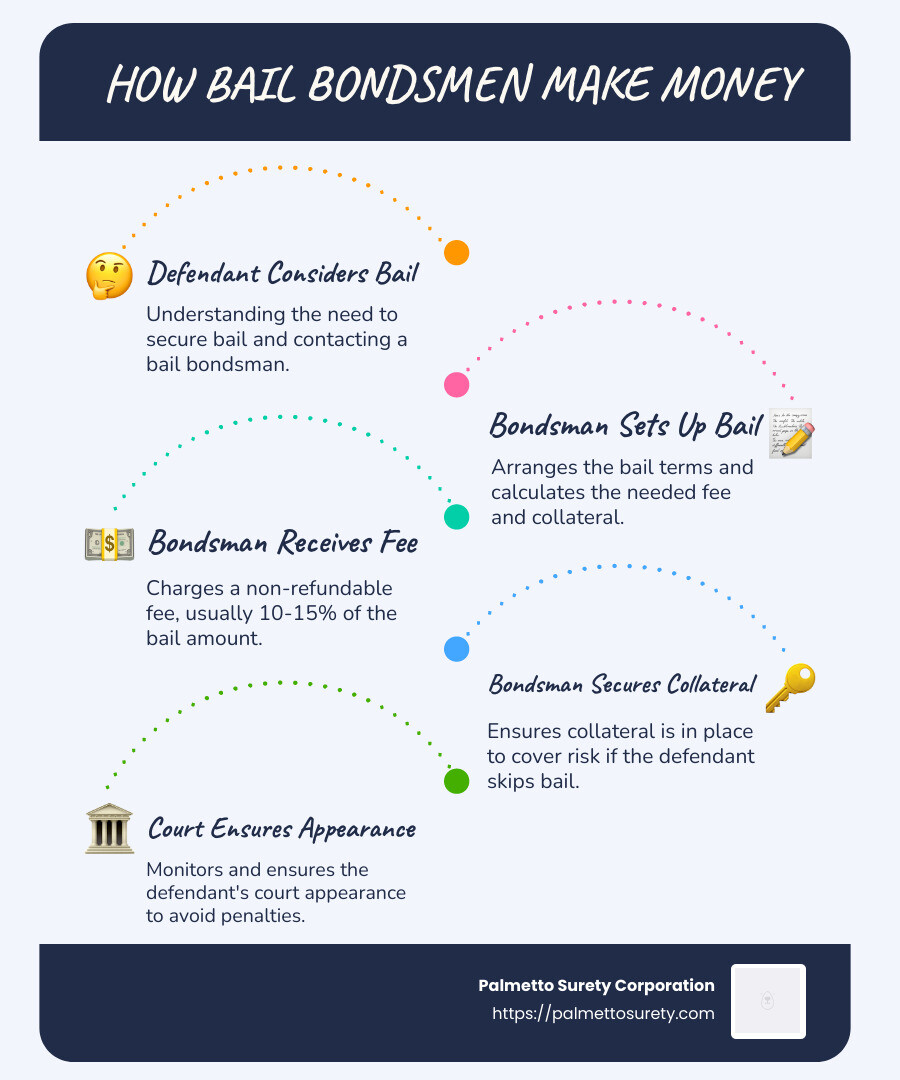
How do bail bondsmen make money? The answer is straightforward and lies at the heart of the bail bonding industry’s business model. Bail bondsmen earn their income by offering a service to defendants who cannot afford their bail. They charge a non-refundable fee, typically 10-15% of the total bail amount, which facilitates the defendant’s release from jail.
How do bail bondsmen profit?
- Charge a bail premium: Non-refundable percentage of bail.
- Use collateral: Secure valuables to cover risk.
- Manage legal obligations: Ensure court appearances, or face penalties.
These three elements form the backbone of how do bail bondsmen make money and help keep the judicial system functioning smoothly.
My name is Haiko de Poel Jr, and I’ve helped shape businesses with strategic insight and marketing expertise, particularly in areas like the bail industry. Understanding the dynamics of how do bail bondsmen make money draws upon my broad experience in navigating complex systems and markets, ensuring clarity and growth potential for companies.
Explore more about how do bail bondsmen make money:
– bail bondsman
– how does a bail bond make money
This introduction is part of an article titled “The Money Behind the Bonds: How Bail Bondsmen Profit,” focusing on the keyword “how do bail bondsmen make money,” written for Palmetto Surety Corporation, to be published on Palmetto Surety Corporation’s website.
Understanding Bail Bonds
Bail bonds are a crucial part of the criminal justice system, ensuring that defendants can be released from jail while awaiting trial. But what exactly is bail, and how does it function within the judicial process?
Bail Concept

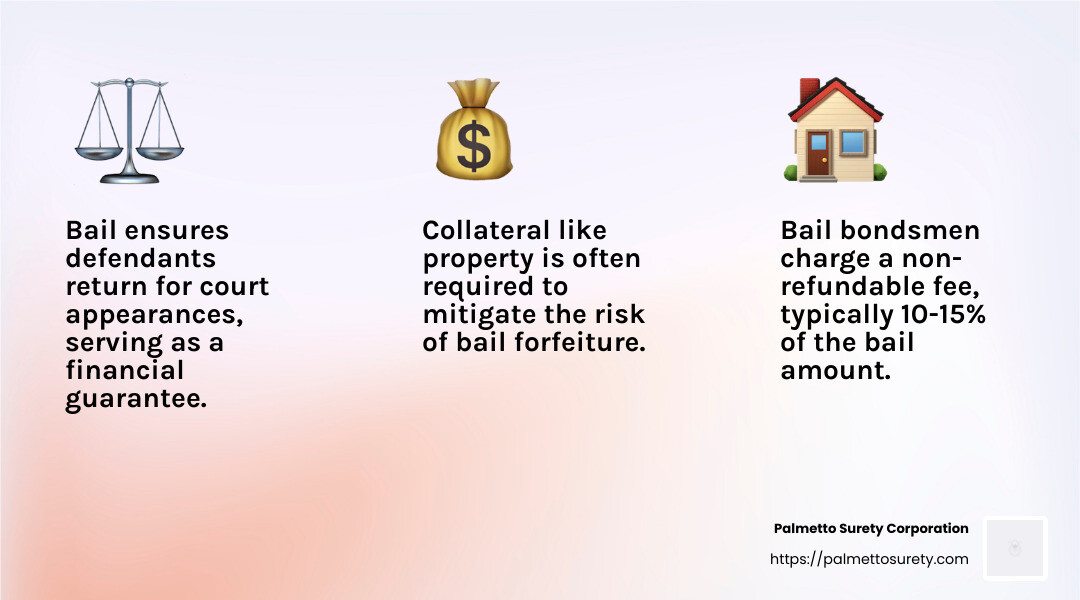
When someone is arrested, the court sets a bail amount. This amount serves as a financial guarantee that the defendant will return for their court appearances. Bail can be quite high, making it difficult for many to afford.
This is where bail bonds come into play. A bail bond acts as a surety, provided by a bail bondsman, allowing the defendant to be released from custody. In exchange, the defendant or their family pays a fee, known as a bail premium, which is typically 10-15% of the total bail amount. This premium is non-refundable and represents the bondsman’s primary income.
Court Appearance
The primary purpose of bail is to ensure that the defendant appears at all required court dates. If the defendant fails to appear, known as “bail jumping,” the court can forfeit the bail. This means the bail bondsman is responsible for paying the full bail amount to the court.
To mitigate this risk, bail bondsmen often require collateral, such as property or other valuable assets, from the defendant or their family. This collateral serves as a safety net, allowing the bondsman to recover losses if the defendant skips bail.
Financial Assurance
Bail bonds provide financial assurance to the court and the community that defendants will comply with their legal obligations. By offering this service, bail bondsmen play a vital role in balancing the rights of the accused with the needs of the judicial system.
In summary, bail bonds simplify the legal process by providing a financial bridge for defendants who cannot afford bail. This helps keep the court system efficient and ensures that justice is served.
Now that we’ve covered the basics of bail bonds, let’s dig deeper into how bail bondsmen make money and manage risks with collateral.
How Do Bail Bondsmen Make Money?
Bail Premium and Fees
Bail bondsmen make their money primarily through the bail premium, which is a non-refundable fee charged to the defendant or their family. This fee is typically around 10% of the total bail amount, but it can vary depending on the state. For example, in California, the fee is set at 10%, while in Colorado, it might be 15%. This percentage is crucial because it forms the main source of income for the bail bondsman.
For instance, if a court sets bail at $50,000, the bail bondsman would charge a non-refundable fee of $5,000 to post the bail. This fee compensates the bondsman for the risk taken and the service provided, regardless of whether the defendant appears at all their court dates.
Collateral and Risk Management
Collateral is a key part of how bail bondsmen manage risk. When a bail bond is issued, the bondsman often requires the defendant or their family to offer collateral assets. These can include real estate, vehicles, or other valuable property. The purpose of collateral is to protect the bondsman from financial loss if the defendant decides to skip court, known as “bail jumping.”
In a scenario where the defendant does not show up for court, the bail can be forfeited, meaning the full bail amount must be paid to the court. The bail bondsman then has the right to seize the collateral to recover the loss. This process is part of risk assessment and management, ensuring that the bondsman can cover any potential financial liabilities.
By requiring collateral, bail bondsmen can balance the financial risks involved in their business. This approach not only protects their interests but also encourages defendants to comply with their court obligations, knowing that their assets are on the line.
This combination of charging a bail premium and securing collateral allows bail bondsmen to operate sustainably, while also providing a necessary service within the judicial system.
Now that we’ve explored the financial mechanisms behind bail bonds, let’s examine the role of a bail bonds agent in ensuring defendants meet their legal obligations.
The Role of a Bail Bonds Agent
A bail bonds agent plays a crucial role in the justice system by acting as a surety, ensuring that defendants appear in court as required. Their primary responsibility is to guarantee the defendant’s court appearance, which provides a critical link between the accused and the judicial system.
Responsibilities and Legal Boundaries
Bail bonds agents must ensure that defendants attend all scheduled court dates. This responsibility requires them to be vigilant and proactive in managing their clients. If a defendant fails to appear, known as bail jumping, the bondsman is liable to pay the full bail amount to the court. This risk is why the bail bonds industry often involves insurance backing to cover potential losses.
Additionally, bail bonds agents must operate within strict legal boundaries. They are subject to state regulations that dictate how they can conduct their business, including the fees they can charge and the methods they can use to track defendants. Compliance with these laws is essential to maintain their license and continue providing their services.
Ensuring Defendant Compliance
To ensure defendants comply with their court obligations, bail bonds agents employ various strategies. One common method is using tracking services to monitor the defendant’s whereabouts. Regular check-ins with the defendant are also standard practice, serving as reminders of their court commitments and the consequences of non-compliance.
Collateral security plays a significant role in encouraging defendants to appear in court. By requiring defendants or their families to provide collateral assets, such as property or vehicles, bail bonds agents create a financial incentive for compliance. Defendants are less likely to skip bail when they know their valuable assets are at risk.
Through these measures, bail bonds agents not only protect their financial interests but also contribute to the effective functioning of the judicial system by ensuring defendants meet their legal obligations. This dual role of financial risk management and legal enforcement underscores the importance of bail bonds agents in the broader context of law and order.
Frequently Asked Questions about Bail Bondsmen
How do bail bondsmen make money?
Bail bondsmen earn their income primarily through charging fees. When a defendant cannot afford to pay the full bail amount set by the court, they turn to a bail bondsman. The bondsman charges a bail premium, usually around 10% of the total bail amount. This fee is the bondsman’s non-refundable service charge, providing them with their main source of income.
For example, if a court sets bail at $50,000, the defendant might pay the bondsman $5,000. This fee is non-refundable, even if the defendant appears in court as required or if the charges are later dropped.
What happens if a defendant skips bail?
If a defendant fails to appear in court, this is known as bail forfeiture. The bail bondsman is then responsible for paying the full bail amount to the court. To mitigate potential losses, bondsmen often require collateral from the defendant or their family. Collateral can include assets like real estate, vehicles, or other valuable property.
If the defendant skips bail, the bondsman may initiate collateral seizure to recover their losses. This means the bondsman can legally claim ownership of the collateral assets and sell them to cover the forfeited bail. In some cases, bail bondsmen may hire bounty hunters to locate and return the defendant to custody, which can help avoid financial loss.
Is the bail bonds fee refundable?
No, the bail bonds fee is non-refundable. This fee is the bondsman’s compensation for taking on the risk of ensuring the defendant’s court appearance. Regardless of the case outcome, the fee remains with the bondsman. This policy ensures that bail bondsmen maintain a steady income source while providing their services.
Conclusion
In conclusion, Palmetto Surety Corporation stands out as a trusted partner in the bail bond industry, offering a vital service to those in need. We understand that navigating the judicial system can be daunting, especially when it involves financial commitments like bail. That’s why our bail bond services are designed to provide quick and efficient solutions, ensuring that defendants can secure their release promptly and focus on their legal proceedings.
Our unique selling proposition lies in our ability to approve most applications within hours. This rapid approval process ensures that defendants spend minimal time in custody, alleviating stress for both them and their families. With over 20 years of experience, we have honed our processes to deliver exceptional service consistently.
For those in the southeastern United States, our network of bail bondsmen and bond agents is ready to assist. We specialize in providing surety bonds across various industries, including construction, manufacturing, transportation, and healthcare. Our expertise and commitment to ethical business practices make us a reliable choice for anyone seeking bail bond services.
If you or a loved one requires assistance, don’t hesitate to contact us at Palmetto Surety Corporation. Our team is here to guide you through the bail bond process with professionalism and care, ensuring a smooth experience during challenging times.


