


How Does a Bail Bond Make Money: Top 5 Proven Tips
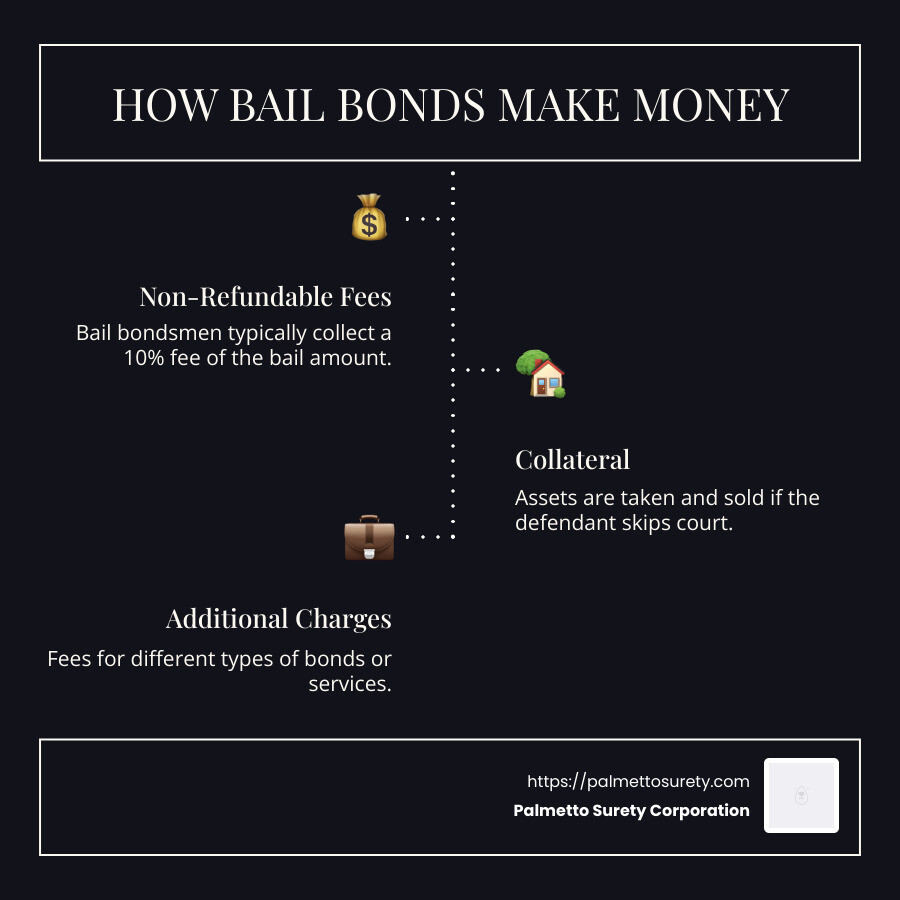
How does a bail bond make money? Let’s get straight to it. Bail bondsmen make money through:
- Non-refundable fees: Typically 10% of the bail amount.
- Collateral: Taking and selling assets if the defendant skips court.
- Additional charges: Potential fees for different types of bonds or services.
The bail system is a crucial component of the criminal justice framework in the United States. It is designed to allow defendants to remain free while awaiting trial, provided they comply with certain conditions. When bail is set too high for defendants to pay out-of-pocket, bail bonds become essential. Bail bondsmen step in to assist, providing a lifeline for those unable to afford bail. They bridge the financial gap by issuing a surety bond in exchange for a fee, allowing defendants to continue their daily lives until their court date.
I’m Haiko de Poel Jr, and I’ve dedicated my career to understanding complex systems like the bail bond industry and explaining them in simple terms. I specialize in marketing and have worked extensively with the criminal justice system to highlight how bail bonds make money. Let’s dive deeper into how this intriguing system functions effectively.
How Does a Bail Bond Make Money?
The Role of Bail Bonds Agents
Bail bonds agents, also known as bail bondsmen, play a crucial role in the criminal justice system. They offer a financial service that helps defendants secure their release from jail while awaiting trial. When a defendant cannot afford the full bail amount set by the court, a bail bondsman steps in to provide a surety bond. This bond acts as a promise to the court that the defendant will appear for all required court dates.
Bail bondsmen earn their income by charging a non-refundable fee, typically around 10% of the total bail amount. For example, if the court sets bail at $10,000, the bail bondsman charges a $1,000 fee. This fee is the bail premium and is the primary way bail bondsmen make money.
Fees and Collateral
The fee charged by bail bondsmen is separate from the actual bail amount. This fee is non-refundable, even if the defendant complies with all court appearances. The non-refundable nature of the fee ensures that bail bondsmen can cover their business expenses and the financial risks they assume.
In addition to fees, bail bondsmen may require collateral. Collateral can be anything of value, such as real estate, vehicles, or other assets, which serves as a security measure. If the defendant fails to appear in court, the bail bondsman has the legal right to seize and sell the collateral to recover the bail amount paid to the court.

This system involves significant financial risk for bail bondsmen. If a defendant skips their court date, the bondsman not only loses the bail amount but also incurs additional costs to locate and return the defendant to custody. To mitigate these risks, bail bondsmen may employ bounty hunters to track down defendants who fail to appear in court.
The combination of non-refundable fees and the use of collateral allows bail bondsmen to operate successfully while managing the inherent risks of their trade. This unique business model bridges the gap for defendants who otherwise could not afford bail, ensuring they can continue their daily lives while awaiting their day in court.
The Process of Securing a Bail Bond
Securing a bail bond involves several key steps that ensure both the defendant’s release from jail and the protection of the bail bondsman’s financial interests. Let’s break down this process into simple, digestible pieces.
Steps Involved
-
Bail Bond Application: The process begins with an application. A defendant, or often a family member, contacts a bail bondsman to initiate the bail bond process. This application typically includes personal and financial details about the defendant.
-
Approval Process: Once the application is submitted, the bail bondsman conducts a thorough evaluation. This includes a background check to assess the defendant’s criminal history and determine the likelihood of them appearing in court.
-
Collateral Assessment: If the bail amount is substantial, the bondsman may require collateral. This can be in the form of real estate, vehicles, or other valuable assets. Collateral acts as a safety net for the bondsman in case the defendant fails to show up for court.
-
Release from Jail: Once the application is approved and any necessary collateral is secured, the bail bondsman posts the bail bond with the court. This allows the defendant to be released from jail while awaiting trial.
Risk Management
Operating as a bail bondsman involves significant risk management. Here’s how they steer these challenges:
-
Flight Risk: One of the major concerns is the defendant’s potential to skip bail, known as a flight risk. Bail bondsmen carefully evaluate the defendant’s ties to the community, employment status, and past behavior to assess this risk.
-
Bounty Hunters: If a defendant fails to appear in court, bail bondsmen may employ bounty hunters to locate and return the defendant. This step is crucial to mitigate financial loss, as the bondsman is responsible for the full bail amount if the defendant remains at large.
-
Financial Loss: The risk of financial loss is ever-present. If the defendant disappears and collateral is insufficient to cover the bail amount, the bondsman faces a significant financial hit. This risk is why thorough background checks and collateral assessments are essential components of the bail bond process.
By following these steps and employing risk management strategies, bail bondsmen help defendants steer the legal system while safeguarding their business interests. This process not only secures the defendant’s temporary freedom but also ensures accountability within the judicial framework.
The Importance of Bail Bonds in the Criminal Justice System
Bail bonds play a crucial role in the criminal justice system, providing a balance between ensuring court appearances and allowing defendants to maintain their daily lives while awaiting trial.
Benefits for Defendants
Freedom Before Trial: One of the most significant benefits of bail bonds is the opportunity for defendants to secure their release before trial. This means they can continue working, caring for their families, and living their lives with minimal disruption.
Reduced Disruption: Being out on bail allows defendants to prepare for their court cases more effectively. They can meet with legal counsel, gather evidence, and build their defense without the constraints of being in custody.
Legal Support: Access to legal resources is often easier when a defendant is not behind bars. This support is critical for building a strong case and ensuring fair treatment in the justice system.
Impact on the Justice System
Court Efficiency: Bail bonds contribute to the efficient functioning of courts. By allowing defendants to await trial outside of jail, the system can focus resources on more critical cases and reduce overcrowding in detention facilities.
Defendant Accountability: Bail bonds ensure that defendants are held accountable for attending all required court appearances. The financial stake involved motivates defendants to comply with court obligations, as failing to appear can have severe financial and legal consequences.
Public Safety: While some critics argue about the risks of releasing defendants, the bail bond system includes measures to assess the risk of flight and potential danger to the community. This helps maintain public safety while respecting the rights of the accused.
Bail bonds serve as a bridge between the need for court compliance and the rights of individuals to maintain their everyday lives. They offer a practical solution that benefits both defendants and the broader justice system by promoting accountability and efficiency.
Frequently Asked Questions about Bail Bonds
How do bail bondsmen get their money back?
Bail bondsmen earn their money primarily through non-refundable fees charged to defendants. This fee is typically around 10% of the total bail amount. For instance, if the bail is set at $50,000, the bondsman charges $5,000 as their fee. This fee is the bail bondsman’s compensation for taking on the risk of the defendant not appearing in court.
If a defendant attends all required court appearances, the bail bond remains intact, and the bondsman keeps the fee. However, if the defendant skips bail, the bondsman must pay the full bail amount to the court. To mitigate this risk, bondsmen often require collateral, such as property or other assets, which can be sold to recover the lost funds if needed.
What happens if a defendant skips bail?
When a defendant skips bail, it creates a significant problem for the bail bondsman. The bondsman is responsible for the full bail amount. To recover the defendant, bondsmen often employ bounty hunters to track down and return the fugitive to custody. This process can be costly and time-consuming.
If the bounty hunter is successful, the bondsman can avoid paying the full bail amount to the court. If not, the bondsman may lose a substantial amount of money. This risk underscores the importance of thorough background checks and collateral assessments before issuing a bail bond.
Are bail bond fees refundable?
No, bail bond fees are generally non-refundable. Once paid, the fee compensates the bail bondsman for their services and the risk they assume. Even if the defendant is found not guilty or the charges are dropped, the fee remains with the bondsman. This is because the service of securing the defendant’s release was already provided.
Understanding these aspects of how bail bonds work can help defendants and their families steer the bail process more effectively. By knowing the financial implications and responsibilities involved, they can make informed decisions about securing a bail bond.
Conclusion
In the intricate world of bail bonds, Palmetto Surety Corporation stands out as a leader, offering quick and efficient services throughout the southeastern United States. With over 20 years of experience, we ensure that defendants can steer the bail process smoothly, minimizing disruptions to their lives. Our expertise in surety bonds allows us to approve most applications within hours, providing peace of mind to our clients when they need it most.
We understand the critical role bail bonds play in the criminal justice system, providing defendants the opportunity for pre-trial release and helping to maintain court efficiency. Our commitment to excellence and swift service not only benefits those in need of bail but also supports the broader community by ensuring public safety and accountability.
For more information on our services or to begin the bail bond process, visit our Palmetto Surety Corporation service page. Let us help you or your loved ones secure the freedom and support needed during challenging times.


