


Bail Bond Calculator: Top 4 Secrets to Save Money!
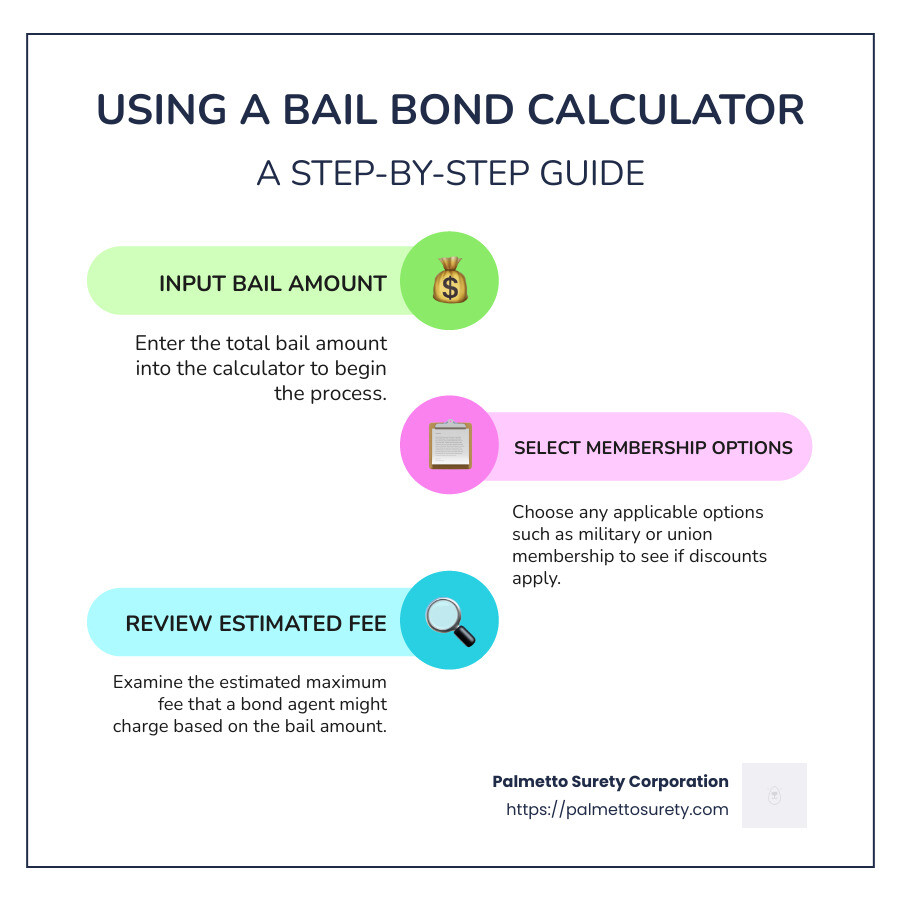
A bail bond calculator is a valuable tool for individuals looking to understand the potential costs involved in posting a bail bond. Knowing these costs is crucial for making informed decisions during challenging times. By entering the bail amount into the calculator, you can quickly determine the maximum fee a bail agent might charge.
Key Takeaways:
- A bail bond calculator helps estimate the total cost of securing bail.
- Input the bail amount for accurate results.
- Understand how fees vary by region and circumstances.
In the bail bond process, a bond agent plays a crucial role. They assist individuals in navigating the complexities of bail procedures and ensure the defendant complies with court commitments. Accurately calculating the bail amount is essential, as it affects how quickly an individual can be released and at what cost. For instance, in states like Connecticut, the cost is clearly defined by law, highlighting the importance of understanding regional differences.
I am Haiko de Poel Jr., an expert in explaining complex financial topics like the bail bond calculator. With experience in branding and digital change, I’ve guided numerous companies in understanding these intricate processes.
Basic bail bond calculator terms:
– how much does a $200 000 bond cost
– how much does a bail bond cost
– how to calculate bail bond
What is a Bail Bond?
A bail bond is a financial agreement that allows a defendant to be released from jail while awaiting trial. This bond acts as a promise that the defendant will appear in court as required. If the defendant fails to appear, the court may forfeit the bail, meaning the bond amount will be lost.
The Agreement
When a person is arrested, the court sets a bail amount. This amount serves as collateral to ensure the defendant returns for their court appearance. A bail bond agent, also known as a bail bondsman, can post bail on behalf of the defendant, usually for a fee. This fee is a percentage of the total bail amount and is non-refundable.
The Defendant’s Role
The defendant must agree to attend all court appearances. This agreement is crucial, as missing a court date can lead to serious consequences, including forfeiture of the bail bond. In such cases, the bail bond agent may hire a bounty hunter to locate and return the defendant to custody.

Court Appearance and Forfeiture
Attending court appearances is a vital part of the bail bond agreement. If the defendant honors this commitment, the bail bond remains in good standing. However, if the defendant fails to appear, the court will issue a warrant for their arrest and declare the bail forfeit. This means the bail bond company loses the money it posted on the defendant’s behalf, and the defendant may face additional charges.
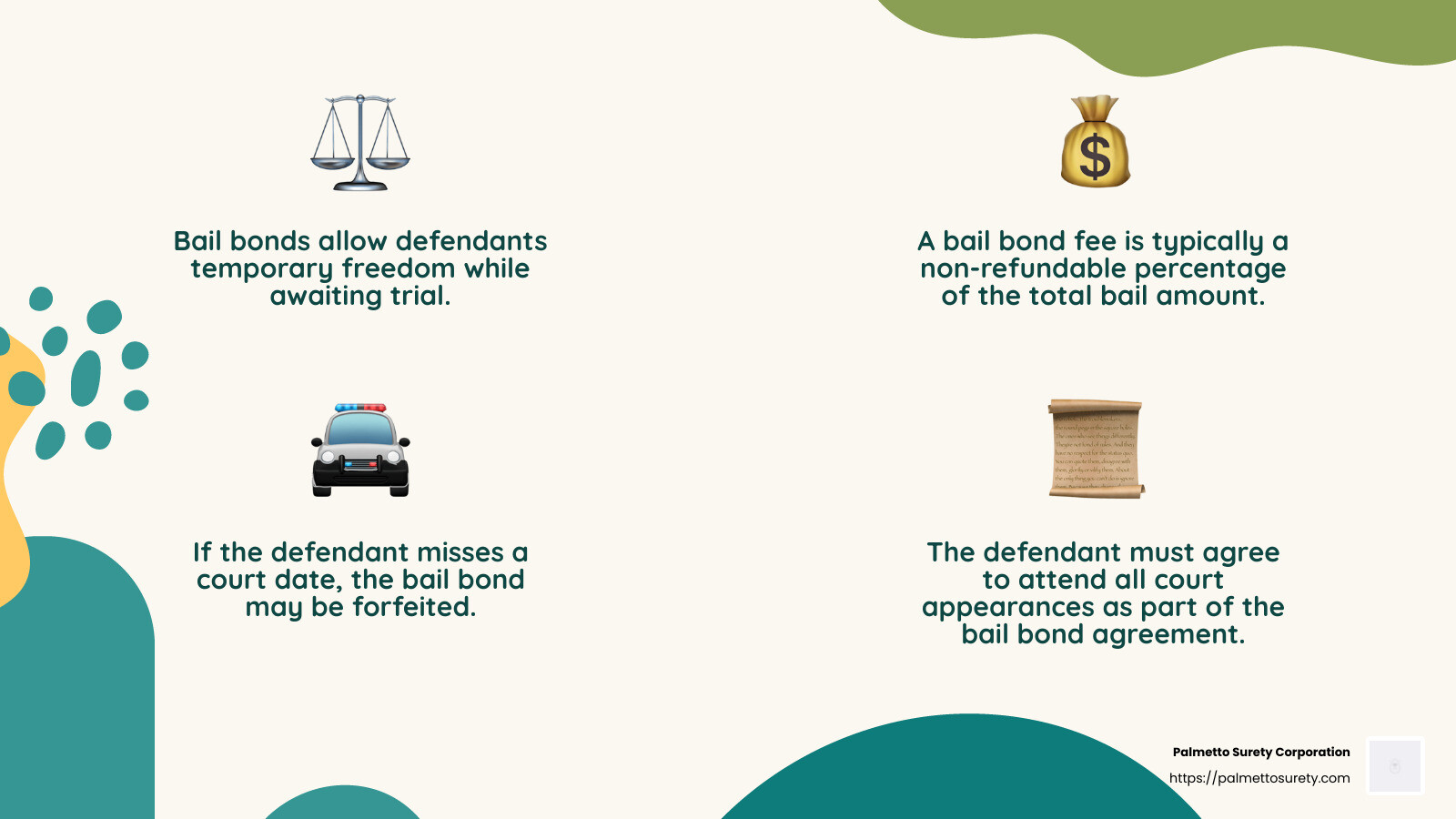
In summary, a bail bond is a financial tool that helps defendants secure temporary freedom while ensuring their commitment to legal obligations. Understanding the terms of this agreement is essential for both the defendant and the bail bond agent.
How Bail Bond Calculators Work
Understanding the Formula
A bail bond calculator is a straightforward tool designed to help you figure out the cost of a bail bond. It simplifies the process by using a basic formula that considers the bail amount set by the court and the fee percentage charged by the bail bond agent.
Here’s the basic formula:
[ \text{Bail Bond Fee} = \text{Bail Amount} \times \text{Fee Percentage} ]
The fee percentage usually ranges between 7% to 10% of the bail amount, but it can vary by state. This percentage is the maximum fee a bail agent can charge. Understanding this formula helps you estimate your financial obligation when securing a bail bond.
Example Calculations
Let’s break down a few scenarios to illustrate how the bail bond calculator works:
-
Scenario 1: Low Bail Amount
-
Bail Amount: $1,000
- Fee Percentage: 10%
Using the formula, the bail bond fee would be:
[ \$1,000 \times 0.10 = \$100 ]
In this case, you would pay $100 to the bail bond agent.
-
Scenario 2: Medium Bail Amount
-
Bail Amount: $5,000
- Fee Percentage: 8%
The calculation would be:
[ \$5,000 \times 0.08 = \$400 ]
Here, the fee is $400.
-
Scenario 3: High Bail Amount
-
Bail Amount: $15,000
- Fee Percentage: 7%
The fee calculation is:
[ \$15,000 \times 0.07 = \$1,050 ]
You’d owe $1,050 to the bail bond agent.
In all these examples, the fee is paid to the bail bond agent and is non-refundable. Some states have specific regulations on the maximum fee percentage that can be charged, which could affect the total cost.
Using a bail bond calculator can help you quickly understand the financial impact of different bail amounts and fee structures. This tool is especially useful for planning and managing your budget during what can be a stressful time.
State-Specific Bail Bond Calculations
Understanding how bail bond calculations work in different states can save you time and money. Each state has its own rules and fee structures. Let’s look at how these calculations work in New York, North Carolina, Louisiana, and Washington.
New York Bail Bond Calculator
In New York, the maximum fee a bail bond agent can charge is structured by the bail amount. For a bond set at $200 or less, the fee is a flat $10. For amounts between $201 and $3,000, the fee is 10% of the bond amount. If the bail is between $3,001 and $10,000, the fee is 10% on the first $3,000 and 8% on the rest. For bonds over $10,000, the fee includes 6% on the amount above $10,000.
This structure ensures that the cost remains reasonable, even for higher bail amounts.
North Carolina Bail Bond Calculator
North Carolina uses a percentage-based system to determine bail bond costs. The fee percentage typically ranges from 7% to 10% of the bail amount. The exact percentage can depend on various factors, such as the severity of the charges and the defendant’s history.
A unique aspect of North Carolina’s system is its return policy. If the court reduces the bail amount after you’ve paid, you might be eligible for a partial refund. This provides some financial relief if the original bail was set too high.
Louisiana Bail Bond Calculator
In Louisiana, the standard amount for bail bond fees is around 12% of the bail amount. This percentage is slightly higher than in other states. Additionally, bond agency fees may apply, covering administrative costs and other services.
These fees are non-refundable, meaning that even if the charges are dropped or the bail is reduced, you still pay the original fee percentage. It’s crucial to understand this before committing to a bail bond agreement in Louisiana.
Washington Bail Bond Calculator
Washington state caps the maximum fee at 10% of the bail amount. This percentage is fairly standard and ensures that defendants aren’t overcharged. The bail bond agent cannot exceed this limit, keeping costs predictable and transparent.
The state’s straightforward approach allows for easy calculation using a bail bond calculator, helping you quickly determine how much you’ll pay based on the bail amount set by the court.
Using a bail bond calculator custom to these state-specific regulations can help you plan effectively and avoid unexpected expenses.
Frequently Asked Questions about Bail Bond Calculators
How much is bail in NY?
In New York, the fee a bond agent can charge is directly tied to the bail amount. For bails set at $200 or less, the maximum fee is a flat $10. For amounts between $201 and $3,000, the fee is 10% of the bail amount. If the bail amount is between $3,001 and $10,000, you pay 10% on the first $3,000 and 8% on the remainder. For bails over $10,000, an additional 6% is charged on the amount above $10,000. This structured fee system ensures costs remain manageable, even for larger bail amounts.
What percentage of a bond do you pay in NC?
In North Carolina, the bond fee is a percentage of the bail amount, typically ranging from 7% to 10%. This percentage can vary based on factors such as the nature of the charges and the defendant’s background. North Carolina also offers a return policy. If the court lowers the bail amount after the fee is paid, you might qualify for a partial refund. This policy provides some financial relief and flexibility in the bail process.
What is the lowest percentage for bail bonds?
While most states have set percentages, some bail bond companies offer flexible payment options. In certain cases, a down payment as low as 1% of the bail amount might be available. This is usually part of a payment plan designed to spread the cost over time, making it easier for defendants to manage financially. However, these plans often depend on the defendant’s creditworthiness and the bond agent’s policies. Always discuss these options with your bond agent to understand all potential costs and arrangements.
Conclusion
Navigating the bail bond process can be challenging, but Palmetto Surety Corporation is here to make it easier. With over 20 years of experience, we specialize in providing quick and efficient service to our clients. Our expertise in surety bonds, combined with our commitment to reliability and transparency, sets us apart in the industry.
Located in Charleston, SC, we pride ourselves on our ability to approve most applications within hours. This rapid approval process ensures that you or your loved one can secure release from custody without unnecessary delays. Our dedicated team works tirelessly to provide the support and guidance you need during this stressful time.
Whether you are dealing with a small bond or a more complex situation, Palmetto Surety Corporation offers a seamless experience. Our network of professional bail agents is ready to assist you, ensuring a smooth and straightforward process.
In conclusion, when it comes to bail bonds, trust in a company that values efficiency, integrity, and client satisfaction. Choose Palmetto Surety Corporation for your bail bond needs and experience the difference that quick approval and exceptional service can make.


