


How to Get Bonded Contractor: 5 Easy Steps in 2024
How to get bonded contractor is a crucial question for those entering the construction industry. Whether you’re aiming for a significant government project or want to assure your clients of your reliability, getting bonded is a necessary step. Here’s a streamlined guide to help you begin:
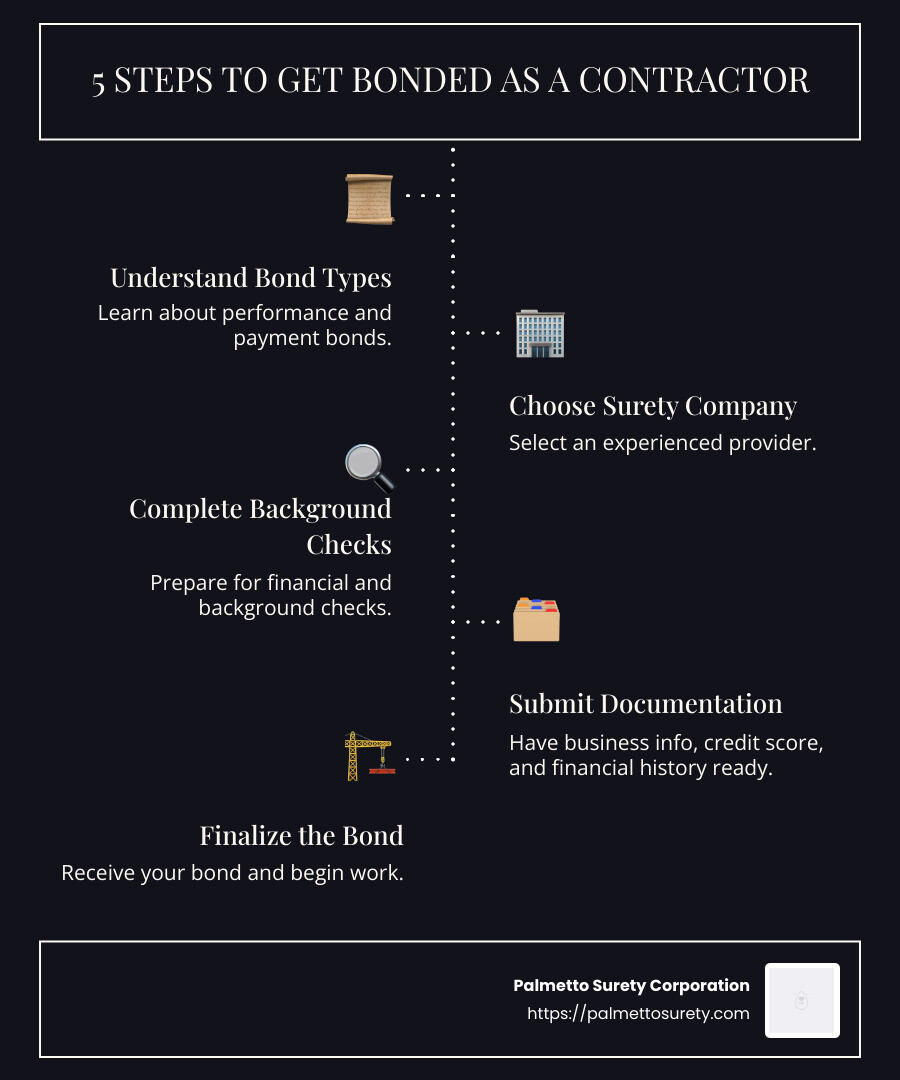
- Understand the Types of Bonds: Performance bonds ensure that work is completed as per the contract, while payment bonds guarantee payment to subcontractors and suppliers.
- Choose a Reputable Surety Company: Opt for an experienced provider like Palmetto Surety Corporation to simplify the process.
- Complete Background Checks: Be prepared for financial and background checks to establish trustworthiness.
- Submit Required Documentation: Have your business information, credit score, and financial history ready.
- Finalize the Bond: Once approved, you’ll receive your bond and can start work with confidence.
Becoming bonded as a contractor is essential for building client trust and ensuring project completion without financial surprises. By obtaining a bond, you demonstrate to clients and partners your commitment to fulfilling contractual obligations.
As Haiko de Poel Jr., I have guided numerous contractors through the complexities of getting bonded, using my expertise to enhance brand strategies in competitive markets. My goal is to simplify the process for businesses, ensuring smooth transitions into projects with the necessary assurances in place.
How to get bonded contractor terminology:
– how to become licensed and bonded contractor
– how to check if a contractor is licensed and bonded
– what is licensed and bonded contractor
Understanding Contractor Bonds
When you hear that a contractor is “bonded,” it means they’ve taken steps to protect clients and themselves. There are different types of bonds, each serving a unique purpose in the construction industry. Let’s break them down:
Types of Contractor Bonds
Surety Bonds
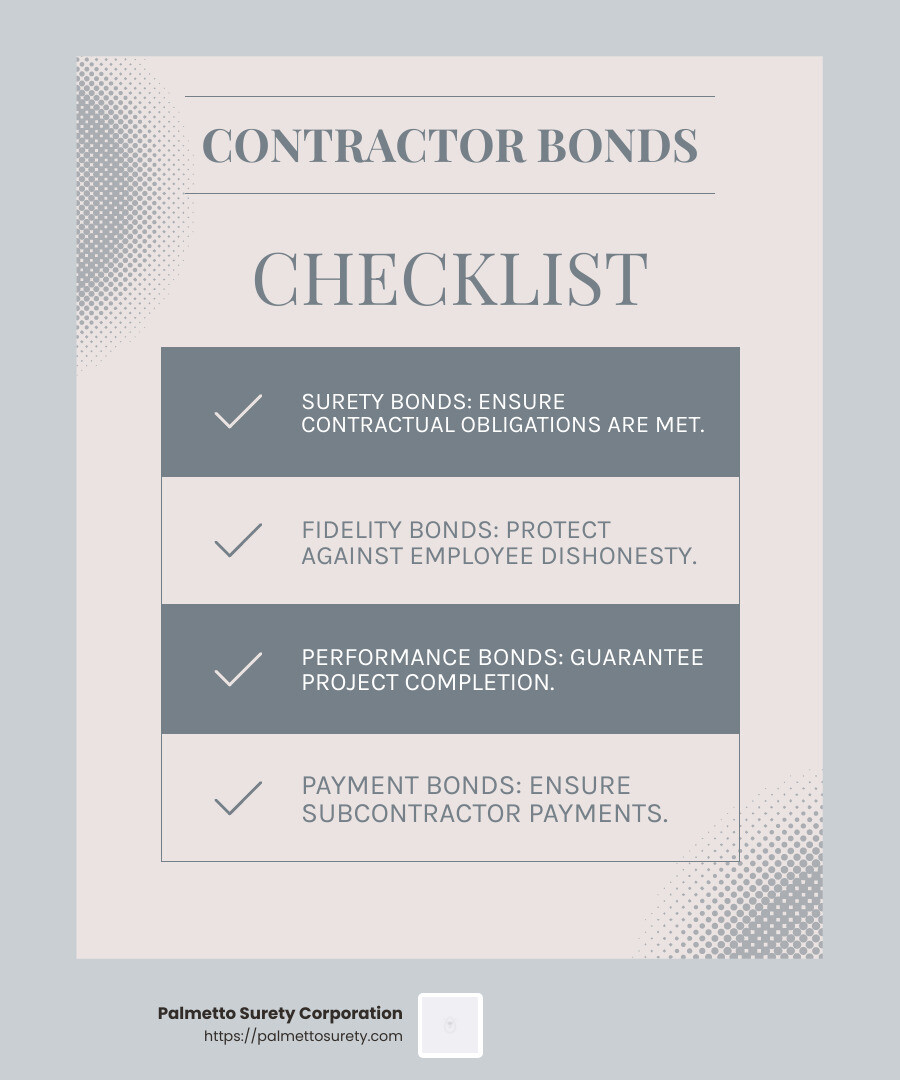
The backbone of contractor bonding. Surety bonds involve three parties: the contractor (principal), the client (obligee), and the surety company. They guarantee that contractors will fulfill their obligations. If they fail, the surety company steps in to cover the loss, ensuring the project stays on track.
Fidelity Bonds
These aren’t a guarantee of performance, but rather they protect against dishonest acts by employees, like theft or fraud. While not always required, fidelity bonds can provide peace of mind, especially in larger companies or projects with multiple workers.
Performance Bonds
A type of surety bond that ensures the contractor will complete the project as agreed. If the contractor doesn’t finish the job, the bond covers the cost to hire someone else to complete it.

Payment Bonds
Another type of surety bond, payment bonds guarantee that subcontractors and suppliers will be paid. This prevents liens against the property and ensures everyone involved in the project gets compensated.
Why Contractors Need Bonds
Bonds aren’t just paperwork; they are essential for several reasons:
-
Public Protection: Bonds protect clients and the public from financial loss if a contractor fails to meet their obligations. This builds trust and credibility.
-
Project Completion: With performance bonds, clients have assurance that projects will be completed, even if the original contractor can’t finish the job.
-
Subcontractor Payment: Payment bonds ensure that all parties involved in a project—subcontractors, suppliers—receive their due payments, preventing disputes and delays.
Bonds act as a safety net, providing financial security and enhancing trust in the contractor-client relationship. This makes them a critical component in the construction industry.
Steps to Get Bonded as a Contractor
Getting bonded is a crucial step for any contractor. It involves a series of steps that ensure you’re ready to meet legal and professional standards. Here’s a simplified guide to help you steer the process:
Step 1: Register Your Business
First things first—register your business with your state’s Secretary of State office. This step establishes your business as a legal entity and is a prerequisite for obtaining a bond. Make sure you have all necessary details, such as your business name and structure, ready for registration.
Step 2: Provide Proof of Education and Experience
Next, you’ll need to provide proof of your education and experience in the construction industry. This documentation typically includes certificates, diplomas, or licenses that verify your qualifications. Demonstrating a solid background assures surety companies and clients of your competence.
Step 3: Obtain Necessary Insurance
Before applying for a bond, secure general liability insurance and, if applicable, workers’ compensation insurance. These coverages protect your business from potential lawsuits or claims, making you a safer bet for surety companies.
Step 4: Pass Required Exams
Many states require contractors to pass specific exams to demonstrate their knowledge and skills. These typically include a business exam and a knowledge exam related to your trade. Preparing for and passing these exams is crucial, as they are often required to complete your bond application.
Step 5: Submit Application and Fees
Finally, fill out the bond application form and pay any licensing fees required by your state or local authorities. The application will typically require a credit check, which helps determine your bond premium. Good credit can often lead to lower costs. Once submitted, your application will be reviewed, and upon approval, you’ll receive your bond.
By following these steps, you’ll be well on your way to becoming a bonded contractor. This not only improves your credibility but also opens up more opportunities in the construction industry.
How to Get a Surety Bond
Securing a surety bond is a vital step for contractors looking to establish credibility and trust in the industry. Here’s how you can steer the process effectively:
Working with a Surety Agent
The first step in getting a surety bond is to work with a surety agent. These professionals act as intermediaries between you and the insurance company providing the bond. A surety agent will guide you through the bond application process, ensuring you understand each step and meet all requirements. They can also help you choose the right type of bond based on your specific needs, whether it’s a performance bond or a payment bond.
Your agent will typically require some basic information about your business, including your financial history and credit score. A credit check is a standard part of the bond application process and helps determine the bond premium you’ll pay. Having a good credit score can significantly lower your bond costs.
Understanding Bond Costs
Bond costs can vary widely based on several factors. The bond amount, or the total coverage amount, is the first determinant. Larger projects usually require higher bond amounts, which in turn can increase the premium.
The bond premium is the percentage of the total bond amount you must pay. This typically ranges from 0.5% to 15%, depending on your credit score, financial stability, and bond history. For instance, a contractor with a strong credit history might pay a lower premium than someone with past financial issues.
Several cost factors can influence your bond premium:
- Credit Score: A higher score can lead to lower premiums.
- Business Financials: A stable financial history can reduce costs.
- Type of Bond: Different bonds have varying risk levels, affecting premiums.
Working with an experienced surety agent can help you steer these factors and find the most cost-effective solution for your business. Being bonded not only fulfills legal requirements but also improves your reputation with clients and partners.
Frequently Asked Questions about Getting Bonded as a Contractor
Are contractors required to be bonded in Texas?
Yes, in Texas, contractors often need to be bonded to obtain a license, especially when working on public projects. This requirement is part of the state’s licensing regulations to ensure that contractors operate with integrity and meet their contractual obligations. A surety bond acts as a safety net for clients, providing financial protection if a contractor fails to complete a project as agreed. By requiring bonds, Texas aims to protect public interests and maintain high standards in the construction industry.
What does it mean when a contractor says they are bonded?
When a contractor claims to be bonded, it typically means they have secured a surety bond. This bond serves as a financial guarantee that the contractor will fulfill their contractual duties. If they fail to do so, the bond provides compensation to the affected parties. Being bonded reassures clients that the contractor is financially responsible and committed to completing the project as promised. It’s an important factor that can influence a client’s decision to hire a contractor, as it offers a layer of protection against potential losses.
How long does it take to get bonded?
The time it takes to get bonded can vary, but the process is generally straightforward. After submitting a bond application with the necessary documentation, such as business financials and credit information, the approval time can range from a few days to a couple of weeks. Working with a surety agent can help streamline the process, as they guide you through each step and ensure all requirements are met. The insurance company providing the bond will conduct a credit check and assess your financial stability before issuing the bond. For contractors with a solid credit history, the process is typically faster, allowing them to secure the bond and move forward with their projects efficiently.
Conclusion
Getting bonded as a contractor is a crucial step in securing your business and ensuring compliance with industry standards. At Palmetto Surety Corporation, we understand the importance of a quick and efficient bonding process. Our streamlined approach allows most applications to be approved within hours, so you can focus on what you do best—running your business.
Our expertise in the construction, manufacturing, transportation, and healthcare industries means we know how to steer the complexities of bonding. We work tirelessly to ensure you get the right bond for your needs, whether it’s a surety bond for a public project or a performance bond to guarantee your work.
Choosing Palmetto Surety Corporation means choosing a partner dedicated to your success. With over 20 years of experience, we are committed to providing exceptional service and support. Our team is here to help you every step of the way, from application to approval.
Ready to get started? Explore our services and experience the Palmetto Surety difference today.


