


Florida Probate Bond: Top 5 Critical Requirements 2024
Understanding Florida Probate Bonds
When dealing with estate administration in Florida, understanding the florida probate bond is crucial. This bond acts as a safeguard, ensuring that the personal representative managing an estate adheres to their duties responsibly.
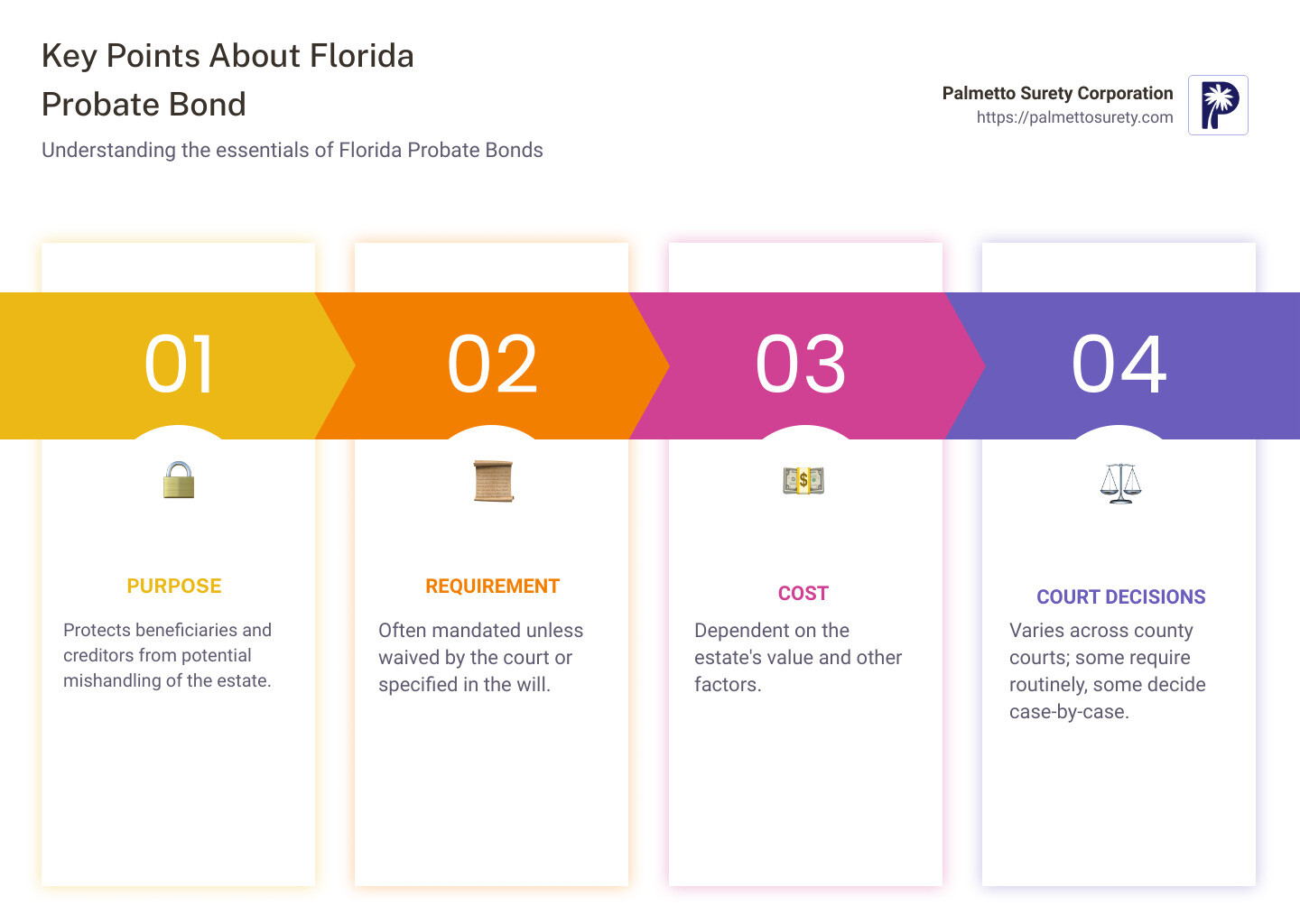
Key Points About Florida Probate Bond:
- Purpose: Protects beneficiaries and creditors from potential mishandling of the estate.
- Requirement: Often mandated unless waived by the court or specified in the will.
- Cost: Dependent on the estate’s value and other factors.
A florida probate bond ensures the personal representative fulfills their fiduciary duties, such as managing assets and paying debts. While some county courts in Florida, like those in Pinellas County, routinely require these bonds, others, such as those in Collier County, may decide on a case-by-case basis. The purpose of this bond is to protect the estate from fraud or mismanagement.
My name is Haiko de Poel Jr, a strategic leader in marketing and digital change. With my extensive background at Palmetto Surety Corporation and in the surety bond industry, I bring a wealth of knowledge to help you steer the complexities of florida probate bond.
Know your florida probate bond terms:
– fl auto dealer bond
– surety bond florida seller of travel
– surety bond tampa
A Florida probate bond is a type of insurance that protects the assets of a deceased person’s estate. This bond is required to ensure the personal representative, who manages the estate, acts responsibly and ethically.
Purpose of a Florida Probate Bond
The primary goal of a probate bond is to protect the estate’s beneficiaries and creditors from any potential mismanagement by the personal representative. This bond acts as a financial guarantee that the estate will be handled according to the law and the decedent’s wishes.

How Does It Protect Beneficiaries and Creditors?
When someone dies, their estate must be managed and eventually distributed to their beneficiaries. The personal representative is responsible for this task. However, there is always a risk that the representative could act negligently or fraudulently.
A probate bond offers a layer of protection against these risks. If the personal representative fails to fulfill their duties, the bond can be claimed to cover any losses incurred by the beneficiaries or creditors.
Who Benefits from a Florida Probate Bond?
- Beneficiaries: These are the individuals who inherit the estate. The bond ensures they receive their rightful inheritance without any undue delays or losses due to mismanagement.
- Creditors: These are entities or individuals to whom the deceased owed money. The bond guarantees that debts will be paid before the estate is distributed to the beneficiaries.

Real-World Example
Consider a scenario where a personal representative misuses estate funds for personal expenses. The beneficiaries and creditors would be financially harmed. In such a case, they can make a claim against the probate bond. The surety company would then compensate for the losses, up to the bond amount.
This ensures that the estate’s assets are protected and distributed according to the decedent’s wishes and legal requirements.
In summary, a Florida probate bond is essential for safeguarding the interests of beneficiaries and creditors, ensuring the estate is managed responsibly. This bond provides peace of mind that the personal representative will fulfill their fiduciary duties ethically and legally.
Requirements for a Florida Probate Bond
Who Needs a Florida Probate Bond?
In Florida, probate bonds are generally required for personal representatives to protect the estate from potential mismanagement. According to Florida Statutes, section 733.403, the bond ensures that the personal representative (the individual managing the estate) fulfills their duties responsibly and in accordance with the law.
However, there are exceptions:
- Banks and Trust Companies: If the personal representative is a bank or trust company authorized by law to act as a personal representative, no bond is required.
- Waiver Conditions: The bond requirement can be waived if an interested party petitions the probate court for a waiver, or if the court decides to do so on its own motion. Even if the decedent’s will states that no bond is required, the court may still order one if deemed necessary.
How is the Bond Amount Determined?
The amount of a Florida probate bond is determined by the probate court and is influenced by several factors:
- Gross Estate Value: The total value of the estate’s assets.
- Relationship to Beneficiaries: The personal representative’s relationship to the beneficiaries (e.g., close family members may be viewed differently than distant relatives).
- Exempt Property: Assets that are exempt from creditors’ claims, such as certain types of personal property.
- Family Allowance: Any financial allowance provided for the decedent’s family.
- Asset Type and Nature: The kinds of assets in the estate (e.g., real estate, stocks, personal property).
- Known Creditors: The number and nature of creditors to whom the estate owes money.
- Liens and Encumbrances: Any existing liens or encumbrances on the estate’s assets.
For example, the annual premium for a $50,000 bond might be approximately $275-$350. This premium is usually reimbursable from the estate’s assets, making it an estate management expense.

In summary, the requirements for obtaining a Florida probate bond involve understanding who needs it and how the bond amount is determined. By ensuring these requirements are met, the estate’s assets are protected, and the personal representative can fulfill their duties responsibly.
The Process of Obtaining a Florida Probate Bond
How Much Does a Florida Probate Bond Cost?
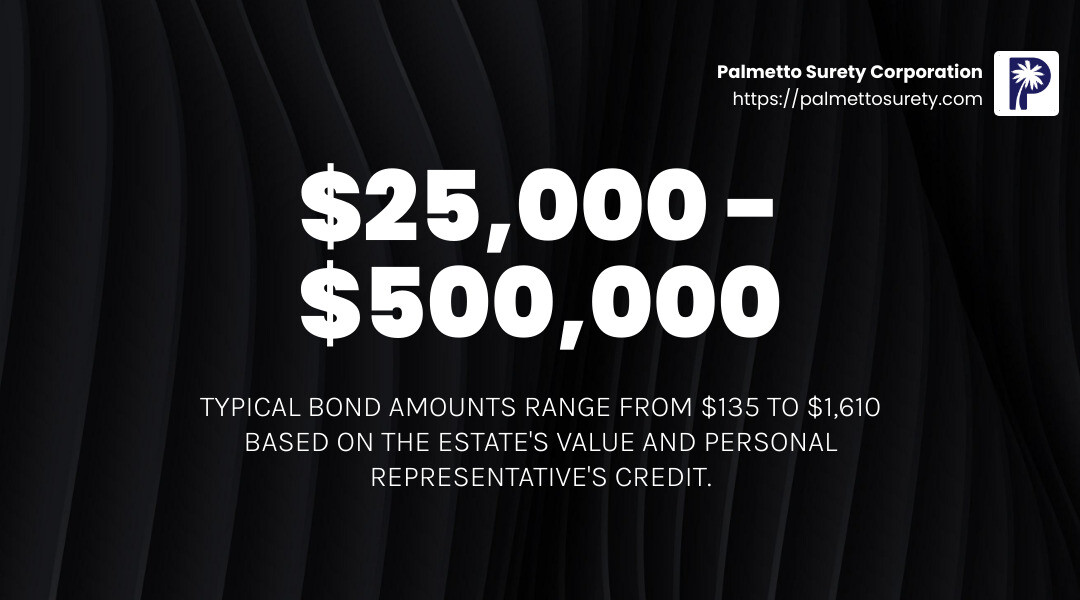
The cost of a Florida probate bond is determined by the bond amount set by the court, which is influenced by the estate’s value and other factors. The bond premium is an annual fee that the personal representative must pay until the estate is settled.
Here’s a tiered structure of sample costs for qualified applicants:
| Bond Amount | Annual Premium |
|---|---|
| $10,000 | $100 |
| $25,000 | $135 |
| $50,000 | $260 |
| $100,000 | $460 |
| $200,000 | $860 |
| $500,000 | $1,610 |
These figures give a general idea of what to expect, but actual premiums can vary based on the personal representative’s credit report and other factors. The premium is typically reimbursable from the estate’s assets, making it an administrative expense.
How to File a Florida Probate Bond
Filing a Florida probate bond involves several steps. Here’s a simplified breakdown:
-
Application: The personal representative must complete a bond application. This can often be done online through a surety company like Palmetto Surety Corporation.
-
Underwriting: The surety company will review the application, which includes evaluating the personal representative’s credit history and the complexity of the estate. This process ensures the applicant is qualified.
-
Issuance: Once approved, the surety company will issue the bond. The bond must include specific details:
- The court where the bond is to be filed
- The name of the deceased individual
- The legal name of the personal representative
- The surety company’s name
- The bond amount
-
The date the bond is signed
-
Submission: The completed bond forms, including the power of attorney, must be submitted to the circuit court with jurisdiction over the estate. Both the personal representative and the surety company need to sign the bond.
By following these steps, the personal representative ensures compliance with Florida’s probate bond requirements, protecting the estate from potential mismanagement.
For more detailed information, you can refer to Florida Statutes, section 733.403.
In the next section, we will address frequently asked questions about Florida probate bonds, including whether Florida requires a probate bond and how long an executor has to settle an estate.
Frequently Asked Questions about Florida Probate Bonds
Does Florida require a probate bond?
Yes, Florida generally requires a probate bond for personal representatives managing an estate. According to Florida Statutes, section 733.402, every fiduciary must be bonded unless the requirement is waived by the court or the will. This bond ensures the personal representative fulfills their duties, protecting the estate and its beneficiaries from potential mismanagement or fraud.
How long does an executor have to settle an estate in Florida?
In Florida, an executor (also known as a personal representative) typically has up to one year to settle an estate. This timeframe can vary depending on the complexity of the estate and any disputes that may arise. It’s crucial for the executor to act promptly and efficiently, as delays can lead to additional costs and potential legal complications. The court can extend this period if necessary, but the goal is to settle the estate as quickly as possible to distribute assets to the beneficiaries.
Can the bond requirement be waived?
Yes, the bond requirement can be waived under certain conditions. According to Florida Statutes, section 733.402(3), the court can waive the bond requirement if it is specified in the will or if the personal representative files a petition to waive the bond. Additionally, banks and trust companies named as personal representatives are typically exempt from the bonding requirement. Each case is unique, so it’s essential to consult with an attorney to understand the specific circumstances under which a bond can be waived.
In the next section, we will summarize the importance of compliance with Florida probate bond requirements and provide contact information for Palmetto Surety Corporation for those seeking further assistance.
Conclusion
In summary, obtaining a Florida probate bond is a vital step for personal representatives managing an estate. This bond acts as a safeguard, ensuring the personal representative performs their duties ethically and efficiently, protecting the estate and its beneficiaries from potential mismanagement or fraud.
Compliance with Florida’s probate bond requirements is crucial. It not only protects the interests of the estate but also helps in avoiding legal complications and additional costs. Whether you’re a personal representative or an interested party in a probate proceeding, understanding and adhering to these requirements can make the probate process smoother and more transparent.
At Palmetto Surety Corporation, we understand the complexities of obtaining a probate bond in Florida. Our team is dedicated to providing exemplary customer support, ensuring you have the guidance and resources needed to steer this process seamlessly. With over twenty years of experience, we offer a direct and digital way to obtain your bond, making it easy to get a quote, fill out your information, and print your bond from your office.
For more information on obtaining a Florida probate bond, or if you have any questions, please reach out to us. You can visit our service page. We are here to help you every step of the way.
Compliance is key. Protect your interests and fulfill your fiduciary duties with confidence by securing a probate bond through Palmetto Surety Corporation.


