


Construction Bonding: Top 10 Essential Facts in 2024
Why Construction Bonding is Crucial for Your Project
Construction bonding plays a vital role in the construction industry by providing financial protection and ensuring project completion. But what exactly is construction bonding?
Quick Answer: What is Construction Bonding?
– A construction bond is a type of surety bond.
– It guarantees that a project will be completed per the contract terms.
– If the contractor fails, the surety company steps in to cover any financial losses.
Overview
Construction bonding, also known as contract bonding, is essential for both public and private construction projects. These bonds protect owners from non-performance, non-payment, and subpar work. Simply put, they act as a financial safety net for project owners.
Detailed Benefits:
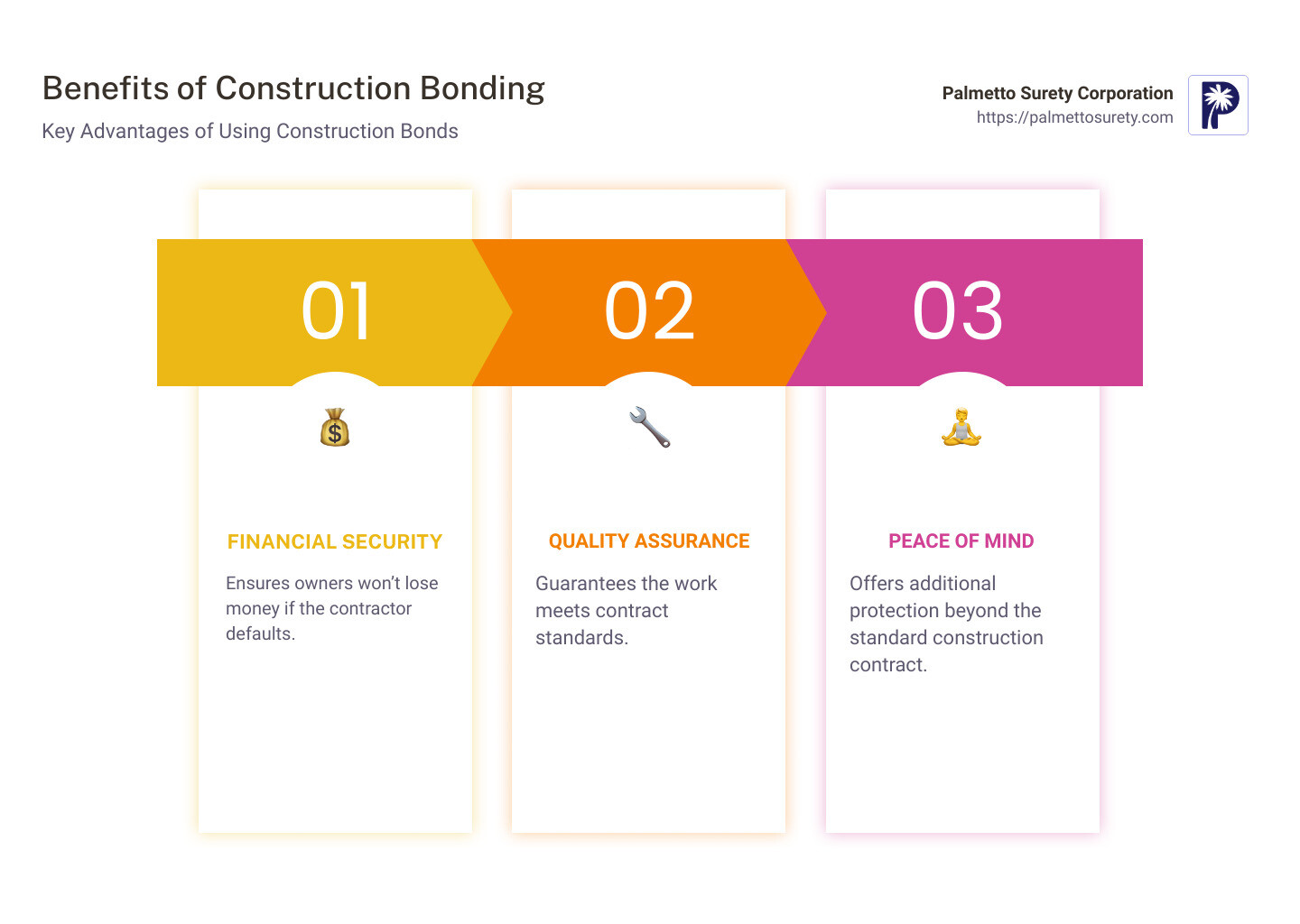
1. Financial Security: Ensures owners won’t lose money if the contractor defaults.
2. Quality Assurance: Guarantees the work meets contract standards.
3. Peace of Mind: Offers additional protection beyond the standard construction contract.
Importance
The importance of construction bonds cannot be overstated. They provide a layer of trust and confidence that is fundamental in the industry. These bonds ensure that contractors complete projects as agreed upon, reducing the risk of financial loss for project owners.
History
Construction bonding has a deep-rooted history. The first evidence of surety bonds dates back to ancient Mesopotamia. However, modern construction bonding practices became more structured in the 20th century, especially with the establishment of acts like the Federal Miller Act, which mandates payment and performance bonds for federal projects.
My name is Haiko de Poel Jr, and with my background in branding, rebranding, and digital marketing strategies, I have helped leading surety bond companies like Palmetto Surety Corporation thrive in competitive markets by simplifying the construction bonding process for clients.
Let’s dive deeper into the specifics of what construction bonds entail and why they are indispensable in the construction industry.

What Are Construction Bonds?
Key Parties Involved
A construction bond is a type of surety bond used in the construction industry to provide financial protection to the project owner (obligee) against potential losses. These losses could arise if the contractor (principal) fails to meet the terms of the contract. The bond ensures that the project will be completed as agreed, or the owner will be compensated for any financial loss.
Let’s break down the key parties involved in this process:
Principal: This is the party responsible for performing the work outlined in the contract. In most cases, the principal is the general contractor or subcontractor. They are the ones who purchase the bond to guarantee their performance.
Obligee: The obligee is the party that requires the bond and is protected by it. This is usually the project owner, which can be a private entity, public agency, or government body. The obligee benefits from the bond because it provides a safety net against potential non-performance or financial issues by the contractor.
Surety Company: The surety company issues the bond and guarantees the contractor’s obligations to the obligee. If the contractor defaults, the surety company steps in to either complete the project or compensate the obligee for the financial loss. The surety company thoroughly assesses the contractor’s financial health and track record before issuing the bond.

Purpose of Construction Bonds
The primary purpose of construction bonds is to ensure that the project owner is protected from financial losses due to contractor default. Here are the main functions:
- Financial Protection: If the contractor fails to complete the project, the bond covers the cost of hiring a new contractor to finish the job.
- Quality Assurance: The bond ensures that the work meets the standards and specifications outlined in the contract.
- Timely Completion: Bonds encourage contractors to complete projects on time, as delays can lead to financial penalties covered by the bond.
How Construction Bonds Work
The process of securing a construction bond involves several steps:
- Application: The contractor applies for a bond through a surety broker or directly with a surety company.
- Underwriting: The surety company evaluates the contractor’s financial health, past performance, and ability to complete the project.
- Issuance: If the surety company is satisfied, they issue the bond, which the contractor provides to the project owner.
- Claim Process: If the contractor fails to meet the contract terms, the obligee can file a claim against the bond. The surety company then investigates and, if the claim is valid, compensates the obligee or arranges for project completion.
By understanding these key elements and parties involved in construction bonds, project owners can better protect their investments and ensure successful project completion.
Next, we’ll explore the different types of construction bonds and their specific purposes.
How Construction Bonds Work
Securing a Construction Bond
Securing a construction bond involves several steps and requires careful preparation. Here’s a simple breakdown of the process:
- Surety Broker: Start by contacting a reputable surety broker. They act as the middleman between you and the surety company. They’ll help you understand the requirements and submit your application correctly.
- Documentation: You’ll need to provide various documents. These might include financial statements, work in progress (WIP) reports, and details about your organizational structure. This helps the surety company assess your financial health and the risk involved.
- Underwriting: Once you submit your documents, the surety company assigns an underwriter to your case. The underwriter evaluates your financial situation, your capacity to complete the project, and your past performance on similar projects.
- Risk Assessment: The underwriter performs a risk assessment. They look at your credit history, financial stability, and project history. Good credit and a strong financial track record improve your chances of approval.
- Indemnity Agreement: If the surety company approves your application, they’ll ask you to sign an indemnity agreement. This agreement states that you (the contractor) will reimburse the surety for any losses or expenses if a claim is made against the bond.
- Bond Issuance: After signing the indemnity agreement and paying the bond premium, the surety company issues the bond. You can then provide this bond to the project owner, fulfilling the contract requirements.
Claims Against a Bond
If something goes wrong during the project, the obligee (project owner) can file a claim against the bond. Here’s how that works:
- Claim Process: The obligee files a claim with the surety company if the contractor fails to meet the contract terms. This could be due to non-completion of work, substandard work, or non-payment to subcontractors and suppliers.
- Surety Investigation: The surety company investigates the claim to verify its validity. They’ll contact the contractor (principal) to get their side of the story and review all relevant documents.
- Surety Actions: If the claim is valid, the surety company has several options:
- Hire a New Contractor: The surety may hire a new contractor to complete the project.
- Compensation: The surety may pay the obligee for any financial losses incurred.
- Payment to Subcontractors: In the case of payment bonds, the surety may directly pay subcontractors or suppliers who were not paid by the contractor.
- Indemnity Agreement: After settling the claim, the surety will seek reimbursement from the contractor as per the indemnity agreement. This means the contractor is responsible for repaying any amounts the surety paid out.
Understanding these processes helps contractors and project owners navigate the complexities of construction bonds and ensures that projects are completed successfully and fairly.
Next, we’ll explore the different types of construction bonds and their specific purposes.
Types of Construction Bonds
Performance Bond
Definition: A performance bond ensures that the contractor completes the project according to the contract terms. It replaces the bid bond once the contractor starts working.
Purpose: It protects the project owner from financial loss if the contractor’s work is subpar or incomplete. For example, if the contractor pours only four inches of concrete instead of the required six, the bond covers the cost to fix it.
Claim Process:
1. The project owner identifies a defect.
2. The owner files a claim with the surety company.
3. The surety investigates and, if valid, pays for the necessary corrections.
Payment Bond
Definition: A payment bond guarantees that the contractor will pay all workers, suppliers, and subcontractors.
Purpose: It prevents liens against the property by ensuring everyone involved gets paid. This bond is often required along with a performance bond.
Claim Process:
1. A subcontractor or supplier isn’t paid.
2. They file a claim with the surety company.
3. The surety investigates and, if valid, compensates the claimant.
Bid Bond
Definition: A bid bond is submitted during the bidding process to assure the project owner that the contractor can fulfill the contract terms if selected.
Purpose: It ensures that the winning contractor won’t back out and will secure a performance bond.
Claim Process:
1. The contractor backs out after winning the bid.
2. The project owner files a claim with the surety company.
3. The surety pays the difference between the defaulting contractor’s bid and the next lowest bid.
Maintenance Bond & Warranty Bond
Definition: These bonds ensure the project remains free of defects for a specified period after completion.
Purpose: They provide assurance that any issues arising within the bonding period will be fixed by the contractor.
Claim Process:
1. A defect is found during the bonding period.
2. The project owner files a claim with the surety company.
3. The surety pays for necessary repairs if the contractor fails to fix the defect.
Mechanics Lien Bond
Definition: A mechanics lien bond removes a mechanics lien from the property and attaches it to the bond instead.
Purpose: It protects the property owner from liens, making it easier to sell or refinance the property.
Claim Process:
1. A lien is placed on the property.
2. The property owner files a mechanics lien bond.
3. The claim is transferred from the property to the bond.
Subdivision Bond
Definition: A subdivision bond ensures that a contractor will make agreed-upon improvements in a subdivision, like sidewalks or utilities.
Purpose: It guarantees that the contractor will meet local government standards for the development.
Claim Process:
1. The contractor fails to meet standards.
2. The local government files a claim with the surety company.
3. The surety pays for the necessary improvements.
Supply Bond
Definition: A supply bond guarantees that the supplier will provide the required materials for the project.
Purpose: It ensures there are no delays due to unavailable materials.
Claim Process:
1. The supplier fails to deliver materials.
2. The project owner files a claim with the surety company.
3. The surety pays for the cost of obtaining materials elsewhere.
Completion Bond
Definition: A completion bond guarantees that the project will be finished on time and within budget.
Purpose: It provides extra assurance that the project won’t be delayed or go over budget.
Claim Process:
1. The contractor fails to complete the project.
2. The project owner files a claim with the surety company.
3. The surety pays for the completion of the project.
Retention Bond
Definition: A retention bond allows the project owner to release retained funds to the contractor before the project is fully completed.
Purpose: It provides the contractor with needed funds while assuring the owner that the work will be finished.
Claim Process:
1. The project isn’t completed.
2. The project owner files a claim with the surety company.
3. The surety reimburses the owner for the retained funds.
Understanding these different types of construction bonds helps project owners and contractors ensure that projects are completed smoothly, on time, and within budget. Next, let’s look at the benefits of construction bonding.
Benefits of Construction Bonding
Construction bonding offers several key benefits that make it an essential part of the construction industry. Here are the primary advantages:
Financial Protection
Construction bonds provide robust financial protection for all parties involved. For project owners, these bonds ensure that they won’t suffer financial losses if the contractor fails to complete the project or deliver quality work.
- Performance Bonds: These guarantee that the contractor will fulfill their obligations as specified in the contract. If they fail, the surety company steps in to cover the costs.
- Payment Bonds: These protect subcontractors and suppliers by ensuring they get paid even if the contractor defaults.
This financial safety net makes it easier for project owners to take on large and complex projects without the risk of financial ruin.
Building Trust
Construction bonds help build trust between contractors, project owners, and other stakeholders. When a contractor is bonded, it signals that they are financially stable and capable of completing the project.
- Bid Bonds: These assure project owners that the contractor is serious and has the financial backing to undertake the project.
- Completion Bonds: These give lenders and investors confidence that the project will be completed on time and within budget.
This trust is crucial for securing high-value contracts and establishing long-term business relationships.
Ensuring Project Completion
One of the most significant benefits of construction bonding is the assurance of project completion. Various bonds ensure that the project will be completed as agreed, even if unforeseen events occur.
- Completion Bonds: These guarantee the entire project will be finished, not just specific parts of it.
- Retention Bonds: These replace withheld funds, ensuring that contractors have the cash flow needed to complete the project.
This assurance is invaluable for project owners, as it mitigates the risk of delays, additional costs, and incomplete work.
In summary, construction bonding provides financial protection, builds trust, and ensures project completion. These benefits make it a cornerstone of successful construction projects. Next, let’s delve into the requirements for obtaining a construction bond.
Requirements for Construction Bonds
To secure a construction bond, your company must meet several key requirements. These include demonstrating financial health, providing necessary documentation, and understanding your bonding capacity.
Financial Health
Surety companies assess your financial health to determine your bond worthiness. They look for:
- Good Credit Scores: A strong personal and business credit score is crucial. Surety companies prefer applicants with good credit because they are seen as less likely to default.
- Solid Financial Statements: Your company’s financial statements should show a healthy net worth and profitability. This includes balance sheets, income statements, and cash flow statements.
- No Bankruptcies: A history free of bankruptcies or significant financial issues helps in securing a bond.
Documentation
Proper documentation is essential when applying for a construction bond. Here’s what you typically need:
- Completed Bond Application: This form provides details about your business and the specific bond requirements.
- Project Details: Information about the project, including the contract amount and scope of work.
- Financial Statements: Recent financial statements that reflect your company’s financial health.
- Credit Reports: Personal and business credit reports to assess creditworthiness.
Bonding Capacity
Bonding capacity refers to the maximum amount of bond coverage a surety company will provide to a contractor. It includes:
- Single Bond Limit: The highest value for a single bond.
- Aggregate Bond Limit: The total value of all bonds a contractor can have at one time.
If you’re close to your bonding capacity, you may need to complete existing projects before bidding on new ones. This ensures that you stay within your limits and maintain eligibility for future bonds.
By meeting these requirements, your company can secure the construction bonds necessary to bid on and complete projects successfully. Next, let’s explore the different types of construction bonds in detail.
Frequently Asked Questions about Construction Bonding
What is the difference between a performance bond and a completion bond?
A performance bond ensures that a contractor completes a project according to the contract terms. If the contractor fails, the bond covers the cost to hire another contractor to finish the job. For instance, if a contractor only pours four inches of concrete instead of the six inches specified, the performance bond will cover the cost to correct this mistake.
A completion bond, on the other hand, guarantees that the project will be finished by the agreed-upon date and at the agreed-upon price. It also ensures there are no issues like mechanics liens from subcontractors. Essentially, while a performance bond focuses on the quality and specifics of the work, a completion bond focuses on the timely and complete delivery of the project.
How does a contractor apply for a construction bond?
Applying for a construction bond involves several steps:
- Contact a Surety Broker: The first step is to find a reliable surety broker who can guide you through the process.
- Submit Documentation: You’ll need to provide detailed information about your business, including financial statements, project details, and your credit history.
- Underwriting: The surety company will evaluate your bond worthiness. This includes assessing your financial health, credit score, and past project performance.
- Receive Quote: Once evaluated, the surety company will provide a quote for the bond premium, typically a small percentage of the bond’s total value.
- Pay the Premium: After agreeing to the terms, you pay the premium, and the surety company issues the bond.
For bonds under $250,000, the process is usually quicker, involving a simple form and a credit check. Larger bonds require more in-depth scrutiny.
What happens if a contractor defaults on a construction bond?
If a contractor defaults on a construction bond, the surety company steps in to address the issue. Here’s how it typically unfolds:
- Claim Filed: The project owner (obligee) files a claim with the surety company, detailing the contractor’s failure to meet the contract terms.
- Investigation: The surety company investigates the claim to determine its validity. This process ensures that the claim is legitimate and not a result of misunderstandings or minor issues.
- Resolution: If the claim is valid, the surety company has a few options:
- Hire a New Contractor: The surety may hire a new contractor to complete the project.
- Financial Compensation: The surety may compensate the project owner for the financial loss incurred due to the default.
- Corrective Actions: In some cases, the surety may work with the original contractor to correct the issues and complete the project.
Both the contractor and the surety are held liable for the default. The surety will seek reimbursement from the contractor for any costs incurred in resolving the claim. This creates a strong incentive for contractors to fulfill their obligations and avoid defaults.
Understanding these FAQs can help you navigate the complexities of construction bonding with confidence. Next, we’ll explore the various types of construction bonds in detail.
See also our other articles:
Navigating the World of Construction Bonds: A Beginner’s Guide
What is a Construction Bond and How Does it Work?
Conclusion
In summary, construction bonding is a crucial part of the construction industry. It provides financial protection, ensures project completion, and builds trust between contractors and project owners. By understanding the different types of bonds, including performance, payment, bid, and completion bonds, you can better navigate your construction projects and mitigate risks.
We at Palmetto Surety Corporation are here to help you every step of the way. With over twenty years of experience, we offer exemplary customer support and cutting-edge technology to make the bonding process easy and efficient. Our dedicated support team is available 24/7 to ensure your needs are met promptly and professionally.
If you need assistance with securing a construction bond or have any questions about the process, don’t hesitate to reach out to us. Visit our Surety Bonds page for more information or contact us directly at (866) 372-0827.
Let’s build a strong foundation for your construction projects together.


