


What Party Does the Surety Bond Protect From? Top 3 Secrets Revealed
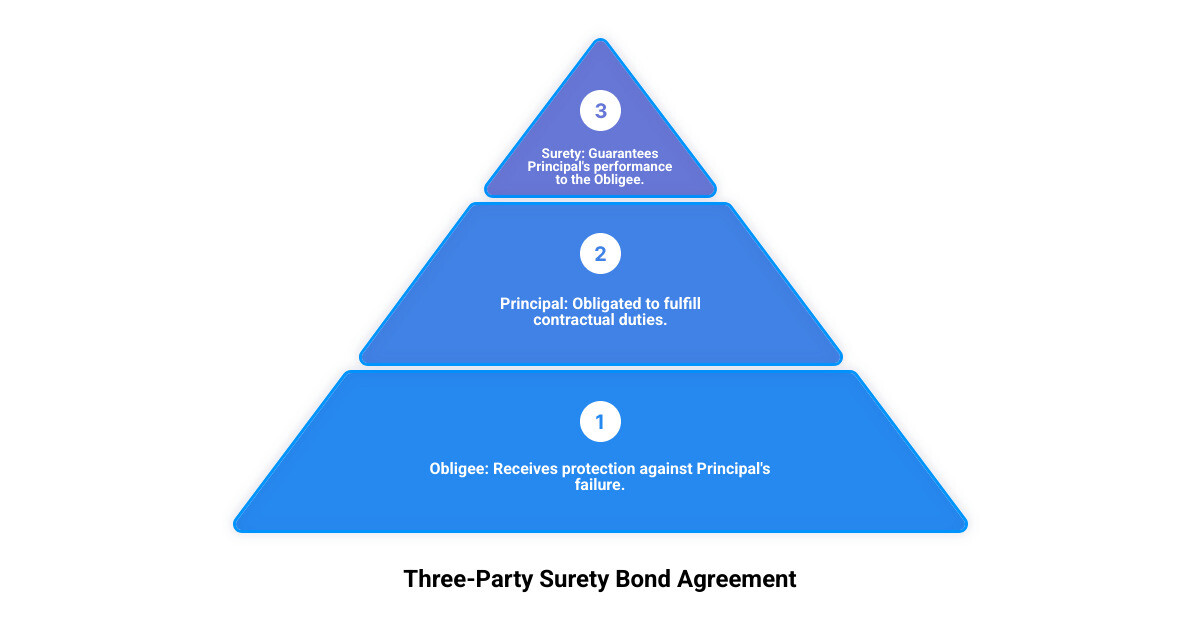
Surety bonds are vital instruments in the business landscape, offering security and assurance in contractual engagements. In the three-party agreement that defines every surety bond, the primary protection is afforded to the Obligee, the party that requires a guarantee of performance or payment. This agreement includes:
- The Obligee: The party that receives protection if the principal fails to fulfill their obligations.
- The Principal: The party that secures the bond to ensure their obligations are met.
- The Surety: The entity that guarantees the principal will fulfill their contractual duties.
The surety bond serves as a safeguard for the Obligee against risks and potential losses resulting from the Principal’s failure to uphold their contractual commitments. This arrangement ensures project continuity and financial compensation in the event of a default.
As Haiko de Poel Jr, I have dedicated my career to demystifying complex topics like the protection offered by surety bonds. During my tenure at Palmetto Surety Corporation, I played a pivotal role in rebranding a leading surety bond company, gaining invaluable insights into this industry.
Simple what party does the surety bond protect from glossary:
What Party Does the Surety Bond Protect From?
Surety bonds are essential tools in managing risk and ensuring contractual compliance. They primarily protect the Obligee from potential losses that could arise if the Principal fails to fulfill their obligations. Let’s delve into the roles of the key players in this agreement: the Obligee, the Principal, and the Surety.
Understanding the Obligee
The Obligee is the party that requires the surety bond. This party could be a government agency, a private company, or any entity requiring a guarantee that the Principal will perform as agreed. If the Principal fails to meet their obligations, the Obligee can claim compensation through the surety bond, thus ensuring they do not suffer losses.
For instance, consider a public construction project where the local government (Obligee) requires a contractor (Principal) to secure a surety bond. This bond reassures the government that the contractor will complete the project as specified, safeguarding public interests.
Role of the Principal
The Principal is the party that purchases the bond to guarantee the fulfillment of their contractual duties. This could be a contractor, a business, or an individual engaged in a project or service. The Principal’s responsibility is to adhere to the terms of the contract, and the bond serves as a form of reassurance for the Obligee.

However, should the Principal fail to meet their contractual obligations, they face potential claims against the bond. In such events, the Principal is also responsible for reimbursing the Surety for any payouts made to the Obligee, as stipulated in the indemnity agreement.
The Surety’s Role
The Surety acts as the guarantor, assessing the Principal’s capability to fulfill the contract and providing the bond as a financial assurance. If the Principal defaults, the Surety compensates the Obligee for their losses up to the bond’s limit and then seeks reimbursement from the Principal as per the indemnity agreement.
In summary, the surety bond is a critical financial instrument that protects the Obligee from the risks associated with the Principal’s potential failure to meet contractual obligations, ensuring stability and continuity in business and public projects.
Types of Surety Bonds and Their Protected Parties
Surety bonds are diverse, each designed to safeguard specific parties against breaches of contract or non-compliance with regulations. Here we explore contract surety bonds and commercial surety bonds, the primary categories of these bonds.
Contract Surety Bonds
These bonds are prevalent in the construction industry, ensuring that contractors (Principals) meet their obligations to project owners (Obligees). Key types include:
-
Bid Bond: Ensures that a contractor awarded a bid will enter into a contract and furnish a performance bond, thus protecting the Obligee from financial loss.
-
Performance Bond: Assures the Obligee of the completion of the project according to contractual terms. If the contractor fails, the Surety may complete the project or compensate the Obligee.
-
Payment Bond: Guarantees that subcontractors and suppliers are paid, protecting the Obligee from claims and liens against the project.
-
Warranty Bond (Maintenance Bond): Ensures against defects in workmanship or materials for a specified period post-completion, safeguarding the Obligee from future liabilities.
Commercial Surety Bonds
These bonds cover a broader spectrum of obligations and protect various parties depending on the bond type:
-
License and Permit Bonds: Required by governments for certain businesses, ensuring adherence to laws and regulations. For example, a contractor’s license bond protects the public by ensuring compliance with building codes.
-
Court Bonds: Ensure that individuals comply with court directives, such as an executor managing an estate according to the will’s terms, thus protecting the estate’s beneficiaries.
-
Fiduciary Bonds: Protect beneficiaries from potential mismanagement of an estate or trust.
-
Public Official Bonds: Ensure that public officials perform their duties honestly and faithfully, protecting the public from malfeasance.
-
Miscellaneous Bonds: Include various other obligations, such as utility bonds, which guarantee payment for utilities, protecting utility companies from default.
Each type of commercial surety bond is designed to protect the Obligee from losses that may arise from the Principal’s failure to adhere to legal or contractual obligations.
How Surety Bonds Work
The Process of Claiming a Surety Bond
Surety bonds are a powerful tool for guarantee and financial protection. They ensure that the Principal fulfills their obligations to the Obligee. But what happens when the Principal doesn’t hold up their end of the bargain? This is where the process of claiming a surety bond comes into play.
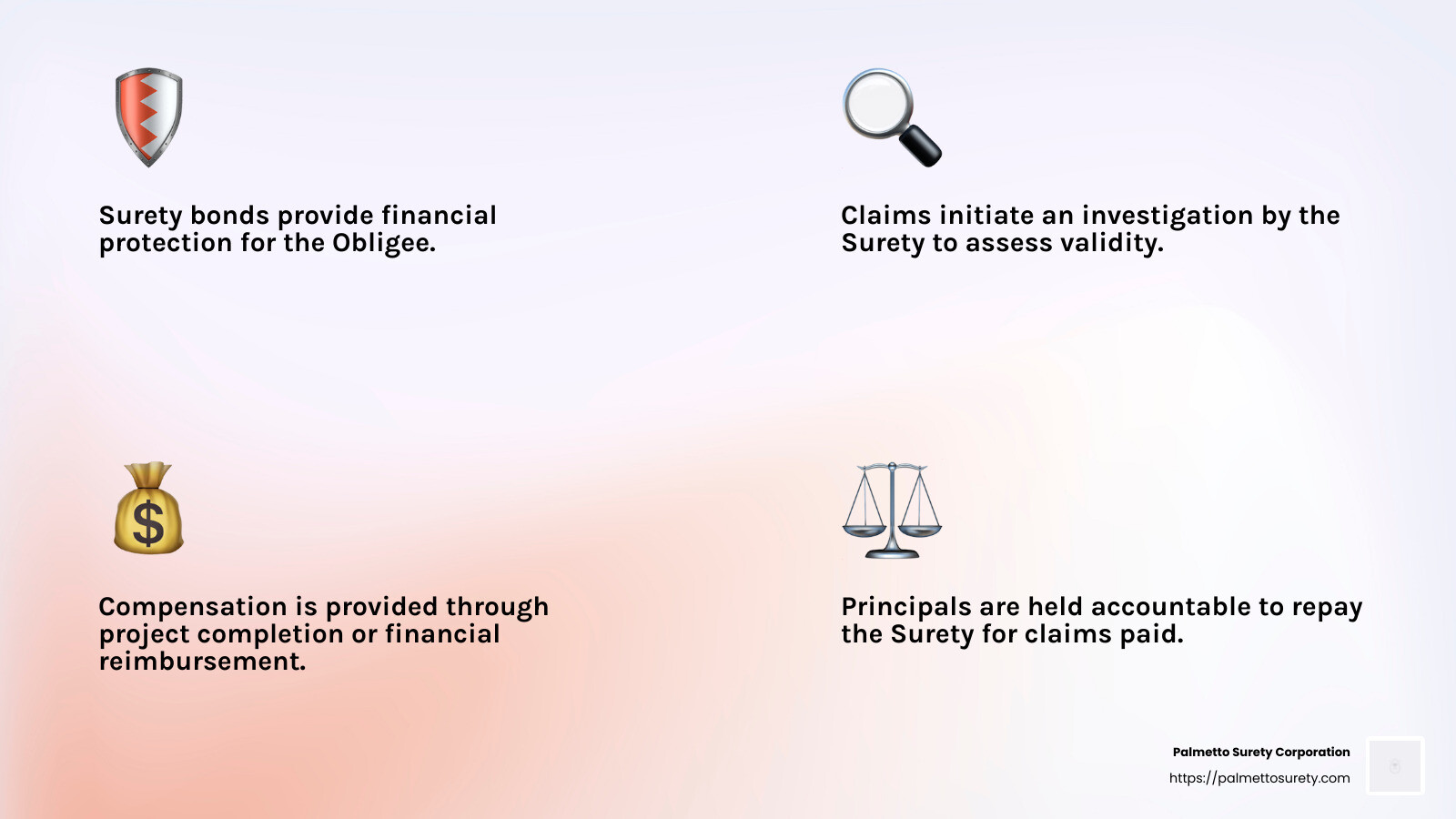
When a Principal defaults, the Obligee can file a claim against the bond. This triggers an investigation by the Surety. The Surety’s role is to determine the validity of the claim. They assess whether the Principal truly failed to meet their obligations. This step is crucial in ensuring that claims are legitimate and not merely disputes.
If the claim is found to be valid, the Surety steps in to provide compensation. This can happen in two ways:
-
Completion: The Surety may take over the project, ensuring it gets finished as per the original contract. They might hire a new contractor to complete the work.
-
Financial Compensation: The Surety could also choose to compensate the Obligee for the financial loss incurred due to the Principal’s default. This compensation cannot exceed the bond amount.
While the Surety provides immediate relief to the Obligee, the Principal is ultimately responsible for repaying the Surety. This is a unique aspect of surety bonds, which distinguishes them from traditional insurance.
The surety bond process offers a safety net for the Obligee, ensuring they are protected from financial loss. It also holds the Principal accountable, reinforcing the importance of fulfilling contractual commitments.
Understanding this process is key to recognizing what party does the surety bond protect from and how it safeguards interests in various scenarios. This knowledge empowers Obligees to take necessary actions when obligations are unmet and ensures Principals are aware of the consequences of defaulting.
Frequently Asked Questions about Surety Bonds
What is a Surety Bond Jail?
The term “Surety Bond Jail” can be a bit misleading. It’s not a literal jail. Instead, it refers to situations where a surety bond is required to release someone from a legal or contractual obligation. For example, in the legal world, a court may require a surety bond to ensure a defendant attends all court dates. If the defendant doesn’t show up, the bond covers the financial penalties.
Think of it like a safety net. It ensures that obligations are met, or there’s financial backup if they aren’t.
How Does a Surety Bond Work?
A surety bond is like a promise. It’s a contract among three parties:
- Principal: The one who needs the bond. They are responsible for fulfilling the obligation.
- Obligee: The party requesting the bond. They receive protection if the Principal fails.
- Surety: The company providing the bond. They guarantee the Principal’s performance.
If the Principal doesn’t meet their obligation, the Obligee can file a claim. The Surety investigates to confirm the claim’s validity. If valid, the Surety compensates the Obligee, either by completing the work or providing financial compensation. The Principal must then repay the Surety.
This setup ensures that the Obligee is protected from loss and holds the Principal accountable.
What are Surety Bond Requirements?
To get a surety bond, the Principal must meet certain requirements. Here’s what typically happens:
-
Application: The Principal applies for the bond. This involves providing detailed information about their financial stability and the nature of the obligation.
-
Underwriting: The Surety evaluates the Principal’s ability to fulfill the obligation. They assess credit history, financial statements, and past performance.
-
Indemnity Agreement: The Principal signs this agreement, pledging to repay the Surety for any claims paid out.
-
Premium Payment: The Principal pays a premium, usually a percentage of the bond amount. This can range from 0.5% to 15%, depending on risk factors.
Meeting these requirements is crucial to securing a bond. It demonstrates the Principal’s commitment and ability to meet their obligations, providing peace of mind to the Obligee.
Conclusion
At Palmetto Surety Corporation, we’re dedicated to providing quick and efficient surety bond services, especially across the southeastern United States. Our expertise spans over 20 years, focusing on diverse industries like construction, manufacturing, transportation, and healthcare. Whether you need a commercial surety bond or a court surety bond, our team is ready to assist.
Our process is designed to be seamless and fast. Most applications are approved within hours, ensuring that you can focus on your core business activities without unnecessary delays. This quick service is part of what sets us apart and makes us a trusted partner for businesses and individuals alike.
Being headquartered in Charleston, SC, we understand the unique needs of the southeastern market. We aim to provide solutions that not only meet regulatory requirements but also offer peace of mind and financial protection.
If you’re looking for a reliable surety bond provider, consider Palmetto Surety Corporation. We’re here to help you steer the complexities of surety bonds with confidence and ease.
Explore our services and learn more about how we can support your business by visiting our website.


