


Payments on a Surety Bond Would Be Made to the Top 3 Benefits 2025
Understanding Surety Bonds
Surety bonds play a crucial role in various industries by providing a financial safety net and ensuring that parties meet their contractual obligations. These bonds are structured as a three-party contract involving:
-
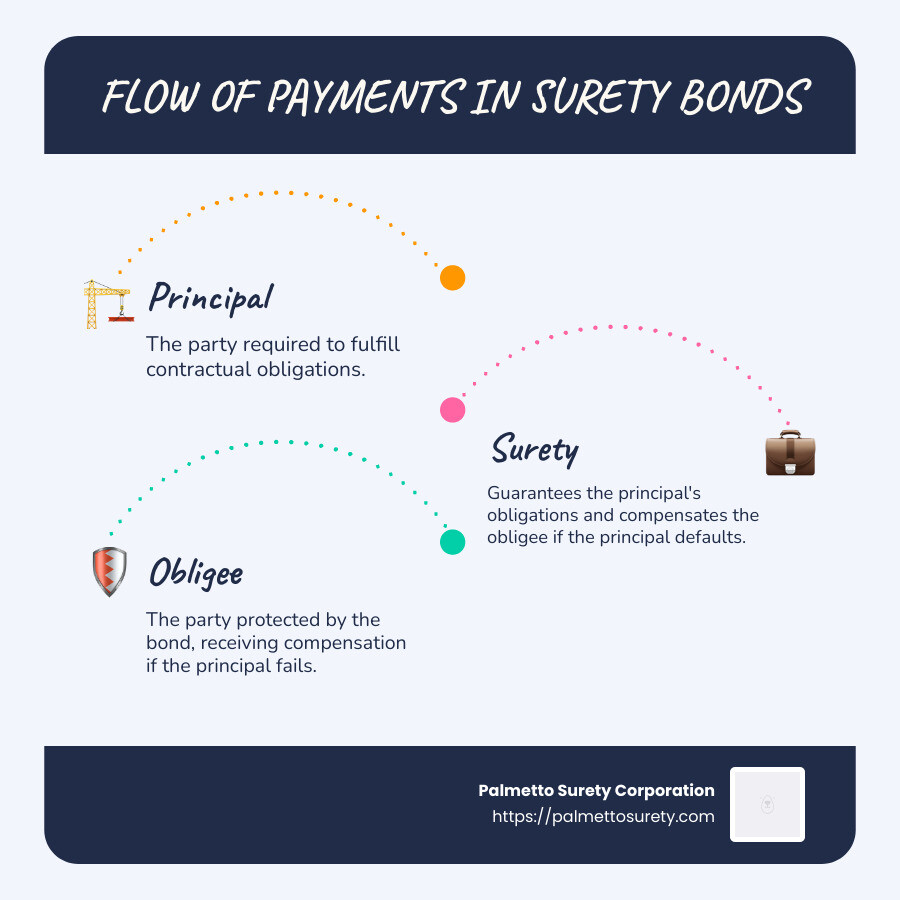
Principal: This is the party that requires the bond, typically a contractor or business owner with obligations to fulfill. The principal must perform the duties outlined in the contract. If they fail, they could face financial consequences.
-
Obligee: This is the party that receives the protection, often a project owner or governmental entity. They require the bond to ensure the principal completes their obligations. If the principal defaults, the payments on a surety bond would be made to the obligee to cover any losses.
-
Surety: The surety acts as a financial backer, often an insurance company, guaranteeing the principal’s obligations. If the principal fails, the surety steps in to compensate the obligee. However, the principal must repay the surety for any claims paid out.
How It Works
Consider a construction project where a developer (the obligee) hires a contractor (the principal) to build a new school. The local government requires the contractor to obtain a surety bond. If the contractor doesn’t complete the work, the surety compensates the developer, ensuring the project can continue without financial loss.
This system builds trust by reassuring the obligee that they won’t suffer financially if the principal doesn’t fulfill their obligations. Meanwhile, the surety assesses the principal’s ability to perform before issuing the bond, reducing the risk for everyone involved.
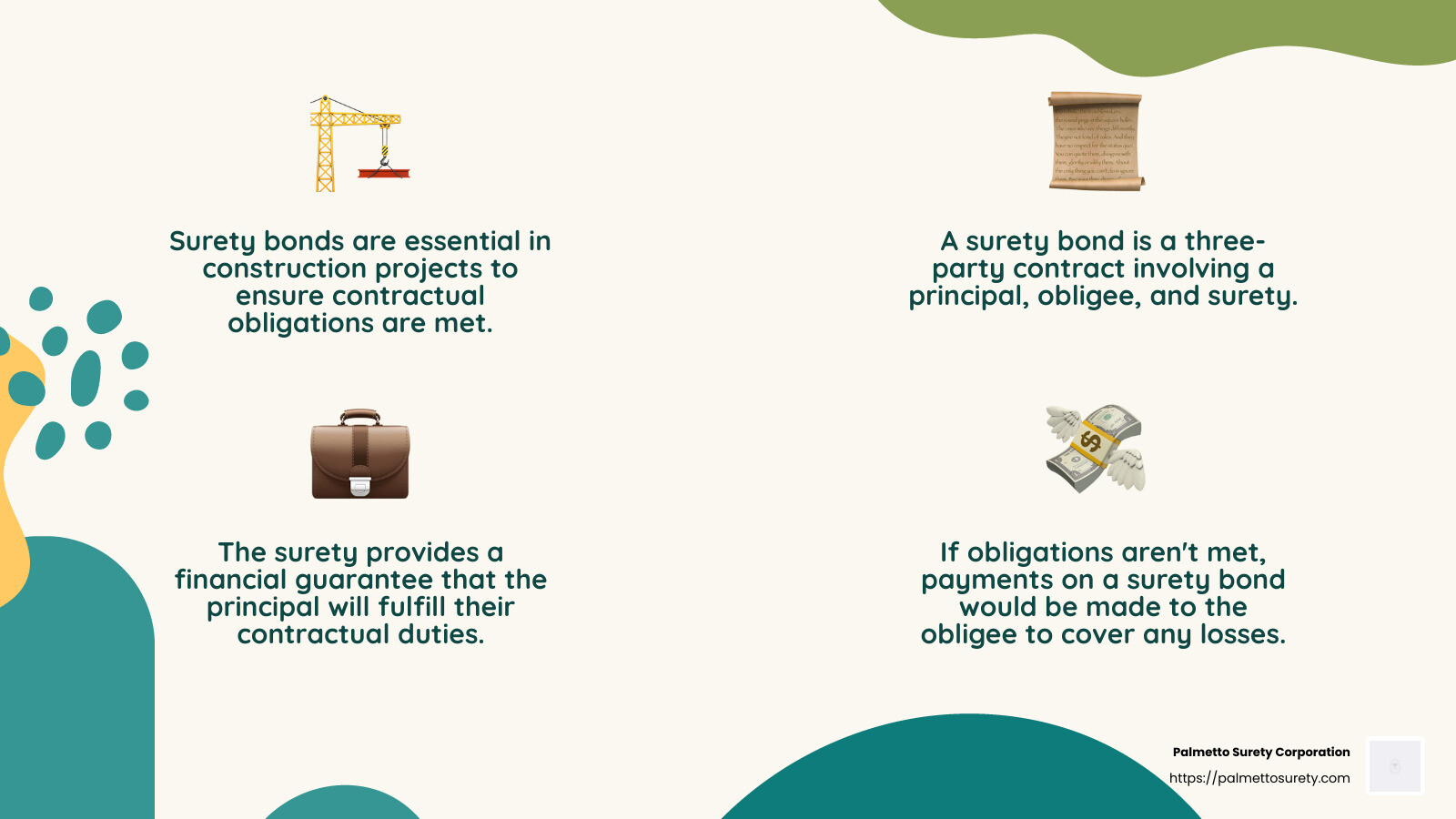
Understanding these roles and processes helps businesses and individuals navigate the complexities of surety bonds. It ensures all parties are protected, and projects proceed smoothly. This is why surety bonds are a cornerstone in sectors like construction, licensing, and more.

Payments on a Surety Bond Would Be Made To
The Role of the Obligee
In a surety bond arrangement, the obligee is the party that requires protection. Typically, this is a project owner or a government agency. Their main concern is ensuring that the project or obligation outlined in the contract is completed as promised. If the principal (like a contractor) fails to meet these obligations, the payments on a surety bond would be made to the obligee. This compensation covers any financial loss they might incur due to the principal’s failure to perform. This financial protection is crucial as it indemnifies the obligee, ensuring that they can proceed with the project without bearing unexpected costs.
The Role of the Principal
The principal is the party responsible for fulfilling the contract’s obligations. Usually, this is a contractor or a business owner. They must deliver on their promises, such as completing a construction project on time and to the agreed standards. The surety bond acts as a performance guarantee, ensuring the principal meets these obligations. If the principal fails, they not only risk financial penalties but also damage to their reputation. Importantly, if a claim is made, the principal must reimburse the surety for any compensation paid to the obligee. This ensures that the principal remains accountable for their commitments.
The Role of the Surety
The surety is the entity that issues the bond, often an insurance company. Their role is to provide a financial safety net by guaranteeing the principal’s performance. Before issuing a bond, the surety conducts a financial assessment of the principal to evaluate their ability to meet the contract’s obligations. This evaluation helps minimize risks. If the principal defaults, the surety compensates the obligee, ensuring that the project can continue without financial disruption. However, the principal is required to repay the surety for any claims settled, making the relationship one of credit rather than insurance. This ensures that the surety bond system is fair and balanced, protecting all parties involved.
Types of Surety Bonds
Surety bonds come in various forms to suit different needs and industries. Here, we focus on two main categories: Contract Surety Bonds and Commercial Surety Bonds. Each type has distinct purposes and applications.
Contract Surety Bonds
Contract surety bonds are primarily used in the construction industry. They ensure that contractors fulfill their contractual obligations. Here’s a closer look at some common types:
-
Bid Bonds: These bonds provide assurance that a contractor will enter into a contract if their bid is accepted. If the contractor fails to honor their bid, the obligee can claim compensation from the bond.
-
Performance Bonds: These bonds guarantee that the contractor will complete the project according to the terms and conditions agreed upon. If the contractor defaults, the surety pays for the completion of the project.
-
Payment Bonds: Essential for construction projects, payment bonds ensure that subcontractors, laborers, and suppliers are paid. This prevents liens against the project, protecting both the obligee and the workers.
Contract surety bonds are crucial for maintaining trust and financial stability in construction projects. They protect project owners from the risks of contractor default and ensure the smooth progression of projects.
Commercial Surety Bonds
Commercial surety bonds cover a wide range of obligations outside of construction. They are often required by government entities for licensing and regulatory purposes:
-
License Bonds: These are required for businesses to obtain a license or permit. They ensure compliance with laws and regulations. Examples include auto dealer bonds and contractor license bonds.
-
Court Bonds: Used in legal proceedings, these bonds ensure that parties fulfill their obligations as directed by the court. Common types include appeal bonds and injunction bonds.
-
Fiduciary Bonds: These bonds are used when someone is appointed to manage another’s assets, such as in the case of an executor of an estate. They ensure that the fiduciary acts in the best interest of the beneficiaries.
Commercial surety bonds are vital for ensuring compliance and protecting public interests. They help maintain order and trust in various sectors by guaranteeing that businesses and individuals meet their legal and contractual obligations.
Understanding these types of surety bonds can help businesses and individuals steer their specific requirements more effectively.
Frequently Asked Questions about Surety Bonds
When it comes to surety bonds, there are some common questions that many people have. Let’s break them down in simple terms.
How do you pay for a surety bond?
Paying for a surety bond is straightforward. You have a few options:
- Credit Cards: Many surety companies accept credit card payments. It’s quick and convenient.
- Checks: Traditional checks are still a valid option for paying your bond premium.
- Financing Options: Some companies offer financing plans, allowing you to pay in installments. This is helpful if the bond amount is large.
Who benefits from a surety bond?
Surety bonds are designed to protect various parties involved in a contract:
- Project Owners: They are the primary beneficiaries. If a contractor fails to complete a project, the bond compensates the owner for financial losses.
- Subcontractors and Suppliers: Payment bonds ensure they get paid for their work and materials. This protection prevents financial strain and legal issues.
What happens if a claim is made on a surety bond?
If a claim is made, here’s what usually happens:
- Compensation: The obligee (often the project owner) receives financial compensation if the principal (contractor) fails to meet their obligations.
- Indemnity Agreement: The principal is usually required to sign an indemnity agreement. This means they must repay the surety for any claims paid out.
- Financial Recovery: The surety will investigate the claim to ensure it’s valid. Once confirmed, they will cover the losses up to the bond amount, and then seek reimbursement from the principal.
These FAQs cover the basics, but if you have more questions, reach out to Palmetto Surety Corporation for expert guidance and support.
Conclusion
As we wrap up our exploration of surety bonds, it’s clear that these financial instruments play a crucial role in safeguarding all parties involved in a contract. At Palmetto Surety Corporation, we pride ourselves on offering quick service and leveraging our extensive industry expertise to meet the diverse needs of our clients.
With over 20 years of experience, Palmetto Surety Corporation is a leader in providing surety bonds across various industries. Our headquarters in Charleston, SC, serves as the hub for our operations, allowing us to efficiently cater to clients throughout the southeastern United States. We specialize in a wide range of bonds, including commercial surety bonds and court surety (bail bonds), ensuring that businesses and individuals can find the right solution for their needs.
One of our standout features is our ability to approve most applications within hours. This speed and efficiency mean that our clients can focus on their projects without unnecessary delays. Whether you’re in construction, manufacturing, transportation, or healthcare, our team is equipped to guide you through the process with ease and confidence.
If you have further questions or need assistance with surety bonds, don’t hesitate to reach out to us at Palmetto Surety Corporation. Let us help you steer the complexities of surety bonds with our expertise and commitment to excellent service.
Explore our services and learn more about how we can support your surety bond needs.


