


What is Bonding in Construction: 5 Essential Benefits
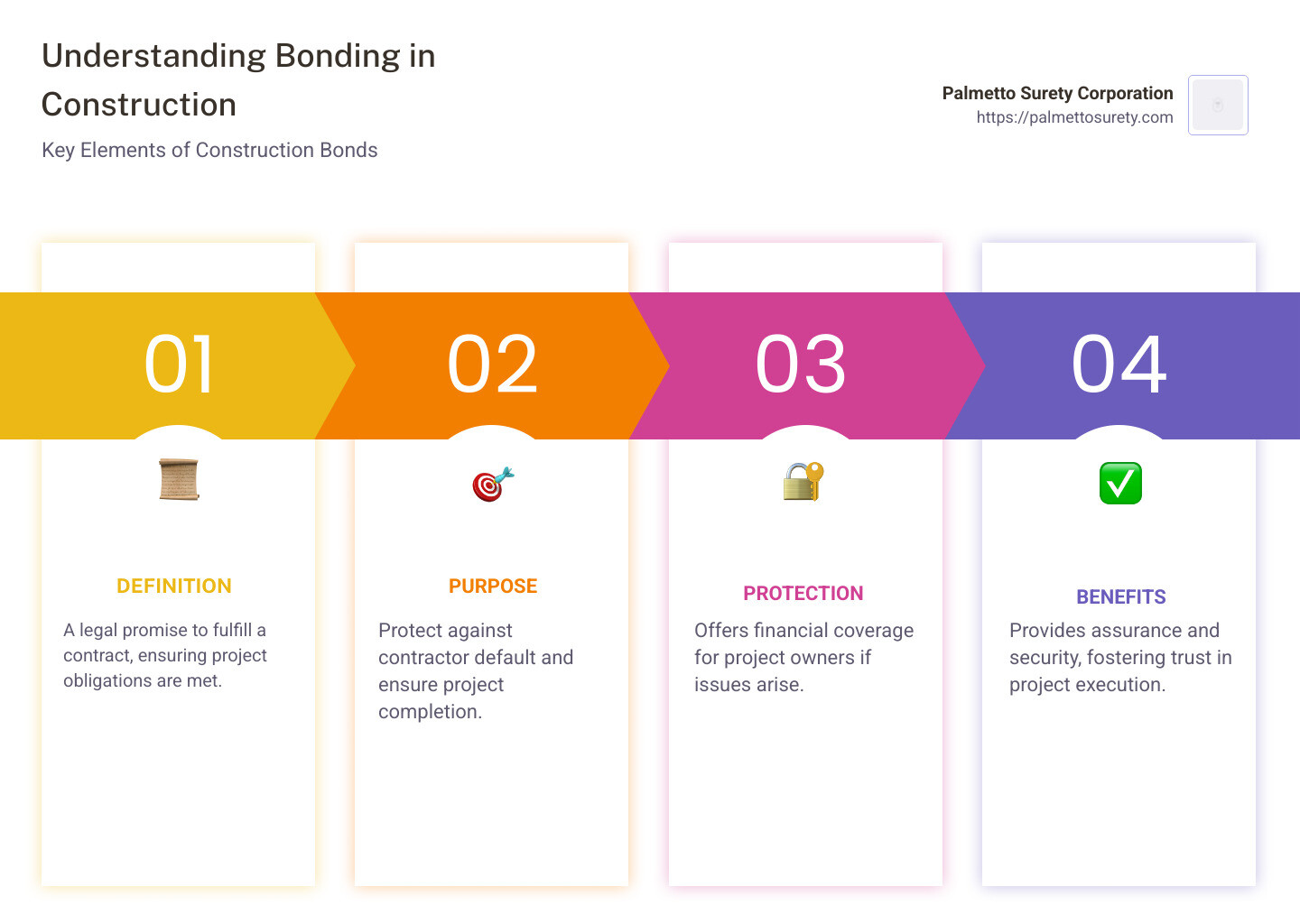
What is bonding in construction? In simple terms, it refers to construction surety bonds, which act as a commitment to fulfill project obligations. These bonds provide both protection and assurance that contractual duties will be met. Here’s a brief overview:
- Definition: A legal commitment to complete a contract.
- Purpose: Safeguard against contractor default.
- Protection: Offers financial security for project owners if complications occur.
In the construction industry, having a safety net like construction bonds is essential. Whether managing a large public works project or a straightforward renovation, construction bonds serve as a guarantee that every aspect will be managed responsibly, with financial security at the forefront.
I’m Haiko de Poel Jr, a marketing and digital change expert who has revitalized one of the fastest-growing surety bond companies in the U.S. My expertise ensures that we deliver trust and reliability, key elements in understanding what is bonding in construction.
What is bonding in construction basics:
– how does bonding work in construction
– how much does a construction performance bond cost
– types of bonding in building
What is Bonding in Construction?
Construction bonding is a vital component of the construction industry in the United States. It involves a specific type of insurance known as a surety bond. These bonds provide a guarantee that the contractor will fulfill their obligations to the project owner, referred to as the obligee. If the contractor fails to meet these obligations, the surety steps in to address the issue.
Types of Construction Bonds
There are several types of construction bonds, each serving a distinct purpose:
-
Bid Bond: This bond assures the project owner that the contractor will enter into the contract at the bid price if they win the bid. If the contractor backs out, the bid bond covers the difference between the defaulting contractor’s bid and the next lowest bid.
-
Performance Bond: Once a bid is accepted, a performance bond ensures the contractor completes the project according to the terms of the contract. If the contractor fails, the performance bond covers the cost of completing the project.

-
Payment Bond: This bond guarantees that the contractor will pay all subcontractors, laborers, and suppliers. It protects project owners from claims and liens if the contractor fails to make these payments.
-
Maintenance Bond: Also known as a warranty bond, it provides a guarantee that any defects found after the construction is completed will be rectified. This bond offers peace of mind to project owners that the quality of work will be maintained.
How Construction Bonds Work
In a construction bond, three parties are involved:
-
Contractor (Principal): The party required to perform the contractual obligations.
-
Obligee: The project owner or entity requiring the bond for protection.
-
Surety: The insurance company that issues the bond and guarantees the contractor’s performance.

Here’s how it works:
-
Guarantee: The bond acts as a safety net, ensuring that the project will be completed as agreed. If the contractor defaults, the surety covers the financial loss.
-
Security: For project owners, construction bonds provide security that their investment is protected. For contractors, being bonded improves their credibility and trustworthiness.
-
Financial Reimbursement: If a contractor fails to meet their obligations, the project owner can file a claim against the bond. The surety will then compensate the owner and seek reimbursement from the contractor.
Understanding what is bonding in construction is essential for both project owners and contractors. It not only provides financial security but also builds trust and ensures that projects are completed successfully.
The Importance of Construction Bonds
Construction bonds are vital in the construction industry due to the significant protection they offer both project owners and contractors. Let’s explore why these bonds are so crucial.
Benefits for Project Owners
Financial Protection: Construction bonds act as a financial safety net. They ensure that if something goes wrong, the project owner won’t be left covering unexpected costs. For example, a performance bond guarantees that a project will be completed even if the original contractor cannot fulfill their obligations.
Project Assurance: Bonds provide project owners with peace of mind. They assure that the contractor will complete the project as per the agreed terms. This assurance is especially important for large-scale projects where delays or defaults can lead to substantial financial losses.
Risk Management: By requiring contractors to be bonded, project owners effectively manage their risk. If a contractor defaults, the surety company steps in to handle the situation. This reduces the owner’s exposure to financial and operational risks.
Security and Quality Assurance: Bonds ensure that the work meets the required standards. A maintenance bond, for instance, guarantees that any defects finded after project completion will be corrected, maintaining the quality of the work.
Benefits for Contractors
Eligibility for Projects: Being bonded makes contractors eligible for more projects, especially public works and large-scale developments. Many project owners require contractors to be bonded before allowing them to bid, as it demonstrates reliability and financial stability.
Improved Reputation: A bonded contractor is often viewed as more trustworthy and professional. This reputation can lead to more business opportunities and partnerships, as project owners prefer to work with contractors who provide security and assurance.
Bonding Capacity: Contractors with a strong track record can increase their bonding capacity, allowing them to take on larger projects. A higher bonding capacity signifies financial strength and capability, making contractors more competitive in the market.
Financial Reimbursement: While bonds primarily protect project owners, they also offer a layer of protection for contractors. If a subcontractor or supplier defaults, a payment bond can ensure that the contractor is not left to cover these costs out-of-pocket.
Understanding what is bonding in construction highlights its importance in securing successful projects and fostering trust between all parties involved.
Next, let’s explore some frequently asked questions about construction bonding to further clarify its role and benefits.
Frequently Asked Questions about Construction Bonding
What is the purpose of a construction bond?
A construction bond serves multiple purposes but primarily acts as a security measure. It is a form of guarantee that ensures a project is completed according to the agreed terms. If a contractor fails to meet their obligations, the bond provides financial protection to the project owner, covering any additional costs required to complete the project. This layer of security is crucial for maintaining trust in the construction industry.
Why do contractors need to be bonded?
Contractors need to be bonded to demonstrate their trustworthiness and reliability. A bond acts as a recourse for project owners in case the contractor defaults or fails to deliver quality work. Being bonded also allows contractors to access more business opportunities, as many project owners require bonds as a prerequisite to bidding on projects. This requirement ensures that only financially stable and committed contractors are involved in the project, reducing risks for all parties.
What are the main types of construction bonds?
There are several key types of construction bonds, each serving a specific purpose:
-
Bid Bond: This bond is submitted during the bidding process. It guarantees that if a contractor is awarded the project, they will enter into the contract and provide the necessary performance and payment bonds. It also protects the project owner if the contractor retracts their bid.
-
Performance Bond: Once a contract is awarded, this bond guarantees that the contractor will complete the project according to the contractual terms. If the contractor fails, the bond ensures the project owner can recover costs to complete the work.
-
Payment Bond: This bond ensures that the contractor will pay all subcontractors, suppliers, and workers involved in the project. It protects against liens and ensures everyone gets paid, maintaining smooth project operations.
-
Maintenance Bond: Also known as a warranty bond, this bond guarantees that any defects finded after project completion will be corrected. It provides assurance that the quality of work will be upheld over a specified period.
Understanding these bonds is essential for both project owners and contractors, as they play a critical role in ensuring completion, maintaining protection, and fostering a trustworthy construction environment.
Conclusion
At Palmetto Surety Corporation, we understand that navigating construction bonds can be complex. That’s why we focus on providing quick service and leveraging our industry expertise to simplify the process for our clients. Based in Charleston, SC, and with locations across the southeastern United States, we have been a trusted partner in the construction industry for over 20 years.
Our commitment to efficiency means that most applications are approved within hours, allowing contractors to focus on what they do best—building and completing projects. We offer a wide range of surety bonds custom to meet the diverse needs of industries, including construction, manufacturing, transportation, and healthcare.
By choosing Palmetto Surety Corporation, you’re not just getting a bond; you’re getting a partner dedicated to protecting your interests and ensuring your success. Whether you need a bid bond, performance bond, payment bond, or maintenance bond, our team is ready to assist you.
To learn more about how we can support your construction bonding needs, visit our service page and experience the Palmetto Surety difference for yourself.


