


How to Check if a Contractor is Bonded: Top 5 Vital Steps
How to check if a contractor is bonded is an essential step before embarking on any construction project. This process not only ensures the reliability of your contractor but also safeguards you financially if issues arise. Here’s a straightforward guide to help you:
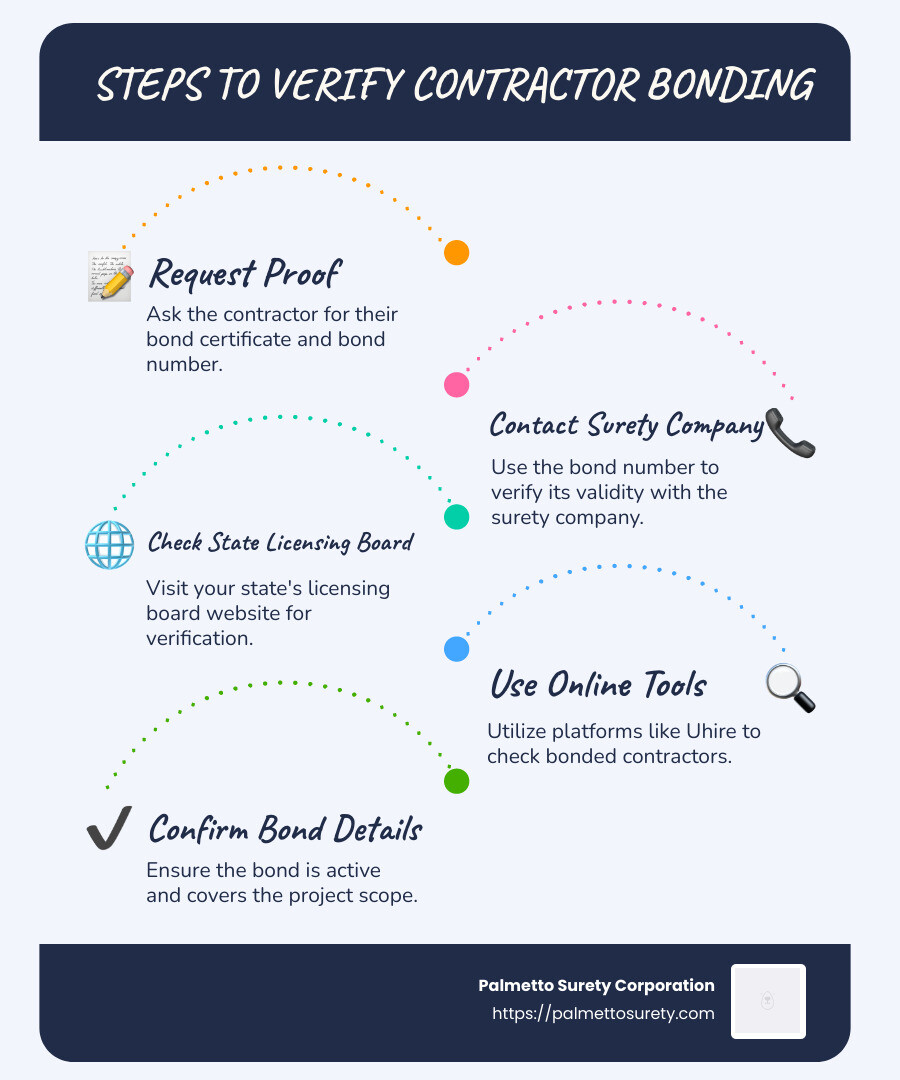
- Request Proof: Ask the contractor for their bond certificate and bond number.
- Contact the Surety Company: Use the bond number to confirm the bond’s validity with the surety company.
- Check Online: Visit your state’s licensing board or use Uhire to find bonded contractors.
Hiring a bonded contractor can protect you from unforeseen financial liabilities if the work is subpar or incomplete. Contractor bonding acts as a financial safety net, ensuring that the contractor meets their obligations or compensates for any financial losses. This step is crucial for a smooth renovation or construction project.
I’m Haiko de Poel Jr., and I focus on making complex topics easy to understand. My expertise in marketing and branding aligns with surety bonds, where I’ve assisted businesses in efficiently verifying a contractor’s bond.
Understanding Contractor Bonding
Contractor bonding is a vital aspect of hiring a contractor for any project. It involves a surety bond, which acts as a financial safety net. This bond ensures that if a contractor fails to complete a project or meet the agreed-upon standards, the surety company steps in to cover the costs. It’s like having a financial backup plan.
What is a Bonded Contractor?
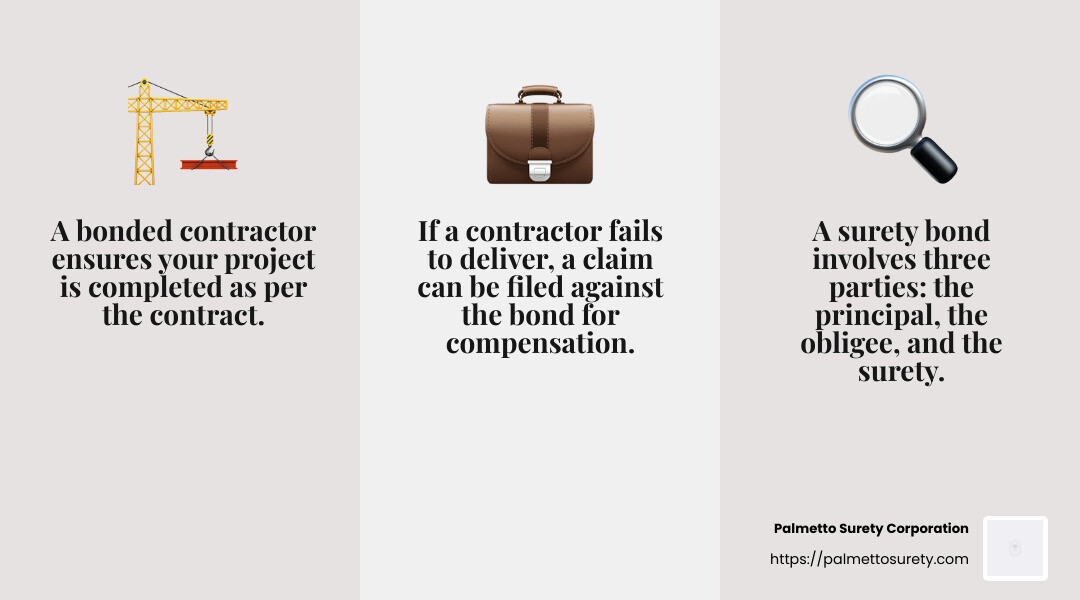
A bonded contractor is one who has secured a surety bond. This bond is a promise that the contractor will fulfill their contractual obligations. If they don’t, the surety company compensates the project owner. This helps protect you from financial losses due to incomplete work or poor craftsmanship.
How Does a Surety Bond Work?
A surety bond involves three parties:
- The Principal: This is the contractor who purchases the bond.
- The Obligee: This is you, the project owner, who requires the bond.
- The Surety: This is the company that provides the bond and guarantees the contractor’s performance.
If the contractor fails to deliver, you can file a claim against the bond. The surety then investigates and, if the claim is valid, compensates you for the loss. They may then seek reimbursement from the contractor.

Why is Contractor Bonding Important?
Having a bonded contractor provides financial protection. It ensures that:
- You are not left with a half-finished project.
- You won’t have to pay extra to fix poor workmanship.
- The project will be completed according to the contract terms.
Contractor bonding is not just a formality; it’s a crucial protection measure. It ensures peace of mind and financial security for homeowners starting on renovation or construction projects.
In the next section, we’ll dig into the practical steps for how to check if a contractor is bonded, ensuring you make informed decisions for your projects.
How to Check if a Contractor is Bonded
Ensuring a contractor is bonded is a crucial step in safeguarding your project. Here’s a simple guide to help you verify a contractor’s bond status.
Contact the Surety Company
The first step is to contact the surety company that issued the bond. Here’s how:
-
Ask the Contractor: Request the bond number and the name of the surety company from your contractor. A reputable contractor will provide this information willingly.
-
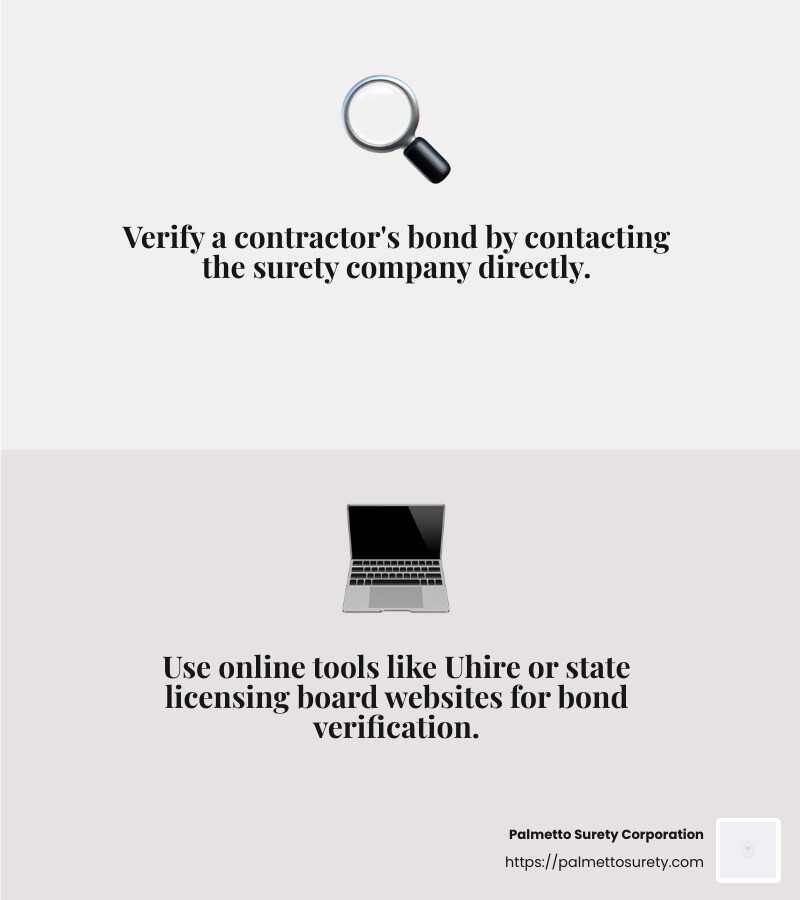
Reach Out to the Surety: Once you have the bond details, contact the surety company directly. They can confirm whether the bond is active and valid.
-
Verification Process: The surety company will verify the bond by checking their records. They may ask for additional information, such as the contractor’s name and project details.
This direct approach ensures you receive accurate and up-to-date information about the contractor’s bonding status.
Use Online Tools
If you prefer online methods, there are several tools available to verify a contractor’s bond:
-
Uhire: This is an online platform where you can check if a contractor is bonded. Simply enter the contractor’s details to see their bonding status.
-
State Licensing Board Websites: Most states have licensing boards that provide online verification services. Visit your state’s licensing board website and enter the contractor’s license number to verify their bond status.
These online resources are convenient and can quickly provide the information you need.
Remember: Always verify a contractor’s bond before starting any project. It’s a simple step that protects you from potential financial risks.
In the next section, we’ll explore the differences between bonded, licensed, and insured contractors, helping you understand what each term means and why they matter.
Differences Between Bonded, Licensed, and Insured Contractors
When hiring a contractor, you’ll often hear terms like “bonded,” “licensed,” and “insured.” Each of these terms represents a different form of protection or qualification, and it’s important to know what they mean.
Bonded
A bonded contractor has a surety bond issued by a surety company. This bond is a promise that the contractor will fulfill their obligations. If they don’t, the bond protects you financially. For example, if a contractor fails to complete a project or doesn’t pay subcontractors, you can file a claim against the bond to recover your losses.
Key Point: A bond involves three parties—the principal (contractor), the obligee (you), and the surety (the bond issuer).
Licensed
A licensed contractor has obtained a trade license from a state or local authority. This license usually means the contractor has passed certain tests and meets specific standards. Licensing requirements can vary by state and trade, so it’s crucial to check your local regulations.
Key Point: Licensing ensures that a contractor is qualified to perform the work and adheres to local laws and codes.
Insured
An insured contractor carries business insurance, which typically includes liability insurance and workers’ compensation. Liability insurance protects you if the contractor’s work causes property damage or injury. Workers’ compensation covers medical costs and lost wages if a worker is injured on the job.
Key Point: Insurance protects you from potential claims and lawsuits. It covers accidents and damages that occur during the project.
Bonded vs. Insured
While both bonded and insured contractors offer protection, they serve different purposes. A bond protects you financially if the contractor fails to meet their obligations. Insurance, on the other hand, covers accidents and injuries that occur during the project. It’s essential to ensure your contractor is both bonded and insured for comprehensive protection.
Understanding these differences helps you make informed decisions when hiring a contractor. In the next section, we’ll discuss why contractor bonding matters and how it provides financial security and consumer protection.
Why Contractor Bonding Matters
Contractor bonding is more than just a formality. It’s a crucial layer of protection for your financial security, project completion, and consumer protection.
Financial Security
When you hire a bonded contractor, you’re essentially buying peace of mind. A surety bond acts like a safety net. If the contractor skips town or doesn’t finish the job, the bond can cover your financial losses. This means you won’t be left paying out of pocket for unfinished work or unpaid subcontractors.
Example: Imagine a contractor starts remodeling your kitchen but disappears halfway through. With a bond, you can file a claim to recover the money needed to complete the project.
Project Completion
A bonded contractor is more likely to finish the job as promised. The bond obligates them to meet the terms of your contract. If they don’t, the surety company steps in to ensure the project gets done. This adds an extra layer of assurance that the work will be completed on time and to your standards.
Fact: According to the Palmetto Surety Corporation, construction bonds protect against disruptions or financial loss due to a contractor’s failure to complete a project.
Consumer Protection
Bonding also provides consumer protection. It holds contractors accountable for their actions. If they deliver subpar work or fail to follow through on commitments, you have recourse through the bond. This helps safeguard your investment and ensures you’re not left dealing with poor workmanship or unfulfilled promises.
Key Point: Contractor bonding is a tripartite agreement involving you, the contractor, and the surety company. This structure ensures that you’re protected financially if things go wrong.
In summary, contractor bonding is essential for anyone hiring a contractor. It secures your finances, ensures project completion, and protects your interests as a consumer. Next, we’ll explore frequently asked questions about contractor bonding and how to verify a contractor’s bond online.
Frequently Asked Questions about Contractor Bonding
How to Verify a Contractor’s Bond Online
Verifying if a contractor is bonded is easier than you might think. You can do it online in just a few steps:
-
Visit Surety Websites: Start by checking the surety company’s website that issued the bond. Many surety companies offer online verification tools where you can enter the bond number to confirm its validity.
-
Use State Licensing Boards: Most states have licensing boards that provide online resources to check a contractor’s bonding status. Simply enter the contractor’s license number to see their bonding information.
-
Check Uhire: Websites like Uhire can also be used to verify a contractor’s bond status. They compile data from various sources to provide comprehensive information about contractors.
Pro Tip: Always ask the contractor for their bond number and the name of the surety company. This information is crucial for online verification.
What to Do if a Contractor is Not Bonded
If you find a contractor is not bonded, it’s important to take action:
-
Avoid Hiring: The safest option is to avoid hiring an unbonded contractor. Without a bond, you lack financial protection if something goes wrong.
-
Report to Consumer Protection Agencies: Consider reporting the contractor to a consumer protection agency. This can help prevent others from falling victim to potential scams or poor workmanship.
-
Legal Action: If you’ve already hired an unbonded contractor and faced issues, you may need to pursue legal action. Small claims court is an option for recovering financial losses, but remember, this can be time-consuming and costly.
Remember: A bonded contractor offers a layer of security that an unbonded one cannot. Always verify bonding before signing any contracts.
How Bonding Protects You
Bonding provides several layers of protection:
-
Financial Loss: If a bonded contractor fails to complete a project, you can file a claim against the bond. This can cover the costs needed to finish the job or rectify any issues.
-
Project Failure: In cases where a contractor abandons a project, the surety company can step in to ensure completion. This reduces the risk of delays and ensures the project meets contractual standards.
-
Consumer Protection: Bonding holds contractors accountable. If they perform subpar work or fail to adhere to agreements, the bond offers a path to resolution without additional financial burden on you.
Key Insight: Bonding is not just about compliance; it’s about providing peace of mind and financial security for your projects.
In the next section, we’ll dig into the differences between bonded, licensed, and insured contractors, and why understanding these distinctions is crucial for anyone planning a construction or renovation project.
Conclusion
In construction and contracting, being bonded is more than just a formality—it’s a promise of reliability and trust. At Palmetto Surety Corporation, we understand the critical role that surety bonds play in protecting both project owners and contractors.
Quick Approval and Comprehensive Coverage
Our commitment is to provide quick and efficient approval for surety bonds, ensuring that your projects can proceed without unnecessary delays. Whether you’re in construction, healthcare, transportation, or any other industry requiring surety bonds, we offer a seamless process to secure the bonds you need. With over 20 years of experience, our team specializes in navigating the complexities of surety bonds, giving you peace of mind and security.
Why Choose Palmetto Surety?
-
Speedy Processing: We pride ourselves on our ability to approve most applications within hours, allowing you to focus on your project rather than paperwork.
-
Expert Support: Our dedicated support team is always ready to assist, ensuring you have the guidance needed to make informed decisions about your bonding requirements.
-
Wide Range of Surety Bonds: From contractor license bonds to court surety bonds, we provide a comprehensive selection to meet diverse needs.
Your Partner in Success
Choosing a bonded contractor is a step towards safeguarding your investments and ensuring project completion to the highest standards. Let us be your partner in navigating the complexities of contractor bonding.
For more information on how we can assist with your surety bond needs, visit our website to explore our services and get started on securing your project today.


