


Bonding requirements for contractors: Top 3 Vital Tips 2024
Bonding requirements for contractors are crucial for ensuring trust and accountability in the construction industry. Contractors often need different types of bonds for project bids, performance, and payments. These bonds minimize financial risks and ensure projects are completed as agreed.
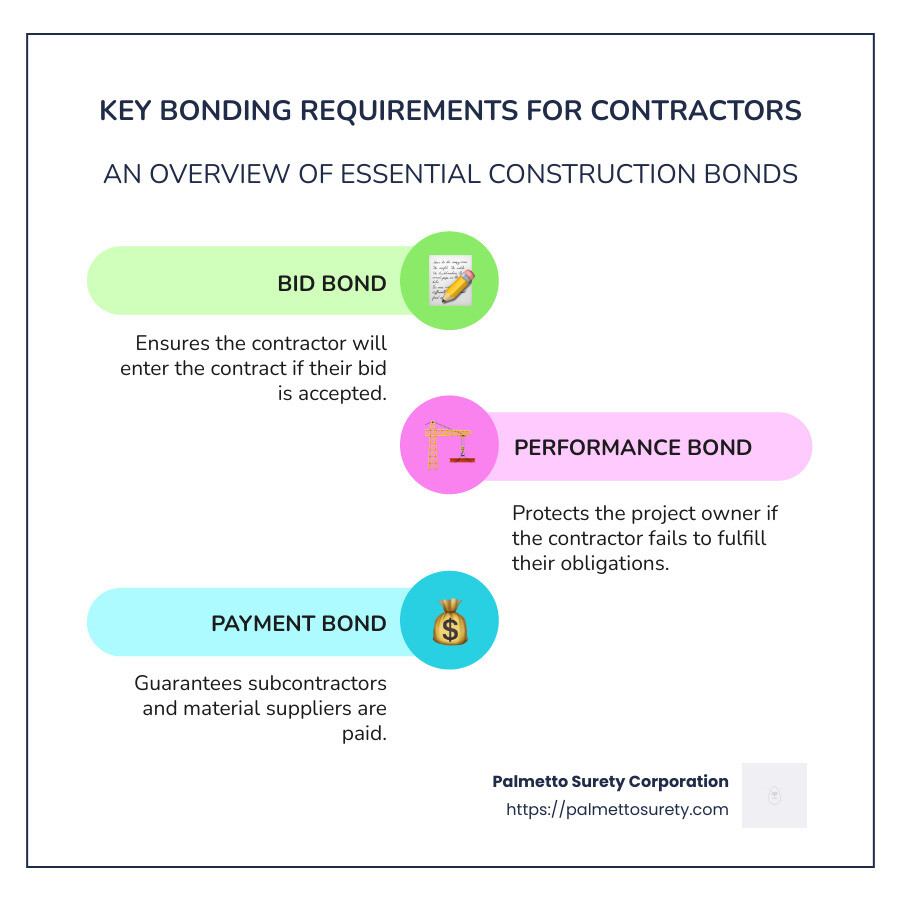
- Bid Bond: Ensures the contractor will enter the contract if their bid is accepted.
- Performance Bond: Protects the project owner if the contractor fails to fulfill their obligations.
- Payment Bond: Guarantees subcontractors and material suppliers are paid.
Bonds are often required for government projects, and some projects, like those overseas or on Indian reserves, may not qualify for construction bonds. Understanding these requirements is key for contractors to secure projects and build a successful business.
My name is Haiko de Poel Jr. With expertise in marketing strategy and digital change, I provide insights into the bonding requirements for contractors. This foundation lets businesses steer the construction landscape with confidence.
Understanding Construction Bonds
In construction, bonds are essential tools that provide security and trust between parties involved in a project. They act as a safety net, ensuring that contractors fulfill their obligations. Let’s break down the key types of bonds and their roles in construction.
Types of Bonds
-
Bid Bonds: These are the first step in the bonding process. When contractors submit a bid for a project, a bid bond assures the project owner that the contractor will enter into the contract and provide the necessary performance and payment bonds if awarded the job. This bond protects the owner from financial loss if the winning bidder fails to proceed with the contract.
-
Performance Bonds: Once the contract is awarded, the bid bond is replaced by a performance bond. This bond guarantees that the contractor will perform the work according to the terms and conditions of the contract. If the contractor fails to deliver, the performance bond provides financial compensation to the project owner.
-
Payment Bonds: These bonds ensure that subcontractors, suppliers, and workers are paid for their services and materials. This is crucial because it prevents liens against the project and ensures that all parties involved are compensated, maintaining project momentum and trust.
Surety Bonds
A surety bond is a three-party agreement involving the principal (contractor), the obligee (project owner), and the surety (bond issuer). The surety provides a financial guarantee that the contractor will fulfill their obligations. If the contractor defaults, the surety steps in to cover the loss or ensure project completion.

Surety bonds are not insurance for the contractor; they protect the project owner. The contractor is ultimately responsible for reimbursing the surety for any claims paid out.
Contractor License Bonds
In addition to project-specific bonds, contractors often need a contractor license bond. This bond is a prerequisite for obtaining a contractor’s license in many states, including New York. It ensures that the contractor complies with state regulations and protects clients from poor workmanship or unethical practices.
Contractor license bonds demonstrate a contractor’s commitment to professionalism and adherence to industry standards. They are a reassurance to clients that the contractor is trustworthy and reliable.
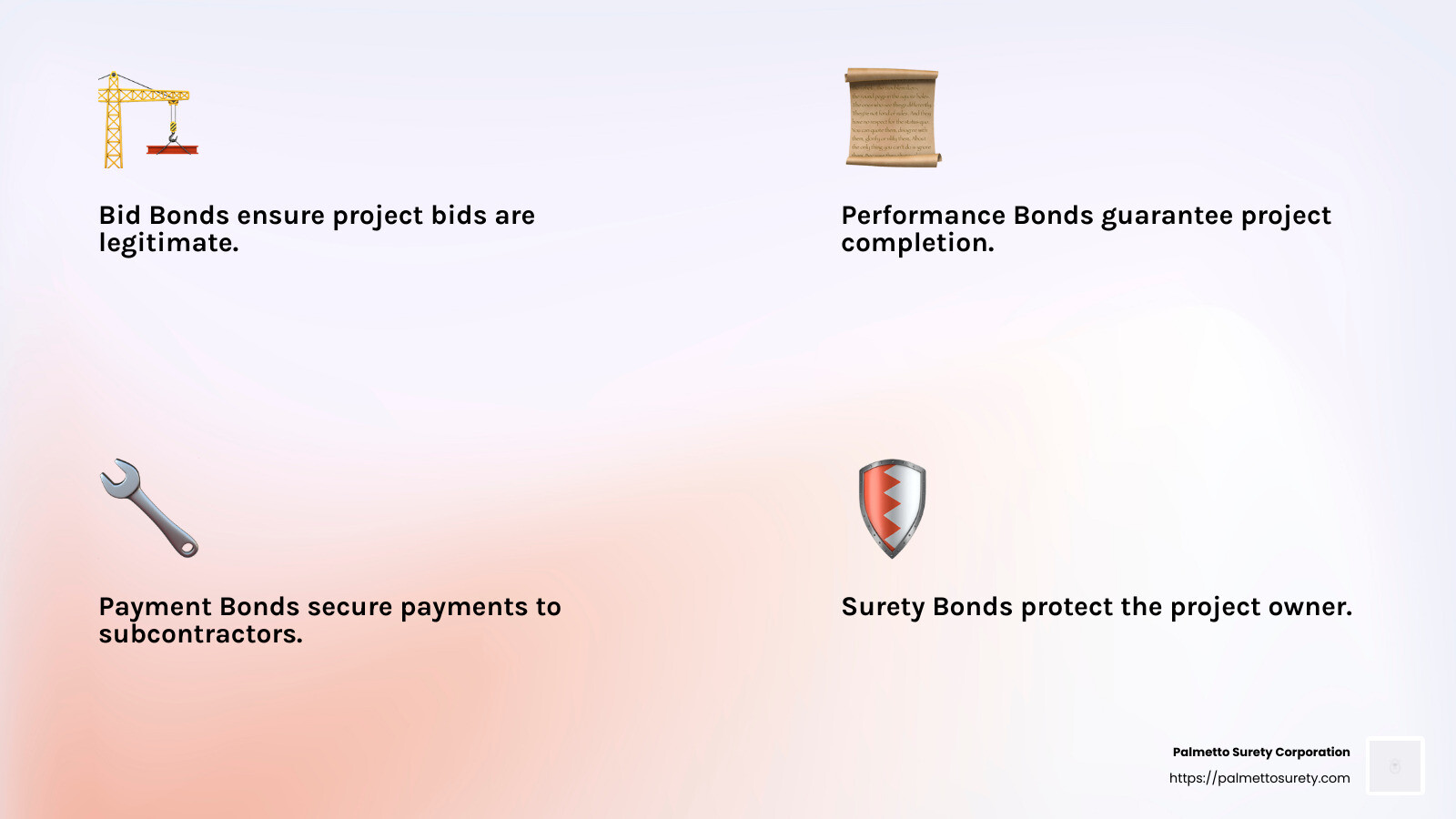
Understanding these bonds is vital for contractors navigating the construction industry. They not only provide financial protection but also establish a reputation for reliability and integrity, which is crucial for securing future projects.
Types of Bonds Required for Contractors
When it comes to bonding requirements for contractors, understanding the different types of bonds is crucial. These bonds are not just formalities; they are essential for ensuring project success and protecting all parties involved.
Bid Bonds
Bid bonds are the first step in the bidding process for a construction project. They serve as a guarantee to the project owner that the contractor will honor their bid and, if awarded, will enter into a contract and secure the necessary performance and payment bonds. This bond protects project owners from contractors who might submit low bids and then back out, leaving the project owner to find another contractor, potentially at a higher cost.
Performance Bonds
Once a contractor is awarded a contract, a performance bond replaces the bid bond. This bond ensures that the contractor completes the project according to the agreed-upon terms and conditions. If the contractor fails to meet these obligations, the performance bond provides financial compensation to the project owner. This protects the owner from financial loss due to subpar or incomplete work.
Payment Bonds
Payment bonds are vital for ensuring that all subcontractors, suppliers, and laborers are paid for their contributions to the project. These bonds prevent liens on the property and maintain trust among all parties involved. If a contractor fails to pay their subcontractors or suppliers, the payment bond covers these costs, ensuring that the project can continue smoothly without financial disputes.
Ancillary Bonds
While not as commonly discussed, ancillary bonds cover other specific aspects of a contract that might not fall under the typical performance or payment bond categories. These can include obligations related to maintenance, warranties, or other special conditions outlined in the contract. Ancillary bonds provide additional layers of protection for unique project requirements, ensuring that all contractual obligations are met.

By understanding and securing these bonds, contractors not only protect themselves but also improve their credibility and trustworthiness in the industry. These bonds are vital tools that help ensure projects are completed successfully and all parties are fairly compensated.
How Construction Bonds Work
Construction bonds are integral to ensuring that projects run smoothly and meet all contractual obligations. They involve a surety company, which acts as a financial guarantor, providing financial assurance and ensuring contract compliance.
The Role of a Surety Company
A surety company is a third-party entity that provides the bond, guaranteeing the contractor’s performance to the project owner, known as the obligee. This company evaluates the contractor’s financial stability and ability to complete the project. If the contractor defaults, the surety company steps in to either complete the project or compensate the obligee for any financial losses. This process is crucial for maintaining trust and ensuring the project is not left unfinished.
Financial Assurance
Construction bonds offer financial assurance to project owners that contractors will fulfill their contractual duties. This assurance is not just a promise; it’s backed by the financial strength of the surety company. If a contractor fails to meet their obligations, the surety company covers the costs, which can include hiring a new contractor or reimbursing the project owner. This financial safety net is essential for mitigating risks associated with construction projects.
Ensuring Contract Compliance
With a construction bond in place, contract compliance becomes enforceable. The bond ensures that all parties involved adhere to the agreed-upon terms and conditions. This includes meeting deadlines, maintaining quality standards, and following project specifications. If the contractor does not comply, the project owner can make a claim against the bond, prompting the surety company to take corrective action.
By understanding how construction bonds work, contractors can better steer the complexities of project management and bolster their reputation in the industry. These bonds not only protect financial interests but also ensure that projects are completed to the highest standards.
Bonding Requirements for Contractors
In the construction industry, bonding requirements for contractors can vary significantly depending on the nature of the project—whether it’s a government project, a public work, or a private venture. Understanding these requirements is crucial for contractors to successfully bid on and complete projects.
Government Projects
Government projects often have stringent bonding requirements. These projects typically require contractors to secure multiple types of bonds, including bid bonds, performance bonds, and payment bonds.
Bid bonds ensure that contractors can fulfill the terms of their bids if selected. If a contractor wins a bid but fails to enter into the contract, the bond compensates the government entity for the difference in cost to hire the next lowest bidder.
Performance bonds provide a guarantee that the contractor will complete the project according to the contract terms. If the contractor fails, the surety company is responsible for completing the project or compensating the government for any losses.
Payment bonds ensure that subcontractors and suppliers are paid, reducing the risk of liens against the project. These bonds are crucial for maintaining a smooth workflow and avoiding legal complications.
Public Works
Public works projects, much like government projects, often require contractors to be bonded. These projects, funded by taxpayer dollars, have a high degree of accountability. Bonds protect public funds by ensuring project completion and compliance with contract specifications.
For example, a city building a new school will likely require contractors to have bid, performance, and payment bonds to safeguard the investment and ensure the project meets community standards.
Private Projects
Private projects may have more flexibility in bonding requirements, but many still require bonds to protect the owner’s investment.
Construction bonds in private projects are typically used to ensure quality and timely completion. While not always mandatory, having bonds can make a contractor more attractive to private clients by demonstrating financial stability and reliability.
In summary, whether working on government, public, or private projects, contractors must understand and meet the specific bonding requirements to secure work and protect all parties involved. This knowledge is vital for navigating the construction industry and ensuring successful project outcomes.
Frequently Asked Questions about Bonding Requirements for Contractors
What are the three main types of bonds required?
In the construction industry, contractors often need to secure three primary types of bonds to comply with bonding requirements: bid bonds, performance bonds, and payment bonds.
-
Bid Bonds: These bonds are crucial during the bidding process. They ensure that a contractor, if awarded the contract, will enter into the agreement and provide the necessary performance and payment bonds. Bid bonds protect project owners from financial loss if a contractor backs out after winning the bid.
-
Performance Bonds: Once a contractor is awarded a project, a performance bond is required. This bond guarantees that the contractor will complete the project according to the contract terms. If the contractor defaults, the surety company steps in to complete the project or compensate for any financial loss.
-
Payment Bonds: These bonds ensure that subcontractors, suppliers, and laborers are paid for their work and materials. Payment bonds help prevent liens against the project, ensuring a smooth workflow and protecting the project owner from legal disputes.
Why do contractors need to be bonded?
Contractors need to be bonded for several reasons, primarily revolving around financial protection, project completion, and safeguarding against contractor default.
-
Financial Protection: Bonds provide a financial safety net for project owners. They ensure that funds are available to cover costs if a contractor fails to fulfill their obligations.
-
Project Completion: Bonds guarantee that the project will be completed as per the contract. This assurance is crucial for project owners who need confidence that their investment will yield the desired outcome.
-
Contractor Default: In cases where a contractor defaults, bonds ensure that the surety company will either complete the project or compensate the owner for any financial loss. This protection is vital for maintaining project timelines and budgets.
How can contractors obtain a bond?
Obtaining a bond involves a straightforward process with a surety company. Here’s how it typically works:
-
Application Process: Contractors begin by applying for a bond through a surety company. This application includes details about the project, financial statements, and the contractor’s experience.
-
Financial Evaluation: The surety company conducts a financial evaluation of the contractor. This assessment looks at the contractor’s credit history, financial stability, and ability to perform the project. The goal is to determine the risk involved in issuing the bond.
-
Approval and Issuance: If the surety company is satisfied with the evaluation, they will approve and issue the bond. The contractor then receives the bond, which can be presented to the project owner as part of the contractual requirements.
By understanding these key aspects of bonding, contractors can better steer the requirements and secure the necessary bonds to participate in various construction projects. This understanding is essential for building trust with project owners and ensuring successful project execution.
Conclusion
At Palmetto Surety Corporation, we understand the importance of securing bonds quickly and efficiently. Contractors often face tight deadlines, and we are here to help you meet them. Our streamlined process ensures that most applications are approved within hours, allowing you to focus on what you do best—delivering quality construction projects.
We specialize in providing a wide range of surety bonds tailored to the needs of the construction industry. Whether you require bid bonds, performance bonds, or payment bonds, our experienced team is ready to assist you every step of the way. Our goal is to make the bonding process as straightforward and stress-free as possible.
By choosing Palmetto Surety Corporation, you’re partnering with a company that values speed and reliability. We have over 20 years of experience in the industry, and our reputation for quick approval and efficient service speaks for itself. We are committed to helping you succeed in your projects by providing the financial backing you need through our comprehensive surety bond solutions.
For more information on how we can assist with your bonding needs, visit our service page and let us help you secure your next project with confidence.


