


Georgia Bond Amounts: Top Facts to Know in 2024
Introduction
When navigating the legal system in Georgia, understanding bond amounts is crucial. This guide helps clarify what you need to know about bond amounts, their determination, and importance.
What is a bond? Simply put, a bond is money or property put up to ensure an accused person’s appearance in court. It’s like a guarantee that they will show up for their trial. The amount of the bond can vary greatly based on several factors, such as the possibility of fleeing, the risk of committing another crime, and the potential danger to the community.
Here’s a quick overview of key points:
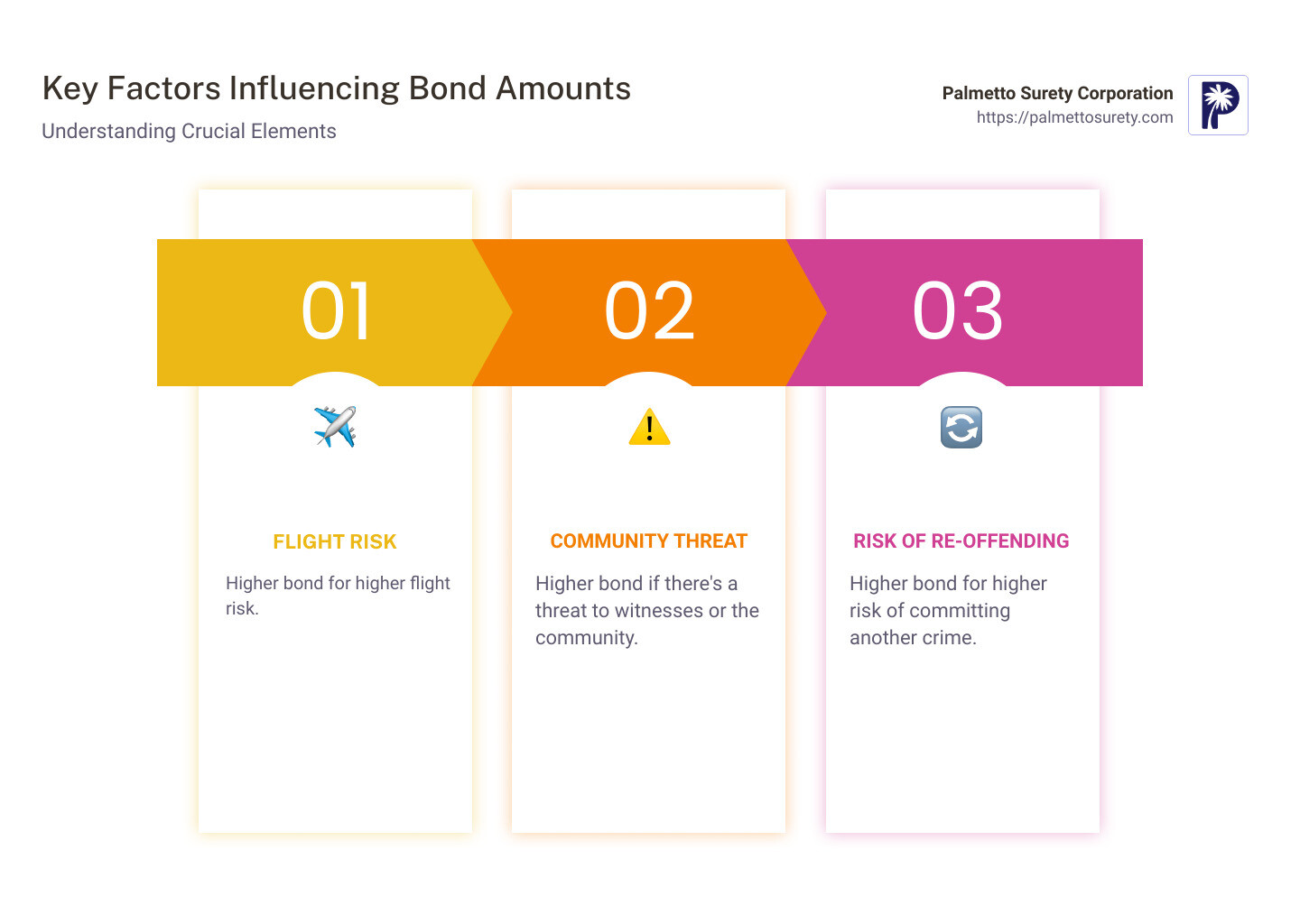
- Possibility of fleeing: Higher bond for higher flight risk.
- Threat to witnesses or community: Higher bond if there’s a threat.
- Risk of re-offending: Higher bond for higher risk.
Understanding bond amounts ensures you’re better prepared whether you’re posting bond for yourself or someone else. Keep reading to learn more about what influences these amounts, the types of bonds, and the entire process in Georgia.
Determining Bond Amounts
When it comes to Georgia bond amounts, several factors come into play. Judges consider various aspects to ensure the bond set is appropriate for the situation.
Factors Judges Consider
1. Possibility of Fleeing
A significant factor is the defendant’s likelihood of fleeing. If the judge believes there’s a high risk the defendant might not show up for court, the bond amount will be higher. This ensures that the defendant has a substantial financial incentive to return for their court date.

2. Threat to Witnesses
If there’s a possibility that the defendant might threaten or harm witnesses, the bond amount will also be higher. This helps protect those involved in the case and maintains the integrity of the judicial process.
3. Risk of Committing Another Crime
Judges also consider whether the defendant is likely to commit another crime while out on bond. A higher risk of re-offending can lead to a higher bond amount to mitigate potential harm to the community.
4. Threat or Danger to the Community
Finally, the overall threat or danger the defendant poses to the community is a critical factor. If the defendant is considered a significant threat, the bond will be set high to ensure public safety.
The Judge’s Role
Judges balance these factors to determine a fair bond amount. For example, a person with a history of missing court dates might see a higher bond, while someone with strong community ties and no criminal record might receive a lower bond.
Case Study: Domestic Violence
In domestic violence cases, Georgia law often requires that victims be notified before bond is set. Judges typically restrain defendants from contacting alleged victims, ensuring their safety and peace of mind.

Special Considerations
In certain serious crimes, only a Superior Court judge can set the bond. These hearings take place after notifying the district attorney’s office, ensuring all parties are aware and can prepare accordingly.
Understanding these factors helps you grasp why bond amounts vary and what influences these decisions. Next, we’ll dive into the different types of bonds available in Georgia.
Types of Bonds in Georgia
When it comes to bonding out of jail in Georgia, there are several options available. Each type of bond has its own requirements and processes. Here’s a breakdown of the main types:
Cash Bonds
A cash bond is the simplest form of bond. You pay the full bond amount in cash or with a cashier’s check.
- Requirements: Valid state-issued ID and the full bond amount in cash or cashier’s check (no change given).
- Refunds: If the defendant appears for all court dates, the bond amount is refunded after the case is resolved. If the defendant fails to appear, you lose the entire amount.
- Online Payments: You can also pay cash bonds online using services like Cash Bond Online. This adds convenience but check with the Detention Center or Clerk’s Office for refund procedures.
Property Bonds
A property bond allows you to use real estate as collateral for the bond amount.
- Requirements: You must own the property for at least one year, and it must be located in Richmond County. Bring tax assessment papers in a sealed envelope from the tax assessor’s office and valid state ID.
- Value: Forty percent (40%) of the assessed property value must cover the bond amount.
- Risks: If the defendant fails to appear, a lien will be placed on the property. Properties with existing liens are ineligible.
- Firearm Exception: Stricter requirements apply if a firearm was involved in the alleged crime.
Professional Bonding Companies
Using a professional bonding company is another option. These companies charge a fee to post the bond on your behalf.
- Fees: Typically 12-15% of the total bond amount, which is non-refundable.
- Collateral: Some companies may require additional collateral.
- Approved Companies: In Richmond County, approved companies include Anytime Bonding Company (706-722-0289), CSRA Bonding Company (706-722-2266), Gardenhire Bonding Company (706-724-9772 or 706-771-3664), and Georgia Carolina Bonding Company (706-481-8553).
Surety Bonds
Surety bonds are a type of bond involving a third-party guarantor, like Palmetto Surety Corporation.
- How It Works: The surety company guarantees the defendant’s appearance in court. If the defendant fails to appear, the surety company covers the bond amount.
- Benefits: Quick approval and efficient service, often with less upfront cost compared to cash or property bonds.
- Process: Simplified through advanced underwriting platforms, making it hassle-free to obtain.
Understanding these different types of bonds can help you make an informed decision when securing the release of a loved one. Next, we’ll walk you through the bond process in Georgia.
The Bond Process in Georgia
Navigating the bond process in Georgia can be overwhelming, but understanding the steps can make it easier. Here’s what you need to know about pre-set bonds, first appearance hearings, special bond hearings, and juvenile proceedings.
Pre-Set Bonds
Many defendants are released quickly because the bond amount is pre-set. This means:
- Immediate Release: The defendant can be released within hours of arrest.
- Bonding Company or Individual: A bonding company or an individual can provide a cash or property bond.
- Routine Cases: These bonds are common in routine cases and help reduce jail overcrowding.
First Appearance Hearings
If a defendant hasn’t made bond within 72 hours, they will appear before a judge. At this hearing:
- Bond Setting: The judge may set a bond amount during this hearing.
- Defendant Release: The defendant can be released once the bond is posted.
- Victim Notification: Typically, victims do not attend these hearings unless required by law.
Special Bond Hearings
For serious crimes, bond can only be set by a Superior Court judge. These hearings:
- Later Date: Usually occur at a later time after notifying the district attorney’s office.
- Victim Assistance: The Victim Assistance Program will try to notify victims before these hearings.
- Stricter Conditions: May involve stricter conditions, especially in cases involving firearms or significant threats to the community.
Juvenile Proceedings
If the accused is a juvenile (under 17 years of age), the process differs:
- Juvenile Court: The case will be handled by the Murray County Juvenile Court.
- Contact Information: For more details, you can call the Juvenile Court at (706) 695-5828.
Understanding these steps can help you navigate the bond process more effectively. Next, we’ll explore specific bond amounts for common offenses in Georgia.
Georgia Bond Amounts for Common Offenses
Misdemeanor Offenses
For misdemeanor offenses, Georgia bond amounts are generally pre-set by the judge. These offenses include minor criminal acts such as petty theft or disorderly conduct. The bond amounts can vary, but they are typically lower than those for serious crimes.
- Example: If the bond for a misdemeanor offense is set at $136, you can post a cash bond of $136 or a property bond of $272.
Traffic Offenses
Traffic offenses like speeding or running a red light often allow the defendant to forfeit their cash bond as the fine amount. This means you can pay the bond amount and not have to appear in court.
- Credit Card Payments: You can pay traffic-related bonds and fines using a credit card, but be aware that a surcharge will be added.
- Online Payments: Conveniently, you can also pay these fines online at Liberty County Tickets.
Serious Crimes
Serious crimes, such as aggravated assault or drug trafficking, require more stringent bond conditions. These bonds are often set by a Superior Court judge and may involve higher amounts and stricter requirements.
- Firearm Exception: If a firearm was used, brandished, or discharged during the crime, the bond conditions become even stricter. Property owners must demonstrate sufficient equity in their property to secure the bond.
Domestic Violence Cases
In domestic violence cases, judges usually impose stricter bond conditions to protect the alleged victims. This may include no-contact orders and higher bond amounts to ensure the defendant does not pose a threat to the victim or community.
- Victim Notification: Victims are often notified before bond is set, ensuring their safety and involvement in the process.
Understanding these bond amounts and conditions can help you navigate the legal system more effectively. Next, we’ll discuss how to pay these bond amounts in Georgia.
How to Pay Bond Amounts
Paying bond amounts in Georgia can be done through several methods. Here’s a breakdown of your options:
Cash Payments
Cash bonds require you to pay the entire bond amount in cash. This can be done at the detention center or clerk’s office. You’ll need a valid state-issued ID and the exact amount in cash or a cashier’s check.
- Refunds: If the defendant attends all court dates, you’ll get your money back after the case is resolved.
- Risks: If the defendant fails to appear in court, you lose the entire amount.
Property Bonds
Property bonds use real estate as collateral. To qualify, the property must be in Richmond County and owned for at least one year.
- Documentation: Bring the year’s tax assessment papers in a sealed envelope from the tax assessor’s office and a valid state ID.
- Lien: A lien will be placed on the property. If the defendant fails to appear, you risk losing your property.
Credit Card Payments
You can also pay bond amounts using a credit or debit card. This method is convenient and can be done online.
- Online Payments: Use services like Cash Bond Online to pay from your computer or phone. Your payment is forwarded to the detention center or clerk’s office.
- Refunds: Handled by the detention center or clerk’s office, similar to cash bonds.
Online Payments
Online payment platforms make it easy to post bond without leaving your home.
- Convenience: Pay with a credit or debit card from any device with internet access.
- Process: Once payment is submitted, it’s forwarded to the detention center or clerk’s office. Refunds are processed by these offices upon case completion.
Understanding these payment methods can help you navigate the bond process more smoothly. Next, we’ll address some frequently asked questions about Georgia bond amounts.
Frequently Asked Questions about Georgia Bond Amounts
What factors influence bond amounts in Georgia?
Judges consider several factors when determining bond amounts. The key considerations include:
- Flight Risk: If the defendant might flee, the bond amount will be higher to ensure they appear in court.
- Community Threat: The judge will evaluate if the defendant poses a danger to the community.
- Threatening Witnesses: If there is a risk of the defendant threatening witnesses, the bond amount may be increased.
- Risk of Committing Another Crime: If the defendant is likely to commit another crime, the bond can be set higher to protect the public.
These factors help ensure the bond amount is fair and serves its purpose.
How can I pay a bond in Georgia?
Paying a bond can be done in several ways:
- Cash: You can pay the entire bond amount in cash. This is straightforward but requires you to have the full amount available.
- Property: A property bond involves using real estate as collateral. The property must be worth twice the bond amount. Proper documentation, like tax assessments and title searches, is needed.
- Credit Card: Some courts accept credit card payments. A surcharge may apply.
- Online: Online platforms allow you to pay bond amounts conveniently from home. This method often involves using a credit or debit card.
What happens if a defendant fails to appear in court?
Failing to appear in court has serious consequences:
- Forfeiture: The bond amount is forfeited, meaning the money or property used for the bond is lost.
- Liens: If a property bond was used, a lien will be placed on the property, making it difficult to sell or refinance.
- Legal Consequences: The defendant may face additional charges, leading to further legal trouble and higher penalties.
Understanding these risks can help ensure compliance with court appearances and avoid further complications.
Conclusion
At Palmetto Surety Corporation, we understand that navigating the bond process can be overwhelming. Our goal is to simplify this process and provide quick approval and efficient service to meet your needs.
Quick Approval:
We pride ourselves on offering fast and reliable bond approval. With over twenty years of experience in surety bonds and bail bonds, we have streamlined our procedures to ensure you get the bond you need without unnecessary delays.
Efficient Service:
Our cutting-edge technology allows you to purchase, print, and manage your surety bonds with ease. This efficiency means you can focus on what matters most—resolving your legal matters and moving forward.
We are committed to providing exceptional customer support and personalized service. Our dedicated team is available 24/7 to assist you with any questions or concerns you may have.
For more information on how we can help with your surety bond needs, visit our Surety Bonds page. Let us help you secure your bond quickly and efficiently.

Understanding Georgia bond amounts and the bond process doesn’t have to be complicated. With Palmetto Surety Corporation, you’re in good hands.


