


Bail bond payment: 1st Steps to Stress-Free Freedom
Why Understanding Bail Bond Payment Options Matters
Dealing with a loved one’s arrest is stressful, and the cost of bail bond payment can be overwhelming. Fortunately, you have multiple options to make the process more manageable financially.
Quick Answer: Common Bail Bond Payment Methods
- Cash – Direct payment to the bail bond agent
- Credit/Debit Cards – Most widely accepted payment method
- Payment Plans – Low down payments (0%, 1%, or 5% down options available)
- Collateral – Use property, vehicles, or other assets
- Cryptocurrency – Bitcoin, Ethereum accepted by some agents
- Bank Transfers – Wire transfers, Zelle, or other electronic methods
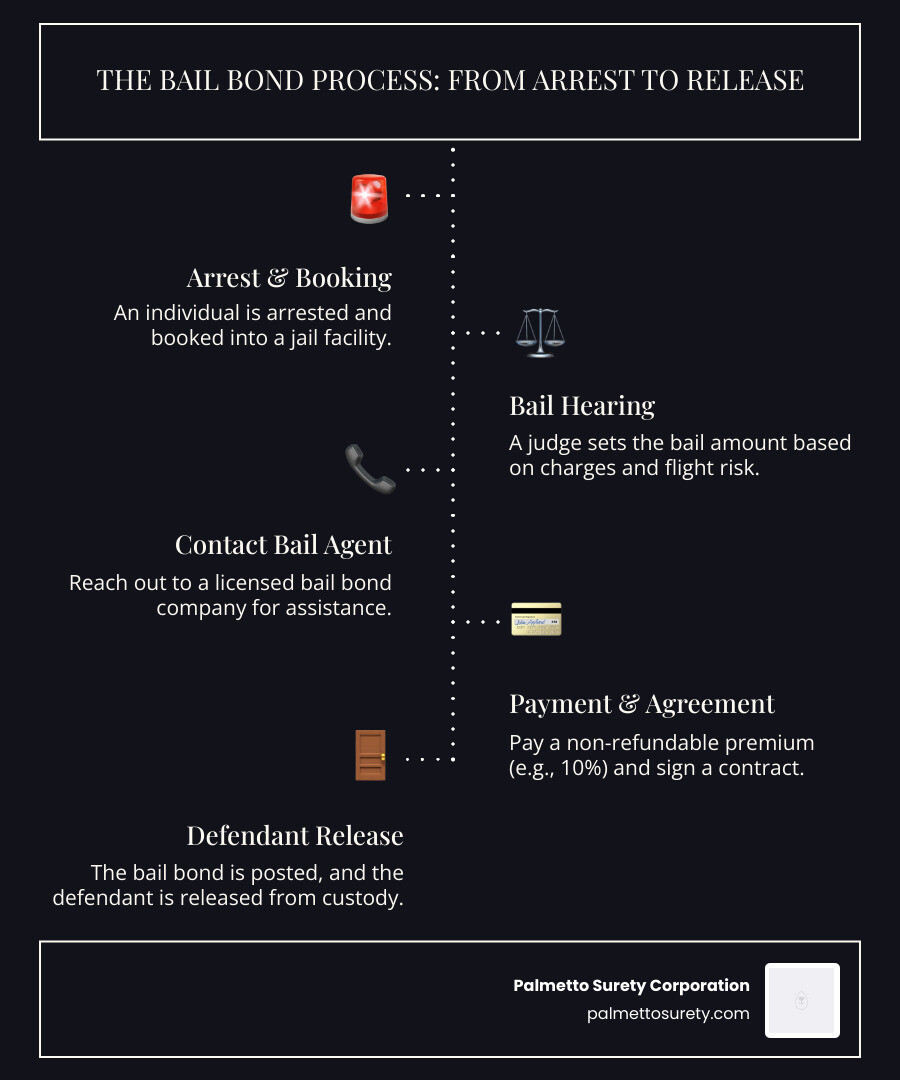
When a court sets bail—often thousands of dollars—you can work with a bail bond company instead of paying the full amount. You typically pay just 10% of the total bail as a non-refundable premium, even if charges are dropped later.
The bail bond system helps people who can’t afford to pay the full bail amount upfront. In California alone, approximately 2,300 licensed bail agents are ready to help, many offering flexible payment options like installment plans for qualifying clients.
Getting arrested is stressful enough without worrying about how to pay for release. Understanding your payment options helps you act quickly to get your loved one home while they await their court date.
I’m Haiko de Poel Jr. Through my work with Palmetto Surety Corporation and other companies in the bail and surety industry, I’ve helped thousands of families understand their bail bond payment options. Clear, accessible information about payment methods can make all the difference during these challenging times.
Understanding Bail Bond Costs and Fees
When a loved one is arrested, your first thought is likely, “How much will this cost?” Understanding how bail bond payment costs work is key to making informed decisions.

A judge sets the initial bail amount by weighing several factors to determine if the person will appear in court and if they pose a risk to the community. Key factors include:
- Flight risk and community ties (e.g., a steady job, family, property ownership).
- Criminal history, especially any past failures to appear in court.
- The severity of the alleged crime.
- Potential risk to public safety.
Instead of paying the full bail amount—which could be $50,000 or more—you can work with a bail bond company. You typically pay just 10% of the total bail amount as a non-refundable premium. So, a $50,000 bail becomes a $5,000 bail bond payment. This premium is the fee for the bail bond company’s service and is regulated by state laws, like California’s California Insurance Code (CIC) 1800 through 1823, which ensures fair pricing.
The choice between using a bail bond company and paying the court directly comes down to finances and speed.
| Feature | Using a Bail Bond Company | Paying Bail Directly to the Court |
|---|---|---|
| Upfront Cost | Typically 10% of the full bail amount (non-refundable). | 100% of the full bail amount (refundable, minus court fees). |
| Financial Burden | Significantly reduced, making large bail amounts accessible. | Can be a substantial financial strain, requiring significant liquid assets. |
| Speed of Release | Often faster, as agents are experienced with the process. | Can be slower, as it requires navigating the court system directly. |
| Support | Guidance through the legal process, court date reminders. | No direct support or reminders from the court system. |
| Refundability | Premium is non-refundable. | Full bail amount (minus fees) is returned if defendant appears. |
| Collateral | May require collateral for the bond. | No collateral needed if cash is paid. |
Most families don’t have tens of thousands of dollars readily available, making bail bond companies essential. You can learn more about how we facilitate these releases through our bail surety bonds services.
How Bail Bond Costs Are Calculated
Bail bond payment amounts follow formulas set by state regulations. Most states use percentage-based fees, typically 10% of the total bail. Some states, like Nevada, have fixed fees (15%).
Bail schedules, which are lists of suggested bail amounts for different crimes, serve as a starting point for judges. They can adjust these amounts based on individual circumstances. Beyond the premium, you might encounter reasonable additional expenses like court or administrative fees, which a legitimate agent will explain upfront.
Are There Hidden Fees?
Reputable bail bond companies practice upfront disclosure. You should receive a clear, written contract detailing every cost. If an agent is evasive about costs or pressures you to sign, that’s a major red flag.
One key protection is California’s ban on renewal premiums as of January 1, 2022, under Penal Code 1276.1. This means you can’t be charged again for the same bond, no matter how long the case takes.
The importance of a clear contract cannot be overstated. It protects both you and the agent by outlining all payment terms, what happens if the defendant misses court, and how any collateral is handled. A good agent will ensure you understand everything before you commit.
Your Guide to Bail Bond Payment Options
When getting a loved one out of jail, you shouldn’t have to worry about payment methods. The good news is that bail bond payment options have evolved, and most reputable companies offer multiple ways to pay that fit your financial situation.

Bail bond companies want to help, and payment flexibility allows them to serve more families in crisis. Whether you prefer traditional or digital options, there’s likely a solution for you.
Standard Bail Bond Payment Methods
Most bail bond agents accept a variety of payment methods to accommodate different financial habits.
- Cash is the most straightforward option and is always accepted.
- Credit and debit cards are the most popular choice. Major cards like Visa, Mastercard, and American Express are widely accepted and let you spread the cost over time through your card issuer.
- Checks and money orders are a traditional option, though personal checks may be held until they clear. Cashier’s checks are treated like cash.
- Bank wire transfers and electronic services like Zelle are ideal for larger amounts or remote payments.
Many bail bond companies also offer secure online payment portals. Our partner agents often allow you to make a payment online anytime.
Can I Use Cryptocurrency for a Bail Bond Payment?
While the legal system moves slowly, some bail bond companies have acceptd the digital age and accept cryptocurrency for their services.
Courts themselves typically do not accept Bitcoin, Ethereum, or other cryptocurrencies for bail. The court system operates on traditional financial rails, as highlighted in a report by Market Watch where authorities refused crypto for bail.
However, some progressive bail bond agents accept cryptocurrencies like Bitcoin and Ethereum as payment for their 10% premium. This can be a convenient option if you hold digital assets and want to avoid converting them to cash. The benefits include faster transactions, but be mindful of volatility—if the value drops during the transaction, you may need to send more to cover the full premium.
Always confirm with your bail agent before assuming they accept cryptocurrency. Not all agents are equipped for digital payments, and those who are will have specific procedures to follow.
Navigating Bail Bond Payment Plans
Even the standard 10% bail bond payment can be a financial strain during a stressful time. That’s why flexible payment plans exist—to help families get their loved ones home without breaking the bank.
If bail is set at $50,000, the $5,000 premium can be difficult to produce immediately. Most bail bond companies understand this and offer installment plans to make the process manageable. These plans often feature low down payments, such as 0% down for qualifying clients with collateral, 1% down for first-time offenders, or a common 5% down option for those with approved credit.
Payment plans get your loved one out of jail quickly while allowing you to cover the cost through manageable monthly payments, removing a major source of stress.

What Are the Different Types of Payment Plans?
Bail bond companies offer various payment structures to fit unique financial situations.
- Low down payment plans are the most popular. After an initial payment of 0%, 1%, or 5%, the balance is spread across fixed monthly installments.
- No-money-down plans are less common and typically require substantial collateral or a highly credit-worthy co-signer to guarantee the premium.
- Structured monthly payments are the foundation of most plans, providing predictable installments until the premium is paid.
- First-time offender plans often come with more favorable terms, like the 1% down option, as agents recognize that arrests can be unexpected, one-time events.
Qualifying for a Bail Bond Payment Plan
Getting approved for a bail bond payment plan is a straightforward assessment. Bail agents need to evaluate financial risk but are motivated to find a workable solution.
Key qualification factors include:
- Stable employment: Consistent income demonstrates the ability to make payments. Many agencies operate on a “your job is your credit” philosophy.
- Residency verification: Proof of local residency shows community ties.
- Credit history: While reviewed, many agents focus more on current stability than past issues.
- Income verification: This helps determine a manageable monthly payment. Homeownership can also strengthen an application.
- Case type: Most cases qualify, but serious felonies or high flight risks may face restrictions. These are decided on a case-by-case basis.
Honest communication about your financial situation is crucial. Our partner agents are experienced and want to help you find a solution.
The Role of Co-Signers and Collateral
When arranging a bail bond payment, especially with a payment plan, you’ll likely encounter co-signers and collateral. These are not obstacles but tools that make bail bonds accessible by sharing responsibility and reducing risk for the bail bond company.

What is a Co-Signer and Why Are They Needed?
A co-signer (or indemnitor) is typically a family member or close friend who takes financial responsibility for the bail bond. They provide security for the bail agent and motivate the defendant to meet their court obligations.
Being a co-signer involves two key responsibilities:
- Financial liability: The co-signer guarantees the premium payments will be made. If the defendant fails to appear in court and the bond is forfeited, the co-signer becomes responsible for the full bail amount.
- Ensuring court appearances: Co-signers often help track court dates and remind the defendant of their obligations, providing support and accountability.
An ideal co-signer is a responsible adult with stable employment, good credit, and strong community ties. Their financial stability can help qualify for better payment terms and lower down payments.
Using Collateral to Secure a Bail Bond
For larger bail amounts or to secure better payment terms, collateral may be part of the bail bond payment process. Collateral is a valuable asset you own that is used as security and is returned once the case is resolved and all court appearances have been made.
Using collateral can help you qualify for very low down payments, such as 0% down or 1% down.
Common types of collateral include:
- Real estate (home or land)
- Vehicles (cars, trucks, boats)
- Jewelry
- Stocks and investment accounts
When you use collateral, the bail bond company places a temporary legal claim (a lien) on the asset. You continue to use your property as normal. Once the defendant’s case is concluded and the bond is exonerated, the lien is released, and your asset is free and clear.
Always get a written agreement that clearly explains which asset is being used as collateral and the conditions for its return. A reputable agent will ensure you are comfortable with the arrangement.
Frequently Asked Questions about Bail Bond Payments
We know dealing with an arrest brings up many questions. Here are answers to the most common concerns we hear about bail bond payment.
What Happens If I Miss a Payment or the Defendant Misses Court?
Understanding the consequences of missed obligations is crucial.
If you miss a payment, communicate with your bail agent immediately. Most agents are willing to work with you on a temporary adjustment. However, ignoring the issue can lead to the bond being revoked, and your loved one could be re-arrested.
Missing a court date has much more serious consequences. A judge will declare the bail bond “forfeited,” meaning the bail bond company now owes the court the full bail amount. As the co-signer, you become responsible for repaying that full amount. Any collateral you provided, like a home or car, can be seized to cover the debt.
If the defendant cannot be located, bounty hunters (licensed fugitive recovery agents) may be hired to return them to court. This is a standard part of the process when someone skips bail.
The best way to avoid these problems is to stay in touch with your agent and ensure the defendant attends all court dates.
How Do I Find and Verify a Reputable Bail Bond Agent?
Finding a trustworthy agent during a stressful time can be challenging. Follow these steps to protect yourself:
- Look for local agents near the jail, as they know the local system and can often work faster.
- Always verify their license before paying. You can use official state resources, like California’s portal to look up active bail licensees by county.
- Check online reviews on Google and Yelp for patterns of good service and clear communication.
- Ask for a detailed written contract that explains all fees upfront. A reputable agent will answer your questions without pressure.
- Watch for red flags, such as agents soliciting business at the jail, being vague about costs, or demanding cash-only payments without a receipt.
A good bail agent acts as a partner, treating you with respect and keeping you informed.
What Information Do I Need to Start the Bail Bond Process?
Having the right information ready will speed up your loved one’s release. When you call an agent, try to have the following:
- The defendant’s full legal name and date of birth.
- The jail or detention center where they are being held.
- The booking number or inmate ID, if you have it.
- The charges and the bail amount.
Don’t worry if you don’t have all the details. A good bail agent can help you find the missing information. The most important step is to call as soon as possible to begin the process.
Your Partner in Navigating the Bail Process
Dealing with an arrest is stressful enough without worrying about finding reliable help. At Palmetto Surety Corporation, we understand that securing a bail bond payment solution is part of a larger, emotionally challenging puzzle.
With over 20 years in the bail bond and commercial surety business, we know every family’s situation is unique. Some need help at 2 AM, while others need flexible payment plans. Everyone needs a trusted partner to guide them through this complex process with compassion and expertise.
As a licensed insurance company in Charleston, South Carolina, we work with a network of experienced bail agents across the southeastern United States. Our reach includes Georgia (covering Atlanta, Augusta, Columbus, Savannah, Sandy Springs, Macon, Roswell, Albany, Marietta, Warner Robins, Smyrna, Valdosta, North Atlanta, Redan, and Dunwoody), Florida, Louisiana, Mississippi, South Carolina, Tennessee, and Texas.
Our commitment is to quick, efficient service. We can approve most applications within hours because we know every minute counts. Our network of professional bail agents shares this urgency and dedication to reuniting families as quickly as possible.
Whether this is your first encounter with the bail system or you need specialized services like transfer bonds, our partners have the experience to help. They understand local courts and how to steer the system efficiently while keeping you informed.
The bail process doesn’t have to be overwhelming. Our goal is to connect you with trusted professionals who will treat your family’s situation with the care it deserves.
If you need help finding a qualified bail agent or have questions about bail bond payment options, we’re here to help. Contact us for help finding a bail agent and let us connect you with someone who can get your loved one home safely.


