


How to File a Notary Bond Claim: Top 5 Expert Tips
How to file a notary bond claim is a crucial yet often misunderstood aspect of legal and financial obligations for notaries. A surety bond is essentially a notary’s promise to adhere to legal standards and a safeguard for public protection against mistakes. If you’re wondering about the steps to take, here’s a quick guide:
- Identify the government office where the bond is filed (often the Secretary of State or county clerk).
- Contact the appropriate office to obtain information about the surety company that issued the bond.
- Submit the necessary documentation to file your claim with the issuing surety company.
Navigating the intricacies of notary bonds and claims can feel daunting, but understanding your legal obligations is essential for notaries. These bonds provide confidence to the public by ensuring that mistakes are addressed promptly.
I’m Haiko de Poel Jr, a seasoned expert in marketing and digital change with a history of rebranding and relaunching successful companies. I’ve deepened my understanding of how to file a notary bond claim through strategic engagements, ensuring clarity and reliability in the process.
How to file a notary bond claim word guide:
Understanding Notary Bonds
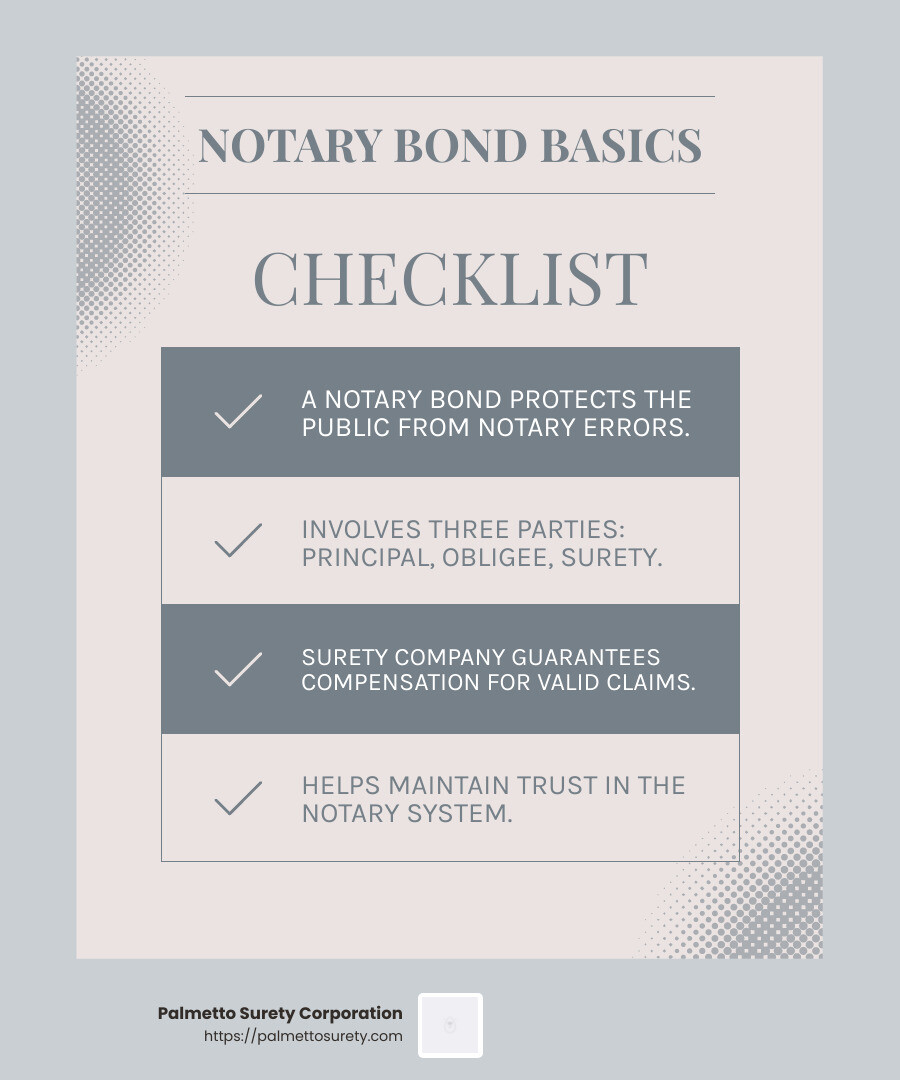
A notary bond plays a vital role in the notary public’s responsibilities. It’s a form of insurance that protects the public from errors made by notaries. Let’s break down the key components:
What is a Notary Public?
A notary public is an official appointed by state governments to serve as an impartial witness in the signing of important documents. They help prevent fraud by verifying the identities of signers, ensuring they understand the document, and confirming their willingness to sign.
The Role of a Surety Company
A surety company provides the notary bond. Think of it as a third-party guarantor that promises to pay the injured party if the notary fails to perform their duties correctly. This creates a safety net for the public, ensuring they can claim compensation if a notary’s mistake causes financial harm.
The Legal Contract
The bond itself is a legal contract involving three parties:
- Principal: The notary public who buys the bond.
- Obligee: The state government or public that requires the bond for protection.
- Surety: The company that issues the bond and guarantees payment if a claim is valid.
This contract ensures that notaries perform their duties ethically and legally. If a notary’s error leads to a financial loss, the affected party can file a claim against the bond. The surety company investigates and pays the claim, up to the bond’s coverage limit, if valid.

Understanding these elements helps notaries carry out their duties with integrity, knowing they have a structured safety mechanism in place. This not only protects the public but also reinforces trust in the notary system.
How to File a Notary Bond Claim
Filing a notary bond claim can seem daunting, but understanding the steps involved can simplify the process. When a notary public makes a mistake that causes financial harm, affected parties can seek compensation through the notary bond.
Steps to File a Claim
-
Contact the Bond Company: Begin by identifying the surety company that issued the notary bond. This information is typically available from the government office where the bond is filed, such as the Secretary of State or county clerk.
-
Provide Details: Once you’ve identified the bond company, gather all necessary information about the incident. This includes the notary’s details, the nature of the error, and any documentation that supports your claim.
-
Submit the Claim: File your claim with the surety company, providing all the gathered details. The company will then investigate the claim to determine its validity.
-
Settlement: If the claim is deemed valid, the surety company will reimburse the affected party up to the bond’s coverage limit. The notary may then be required to reimburse the surety company, emphasizing the importance of Errors and Omissions (E&O) insurance for notaries.
Common Reasons for Filing
Claims against a notary bond can arise from various situations:
-
Notary Misconduct: This includes failing to verify the identity of a signer or notarizing a document without witnessing the signature. Such misconduct can lead to fraudulent activities.
-
Financial Loss: If a notary’s error directly results in monetary damage to an individual or business, a claim can be filed to recover those losses.
-
Legal Violations: Notaries must adhere to state laws and regulations. Violations, such as improperly executing a document, can lead to claims if they result in financial harm.
Understanding these steps and common reasons for filing a claim helps ensure that affected parties can effectively seek compensation. Whether due to misconduct, financial loss, or legal violations, filing a notary bond claim provides a pathway to resolution and reinforces accountability in the notary profession.
Costs and Requirements of Notary Bonds
Notary bonds are essential for protecting the public from errors or misconduct by notaries. Each state has its own set of requirements, costs, and terms for these bonds. Understanding these details can help notaries and those affected by their services steer the legal landscape more effectively.
State-Specific Costs
Commission Period: The length of a notary’s commission term usually ranges from 4 to 10 years, depending on the state. For example, notaries in Arkansas have a 10-year term, while those in California have a 4-year term.
Bond Limits: Each state sets a specific bond limit, which is the maximum amount the surety company will pay out on behalf of a notary. For instance, Alabama requires a $25,000 bond, whereas Wisconsin only requires a $500 bond.
Premium Rates: The cost of a notary bond, known as the premium, varies by state and term length. Most states offer affordable rates due to the low-risk nature of notary bonds. For example, the premium for a 4-year bond in California is $38, while it’s $50 in Texas.
Here’s a simple table to illustrate some state-specific costs:
| State | Bond Limit | Commission Term | Premium (4 years) |
|---|---|---|---|
| Alabama | $25,000 | 4 years | $50 |
| California | $15,000 | 4 years | $38 |
| Florida | $7,500 | 4 years | $40 |
| Texas | $10,000 | 4 years | $50 |
State Requirements: Notaries must meet specific state requirements to obtain a bond. These may include background checks, education programs, and filing the bond with a government agency. For example, in Alaska, notaries file their bond with the Lieutenant Governor, while in Alabama, it’s filed with the county probate court.
Understanding these state-specific costs and requirements can help notaries maintain compliance and ensure their services are protected. By staying informed, notaries can avoid potential pitfalls and focus on providing reliable and trustworthy services.
Importance of Notary Bond Insurance
Notary bond insurance is a crucial safety net for notaries. It offers protection against mistakes or omissions that might occur during the notarization process. While surety bonds protect the public, notary bond insurance specifically shields the notary from financial fallout.
Benefits of Notary Bond Insurance
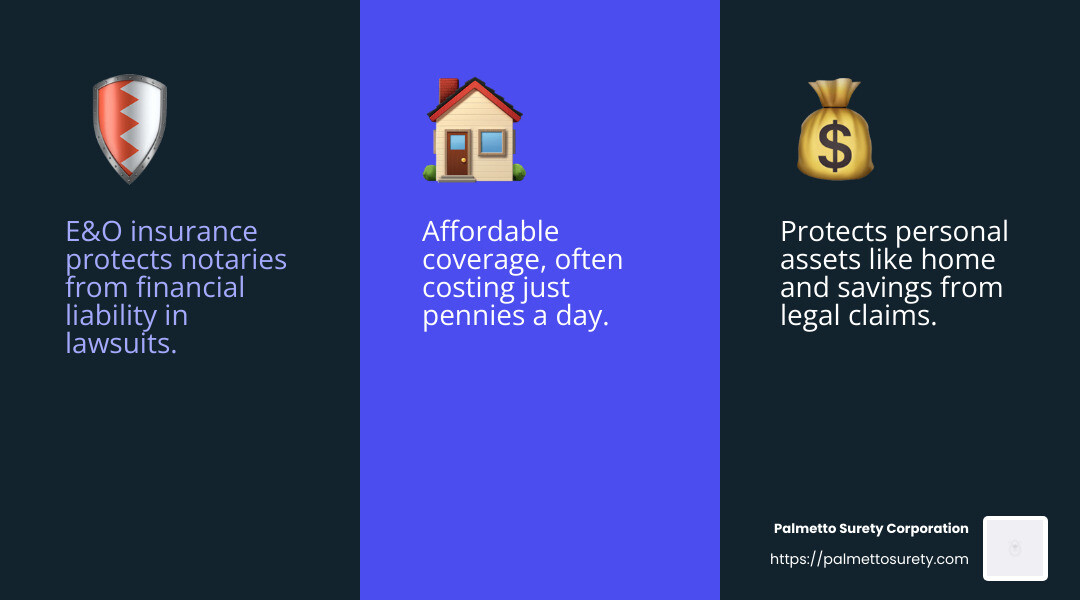
Protection and Financial Compensation: Notary bond insurance covers the notary in case of lawsuits or claims. If a notary error leads to financial loss for a client, the insurance can help cover legal fees and any settlements. This coverage ensures that notaries aren’t personally liable for these costs, providing a layer of financial security.
Asset Protection: Without notary bond insurance, notaries risk losing personal assets in the event of a claim. This insurance safeguards their home, savings, and other valuable assets from being used to pay for legal claims or damages.
Peace of Mind: Knowing that you have notary bond insurance can significantly reduce stress. Notaries can perform their duties with confidence, knowing they are protected against potential errors. This peace of mind allows them to focus on their work without the constant worry of financial repercussions.
Affordable Coverage: Notary bond insurance is generally affordable, often costing just pennies a day. This low cost makes it accessible for notaries at all income levels. The small investment in insurance can save notaries from substantial financial burdens in the future.
In summary, notary bond insurance is a wise investment for notaries. It provides essential protection, ensuring that a minor error does not lead to major financial or personal loss. With the right coverage, notaries can carry out their duties with assurance and reliability.
Frequently Asked Questions about Notary Bonds
How do I make a claim against a surety bond?
Filing a claim against a surety bond is a straightforward process. Here’s how you can do it:
-
Contact the Bond Company: Start by reaching out to the surety company that issued the bond. They will guide you through the initial steps and provide the necessary forms.
-
Provide Detailed Information: You’ll need to submit detailed information about the incident. This includes the notary’s name, bond number, and a description of the issue or misconduct that led to the claim. Be as specific as possible to facilitate the investigation.
-
Investigation and Settlement: The surety company will investigate the claim to determine its validity. If the claim is found legitimate, they will negotiate a settlement or pay out the bond amount. The surety may require the notary to repay any amount paid to satisfy the claim.
By following these steps, you can ensure a smooth claim process and seek the reimbursement you deserve.
How much does a $5,000 notary bond cost?
The cost of a $5,000 notary bond varies by state, but it’s typically quite affordable. In many states, the premium for a $5,000 bond can range from $50 to $100. This premium is a small percentage of the total bond amount and is paid upfront to secure the bond for the duration of the notary’s commission term.
For example, in Illinois, a $5,000 notary bond is required, and the cost is generally within this range. The premium you pay is not refundable, but it’s a necessary expense to ensure compliance with state regulations and protect the public.
What happens if I’m not bonded as a notary?
Operating as a notary without a bond in states where it’s required can lead to serious consequences:
-
Legal Penalties: You may face fines or legal action for failing to comply with state bonding requirements. This can vary depending on state laws.
-
Loss of Commission: Your notary commission could be suspended or revoked. This means you would no longer be able to perform notarial acts legally.
-
Financial Liability: Without a bond, you are personally liable for any mistakes or misconduct. This can lead to significant financial losses if a claim is made against you.
Ensure you’re bonded to protect yourself and fulfill your legal obligations as a notary. It’s a crucial step in maintaining your notary commission and safeguarding your professional reputation.
Conclusion
At Palmetto Surety Corporation, we pride ourselves on offering quick service and leveraging our extensive industry expertise to meet your surety bond needs.
With over 20 years in the business, we understand the complexities of surety bonds and are committed to making the process as seamless as possible for our clients. Whether you’re dealing with a notary bond, court surety, or any other type of commercial surety bond, we’ve got you covered.
Our team is dedicated to providing efficient and reliable service, ensuring that most applications are approved within hours. We operate in various states, including Georgia, Florida, Louisiana, Mississippi, South Carolina, Tennessee, and Texas, ensuring that our services are accessible to a wide range of clients.
Choosing Palmetto Surety Corporation means choosing a partner that values your time and business. We are here to help you steer the intricacies of notary bonds and ensure that you remain compliant with state regulations.
For more information on our services and how we can assist you, please visit our Palmetto Surety Corporation service page. Let us help you secure the bonds you need with confidence and ease.


