


Bondability Letter Guide: 5 Essential Insights 2025
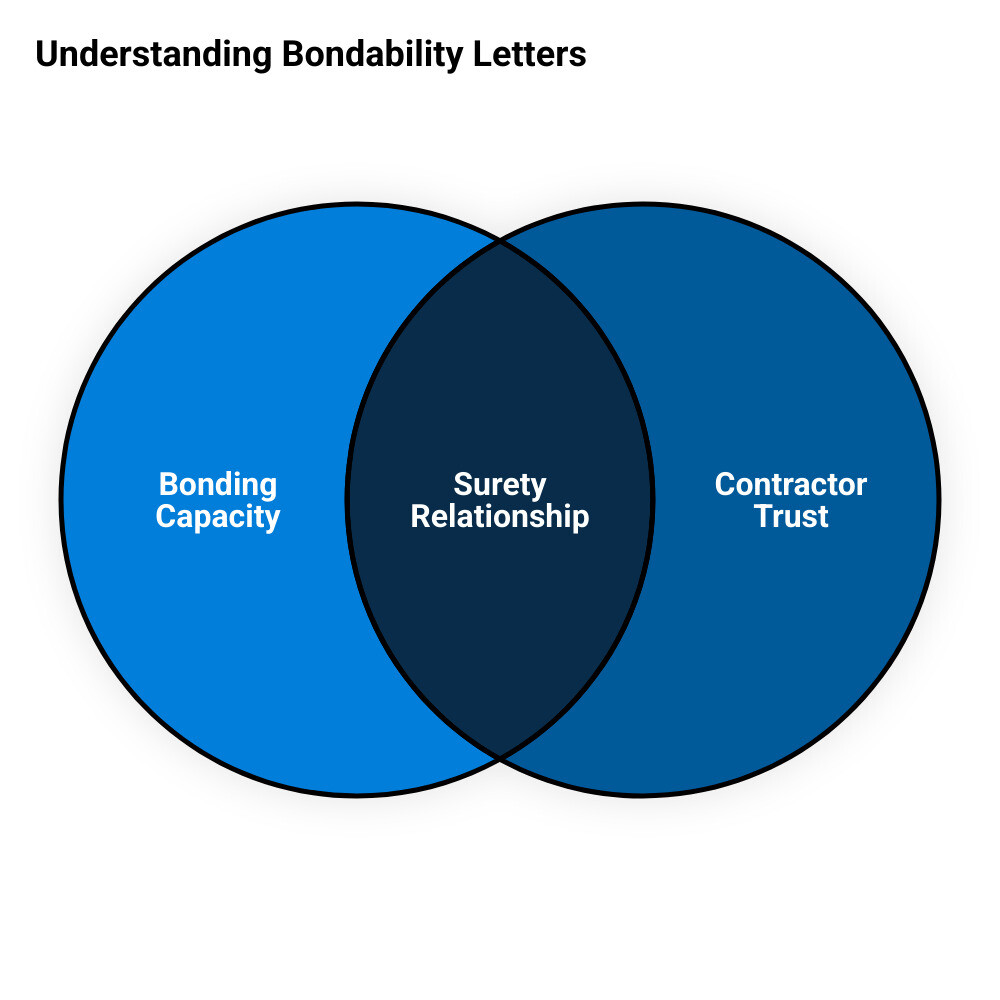
Bondability letter—a term often heard in construction and surety circles, but what does it really mean? In its simplest form, a bondability letter is a document that evidences a contractor’s relationship with a surety company. It outlines the contractor’s bonding capacity but doesn’t guarantee or prequalify them for a specific project.
- Definition: A bondability letter shows a contractor has a surety relationship.
- Function: It outlines bonding capacity, but doesn’t guarantee project suitability.
- Purpose: Offers comfort about a contractor’s ability to get bonds, fostering trust.
When diving into the complexities of contract projects, understanding the nuances of surety relationships and bondability letters can provide a crucial edge in pre-qualification processes.
My name is Haiko de Poel Jr, an expert in marketing and digital change. With my extensive experience at Palmetto Surety Corporation, I’ve witnessed the impact of a bondability letter in shaping trust and capability in contractual obligations.
What is a Bondability Letter?
In construction and surety, bondability letters play a pivotal role. But what exactly is a bondability letter? Let’s break it down.
Bondability Definition
A bondability letter is a formal document that indicates a contractor’s relationship with a surety company. This letter serves as proof that a contractor has been evaluated by a surety provider and is considered capable of obtaining bonds. However, it’s important to remember that this letter is not a guarantee of bond issuance for any specific project.
Surety Letter
The surety letter is a core component of the bondability letter. It is typically issued on the surety company’s letterhead and signed by an authorized representative. This ensures authenticity and confirms that the contractor has been vetted by a reputable surety provider. The letter may also include the surety’s financial rating and listing on the U.S. Treasury list, which further establishes credibility.
Pre-Qualification
While a bondability letter is not a binding agreement or a promise to issue bonds, it acts as a pre-qualification tool. It provides project owners and general contractors with assurance that the contractor has the financial backing to obtain necessary bonds. This is especially useful during the bidding process, where project owners need to quickly assess a contractor’s ability to fulfill contractual obligations.
A bondability letter helps contractors demonstrate their capability and reliability to potential clients, making it a valuable asset in the competitive construction industry.

Key Components of a Bondability Letter
A bondability letter offers a snapshot of a contractor’s ability to secure bonds, which is crucial for pre-qualification in construction projects. Let’s explore the key components that make up this essential document.
Bonding Capacity
At the heart of a bondability letter is the bonding capacity. This is a measure of the financial limits within which a contractor can operate. It includes both the single project limit and the aggregate limit across multiple projects. For example, a letter might state that a contractor has a single project limit of $25 million and an aggregate limit of $40 million. This information gives project owners an idea of the scale of projects the contractor can handle.
A.M. Best Rating
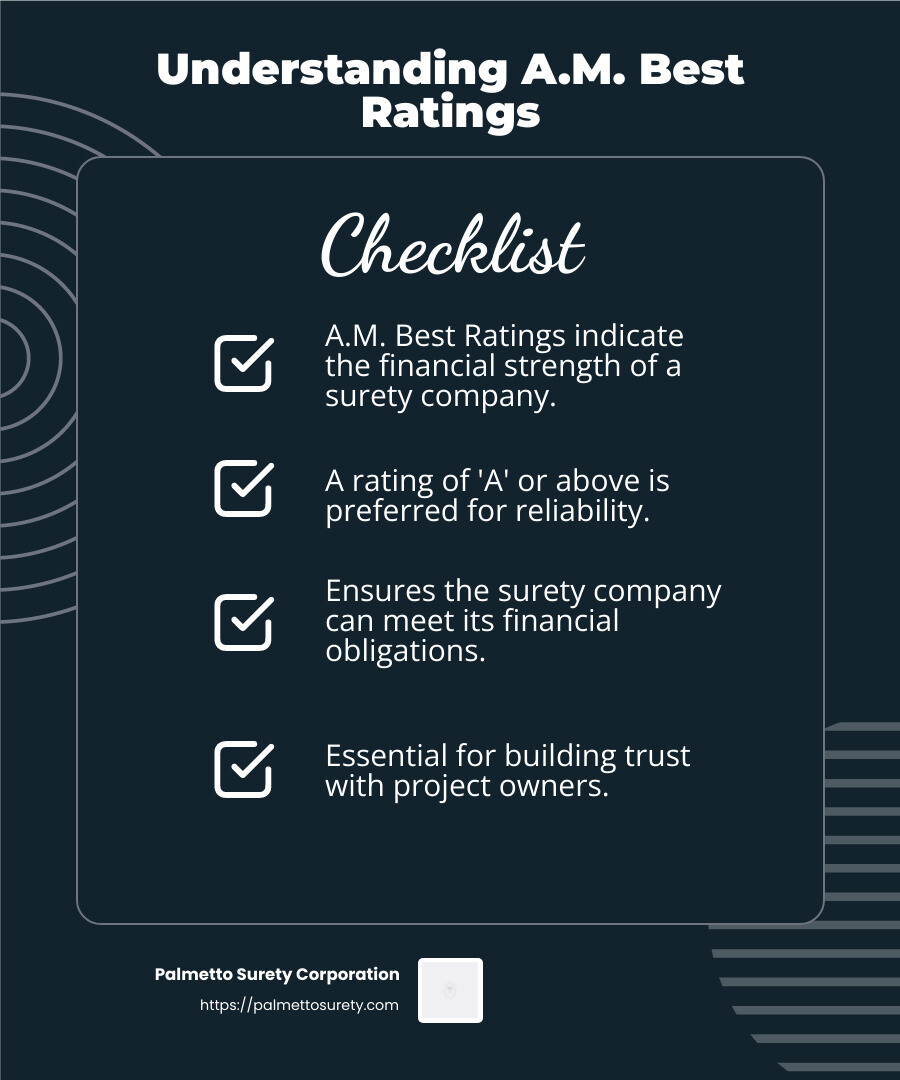
The A.M. Best rating is a critical indicator of the surety company’s financial strength and stability. Typically, a rating of “A” or above is required, which assures project owners that the surety provider is reliable. This rating helps build trust, as it reflects the surety’s ability to meet its financial obligations.
U.S. Treasury List
Another important component is the surety’s inclusion on the U.S. Treasury list. This list identifies surety companies that are authorized to issue bonds for federal projects. Being on this list means the surety company is vetted and approved, adding another layer of credibility to the bondability letter.
Bond Limits
The letter also specifies the bond limits, which outline the maximum amount the surety is willing to bond for the contractor. This includes both the limit for a single project and the total limit for all ongoing projects. These limits are crucial for project owners to understand the contractor’s financial backing.
Contact Information
Finally, the bondability letter includes contact information for the surety agent. This allows project owners or general contractors to follow up with any questions or clarifications. Having direct access to the surety agent ensures clear communication and can help resolve any uncertainties about the contractor’s bondability.
In summary, each component of a bondability letter works together to provide a comprehensive picture of a contractor’s bonding potential. This document plays a crucial role in establishing trust and facilitating the pre-qualification process in the construction industry.
The Purpose and Importance of Bondability Letters
A bondability letter serves as a vital tool in the construction industry, acting as a bridge between contractors and project owners. It plays a key role in the pre-qualification process, offering reassurance to project owners and helping contractors secure projects.
Pre-Qualification Tool
For project owners, a bondability letter is an essential pre-qualification tool. It helps sift through potential contractors by providing a snapshot of their bonding capacity and financial backing. This is crucial when selecting a contractor for a project, as it ensures that only those with the financial capability to complete the job are considered. Without this tool, owners might face unnecessary risks from underfunded or inexperienced contractors.
Contractor Assurance
Contractors benefit significantly from having a bondability letter. It acts as a seal of approval from a surety company, showing that they have been vetted and are deemed capable of handling projects within certain financial limits. This assurance can be a deciding factor for project owners when choosing between multiple contractors. Moreover, having a bondability letter can improve a contractor’s reputation, making them more appealing to potential clients.
Project Owner Comfort
For project owners, comfort and confidence in a contractor’s ability to deliver are paramount. A bondability letter provides this comfort by demonstrating that a contractor has the backing of a reputable surety company. It reassures owners that the contractor is financially stable and capable of obtaining the necessary bonds for the project. This peace of mind is invaluable, especially in large-scale projects where financial risks are higher.
Bondability letters are not just bureaucratic documents; they are pivotal in building trust and ensuring successful partnerships in the construction industry. They streamline the selection process and offer both contractors and project owners the assurance they need to proceed with confidence.
How Bondability Letters Differ from Other Bonds
A bondability letter is distinct from other types of bonds like bid bonds, performance bonds, and payment bonds. Understanding these differences can help clarify the role each plays in the construction and contracting world.
Non-Binding Nature
A bondability letter is non-binding. It does not guarantee that a contractor will receive a bond for a specific project. Instead, it simply indicates that a contractor has the potential to secure bonds based on their current relationship with a surety company. This is unlike other bonds, which provide specific guarantees and protections to project owners.
Bid Bond
A bid bond is a different entity altogether. It acts as a financial assurance that a contractor will honor their bid and execute the contract at the bid price if awarded. If a contractor fails to do so, the bid bond compensates the project owner for the difference between the original bid and the next lowest bid. This ensures that only serious bidders participate in the tendering process.
Performance Bond
Performance bonds offer protection by guaranteeing that a contractor will complete a project according to the contract terms. If the contractor fails to perform, the bond covers the costs for the project owner to hire another contractor to complete the work. This bond is crucial for ensuring project completion and quality.
Payment Bond
Payment bonds ensure that subcontractors and suppliers are paid for their work and materials. This protects the project owner from potential liens or legal action due to unpaid bills. It guarantees that the contractor will fulfill financial obligations to all parties involved in the project.
In summary, while a bondability letter offers insight into a contractor’s ability to secure bonds, it does not provide the direct financial protections that bid, performance, and payment bonds do. These bonds each serve specific purposes and provide varying levels of security and assurance to project owners.
Frequently Asked Questions about Bondability Letters
What is a bondability letter?
A bondability letter is a document that indicates a contractor’s ability to secure surety bonds. It’s often used as a pre-qualification letter to show that a contractor has an established relationship with a surety company. This letter provides assurance, but it doesn’t guarantee that a contractor will receive a bond for a specific project. Instead, it demonstrates that the contractor has been evaluated and is considered capable of obtaining bonds up to certain limits.
What information is typically included in a bondability letter?
A typical bondability letter contains several key pieces of information:
-
Bonding Capacity: This includes both the single project limit and the total aggregate bonding capacity. It shows the maximum amount the contractor can be bonded for a single project and the total amount across all projects.
-
Surety Company Rating: The letter often includes the A.M. Best rating of the surety company, which is usually required to be “A” or above. This rating is a measure of the financial strength and reliability of the surety.
-
U.S. Treasury List Confirmation: It confirms that the surety company is on the U.S. Treasury’s list of approved sureties, ensuring they are authorized to issue bonds in the state where the work will be performed.
-
Contact Information: The bond agent’s contact details are included for any follow-up questions from the project owner or general contractor.
How does a bondability letter benefit contractors?
A bondability letter serves as a valuable pre-qualification tool for contractors. Here are some of the benefits:
-
Pre-Qualification: It helps contractors pre-qualify for projects by providing evidence of their ability to secure bonds. This can be particularly important in competitive bidding situations where contractors need to stand out.
-
Project Assurance: For project owners, a bondability letter offers a level of comfort. It shows that the contractor has been vetted by a reputable surety company, which can increase the owner’s confidence in the contractor’s financial stability and performance capabilities.
A bondability letter acts as a bridge of trust between contractors and project owners, facilitating smoother project negotiations and selections.
Conclusion
At Palmetto Surety Corporation, we understand the importance of a bondability letter in construction and contracting. These letters serve as a crucial tool for contractors, providing them with the necessary leverage to pre-qualify for projects and assure project owners of their financial stability and bonding capacity.
Our commitment to quick approval and efficient service sets us apart in the industry. With over 20 years of experience, we specialize in providing surety bonds custom to the needs of various industries, including construction, manufacturing, transportation, and healthcare. Our ability to approve most applications within hours means that contractors can move forward with confidence, knowing that they have the backing of a reliable and experienced surety provider.
We invite you to explore our services and see how our expertise can help you steer the complexities of surety bonds with ease. Whether you’re a contractor looking to expand your project opportunities or a project owner seeking assurance of a contractor’s capabilities, Palmetto Surety Corporation is here to support your success.
Learn more about our surety bond services and experience the difference of working with a dedicated team committed to excellence.


