


Contractor Bonded and Insured: Top 3 Must-Know Facts 2024
When planning your next construction project, you may encounter the term contractor bonded and insured. This designation is crucial, ensuring the contractor can fulfill both legal and financial obligations. Here’s a concise explanation to help you understand its importance:
-
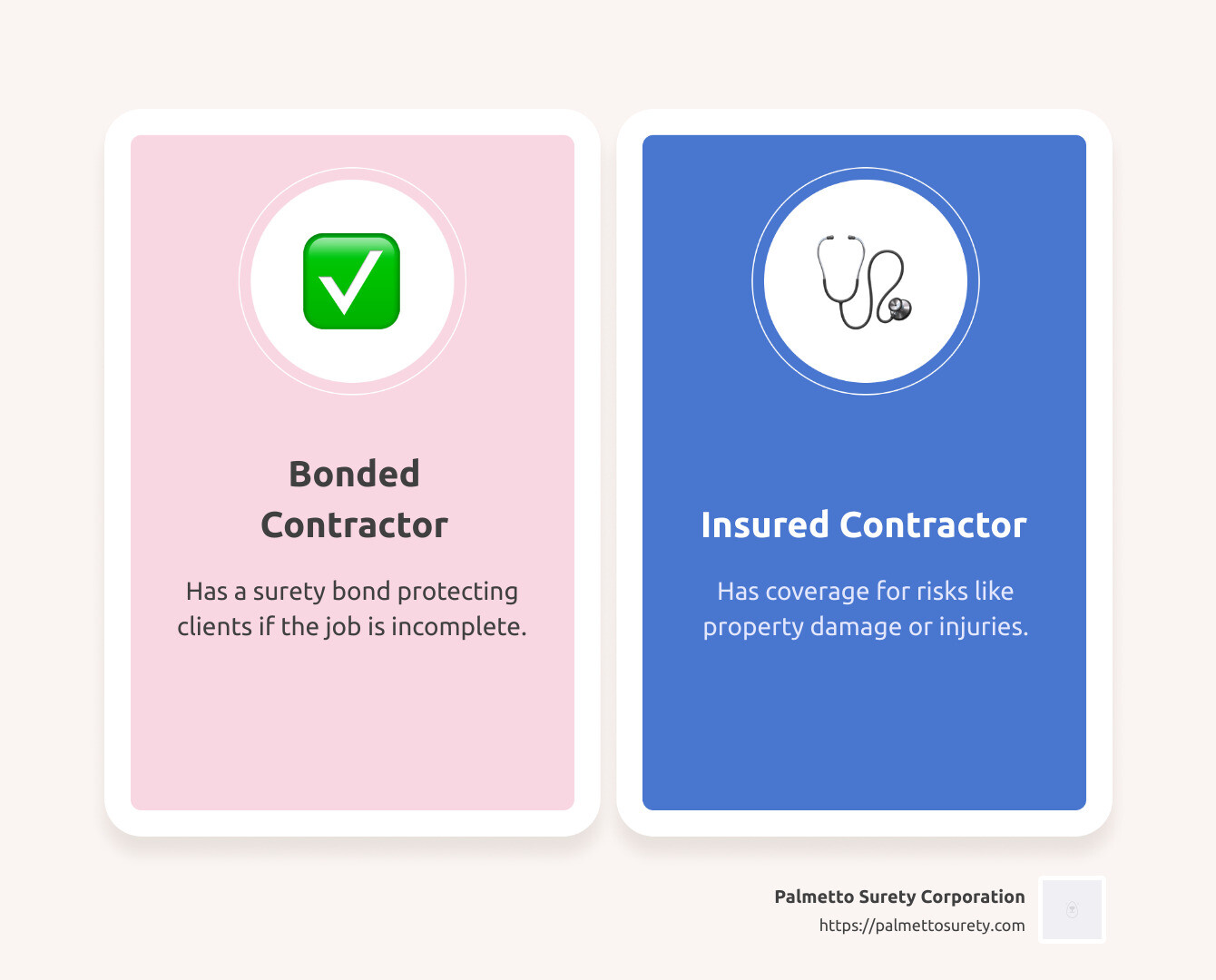
Bonded: A bonded contractor has a surety bond that protects the client if the contractor does not complete the job.
-
Insured: An insured contractor has coverage to protect against risks such as property damage or injuries during the project.
-
Importance: Protects the client from financial loss and ensures legal compliance.
Contractor requirements vary by state but generally include having a contractor license, surety bond, and necessary insurance policies like general liability and workers’ compensation.
I’m Haiko de Poel Jr., and I have experience in marketing and surety bonding, having worked with Palmetto Surety Corporation to enhance understanding and accessibility of contractor bonded and insured services.
Understanding “Bonded” and “Insured”
When hiring a contractor, you’ll often hear the terms bonded and insured. It’s important to know what these terms mean, as they offer different types of protection for both the client and the contractor.
What Does “Bonded” Mean?
When a contractor is bonded, it means they have secured a surety bond. A surety bond is a three-party agreement involving:

- Principal: The contractor who purchases the bond.
- Obligee: The client or entity requiring the bond.
- Surety: The company that issues the bond, guaranteeing the contractor’s performance.

A surety bond provides financial protection to the obligee. If the contractor fails to fulfill their contractual obligations, the obligee can make a claim against the bond. The surety then pays the claim, but the contractor (the principal) must reimburse the surety. This ensures the obligee is not left financially vulnerable if the contractor defaults.
What Does “Insured” Mean?
Being insured means the contractor has purchased liability insurance. This type of insurance provides risk protection for the contractor against potential claims. It includes:
- General Liability Insurance: Covers property damage or bodily injuries that occur during the project.
- Workers’ Compensation Insurance: Provides coverage for work-related injuries to employees.
Insurance protects the contractor from financial loss due to claims made by third parties. Unlike bonds, insurance does not require the contractor to repay the insurer if a claim is made. Instead, the insurance company absorbs the cost, making it a vital safety net for contractors.
Differences Between Bonded and Insured
Understanding the difference between being bonded and insured is crucial:
- Purpose: Bonds protect the client (obligee) by ensuring project completion or financial compensation. Insurance protects the contractor from claims and financial loss.
- Parties Involved: Bonds involve three parties (principal, obligee, surety), while insurance involves two (insured and insurer).
- Repayment: Contractors must repay the surety for bond claims, but they do not repay the insurer for insurance claims.
In conclusion, having a contractor who is both bonded and insured provides comprehensive protection. It ensures clients are safeguarded against incomplete projects and contractors are shielded from potential liabilities. This dual coverage is a critical component of any construction project.
Why Contractors Need to Be Bonded and Insured
Hiring a contractor who is both bonded and insured is vital for protecting both the client and the contractor. This dual coverage provides a safety net against various risks that can arise during a project. Let’s explore how this works.
Protecting the Client
Consumer Protection and Financial Stability: When a contractor is bonded, clients have financial protection in case the contractor fails to complete the project or performs substandard work. A surety bond acts as a guarantee that the project will be completed as agreed. If the contractor defaults, the client can file a claim against the bond to recover financial losses.
Legal Requirements and Ethical Conduct: Many states require contractors to be bonded and insured as part of their licensing process. This ensures that contractors adhere to ethical business practices and comply with legal standards. Clients can rest easy knowing the contractor is legally bound to fulfill their obligations.
Project Completion: A surety bond is a promise that the contractor will complete the project. It protects clients from financial loss due to unfinished work. If the contractor abandons the project, the surety company will either complete the work or compensate the client.
Protecting the Contractor
Liability Claims and Worker’s Compensation: Contractors face numerous risks, including property damage and worker injuries. Being insured means having coverage for these potential liabilities. General liability insurance covers claims for property damage or bodily injury, while worker’s compensation insurance provides for employees injured on the job.
Business Risks and Financial Loss: Insurance shields contractors from bearing the full cost of claims. This protection is crucial for maintaining financial stability, especially for small businesses that might struggle to cover large claims out of pocket.
Being both bonded and insured offers a comprehensive safety net. It ensures that clients are protected from financial and legal risks, while contractors are shielded from liabilities and potential financial ruin. This dual protection fosters trust and reliability in the contractor-client relationship, making it a wise investment for both parties.
How to Verify if a Contractor is Bonded and Insured
When hiring a contractor, it’s crucial to ensure they are both bonded and insured. This protects you from financial risk and ensures the project is completed as promised. Here’s how you can verify their status.
Checking Bond and Insurance Status
Documentation: Start by asking the contractor for proof of their bond and insurance. They should provide a certificate of insurance (COI) and documentation of their surety bond. These documents confirm that the contractor has the necessary protections in place.
Verification Process: Once you have the documentation, it’s time to verify. Contact the insurance company and the surety bond provider directly to confirm that the policies are active and up-to-date. This step ensures that the contractor’s coverage is current.
Trusted Sources: Use resources like the Better Business Bureau (BBB) to check the contractor’s reputation. The BBB can provide information on any past complaints or issues with the contractor. Additionally, websites like Angie’s List compile ratings and reviews of contractors nationwide.
Importance of Verification
Avoid Scams: Verifying a contractor’s bond and insurance helps you avoid scams. Some contractors might claim to be bonded and insured without actually having valid coverage. Verification protects you from falling victim to dishonest practices.
Ensure Accountability: A contractor who is bonded and insured is accountable for their work. If something goes wrong, you have the assurance that there are financial resources available to address the issue. This accountability is crucial for peace of mind.
Peace of Mind: Knowing that your contractor is bonded and insured provides peace of mind. You can trust that they are committed to completing the project as agreed and that you are protected from unexpected costs or liabilities.
Taking the time to verify a contractor’s bond and insurance status is a simple yet essential step in hiring. It protects you from financial risks and ensures the contractor is reliable and trustworthy. Always request documentation and use trusted sources to confirm their coverage.
Frequently Asked Questions about Contractor Bonded and Insured
What is the difference between bonded and insured for a contractor?
When a contractor is bonded, it means they have a surety bond in place. This bond is a three-party agreement involving the contractor (principal), the client (obligee), and the surety company. The bond provides financial protection to the client if the contractor fails to fulfill their contractual obligations. If the contractor doesn’t complete the work as promised, the client can make a claim against the bond to recover losses.
In contrast, being insured means that the contractor has liability insurance. This type of insurance protects the contractor from financial losses due to accidents, property damage, or injuries that occur during the project. While bonds protect the client, insurance primarily protects the contractor and their business.
Why is it important for a contractor to be bonded?
A contractor needs to be bonded for financial security and project assurance. A surety bond acts as a safety net for clients. It guarantees that the contractor will complete the project as agreed. If the contractor fails to do so, the client can be compensated through the bond. This assurance is vital for clients who want to minimize financial risks and ensure their project is completed to standard.
Being bonded also demonstrates the contractor’s ethical conduct and commitment to quality. It shows that the contractor is willing to be held accountable for their work, which can improve their reputation and trustworthiness in the industry.
How can I verify a contractor’s bond and insurance?
To verify if a contractor is both bonded and insured, start by requesting documentation. Ask for a certificate of insurance (COI) and proof of their surety bond. These documents should clearly state the coverage details and confirm that the contractor is adequately protected.
Next, use online databases and contacts to verify these documents. Contact the insurance company and the surety bond provider to confirm that the policies are active and up-to-date. This ensures that the contractor’s coverage is valid and current.
Use resources like the Better Business Bureau (BBB) to check the contractor’s reputation and any past complaints. This can give you additional peace of mind that you are hiring a reliable and trustworthy contractor. Always take these steps to ensure you’re protected from potential scams and financial risks.
Conclusion
In contracting, being bonded and insured is not just a formality—it’s a necessity. It provides a framework of trust between contractors and clients. Bonds offer a safety net for clients, ensuring projects are completed as promised. Insurance, on the other hand, shields contractors from unforeseen financial burdens.
For clients, hiring a contractor who is both bonded and insured means peace of mind. It protects against financial loss and guarantees that the contractor is committed to ethical and professional standards. For contractors, these measures offer a competitive edge, showcasing reliability and dedication to quality work.
At Palmetto Surety Corporation, we understand the complexities of surety bonds and insurance. With over 20 years of experience, we specialize in providing fast, efficient service custom to the needs of contractors across various industries. Our expertise ensures that contractors can secure the bonds they need quickly, allowing them to focus on what they do best—delivering exceptional service.
If you’re a contractor looking to improve your credibility or a client seeking assurance in your contractor’s capabilities, we are here to help. Explore our services and learn more about how being bonded and insured can benefit you. Visit Palmetto Surety Corporation for more information and support in navigating surety bonds and insurance.
In conclusion, ensuring that a contractor is both bonded and insured is a wise decision for all parties involved. It fosters trust, minimizes risks, and sets the stage for successful project completion. As you move forward in your projects, being bonded and insured is not just a requirement—it’s a commitment to excellence and integrity.


